UBUHANZI
UBWIZA N'UBUZIMA
UBUKORIKORI
UMUCO N'AMATEKA
IMYIDAGADURO
IBIDUKIKIJE
IBIRIBWA N'IBINYOBWA
UBWUBATSI BUSUBIRA INYUMA
UBUMENYI
SIPORO
IKORANABUHANGA
IBYAMBARWA
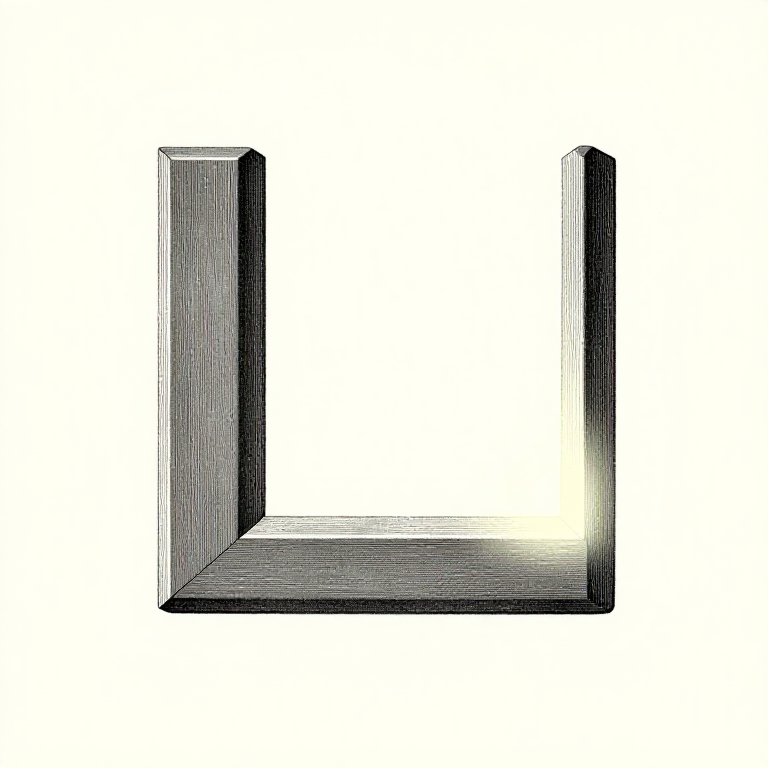


Bending: Where the Curve Starts Is a Decision
Bending looks like the easiest operation and produces the most disappointing results, because the bend happens wherever the metal is hottest and thinnest — not where you intended.
So bending is really a heating problem. Control where the heat is and the bend goes there; heat the whole bar and it bends in a long lazy arc wherever it happens to be weakest.
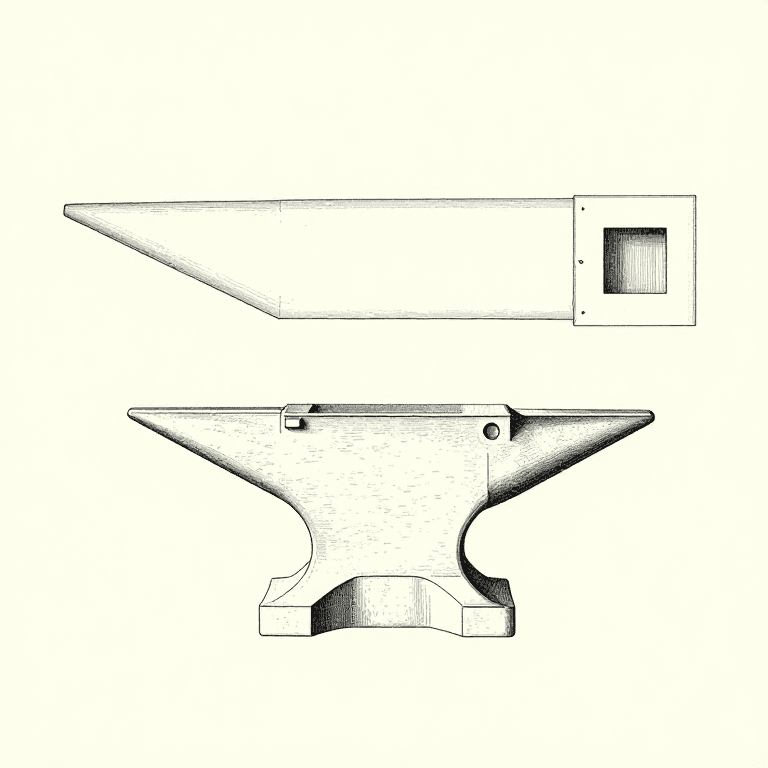
The second decision is the RADIUS, and that is what the anvil's horn is for: a continuously variable former from a tight curl at the tip to a gentle sweep at the base.
Hagati
3 hours
Amabwiriza
1
1
Heat a short band exactly where the bend goes
Heat a short band exactly where the bend goes
Bring a narrow band to bright heat and leave the bar dark either side. Cold metal will not bend, so the deformation is confined to the hot band — the same lever the upsetting rung uses.
A sharp corner needs a very short hot zone; a gentle curve needs a long one. So decide the shape first, then heat to match it, rather than heating and hoping.
Use the fire's shape to help. A narrow slot in the fuel, or the work laid across rather than into the hot zone, heats a band instead of a length. This is the heating-evenly rung again, used deliberately in reverse.
Ibikoresho by'iyi ntambwe:
 Umutsi w'icyuma cyoroshye1 igice
 Amakara1 igice
Ibikoresho bikenewe:
 Uruganda rw'umucuzi
 Amafashi y'umucuzi
 Indorerwamo z'umukara zo ku ruganda rw'ubucuzi
2
2
Over the horn, over the edge, or in the vice
Over the horn, over the edge, or in the vice
The HORN gives any radius you want — move along it. Lay the bar across and pull down, or hammer it round; the horn supports the inside of the curve while the metal wraps.
The anvil EDGE gives a sharp corner. Hang the bar over the edge with the hot band exactly at the edge line, and strike down — the metal folds over the radius of that edge, so a sharp edge gives a crisp corner and a rounded one gives a soft bend.
The VICE holds one side while you lever the other, which gives the most control for a precise angle. A bending fork in the hardy hole does the same on the anvil and leaves both hands free.
Ibikoresho by'iyi ntambwe:
Umutsi w'icyuma cyoroshye1 igiceIbikoresho bikenewe:
 Ingoyi
 Igifata gikomeye cy'ameza y'akazi
 Inyundo y'umucuziAmafashi y'umucuzi
3
3
The outside stretches — and how far is arithmetic
The outside stretches — and how far is arithmetic
Gupakira ikaye ya Jupyter…
Ibikoresho by'iyi ntambwe:
Umutsi w'icyuma cyoroshye1 igiceIbikoresho bikenewe:
IngoyiInyundo y'umucuzi Lupu Yagura
 Ikibariro
4
4
Check against the drawing, not against your eye
Check against the drawing, not against your eye
Draw the shape full size on a steel plate or a sheet of paper and offer the work to it after every few blows. The eye is a poor judge of an angle and a worse one of a curve.
For a repeated shape — a set of scrolls, a row of identical brackets — make a simple jig or a bending fork so each piece is formed against the same former. That is the story-stick principle from the marking-out batch: one reference, used repeatedly, beats measuring each piece.
Correct while it is still hot. A bend that has gone cold can be reheated, but every extra heat costs scale and risks grain growth, and a shape corrected three times rarely looks as crisp as one made right in two heats.
Ibikoresho by'iyi ntambwe:
Umutsi w'icyuma cyoroshye1 igiceIbikoresho bikenewe:
 Umurongo w'ipimaAmafashi y'umucuziIngoyi
Iki gishushanyo gikora
Blueprint zijyanye
Izi blueprint zisangira ubumenyi — uburyo, ibikoresho cyangwa amahame
CC0 Umurenge rusange
Iyi blueprint yasohowe munsi ya CC0. Ushobora gukoporora, guhindura, gukwirakwiza no gukoresha nta kwemererwa.
Shyigikira Umuremyi ugura ibicuruzwa binyuze muri Blueprint ye Komisiyo y'Umuremyi byashyizweho n'Abacuruzi, cyangwa kora verisiyo nshya y'iyi Blueprint ukayinjiza nk'isano muri Blueprint yawe kugira ngo musangire inyungu.