Ubufatanye
UBUHANZI
UBWIZA N'UBUZIMA
UBUKORIKORI
UMUCO N'AMATEKA
IMYIDAGADURO
IBIDUKIKIJE
IBIRIBWA N'IBINYOBWA
UBWUBATSI BUSUBIRA INYUMA
UBUMENYI
SIPORO
IKORANABUHANGA
IBYAMBARWA
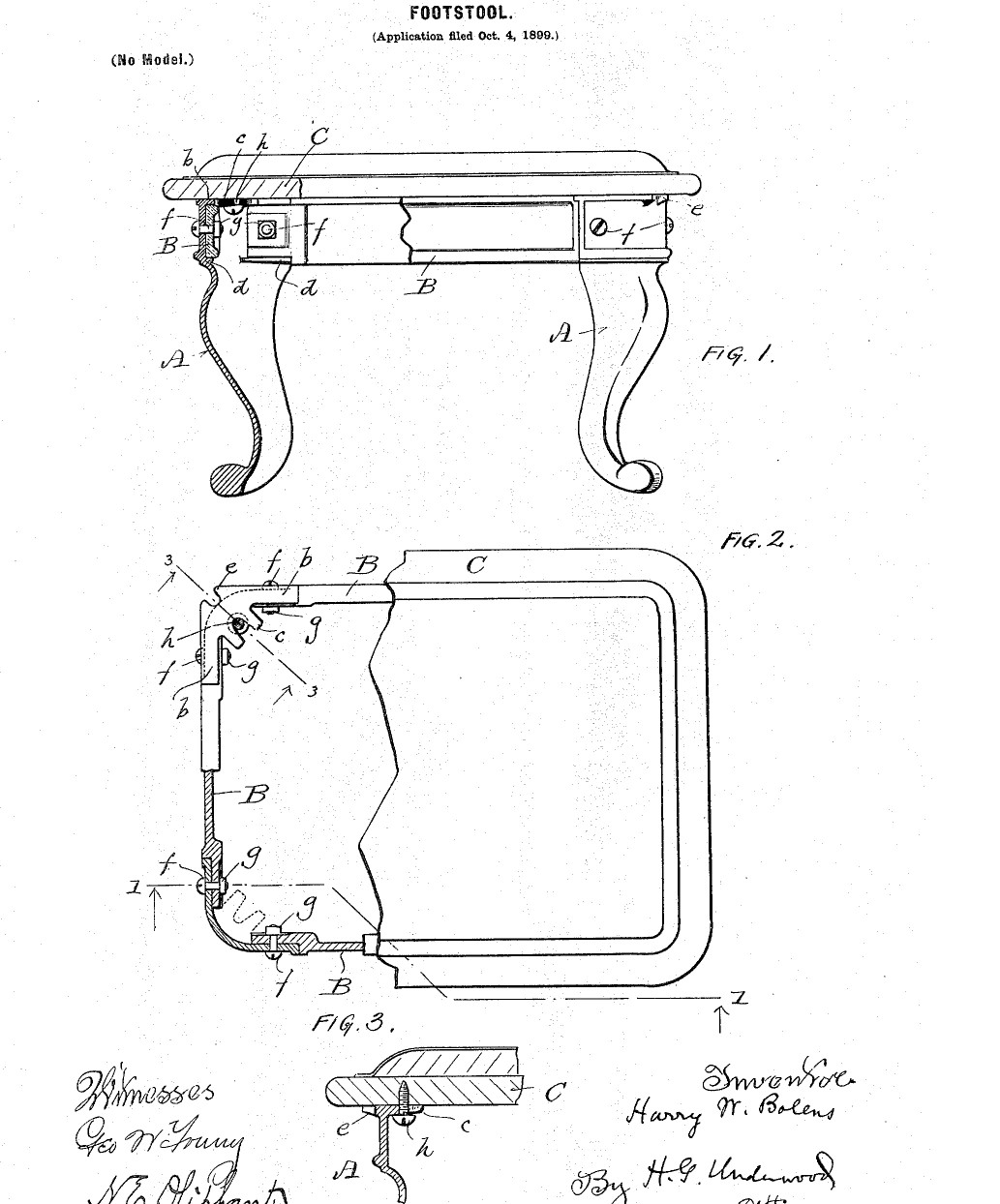


Knock-Down Footstool: Bolted Metal Legs and Rails Under a Screwed-On Wooden Top (Bolens, 1900)
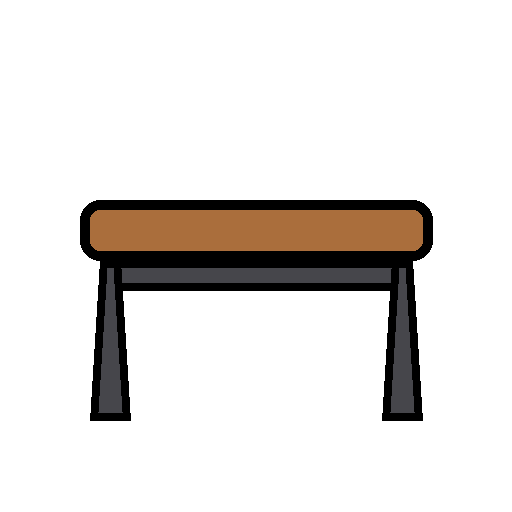
Harry W. Bolens of Port Washington, Wisconsin, received US 640,265, dated 2 January 1900, for a footstool whose base comes apart: four metal corner legs and four rails bolted together, with a wooden top screwed on through lugs on the legs. It packs flat for storage and shipping.
His legs were ornamental castings; ours are bent from steel angle. All sizes are ours.
Utangiye
About 4 hours
Amabwiriza
1
1
Cut list
Cut list
Gupakira ikaye ya Jupyter…
2
2
Read US 640,265
Read US 640,265
"The above-described base has the advantage of being a knockdown structure, and thus I provide for economical storage and transportation."
3
3
Make the legs
Make the legs
Cut four legs of steel angle to the notebook's length, his corner legs A. At the top of each, cut and bend a small tab inward to make the flange and lug (his b and c), and drill the lug for a top screw. File off sharp edges.
Ibikoresho by'iyi ntambwe:
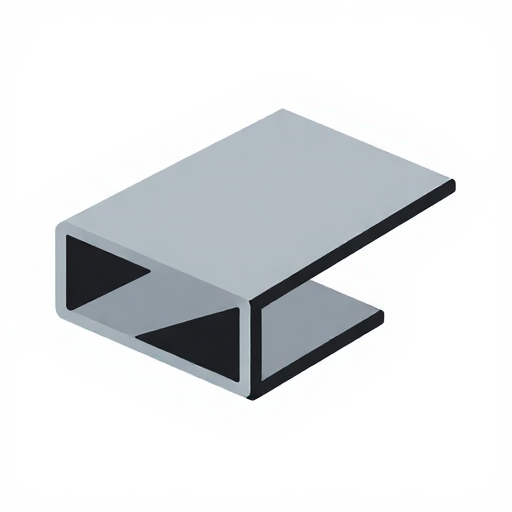 Icyuma cy'impande cy'icyuma cyoroheje1 igice
Ibikoresho bikenewe:
 Umucumita w'Ibyuma
 Ifatiro ry'Ameza
 Inyundo ifite umutwe wa buruta
 Icyuma Cyivumbura Gihagaze
 Ibyuma Byinshi byo Gucukura
 Amakariso Menshi
4
4
Make the rails
Make the rails
Cut two side rails and two end rails of flat bar, his rails B. Bend each end slightly (his offset ends) so it lies flush inside the leg's angle. Drill matching holes through rail ends and legs.
Ibikoresho by'iyi ntambwe:
 Umurongo ugororotse w'icyuma cyoroshye1 igice
Ibikoresho bikenewe:
Umucumita w'IbyumaIfatiro ry'AmezaIcyuma Cyivumbura GihagazeIbyuma Byinshi byo Gucukura5
5
Bolt the base
Bolt the base
Bolt each rail end to its leg with a bolt and nut, his bolts f and nuts g. Check the base stands square and level.
Ibikoresho by'iyi ntambwe:
 Icyegeranyo cy'inyuzi z'impande esheshatu1 igice
Ibikoresho bikenewe:
 Isupana ihindurwa
6
6
Fit the top
Fit the top
Cut and sand a hardwood top, his top C. Set it on the base and drive a screw up through each leg's lug into it, his screws h. Upholster it if you like, as he allows.
Ibikoresho by'iyi ntambwe:
 Ikibaho cy'Igiti Gikomeye1 igice
 Imisumari y'ibiti1 igice
Ibikoresho bikenewe:
 Umucumita w'Intoki
 Urupapuro rwo Gusya
 Ikusanyirizo ry'ibitorezi
7
7
Troubleshooting
Troubleshooting
Footstool troubleshooting.
Flow
Loading...
8
8
History and honest limits
History and honest limits
**Harry W. Bolens** of Port Washington, Wisconsin, US 640,265, dated 2 January 1900, filed 4 October 1899. He claimed "a footstool-base consisting of legs provided at their upper ends with inwardly-extending flanges as well as horizontal lugs ... apertured for the engagement of top securing devices" and rails between the flanges. His legs and rails were castings, though he does not limit the material; the steel angle and flat bar, the bent lugs, the hardwood top and all sizes are ours.
Ibikoresho
5- Umwanya
- Umwanya
- Umwanya
- 1 igiceUmwanya
- 1 igiceUmwanya
Ibikoresho bikenewe
10- Umwanya
- Umwanya
- Umwanya
- Umwanya
- Umwanya
- Umwanya
- Umwanya
- Umwanya
- Umwanya
Iki gishushanyo gikora
Blueprint zijyanye
Izi blueprint zisangira ubumenyi — uburyo, ibikoresho cyangwa amahame

CC0 Umurenge rusange
Iyi blueprint yasohowe munsi ya CC0. Ushobora gukoporora, guhindura, gukwirakwiza no gukoresha nta kwemererwa.
Shyigikira Umuremyi ugura ibicuruzwa binyuze muri Blueprint ye Komisiyo y'Umuremyi byashyizweho n'Abacuruzi, cyangwa kora verisiyo nshya y'iyi Blueprint ukayinjiza nk'isano muri Blueprint yawe kugira ngo musangire inyungu.