UBUHANZI
UBWIZA N'UBUZIMA
UBUKORIKORI
UMUCO N'AMATEKA
IMYIDAGADURO
IBIDUKIKIJE
IBIRIBWA N'IBINYOBWA
UBWUBATSI BUSUBIRA INYUMA
UBUMENYI
SIPORO
IKORANABUHANGA
IBYAMBARWA
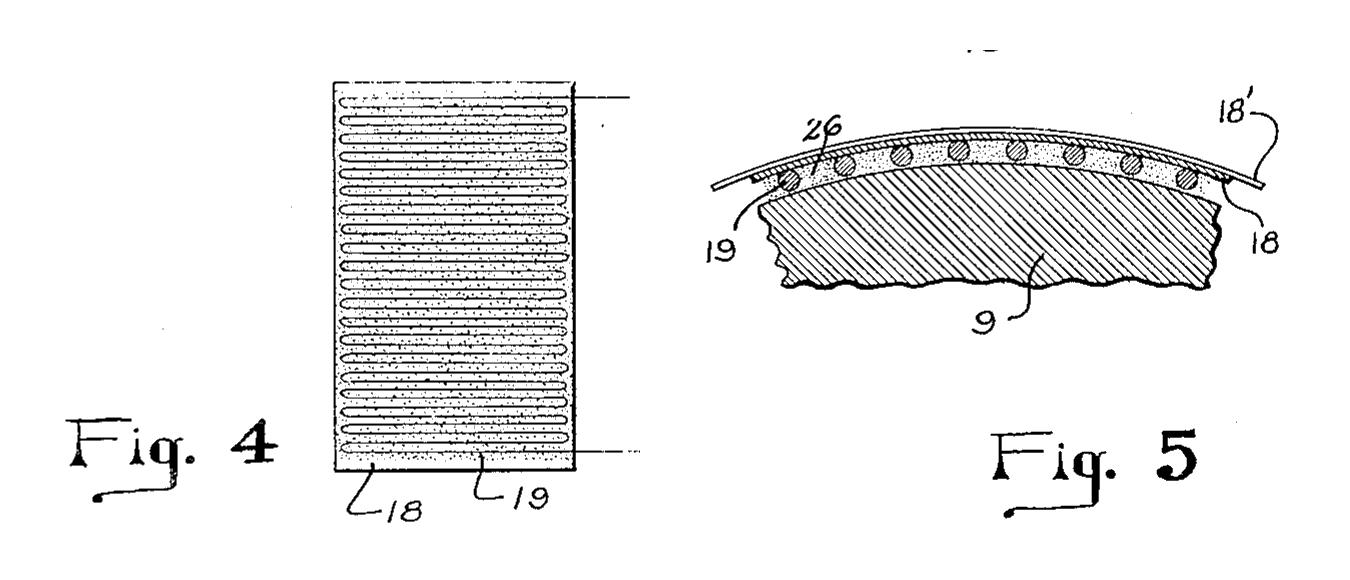


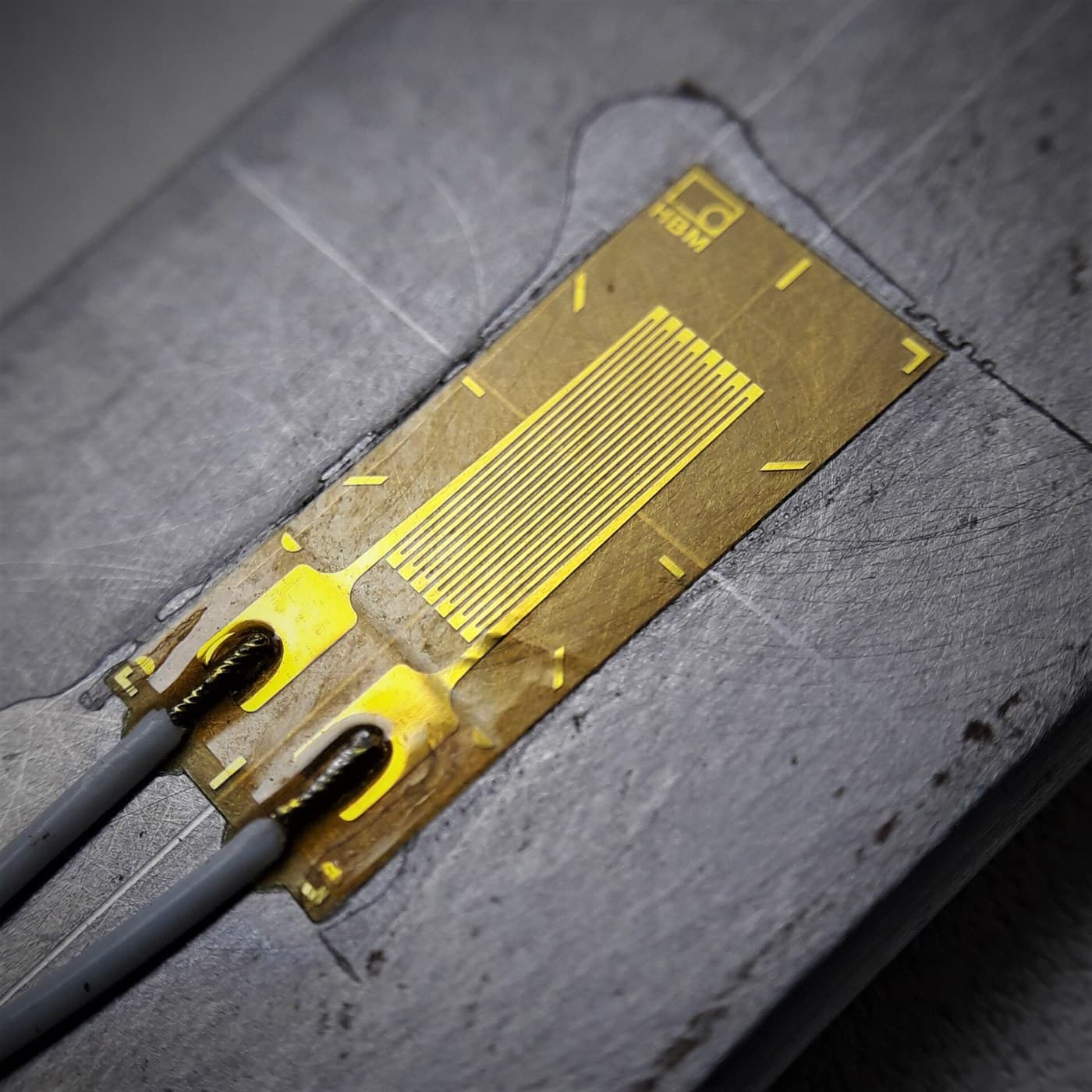
Bonded Wire Strain Gauge on Paper: Simmons, 1942
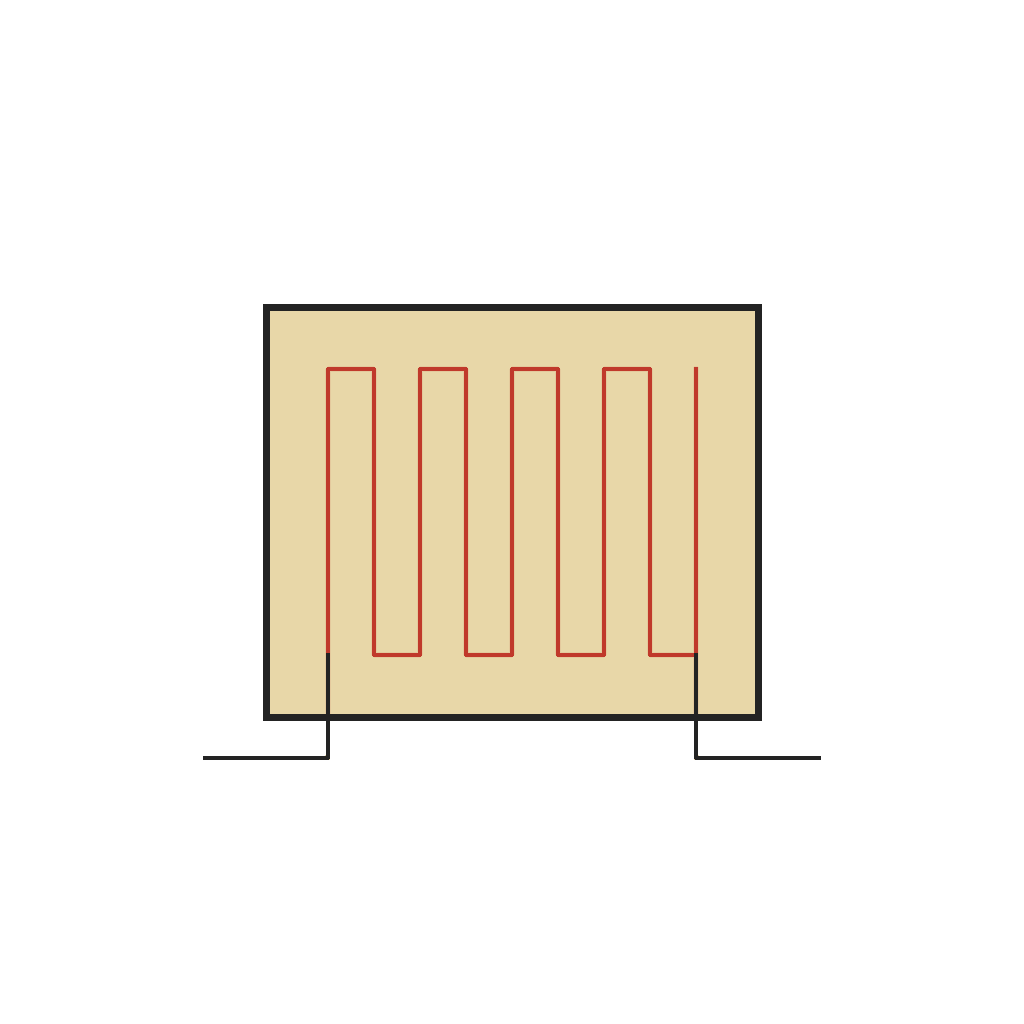
Edward E. Simmons, Jr. of Pasadena patented the bonded wire strain gauge in 1942, US 2,292,549 (filed 1940). A very fine resistance wire is cemented to a member along its entire length, so it stretches and shortens exactly with the surface and its electrical resistance follows the strain. His preferred form: Constantan or Advance wire, about 0.003 inch, wound back and forth on a thin paper, set in Glyptal, then cemented to the member and calibrated.
Hejuru
Workshop process
Amabwiriza
1
1
Wind the filament on thin paper
Wind the filament on thin paper
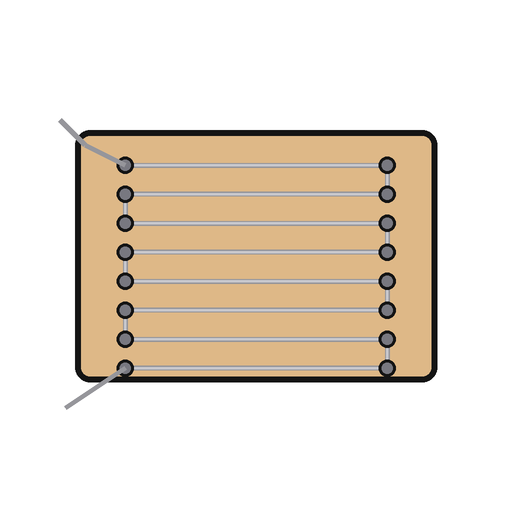
Use a fine resistance wire such as Constantan or Advance (a copper-nickel alloy, about 45 % nickel and 55 % copper); Simmons used No. 40 gauge, about 0.0031 inch. Wind it back and forth across a thin paper in parallel lengths whose alternate ends are joined, the strands very close together but not touching. A winding jig keeps the filament slightly taut.
Ibikoresho by'iyi ntambwe:
 Insinga ya konsitantani1 as required
 Impapuro1 urupapuro
Ibikoresho bikenewe:
 Igikoresho cyo kuzinga insinga
 Umukasi
2
2
Set it in Glyptal
Set it in Glyptal
Cover the wound filament with Glyptal and let it dry and harden thoroughly. Filament and paper now form one gauge unit, the filament lying in the plane of the paper surface.
Ibikoresho by'iyi ntambwe:
 Resine ya alukide Glyptal1 as required
Ibikoresho bikenewe:
 Ipinseli nto
 Ifuru yo kumishaho
3
3
Cement it to the member
Cement it to the member
Put Glyptal on the surface of the member and wrap the gauge unit on with the strands running in the direction of the strain to be measured, the paper outside. The small amount of Glyptal on the surface insulates the filament from the member. Hold filament and paper in place by wrapping them with thread, then dry and harden the Glyptal thoroughly.
Ibikoresho by'iyi ntambwe:
Resine ya alukide Glyptal1 as required Ubudodo bw'Ipamba1 as required
Ibikoresho bikenewe:
Ipinseli ntoIfuru yo kumishahoUmukasi4
4
Calibrate it
Calibrate it
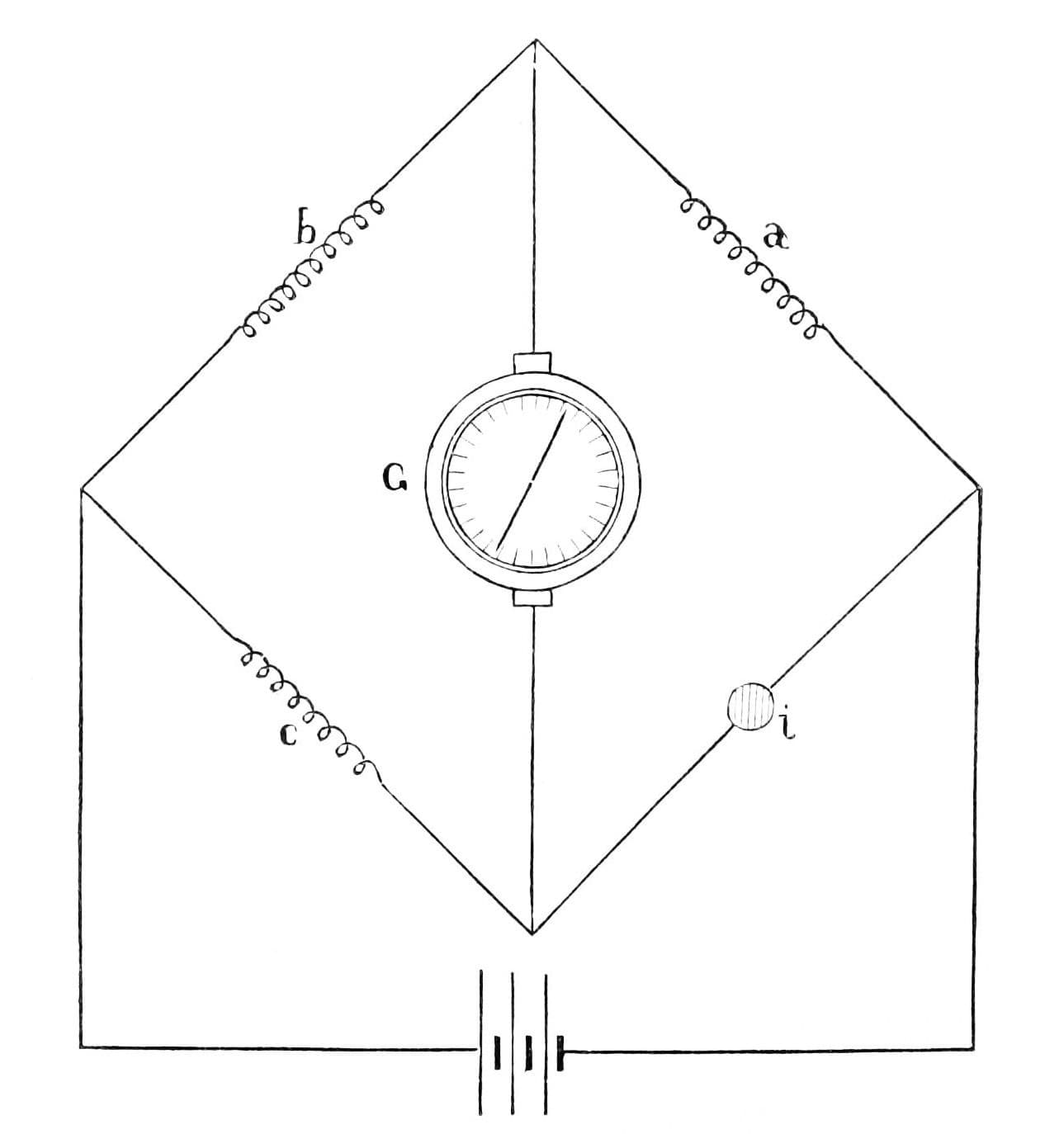
Load the member progressively in a materials testing machine and note the change in the filament's resistance at each load, measured on a Wheatstone bridge in which the filament is one arm. For very fast loads, as in impact tests, an oscillograph takes the place of the galvanometer.
Ibikoresho bikenewe:
 Imashini isuzuma ibikoresho
 Ikiraro cya Wheatstone
 Galvanometero ya analogi
5
5
Bonding area and signal size
Bonding area and signal size
Gupakira ikaye ya Jupyter…
Ibikoresho
4- 1 as requiredUmwanya
- 1 urupapuroUmwanya
- 1 as requiredUmwanya
- 1 as requiredUmwanya
Ibikoresho bikenewe
7- Umwanya
- Umwanya
- Umwanya
- Umwanya
- Umwanya
- Umwanya
Iki gishushanyo gikora
Blueprint zijyanye
Izi blueprint zisangira ubumenyi — uburyo, ibikoresho cyangwa amahame

CC0 Umurenge rusange
Iyi blueprint yasohowe munsi ya CC0. Ushobora gukoporora, guhindura, gukwirakwiza no gukoresha nta kwemererwa.
Shyigikira Umuremyi ugura ibicuruzwa binyuze muri Blueprint ye Komisiyo y'Umuremyi byashyizweho n'Abacuruzi, cyangwa kora verisiyo nshya y'iyi Blueprint ukayinjiza nk'isano muri Blueprint yawe kugira ngo musangire inyungu.