
UBUHANZI
UBWIZA N'UBUZIMA
UBUKORIKORI
UMUCO N'AMATEKA
IMYIDAGADURO
IBIDUKIKIJE
IBIRIBWA N'IBINYOBWA
UBWUBATSI BUSUBIRA INYUMA
UBUMENYI
SIPORO
IKORANABUHANGA
IBYAMBARWA
Brandy: Wine Distilled with a Little of Its Lees, the French Way (Byrn, 1868)
Alchometer

Yaremwe na

Alchometer

18. Ugushyingo 2026GB
5
0
0
0
0

Brandy: Wine Distilled with a Little of Its Lees, the French Way (Byrn, 1868)

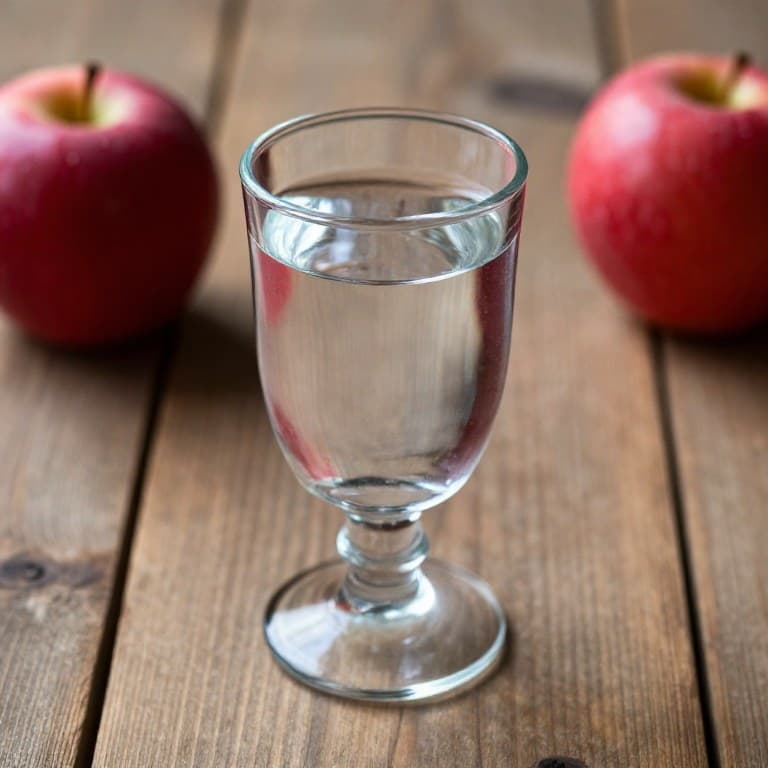
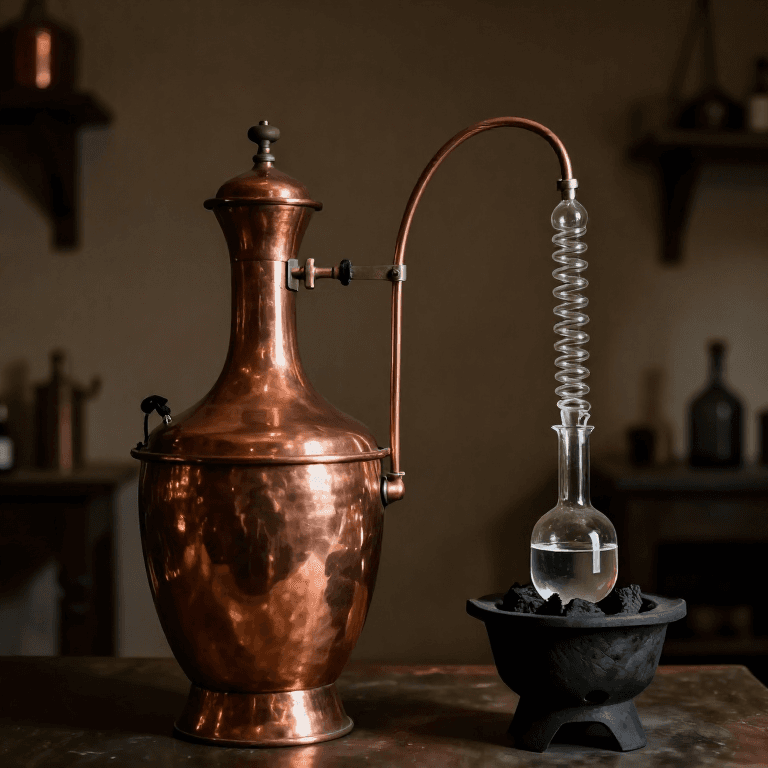
Brandy as M. La Fayette Byrn describes the French process in The Complete Practical Distiller (1868): wine distilled in a pot still with a little of its own lees thrown in for flavour, run to low wines, doubled, cut when the bead falls and brought to proof, the feints saved for redistilling. Distilling spirits without a licence is illegal in many countries: check your law first.
Hejuru
About a week

Amabwiriza

1

Read Byrn, and the law

"This process differs in nothing from the ordinary process practiced in England and this country ... The French only observe, more particularly, to throw a little of the natural lees into the still along with the wine." (p. 93.) Ours: distilling spirits without a licence is illegal in many countries, Norway and the United States among them. Check your law first.
2

The still

A pot still with a worm in a tub of cold water.
3

Choose the wine

Use plain, weak wine: "the weakest and lowest flavoured wines only are drawn for their spirit", and wines turned sour are "condemned to the still" too (p. 94).

Ibikoresho by'iyi ntambwe:

DivayiDivayi1 as required

Ibikoresho bikenewe:

Igitebo cy'igitiIgitebo cy'igiti
4

Keep some of the lees

Keep back a little of the wine's natural lees: the French throw it into the still with the wine, for flavour.

Ibikoresho by'iyi ntambwe:

Ibisigazwa bya divayiIbisigazwa bya divayi1 as required

Ibikoresho bikenewe:
Icyombo cyo gupimaIcyombo cyo gupima
5

Charge and lute the still

Charge the still with the wine and the little lees. Lute the joints of body and head with a paste of half whiting and half rye meal. Keep a piece of paste in reserve.

Ibikoresho by'iyi ntambwe:

Kaboneti ya kalisiyumu (ifu y'umweru)Kaboneti ya kalisiyumu (ifu y'umweru)1 as required

Ifu ya seyigaleIfu ya seyigale1 as required
AmaziAmazi1 as required

Ibikoresho bikenewe:
Icyuma gitunganya inzogaIcyuma gitunganya inzoga
6

Raise the fire by degrees

Start a moderate fire and increase it by degrees, feeling the body of the still with your hand. When the still-head grows hot, damp the fire. Keep candles and flames away from the spirit; have a wet woollen blanket ready.

Ibikoresho bikenewe:

Icyuma gitunganya inzogaIcyuma gitunganya inzoga

Woven Wool BlanketWoven Wool Blanket
7

Set aside the first runnings

Ours, not Byrn's: collect the first small portion that runs from the worm separately and do not drink it; the first runnings can carry methanol.

Ibikoresho bikenewe:

Icyombo cyo gupimaIcyombo cyo gupima
8

Run the low wines

Distil as long as a little of what runs, thrown on the hot still-head, will take fire from a lighted paper or candle. This is the low wines, the first extraction.

Ibikoresho bikenewe:

Icyuma gitunganya inzogaIcyuma gitunganya inzoga
BujiBuji
Igitebo cy'igitiIgitebo cy'igiti
9

Double the low wines

Keep the low wines of about three distillations; they fill the still for the doubling, the second extraction. Distil them again the same way.

Ibikoresho bikenewe:

Icyuma gitunganya inzogaIcyuma gitunganya inzoga
10

Cut at the bead

Keep trying the spirit in a glass phial. When the bead falls at once and does not stay on the surface, change the receiver: what follows is feints.

Ibikoresho bikenewe:

Agacupa k'ikirahure (gato, ku byitegererezo)Agacupa k'ikirahure (gato, ku byitegererezo)
Icyombo cyo gupimaIcyombo cyo gupima
11

Collect the feints, stop the fire

Go on collecting the feints as long as they burn on the still-head. When they no longer burn, put out the fire and pour the feints into a cask of their own.

Ibikoresho bikenewe:

Igitebo cy'igitiIgitebo cy'igiti
BujiBuji
12

Bring to proof

Lower the spirit with water to proof by the hydrometer.

Ibikoresho by'iyi ntambwe:

AmaziAmazi1 as required

Ibikoresho bikenewe:

Igipima ubwuzuzanye bw'amaziIgipima ubwuzuzanye bw'amazi
Icyombo cyo gupimaIcyombo cyo gupima
13

Redistil the feints

When you have enough feints, charge the still with them almost to the top, add 4 lb (1.8 kg) of salt, and draw off as long as the spirit is strong enough.

Ibikoresho by'iyi ntambwe:

UmunyuUmunyu1.8 kg

Ibikoresho bikenewe:

Icyuma gitunganya inzogaIcyuma gitunganya inzoga
14

Keep it in glass

"When brandy is kept in vessels the pores of which will not admit of any transmission of the liquor, (as glass, for instance,) the brandy will improve." (p. 95.)

Ibikoresho by'iyi ntambwe:

Amacupa y'ikirahuri afite ibipfundikizoAmacupa y'ikirahuri afite ibipfundikizo1 igice

Ibikoresho bikenewe:

Icyombo cyo gupimaIcyombo cyo gupima
15

Troubleshooting

Brandy problems and fixes.

Flow

Loading...
16

History and honest limits

**M. La Fayette Byrn**, *The Complete Practical Distiller* (Philadelphia, 1868), p. 93-95. He names Cognac's wines as the best for distilling and says the colour of French brandy "being found to have been derived from the oak of the cask". He gives no quantities or strengths for brandy; the still steps are his general pot-still rules (pp. 12-15, 142, 163). Ours: the law note and setting aside the first runnings.

Ibikoresho

7

Ibikoresho bikenewe

7

Iki gishushanyo gikora

CC0 Umurenge rusange

Iyi blueprint yasohowe munsi ya CC0. Ushobora gukoporora, guhindura, gukwirakwiza no gukoresha nta kwemererwa.

Shyigikira Umuremyi ugura ibicuruzwa binyuze muri Blueprint ye Komisiyo y'Umuremyi byashyizweho n'Abacuruzi, cyangwa kora verisiyo nshya y'iyi Blueprint ukayinjiza nk'isano muri Blueprint yawe kugira ngo musangire inyungu.

Ibiganiro

(0)

Injira kugira ngo ujye mu biganiro

Gutegura ibitekerezo...