


Casting a Bronze Socketed Spearhead — Bivalve Mould Method
The socketed spearhead was a major advance over the flat tanged point — the hollow socket allowed the shaft to be inserted directly into the head, creating a stronger and more aerodynamic weapon. This design appeared across the Bronze Age world from approximately 2000 BCE and remained in use for over a thousand years.
Creating the socket requires a bivalve mould with a clay core inserted between the two stone halves. The core occupies the space where the socket will be, so when the bronze solidifies around it and the core is broken out, a hollow tube remains. This is one of the earliest examples of core-casting — a technique that later evolved into the lost-wax process for complex hollow sculptures.
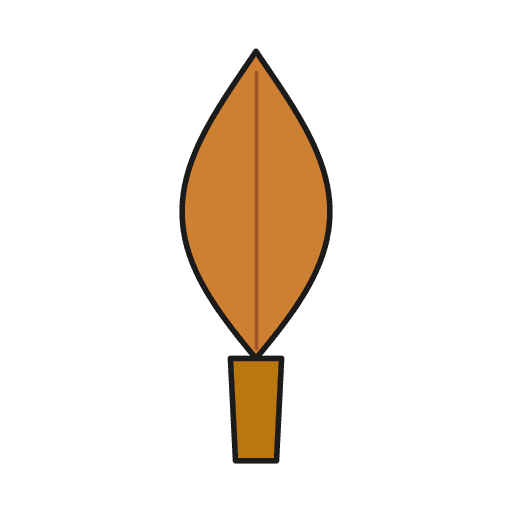
The leaf-shaped blade is cast with a raised midrib for rigidity, then the edges are cold-hammered and ground sharp. Two small holes at the socket base allow a pin or binding to lock the shaft in place.
Amabwiriza
Prepare the bivalve mould
Prepare the bivalve mould
Ibikoresho by'iyi ntambwe:
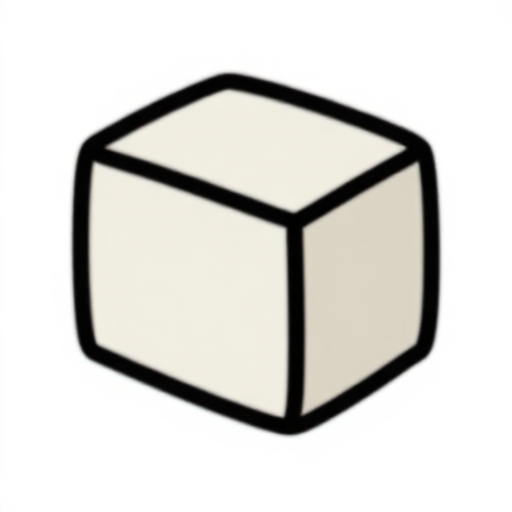 Igice cy'ibuye rya sabune2 ibice
Form the clay core for the socket
Form the clay core for the socket
Ibikoresho by'iyi ntambwe:
 Ibumba ryihanganira umuriro200 g
 Umusenyi Muto100 g
Assemble the mould with core
Assemble the mould with core
Ibikoresho by'iyi ntambwe:
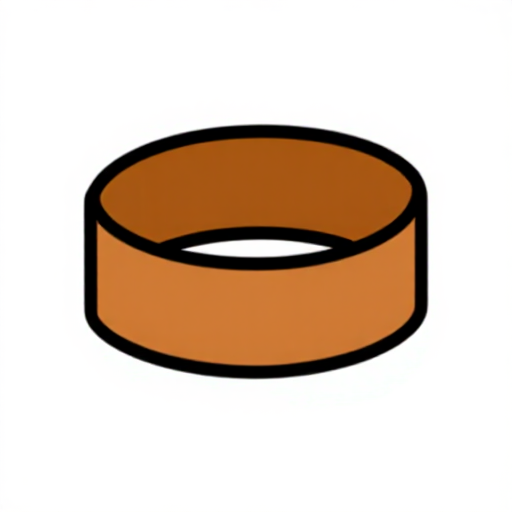 Uduce tw'uruhu rutasukuye1 m
Pre-heat the assembled mould
Pre-heat the assembled mould
Melt and pour the bronze
Melt and pour the bronze
Ibikoresho by'iyi ntambwe:
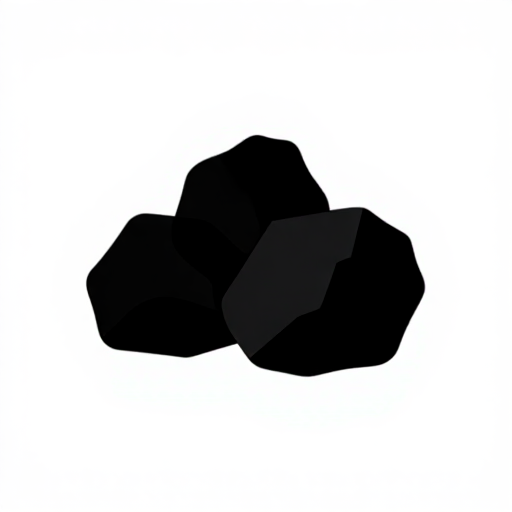 Amakara4 kg
Ibikoresho bikenewe:
 Amakoro y'Icyombo Gishongesha
Cool and separate the mould halves
Cool and separate the mould halves
Remove the clay core
Remove the clay core
Ibikoresho bikenewe:
 Ihembe ry'impala
Remove sprue and grind the parting line
Remove sprue and grind the parting line
Ibikoresho bikenewe:
 Ibuye ry'Umusenyi (Iryo Gusya)
Cold-hammer and sharpen the blade edges
Cold-hammer and sharpen the blade edges
Ibikoresho bikenewe:
 Ibuye ryo Gukubita
 Ikibaho cy'Ibuye Kirambuye
 Ibuye ryo gutyaza
Drill the rivet holes and haft
Drill the rivet holes and haft
Ibikoresho
6- 2 ibiceUmwanya
- Umwanya
- 100 gUmwanya
- Umwanya
- 4 kgUmwanya
- 1 igiceUmwanya
Ibikoresho bikenewe
6- Umwanya
- Umwanya
- Umwanya
- Umwanya
Ibikoresho by'Ibishushanyo Bifitanye Isano
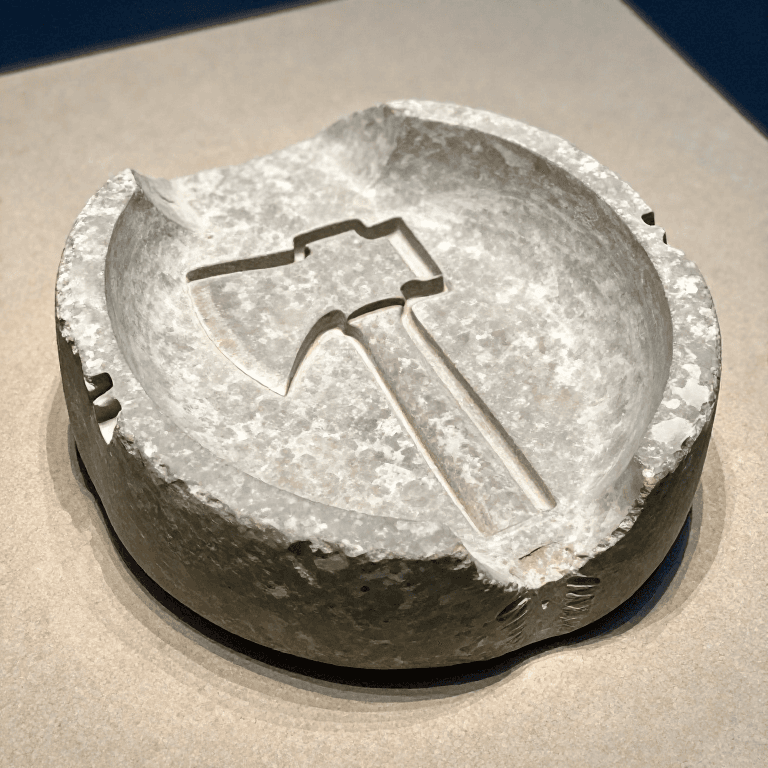
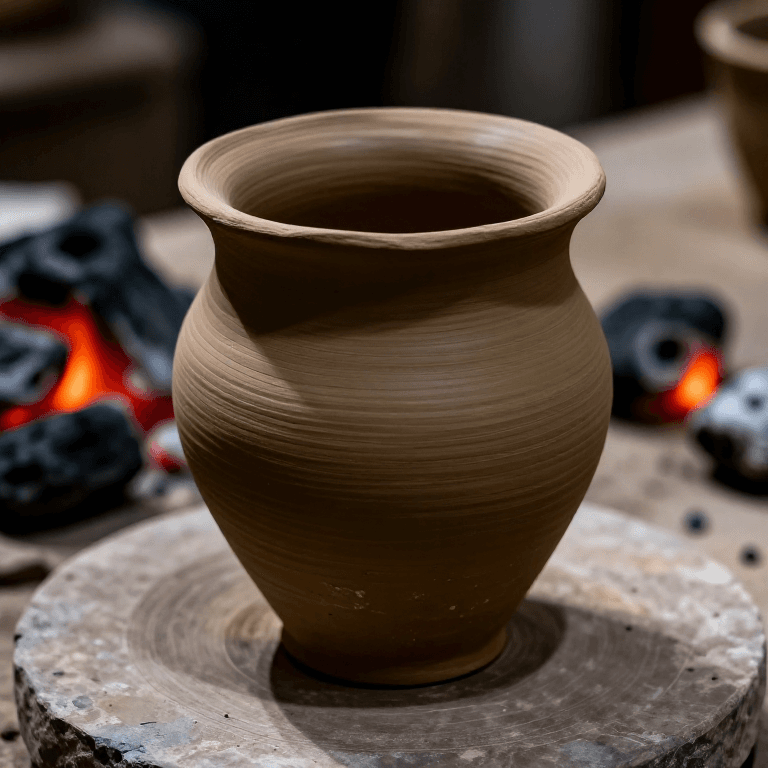
Iki gishushanyo gikora
Blueprint zijyanye
Izi blueprint zisangira ubumenyi — uburyo, ibikoresho cyangwa amahame
CC0 Umurenge rusange
Iyi blueprint yasohowe munsi ya CC0. Ushobora gukoporora, guhindura, gukwirakwiza no gukoresha nta kwemererwa.
Shyigikira Umuremyi ugura ibicuruzwa binyuze muri Blueprint ye Komisiyo y'Umuremyi byashyizweho n'Abacuruzi, cyangwa kora verisiyo nshya y'iyi Blueprint ukayinjiza nk'isano muri Blueprint yawe kugira ngo musangire inyungu.