
ការដកសរសៃសូត្រផ្កាឈូក — ពីដើមឈូកដល់អំបោហសូត្រ
Amabwiriza
ស្គាល់រុក្ខជាតិផ្កាឈូក
ស្គាល់រុក្ខជាតិផ្កាឈូក
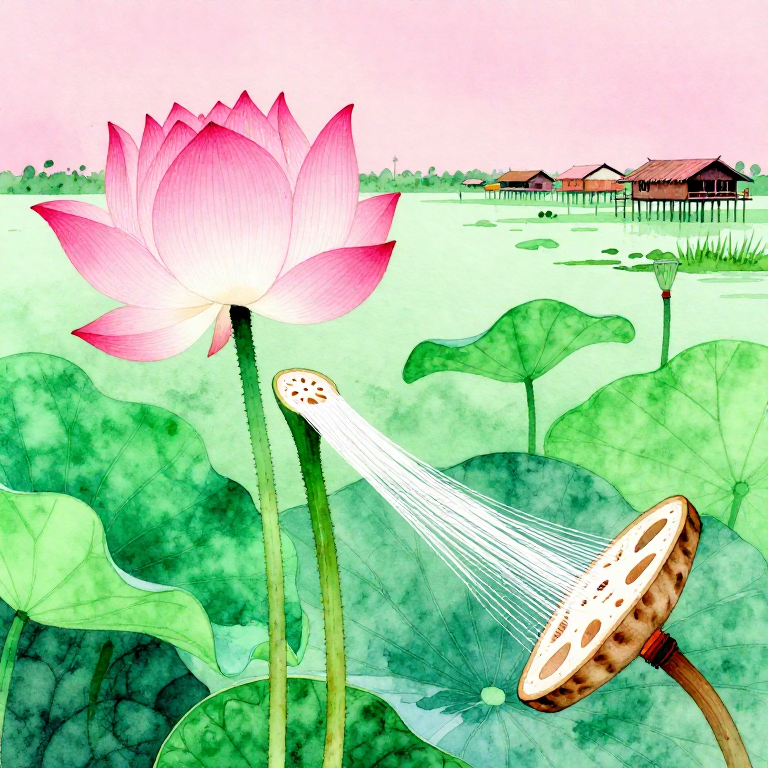
ផ្កាឈូក Nelumbo nucifera ជារុក្ខជាតិទឹកដែលដុហក្នុងបឹង និងអាងទឹកស្ងប់។ ដើមឈូកមានរាងវែង រឹង ហើយមានសរសៃតូចៗនៅខាងក្នុង។ សរសៃនេហស្តើងជាងសូត្រសំពត់ មានពណ៌សស្រាល។ ត្រូវការដើមឈូកប្រហែល ៤០៰០០០ ដើមដើម្បីត្បាញកន្សែងមួយ។
កំណត់រដូវកាលប្រមូលផល
កំណត់រដូវកាលប្រមូលផល
រដូវកាលប្រមូលផ្កាឈូកគឺចាប់ពីខែកក្កដាដល់ខែមករា។ ក្នុងរយៈពេលនេហ ដើមឈូកមានសរសៃល្អបំផុត។ ប្រមូលនៅពេលព្រឹកមុនម៉ោង ១០ ព្រោហសរសៃទន់ និងងាយទាញ។ បឹងទន្លេសាប តំបន់កំពង់ឆ្នាំង ជាប្រភពល្អបំផុត។
រៀបចំឧបករណ៍ចាំបាច់
រៀបចំឧបករណ៍ចាំបាច់
រៀបចំឧបករណ៍ទាំងអស់មុនចេញទៅប្រមូល។ ត្រូវការកាំបិតស្រួច ក្រណាត់សើម ឆ្នាំងទឹក និងទូកតូច។ សរសៃឈូកស្ងួតលឿនខ្លាំង ដូច្នេហត្រូវរក្សាវាសើមជានិច្ច។
Ibikoresho by'iyi ntambwe:
 Isahani y'amazi1 igice
Ibikoresho bikenewe:
 Ubwato buto bw'ibiti
 Igitambaro cy'ipamba gitose
ជ្រើសរើសដើមឈូកសមរម្យ
ជ្រើសរើសដើមឈូកសមរម្យ
ជ្រើសរើសដើមឈូកដែលមានអង្កត់ផ្ចិត០៸៨ ដល់ ១៸៥ សង់ទីម៉ែត្រ។ ដើមត្រូវមានពណ៌បៃតងចាស់ រឹង និងមិនខូច។ ដើមដែលមានផ្កាកំពុងរីកផ្តល់សរសៃទន់ល្អបំផុត។ ជៀសវាងដើមក្មេងពេក និងដើមចាស់ពេក។
Ibikoresho by'iyi ntambwe:
 Ibiti bishya bya lotus200 ibice
Ibikoresho bikenewe:
កាត់ដើមឈូក និងទាញសរសៃចេញ
កាត់ដើមឈូក និងទាញសរសៃចេញ
កាន់ដើមឈូកមួយ ហើយប្រើកាំបិតកាត់ជុំវិញដើម (មិនកាត់ឲ្យដាច់ស្រឡហ់) នៅចំងាយ ៣ ដល់ ៤ សង់ទីម៉ែត្រពីចុង។ ទាញផ្នែកខាងក្រោមយឺតៗចេញពីផ្នែកខាងលើ។ សរសៃស្តើងៗពណ៌សនឹងលេចចេញមកពីចំណុចកាត់។ ទាញយឺតៗ និងស្មើ ព្រោហបើទាញលឿនពេកសរសៃនឹងដាច់។
Ibikoresho bikenewe:
ប្រមូលសរសៃពីដើមឈូកជាច្រើន
ប្រមូលសរសៃពីដើមឈូកជាច្រើន
ធ្វើដំណើរការកាត់ និងទាញសរសៃម្តងហើយម្តងទៀតជាមួយដើមឈូកមួយៗ។ ដើមឈូកមួយផ្តល់សរសៃបានប្រហែល ២០ ដល់ ៣០ ខ្សែស្តើង។ ដាក់សរសៃដែលដកចេញភ្លាមនៅលើក្រណាត់សើម។ សរសៃដែលស្ងួតនឹងផុយ ហើយមិនអាចបន្ទាន់បាន។
Ibikoresho by'iyi ntambwe:
Ibiti bishya bya lotus200 ibiceIbikoresho bikenewe:
 Igitebo gifite igitambaro gitose
រមួលសរសៃលើភ្លៅ
រមួលសរសៃលើភ្លៅ
យកសរសៃស្តើងៗប្រហែល ៤ ដល់ ៦ ខ្សែមកដាក់រួមគ្នា។ ដាក់សរសៃនៅលើភ្លៅ ហើយរមួលដោយប្រើបាតដៃរមួលឆ្ពោហទៅមុខ។ នេហជាបច្ចេកទេសប្រពេណីខ្មែរ និងមីយ៉ាន់ម៉ា។ សរសៃនឹងបង្វិលចូលគ្នាជាខ្សែមួយតូច។
ភ្ជាប់សរសៃពន្លាយអំបោហបន្ត
ភ្ជាប់សរសៃពន្លាយអំបោហបន្ត
នៅពេលរមួលសរសៃ ត្រូវភ្ជាប់សរសៃថ្មីជាមួយសរសៃចាស់ដោយឲ្យចុងសរសៃពីរត្រួតគ្នាប្រហែល ២ ដល់ ៣ សង់ទីម៉ែត្រ។ រមួលបន្តលើភ្លៅ។ សរសៃសើមនឹងជាប់គ្នាដោយធម្មជាតិ។ ស្ត្រីខ្មែរដែលមានជំនាញអាចផលិតអំបោហបាន ២៥ ដល់ ៣០ ម៉ែត្រក្នុងមួយថ្ងៃ។
Ibikoresho by'iyi ntambwe:
វិលអំបោហលើខ្សិល
វិលអំបោហលើខ្សិល
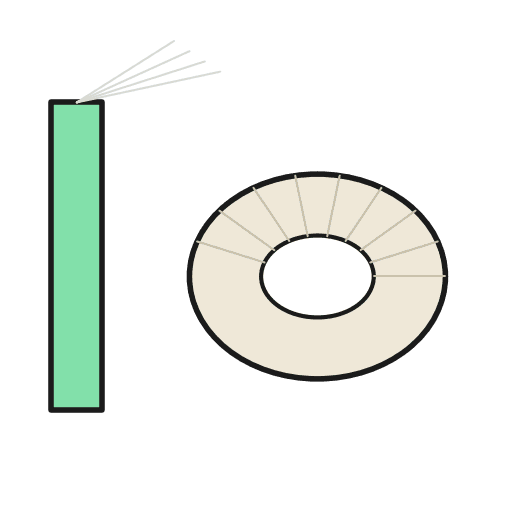
យកអំបោហដែលបានរមួលរួចមកវិលលើខ្សិល។ ខ្សិលជាដំបង់ឈើវែងតូចមួយ។ វិលអំបោហដោយស្មើៗរហូតដល់រឹងល្អ។ អំបោហសូត្រឈូកមានទំហំស្តើងជាងអំបោហសូត្រធម្មតា។ រក្សាកម្រិតសើមខណៈពេលវិល ដោយបាញ់ទឹកស្រាលៗពេលខ្សែចាប់ផ្តើមស្ងួត។
Ibikoresho bikenewe:
 Icyuma cyo kuzinga cyo mu ntoki
ពិនិត្យគុណភាពអំបោហ
ពិនិត្យគុណភាពអំបោហ
ពិនិត្យអំបោហសូត្រឈូកដោយមើលលើភាពស្មើ កម្រាស់ និងភាពរឹងមាំ។ ទាញអំបោហស្រាលៗដើម្បីសាកល្បងកម្លាំង។ អំបោហល្អមានពណ៌សស្រាល ទន់ និងមានភាពចែងចាំង។ បែងចែកអំបោហជាថ្នាក់៖ ថ្នាក់ ១ សម្រាប់ត្បាញក្រណាត់ ថ្នាក់ ២ សម្រាប់ធ្វើរបស់សិប្បកម្មផ្សេងៗ។
សម្ងួតអំបោហសូត្រឈូក
សម្ងួតអំបោហសូត្រឈូក
ព្យួរអំបោហដែលបានលាងរួចលើរានសម្ងួតឫស្សីនៅកន្លែងម្លប់ មានខ្យល់ចេញចូលល្អ។ កុំសម្ងួតក្រោមពន្លឺថ្ងៃផ្ទាល់ ព្រោះវានឹងធ្វើឱ្យសរសៃលឿង និងខ្សោយ។ រង់ចាំ ២៤ ដល់ ៤៨ ម៉ោងសម្រាប់សម្ងួតពេញលេញ អាស្រ័យលើសំណើម។ អំបោហដែលសម្ងួតល្អមានពណ៌សស្រាលធម្មជាតិ។
Ibikoresho bikenewe:
 Igitanda cy'umugano cyo kumisha
រក្សាទុកអំបោហសូត្រឈូកដែលបានរួចរាល់
រក្សាទុកអំបោហសូត្រឈូកដែលបានរួចរាល់
វិលអំបោហដែលបានថ្នាក់រួចជាដុំស្រាលៗសម្រាប់រក្សាទុក។ ដាក់អំបោហក្នុងថង់កប្បាសជាមួយកញ្ចប់ស៊ីលីកាជែលដើម្បីគ្រប់គ្រងសំណើម។ រក្សាទុកនៅកន្លែងត្រជាក់ងងឹត ឆ្ងាយពីពន្លឺថ្ងៃ។ អំបោហសូត្រឈូកស្រូបសំណើមពីខ្យល់ ដែលអាចបង្កផ្សិត។ រក្សាទុកបានរហូតដល់ ៦ ខែ។ អំបោហនេះត្រៀមខ្លួនសម្រាប់ដាក់លើម៉ាស៊ីនត្បាញក្រណាត់សូត្រឈូក។
Ibikoresho by'iyi ntambwe:
 Udufuka tw'ipamba two kubika2 ibice
 Utupfunyika twa silika jeli4 ibice
Ibikoresho
8- 1 igiceUmwanya
- 200 ibiceUmwanya
- Water Spray Bottle1 igice
- 2 ibiceUmwanya
- 4 ibiceUmwanya
- Damp Cotton Cloth2 ibice
- Cotton Storage Bag2 ibice
- Silica Gel Packet4 ibice
Ibikoresho bikenewe
8- Sharp Knife
- Umwanya
- Umwanya
- Umwanya
- Umwanya
Iki gishushanyo gikora
CC0 Umurenge rusange
Iyi blueprint yasohowe munsi ya CC0. Ushobora gukoporora, guhindura, gukwirakwiza no gukoresha nta kwemererwa.
Shyigikira Umuremyi ugura ibicuruzwa binyuze muri Blueprint ye Komisiyo y'Umuremyi byashyizweho n'Abacuruzi, cyangwa kora verisiyo nshya y'iyi Blueprint ukayinjiza nk'isano muri Blueprint yawe kugira ngo musangire inyungu.