UBUHANZI
UBWIZA N'UBUZIMA
UBUKORIKORI
UMUCO N'AMATEKA
IMYIDAGADURO
IBIDUKIKIJE
IBIRIBWA N'IBINYOBWA
UBWUBATSI BUSUBIRA INYUMA
UBUMENYI
SIPORO
IKORANABUHANGA
IBYAMBARWA
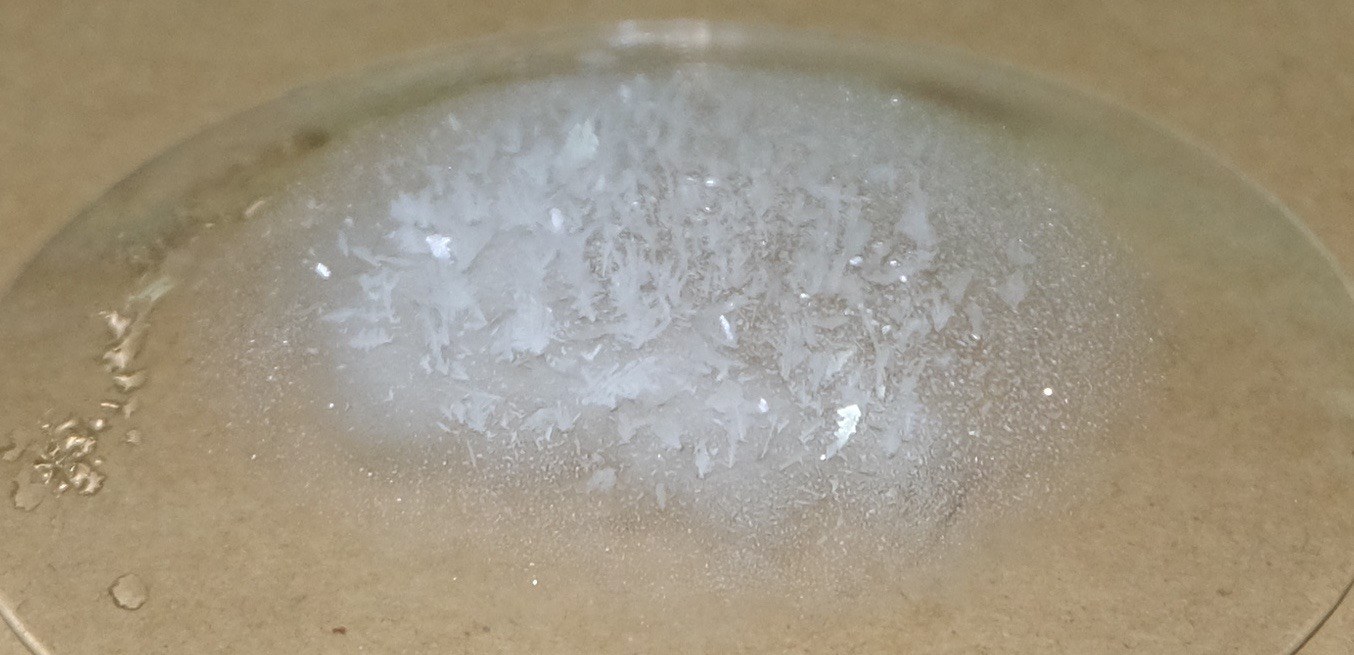


Crude Naphthalene from Light Creosote Oil: Warnes, 1913
How a coal-tar works made crude naphthalene, from Arthur R. Warnes's Coal Tar Distillation (1913). The naphthalene crystallises out of the light creosote oil (middle or carbolic oil) as it stands. It is melted, recrystallised and drained, sold as drained naphthalene, or pressed hard in bags as pressed naphthalene.
Hejuru
Works process
Amabwiriza
1
1
Salt out the oil
Salt out the oil
Use washed light creosote, quite free from tarry matter. Pump it into crystallising boilers and let it stand for several days, on average 3 to 5 depending on the time of year, while the naphthalene, the "salts", crystallises out. Then drain the separated oil away through the drain pipes.
Ibikoresho by'iyi ntambwe:
 Amavuta yoroheje ya kerewozote1 as required
Ibikoresho bikenewe:
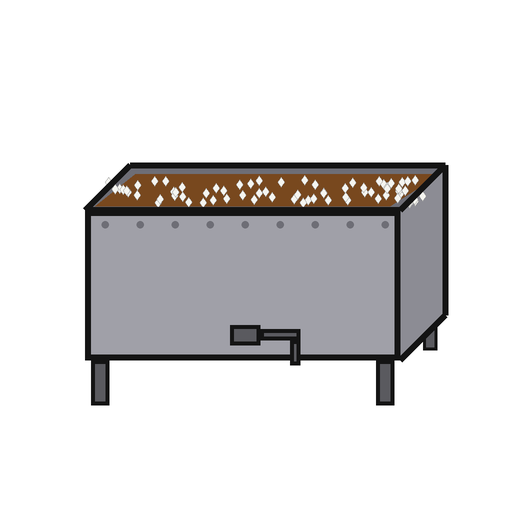 Ikigega cyo gukora kirisitali
 Pompe yo kwimura
2
2
Melt and recrystallise
Melt and recrystallise
Melt the crude naphthalene left in the boilers with closed steam. When it is all liquid and well above its crystallising point, pump it into the recrystallising tanks, and at once blow steam through the pipes so no liquid salts set solid in them. Let it cool and recrystallise from the oil carried over.
Ibikoresho bikenewe:
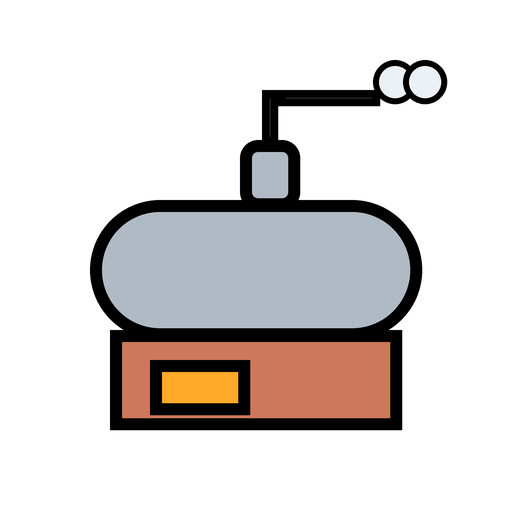 Inkono itanga umwuka w'amaziPompe yo kwimuraIkigega cyo gukora kirisitali
 Igipima Ubushyuhe
3
3
Drain it
Drain it
After two to four days open the drain taps and run off the oil that has separated. When the crude naphthalene has thoroughly drained, it can be packed in barrels as drained naphthalene.
Ibikoresho bikenewe:
Ikigega cyo gukora kirisitali Igitebo cy'igiti
4
4
Press it in bags
Press it in bags
For pressed naphthalene, fill press bags (sometimes ordinary sacking) with the recrystallised crude, about 9 by 18 by 3 inches, keeping them evenly thick. Lay them on the press table about 2 inches apart, cover with a wrought-iron plate about 1/4 inch thick, and build up layer on layer, each lying squarely over the one below. Raise the press gently, then slowly increase the pressure to 1 1/2 to 2 tons per square inch and hold about an hour.
Ibikoresho bikenewe:
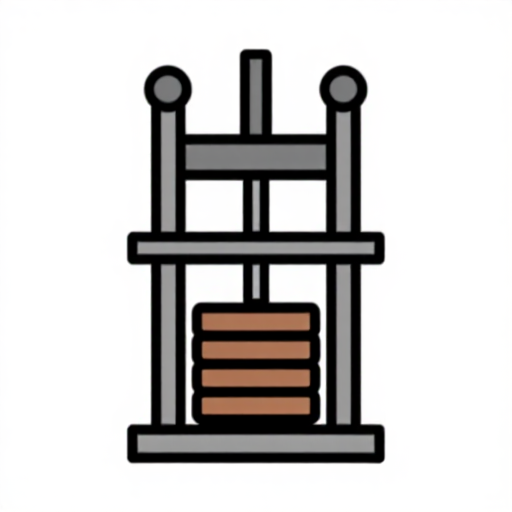 Imashini ikanda ikoresha amazi
 Urupapuro rw'icyuma
 Igitambaro cy'ibigunira
5
5
Trim and break up the cakes
Trim and break up the cakes
Release the pressure and take the cakes from the bags. Cut off any wet edges and press them again with the next batch. Break the cakes up in a disintegrator and pack them.
Ibikoresho bikenewe:
 Icyuma
 Imashini isya ibibumbe
6
6
The press load
The press load
Gupakira ikaye ya Jupyter…
Ibikoresho
1- 1 as requiredUmwanya
Ibikoresho bikenewe
10- Umwanya
- Umwanya
- Umwanya
- Umwanya
- Umwanya
- Umwanya
- Umwanya
- Umwanya
Iki gishushanyo gikora

Blueprint zijyanye
Izi blueprint zisangira ubumenyi — uburyo, ibikoresho cyangwa amahame


CC0 Umurenge rusange
Iyi blueprint yasohowe munsi ya CC0. Ushobora gukoporora, guhindura, gukwirakwiza no gukoresha nta kwemererwa.
Shyigikira Umuremyi ugura ibicuruzwa binyuze muri Blueprint ye Komisiyo y'Umuremyi byashyizweho n'Abacuruzi, cyangwa kora verisiyo nshya y'iyi Blueprint ukayinjiza nk'isano muri Blueprint yawe kugira ngo musangire inyungu.