Ubufatanye
UBUHANZI
UBWIZA N'UBUZIMA
UBUKORIKORI
UMUCO N'AMATEKA
IMYIDAGADURO
IBIDUKIKIJE
IBIRIBWA N'IBINYOBWA
UBWUBATSI BUSUBIRA INYUMA
UBUMENYI
SIPORO
IKORANABUHANGA
IBYAMBARWA
English


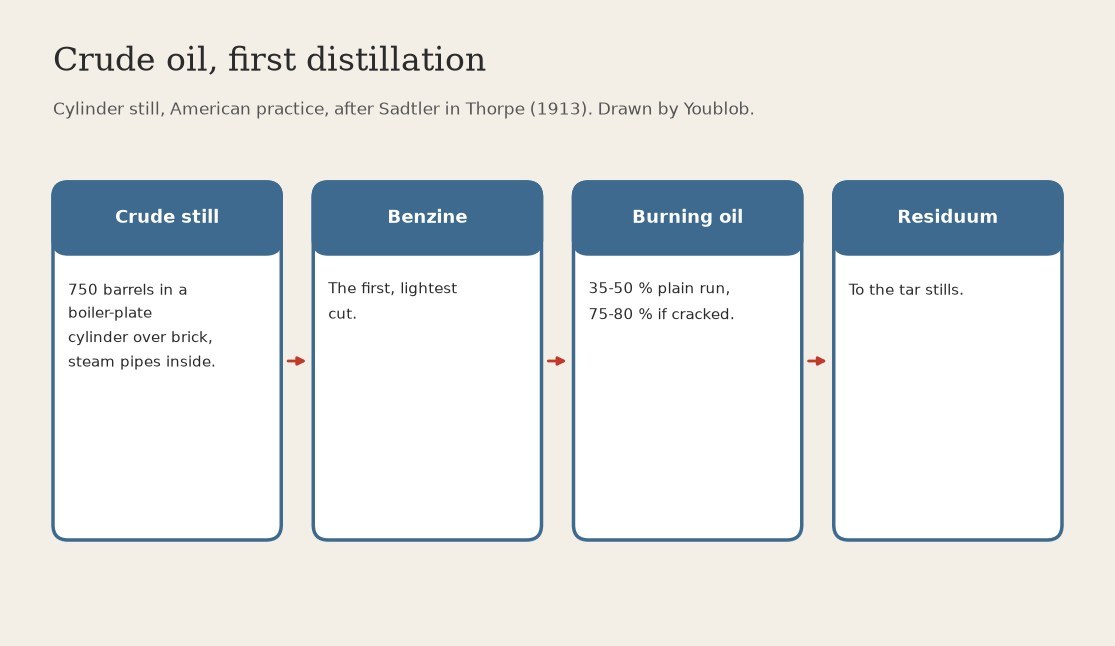
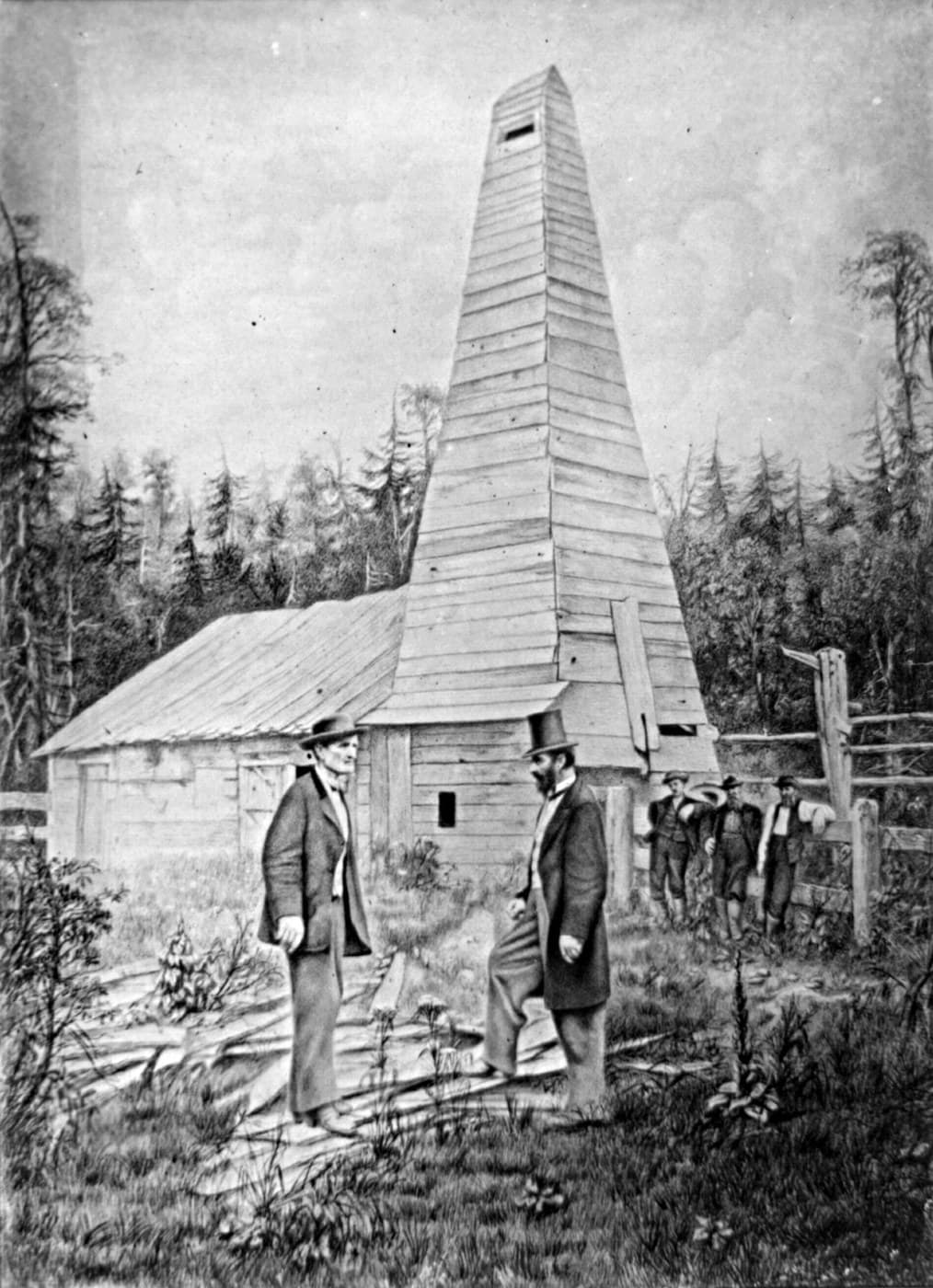
Crude Oil Distilled in a Cylinder Still: Benzine, Burning Oil and Residuum (Sadtler, in Thorpe 1913)
The first step of an American refinery around 1910: crude oil is boiled in a huge horizontal still and split into a light benzine cut, the burning oil that becomes kerosene, and a heavy residuum for the tar stills.
Variable: how hard you run the end of the distillation. Run as a plain fractional distillation, Pennsylvania crude gives 35 to 50 % burning oil and 20 to 30 % lubricating oils. Let the heavy vapours fall back on the hot oil and they crack: burning oil rises to 75 to 80 % and the residuum drops to 6 %.
Source: Sadtler, American Petroleum, in Thorpe's Dictionary of Applied Chemistry, vol. 4 (1913). Not given: the temperature or gravity at which each cut is switched. Crude oil vapour is highly flammable. Picture drawn by Youblob.
Hejuru
2 days
Amabwiriza
1
1
Charge 750 barrels into the cylinder still
Charge 750 barrels into the cylinder still
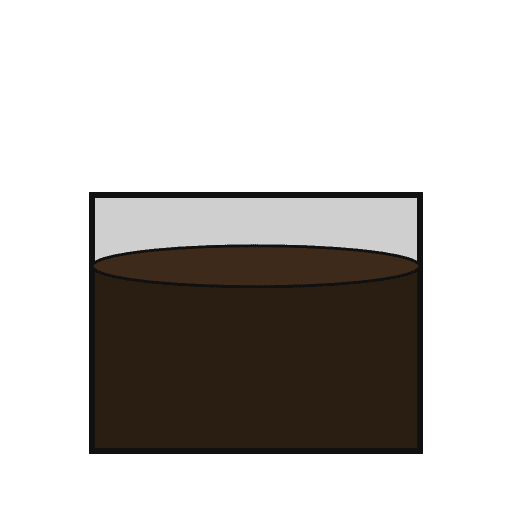
The still is a boiler-plate cylinder, its lower half usually steel, 30 ft long and 12 ft 6 in across, lying in a brick furnace with its upper half open to the air. Charge it with crude oil: usually 750 barrels, often 1000. It carries closed and perforated steam pipes.
Ibikoresho by'iyi ntambwe:
 Peteroli mbisi750 barrel
Ibikoresho bikenewe:
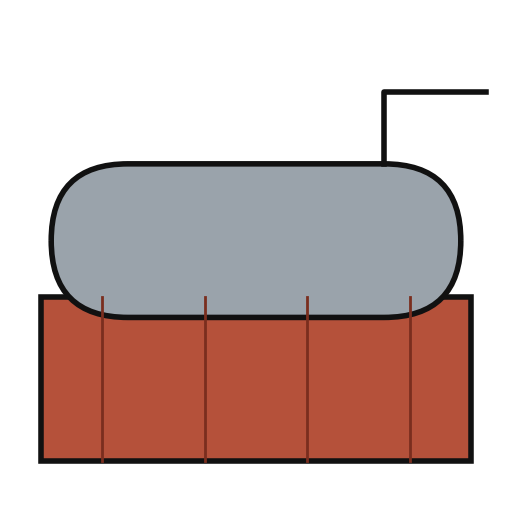 Inkono iyungurura ya silindiri itambitse
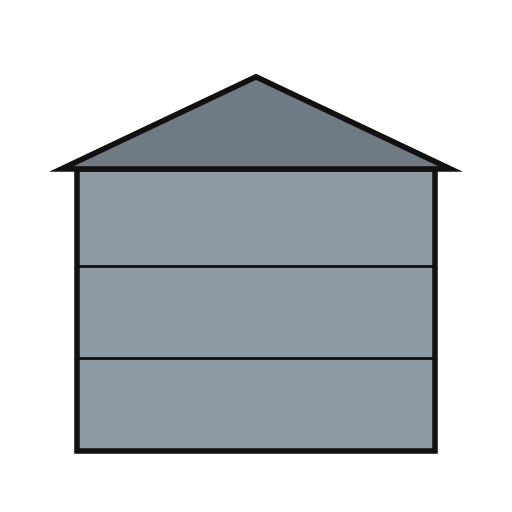 Ikigega cyo kubika peteroli
2
2
Fire it, blow steam, condense in water-cooled coils
Fire it, blow steam, condense in water-cooled coils
Fire the furnace. Steam jetting from the perforated pipe helps carry the oil vapours over. The vapours condense in long pipe coils standing in tanks of flowing water, and run to the receiving house. A trap near each pipe end carries off the gas that will not condense; it can be burned under the boilers or stills to save fuel.
Ibikoresho bikenewe:
Inkono iyungurura ya silindiri itambitse Inkono itanga umwuka w'amazi
 Umuzingo w'ikondanseri
 Amazi
3
3
Watch the run and switch receivers
Watch the run and switch receivers
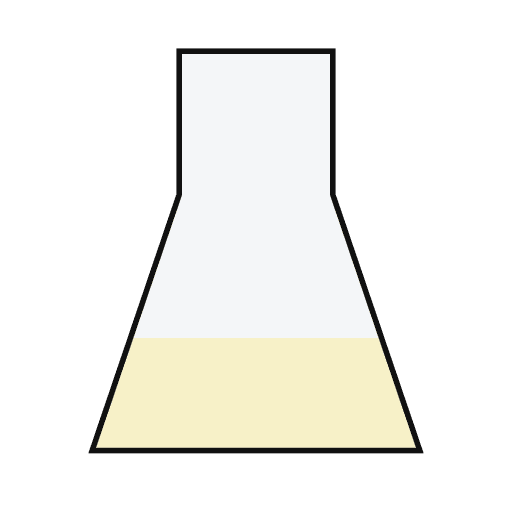
The condenser pipes end in boxes with plate-glass sides, so you can see each run and take test portions to control the process. First comes the benzine distillate, then the burning oil distillate. Sadtler gives no temperatures or gravities for the switch. Ours: check test portions with a hydrometer.
Ibikoresho bikenewe:
 Igipima ubwuzuzanye bw'amaziIkigega cyo kubika peteroli
4
4
Choose: plain run or cracking run
Choose: plain run or cracking run
Plain fractional distillation: 35 to 50 % burning oil and 20 to 30 % lubricating oils from Pennsylvania crude. Cracking: let the heavy vapours drop back on the hot oil, which the open upper half of the still helps late in the run; burning oil rises to 75 to 80 % and the residuum falls to 6 %.
Ibikoresho bikenewe:
Inkono iyungurura ya silindiri itambitse5
5
Send the residuum to the tar stills
Send the residuum to the tar stills
When the burning oil is off, run the fluid residuum out to the tar stills, of about 260 barrels, for the paraffin and lubricating oils. Benzine and burning oil go to their own tanks for refining.
Ibikoresho bikenewe:
Ikigega cyo kubika peteroliIbikoresho
1- 750 barrelUmwanya
Iki gishushanyo gikora
Blueprint zijyanye
Izi blueprint zisangira ubumenyi — uburyo, ibikoresho cyangwa amahame

CC0 Umurenge rusange
Iyi blueprint yasohowe munsi ya CC0. Ushobora gukoporora, guhindura, gukwirakwiza no gukoresha nta kwemererwa.
Shyigikira Umuremyi ugura ibicuruzwa binyuze muri Blueprint ye Komisiyo y'Umuremyi byashyizweho n'Abacuruzi, cyangwa kora verisiyo nshya y'iyi Blueprint ukayinjiza nk'isano muri Blueprint yawe kugira ngo musangire inyungu.