
Digital Spirit Level
Amabwiriza
Solder headers to the accelerometer and level converter
Solder headers to the accelerometer and level converter
Fit breakaway headers to both boards so they seat in the breadboard. Both are small-pitch parts — keep the iron brief so a pad does not lift.
Ibikoresho by'iyi ntambwe:
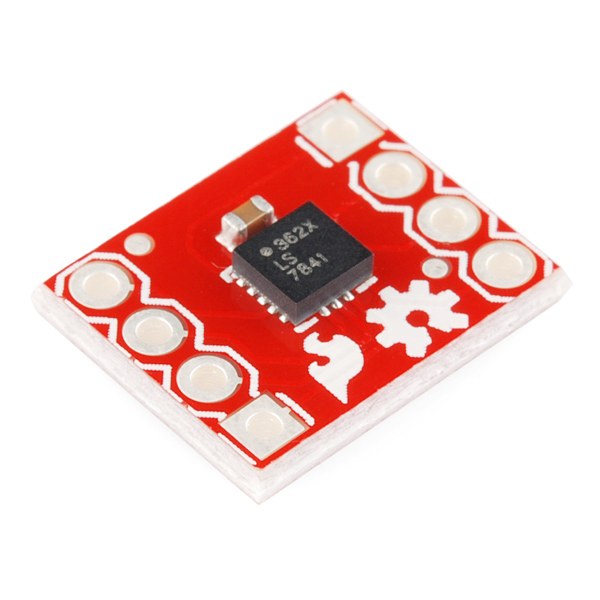
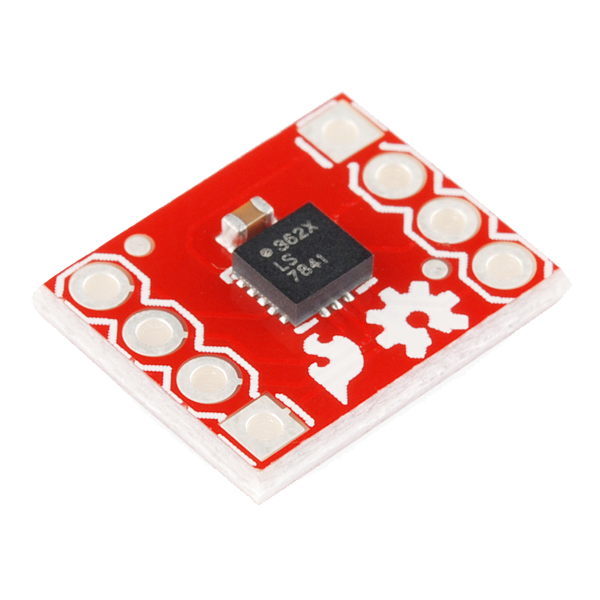 Triple Axis Accelerometer Breakout - ADXL3621 igice
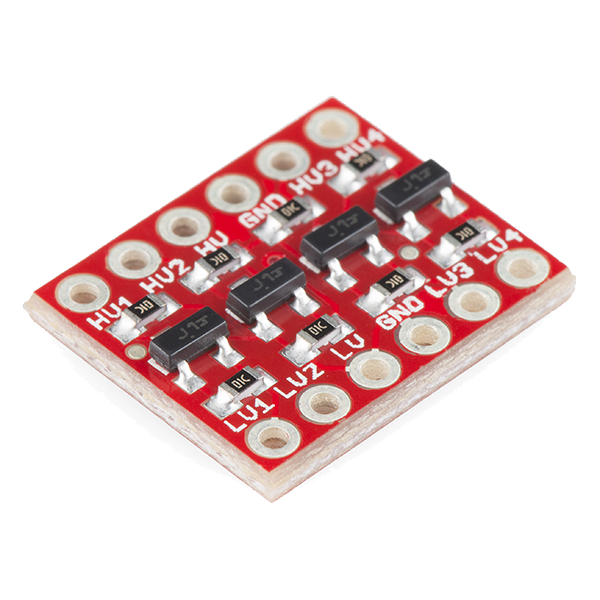 SparkFun Logic Level Converter - Bi-Directional1 igice
Ibikoresho bikenewe:
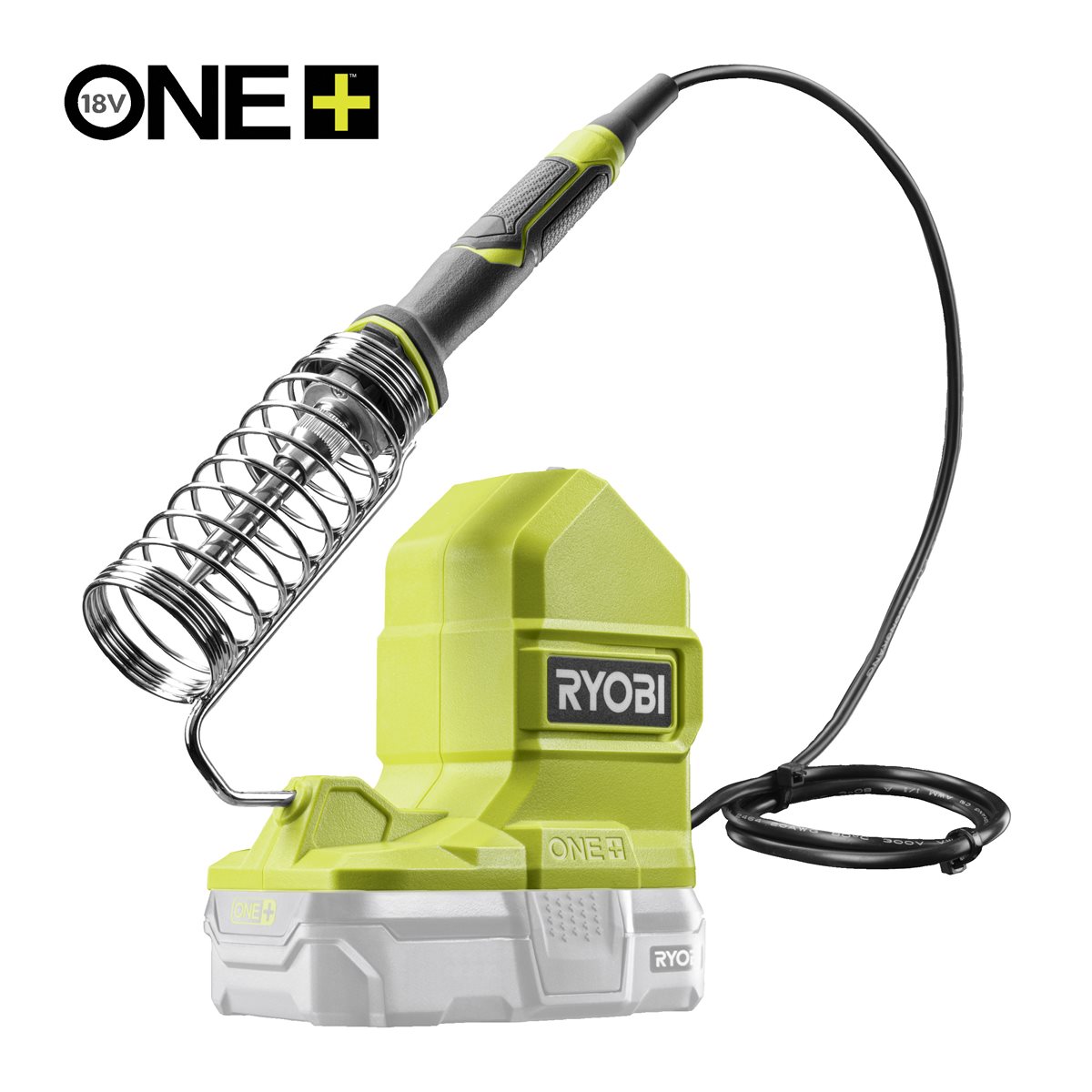 Ryobi ONE+ RSI18-0 Cordless Soldering Iron
Wire the accelerometer through the level converter — pin by pin
Wire the accelerometer through the level converter — pin by pin
The converter has a low-voltage side (LV) and a high-voltage side (HV). The accelerometer is on LV, the Arduino on HV.
- Converter LV → Arduino 3.3V; converter HV → Arduino 5V; both GND rails common.
- ADXL362 VIN → Arduino 3.3V, ADXL362 GND → GND.
- ADXL362 SCLK → LV1 · HV1 → Arduino D13
- ADXL362 MOSI → LV2 · HV2 → Arduino D11
- ADXL362 MISO → LV3 · HV3 → Arduino D12
- ADXL362 CS → LV4 · HV4 → Arduino D10
Ibikoresho by'iyi ntambwe:
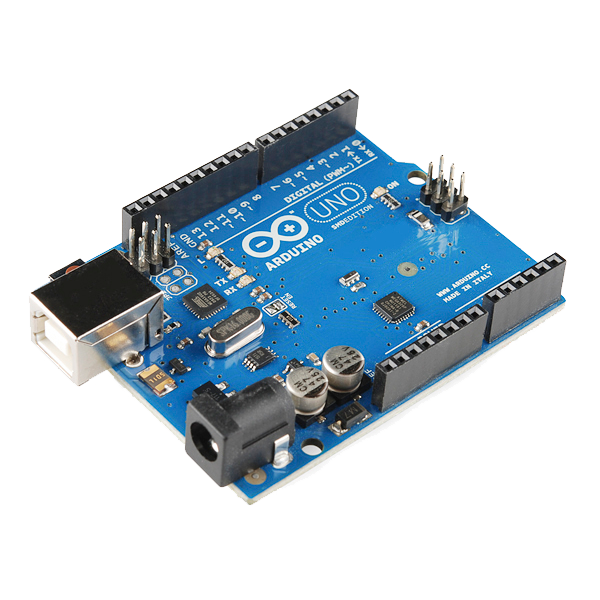 Arduino Uno R3 SMD1 igice
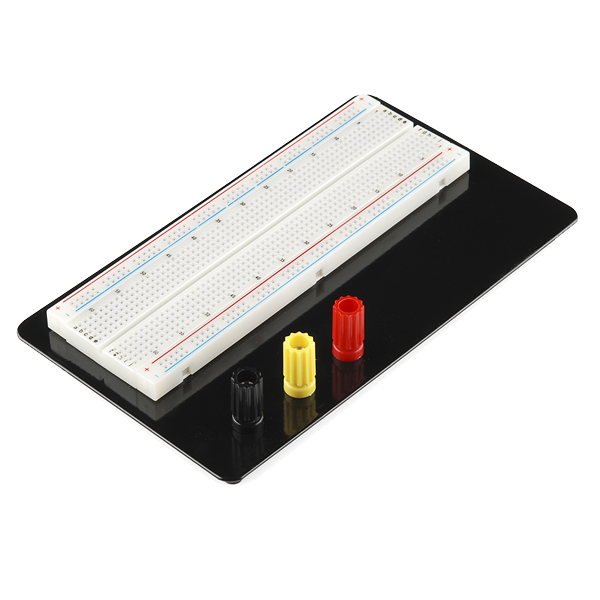 Breadboard - Classic1 igice
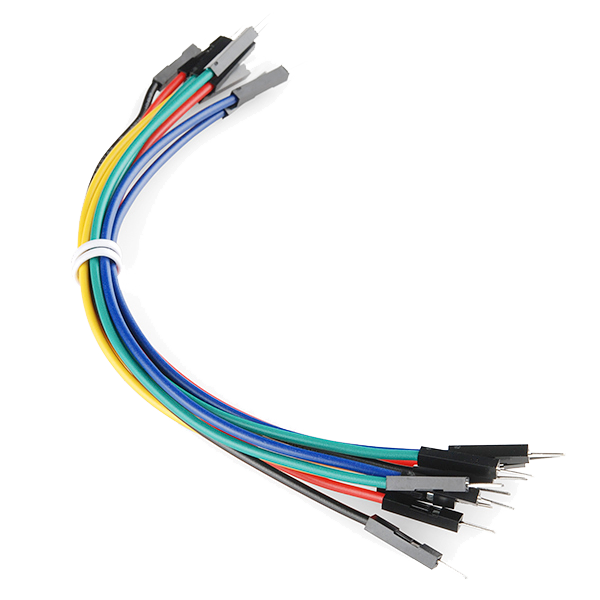 Jumper Wires Premium M/M 20 AWG - 15.5 cm (Pack of 10)1 agapaki
Wire the display and set its contrast
Wire the display and set its contrast
Wire the 16x2 display in 4-bit parallel mode. It is a 5 V part and connects straight to the Arduino — it does not go through the converter.
- LCD RS → D7, E → D6
- LCD D4 D5 D6 D7 → Arduino D5 D4 D3 D2
- LCD RW → GND, VSS → GND, VDD → 5V
- A 10 kΩ potentiometer across 5V and GND, wiper → LCD V0
Ibikoresho by'iyi ntambwe:
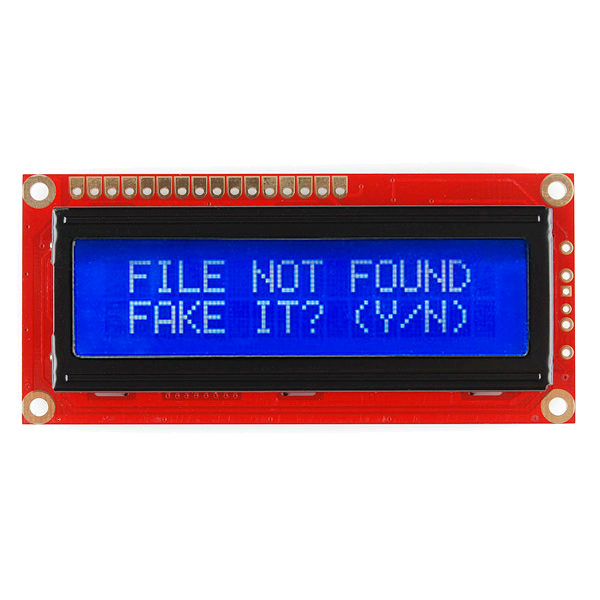 Basic 16x2 Character LCD - 5V1 igice
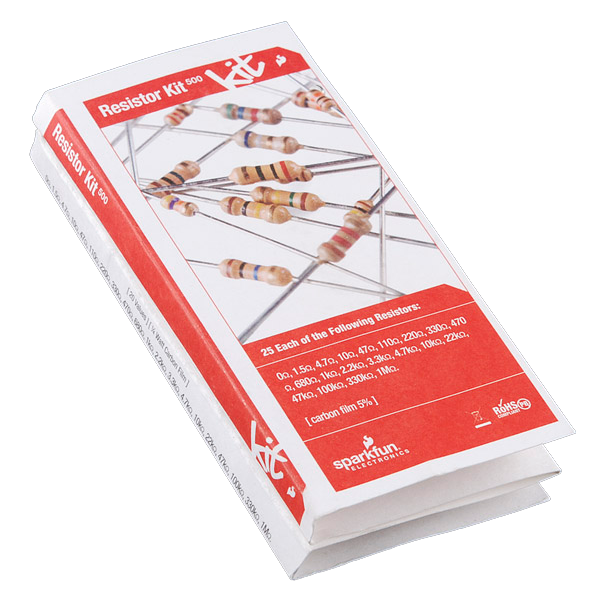 Resistor Kit - 1/4W (500 total)1 ibikoresho
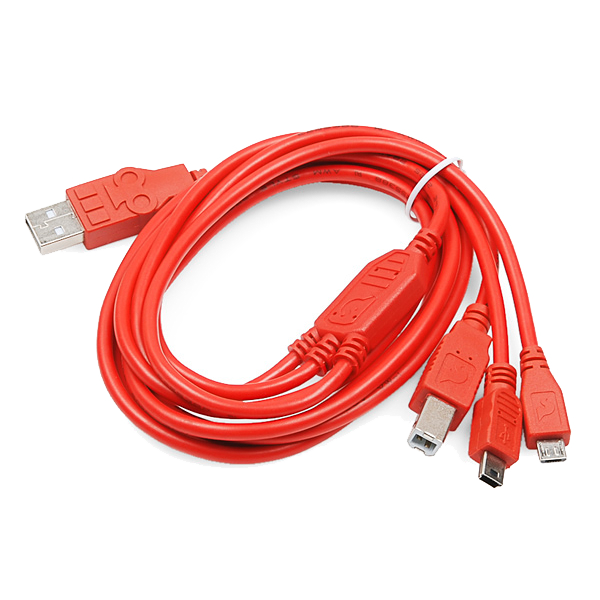 USB-B Cable1 igice
Upload the level sketch
Upload the level sketch
Talks to the ADXL362 over raw SPI so every register write is visible rather than hidden in a library. SPI and LiquidCrystal ship with the IDE.
Zero it, then prove it with the reversal test
Zero it, then prove it with the reversal test
Lay the board on a surface you are treating as flat. It zeroes itself at power-up, so it will read close to 0.0.
- Turn the board end for end on the same surface.
- A correctly zeroed level now reads the same magnitude with the opposite sign.
Ibikoresho
8- Triple Axis Accelerometer Breakout - ADXL36210% komisiyo1 igice$14.14
- SparkFun Logic Level Converter - Bi-Directional10% komisiyo1 igice$3.54
- Arduino Uno R3 SMD10% komisiyo1 igice$26.85
- Breadboard - Classic10% komisiyo1 igice$9.43
- 1 agapaki$4.97
- Basic 16x2 Character LCD - 5V10% komisiyo1 igice$14.14
- Resistor Kit - 1/4W (500 total)10% komisiyo1 ibikoresho$7.49
- SparkFun Cerberus USB Cable - 1.8 meter10% komisiyo1 igice$5.64
Ibikoresho bikenewe
1- Ryobi ONE+ RSI18-0 Cordless Soldering Iron3% komisiyo$92.47
CC0 Umurenge rusange
Iyi blueprint yasohowe munsi ya CC0. Ushobora gukoporora, guhindura, gukwirakwiza no gukoresha nta kwemererwa.
Shyigikira Umuremyi ugura ibicuruzwa binyuze muri Blueprint ye Komisiyo y'Umuremyi byashyizweho n'Abacuruzi, cyangwa kora verisiyo nshya y'iyi Blueprint ukayinjiza nk'isano muri Blueprint yawe kugira ngo musangire inyungu.