UBUHANZI
UBWIZA N'UBUZIMA
UBUKORIKORI
UMUCO N'AMATEKA
IMYIDAGADURO
IBIDUKIKIJE
IBIRIBWA N'IBINYOBWA
UBWUBATSI BUSUBIRA INYUMA
UBUMENYI
SIPORO
IKORANABUHANGA
IBYAMBARWA
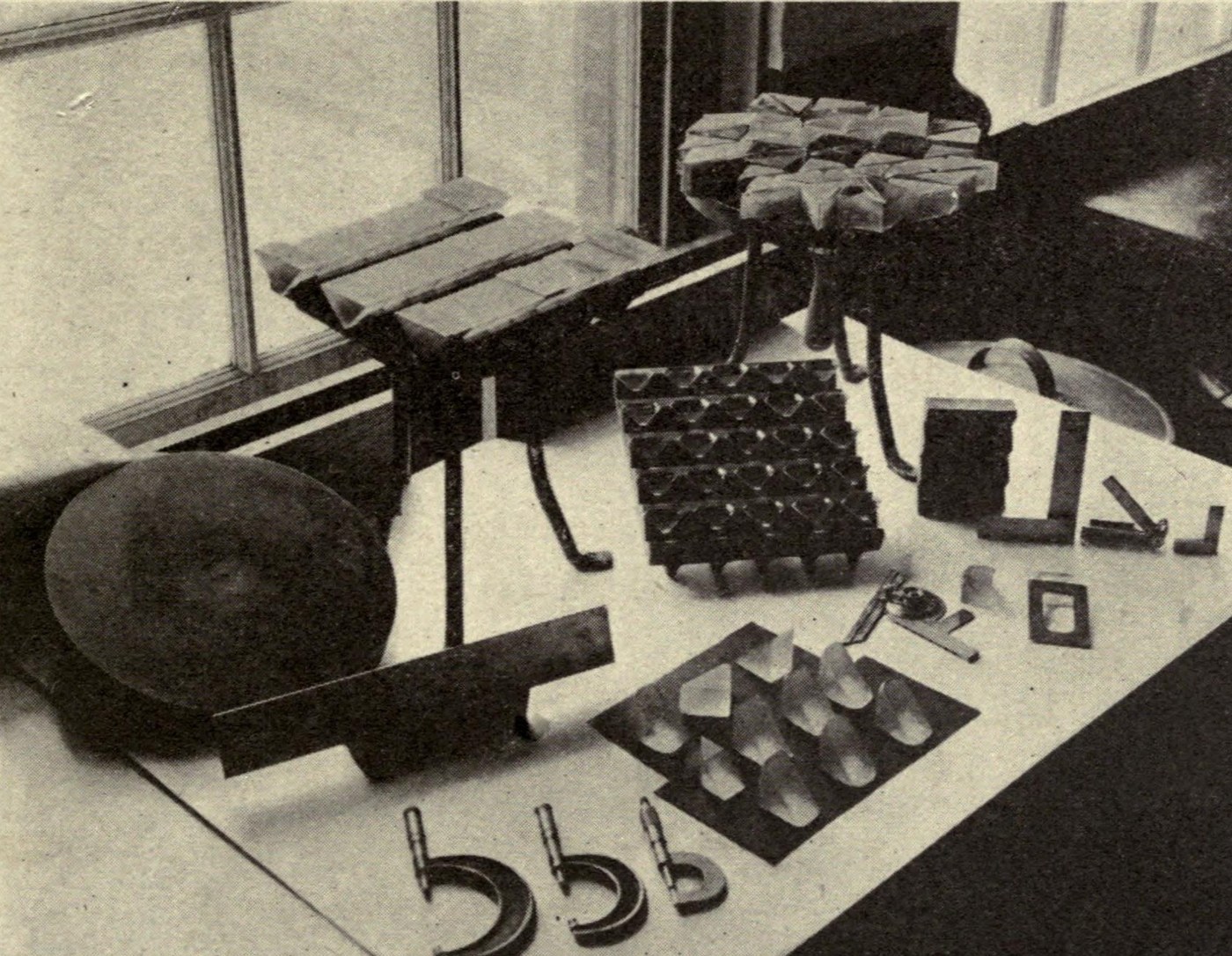


Equilateral Glass Prism: Sawn, Ground and Pitch-Polished
A prism splits white light into its colours, so its faces must be optically flat and its angles true. This is how the US arsenals ground prisms in 1918, as F. E. Wright recorded for the Ordnance Department in 1921: saw a blank from optical glass, rough-grind it on iron disks, set a batch of prisms in plaster, fine-grind, and polish on pitch with rouge. Wright's worked example is a right-angle prism; an equilateral prism has three 60° angles, made the same way.
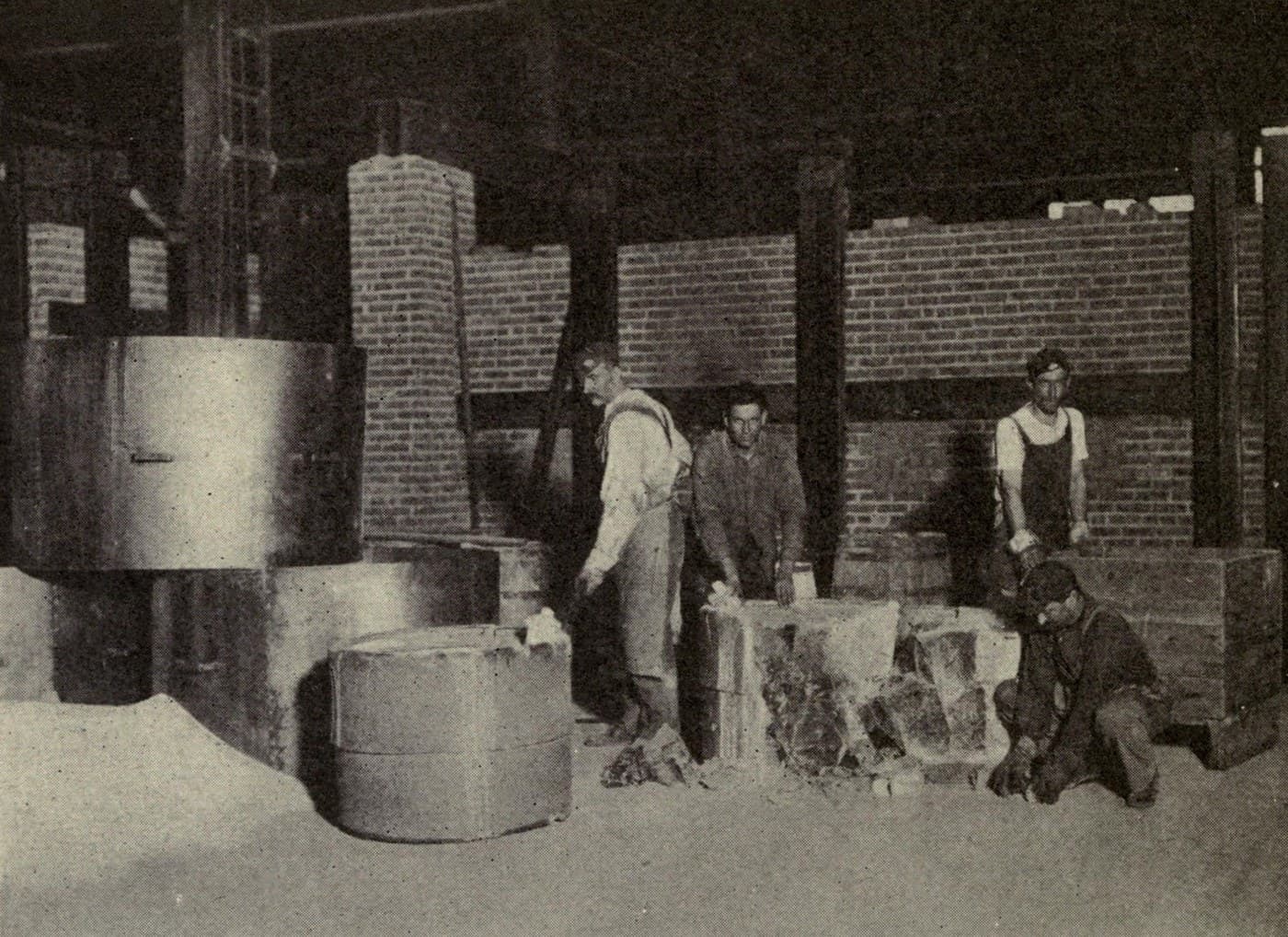
The picture: blocking prisms for rough grinding at Frankford Arsenal (Wright 1921, Fig. 77, public domain).
Hejuru
2-3 days
Amabwiriza
1
1
Saw out the blank
Saw out the blank
Saw a triangular blank from a block of optical glass with a diamond saw, using kerosene as lubricant. Leave several millimetres extra on each face for grinding.
Ibikoresho by'iyi ntambwe:
 Ikirahure cya Optike1 as required
Ibikoresho bikenewe:
 Umusumeno wa Diyama
 Peteroli
 Ikigereranyo cya Digitale cy'Amasentimetero 6
 Amadarubindi y'umutekano
2
2
Rough-grind the faces
Rough-grind the faces
Grind one triangular end flat on a rotating iron disk with 90 or 150 mesh grit. Then rough out the three side faces at right angles to it, checking the 60° angles with an angle gauge.
Ibikoresho bikenewe:
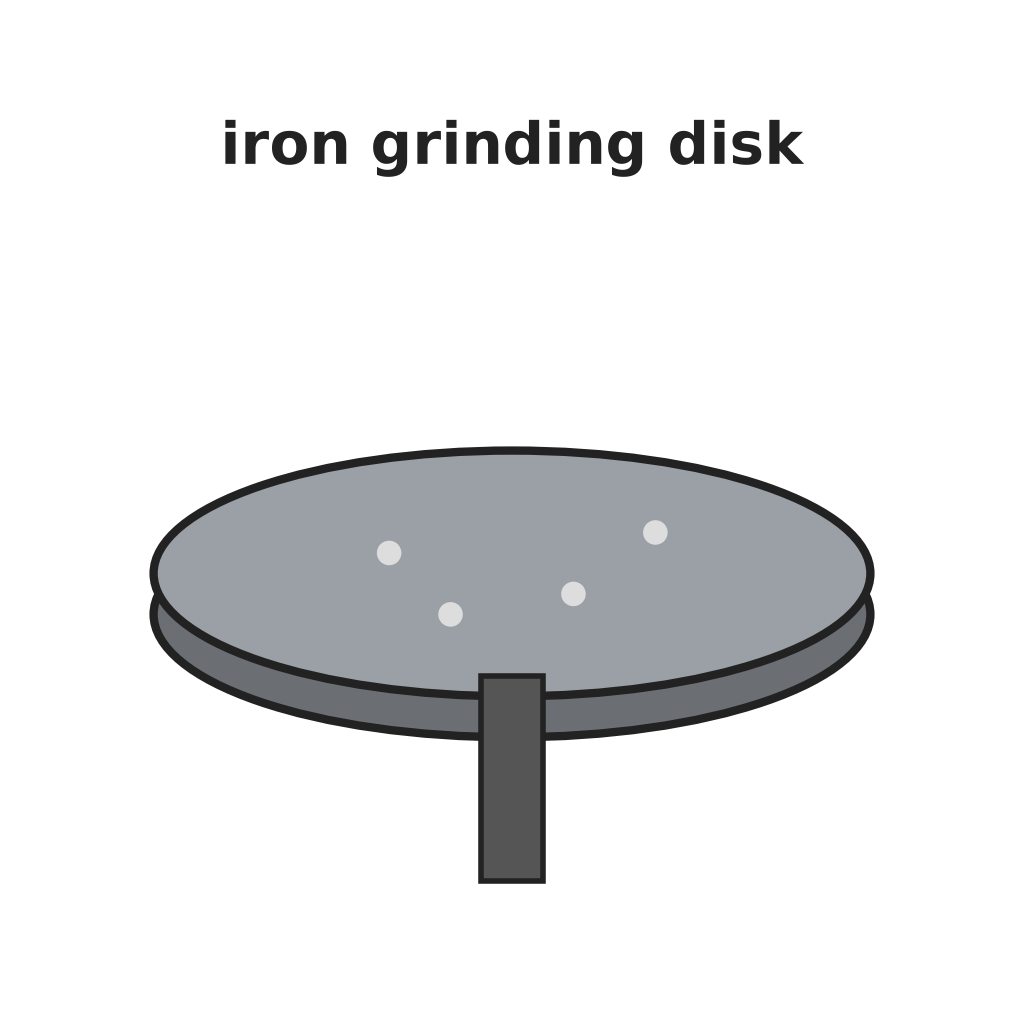 Disiki y’Icyuma yo Gusya
 Ikusanyirizo ry'uducye tw'imisya twa karubide ya silisiyumu
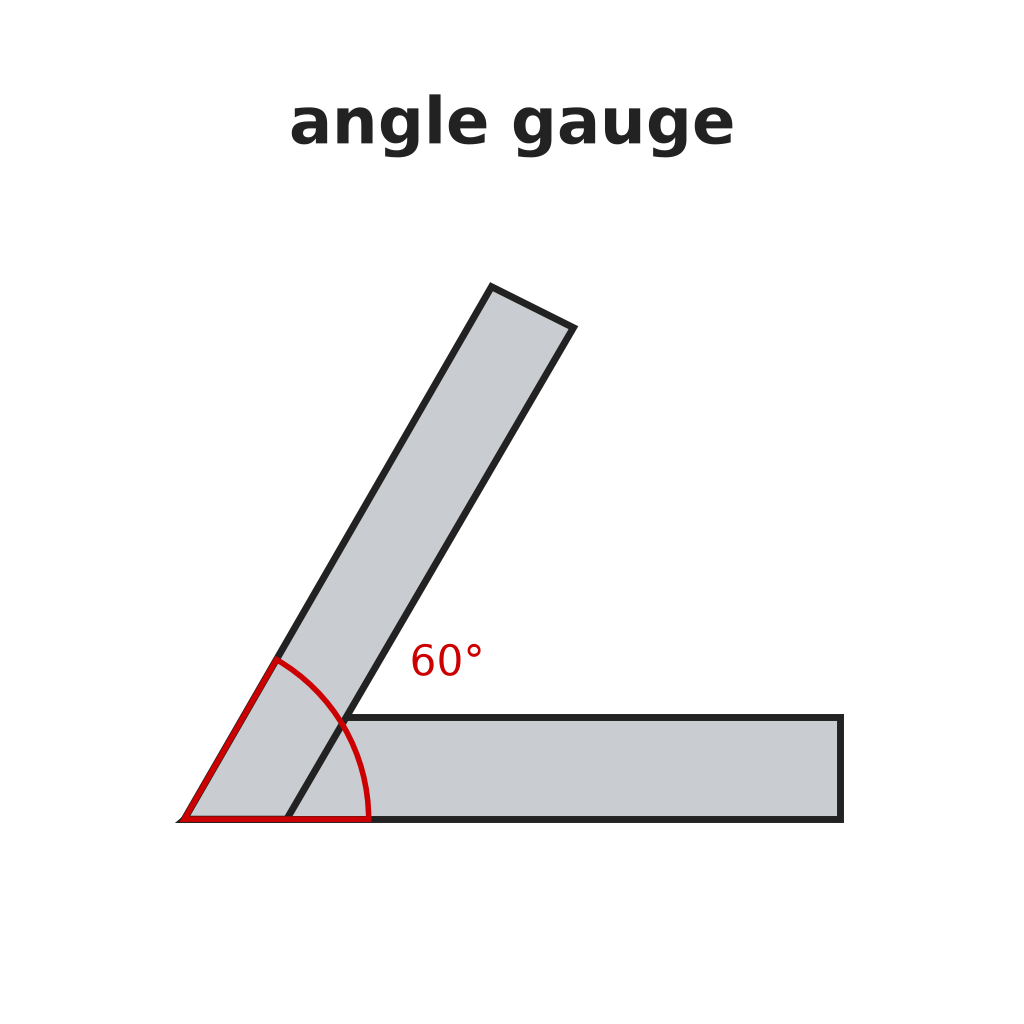 Igipimo cy’Inguni
3
3
Grind the ends in a batch
Grind the ends in a batch
Wax 20 or more prisms by their ground ends onto a heated iron disk and grind the other ends together: 90, 150, then 220 mesh, then smoothing grit. Change grit only when the surface is free of scratches. Regrind to the set thickness.
Ibikoresho bikenewe:
Disiki y’Icyuma yo GusyaIkusanyirizo ry'uducye tw'imisya twa karubide ya silisiyumu Ibuki rya parafine
 Igishashara
 Urubaho rushyushyaIkigereranyo cya Digitale cy'Amasentimetero 6
4
4
Block the prisms in plaster
Block the prisms in plaster
Set the prisms face down in melted paraffin on a flat iron disk and coat their backs with beeswax. Clamp a ring round them, fill with plaster of Paris and a little Portland cement (10 : 1), and let it harden about 16 hours. Cut the plaster back 1/8 in from the prisms and give it two coats of shellac.
Ibikoresho bikenewe:
Urubaho rushyushyaIbuki rya parafineIgishashara Ipuratsi ya Paris
 Sima ya porutilande
 Uduce tw'Igishashara
5
5
Fine-grind
Fine-grind
Grind the block on a slightly convex plate with wet flour emery (the part that settles out of water between 10 and 60 minutes). After five minutes check with a magnifier: the faces should have an even velvet finish, slightly hollow by less than 0.001 in.
Ibikoresho bikenewe:
Disiki y’Icyuma yo GusyaIkusanyirizo ry'uducye tw'imisya twa karubide ya silisiyumu Lupu Yagura
6
6
Polish on pitch
Polish on pitch
Pour strained pitch with a little rosin 1/4 in deep on an iron tool and cut crossed grooves 1/8 in wide, 1 in apart. Press it true with a rouge-wetted flat. Polish the block with creamy rouge and water on the machine, usually 4–8 hours, running nearly dry at the end.
Ibikoresho bikenewe:
 Gudurona y'ibiti ikomeye
 Ubukomezi bw'igiti cya pinusi
 Umutuku w'umucuzi
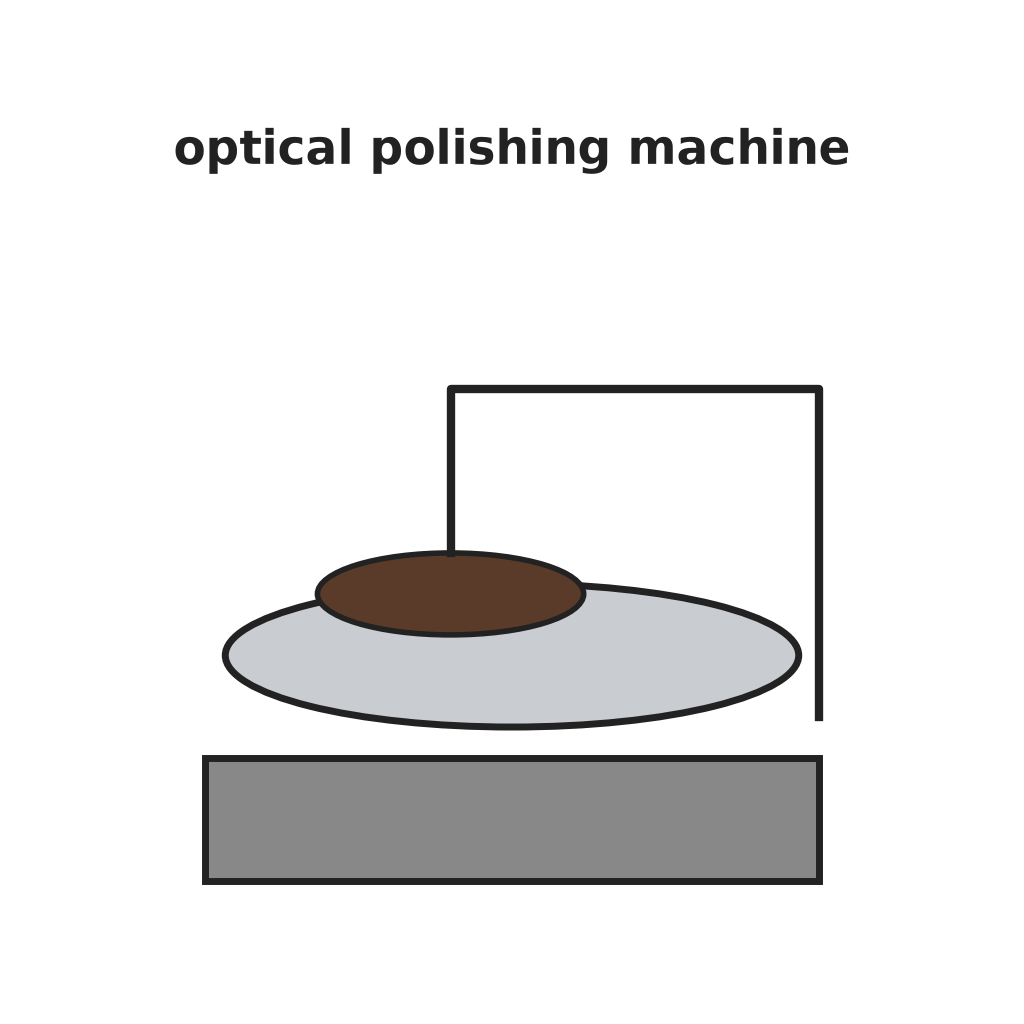 Imashini yo Kunoza Optike
7
7
Test for flatness
Test for flatness
Lay an optical flat on each face and look at the Newton colours in sodium light (salt in a Bunsen flame). Straight bands to the edge, or one colour over the whole face, mean it is flat.
Ibikoresho bikenewe:
 Ubuso buringaniye bw'ibirahure (ngenderwaho)
 Itara rya Bunsen
 UmunyuLupu Yagura
8
8
Free, clean, check the angle, repeat
Free, clean, check the angle, repeat
Break the plaster away, clean the prisms with benzene and check each angle with the angle gauge. Correct by hand on a flat tool with smoothing grit. Repeat blocking and polishing for every face, smallest face first.
Ibikoresho bikenewe:
 Inyundo
 BenzeneIgipimo cy’InguniDisiki y’Icyuma yo GusyaIkusanyirizo ry'uducye tw'imisya twa karubide ya silisiyumu
Ibikoresho
1- 1 as requiredUmwanya
Ibikoresho bikenewe
23- Umwanya
- Umwanya
- Umwanya
- Umwanya
- Umwanya
- Umwanya
- Umwanya
- Umwanya
- Umwanya
- Umwanya
- Umwanya
- Umwanya
- Umwanya
- Umwanya
- Umwanya
- Umwanya
- Umwanya
- Umwanya
- Umwanya
Iki gishushanyo gikora

Blueprint zijyanye
Izi blueprint zisangira ubumenyi — uburyo, ibikoresho cyangwa amahame
CC0 Umurenge rusange
Iyi blueprint yasohowe munsi ya CC0. Ushobora gukoporora, guhindura, gukwirakwiza no gukoresha nta kwemererwa.
Shyigikira Umuremyi ugura ibicuruzwa binyuze muri Blueprint ye Komisiyo y'Umuremyi byashyizweho n'Abacuruzi, cyangwa kora verisiyo nshya y'iyi Blueprint ukayinjiza nk'isano muri Blueprint yawe kugira ngo musangire inyungu.