
Extracting Tin from Cassiterite — Panning and Smelting Tin Ore
Amabwiriza
Understand cassiterite
Understand cassiterite
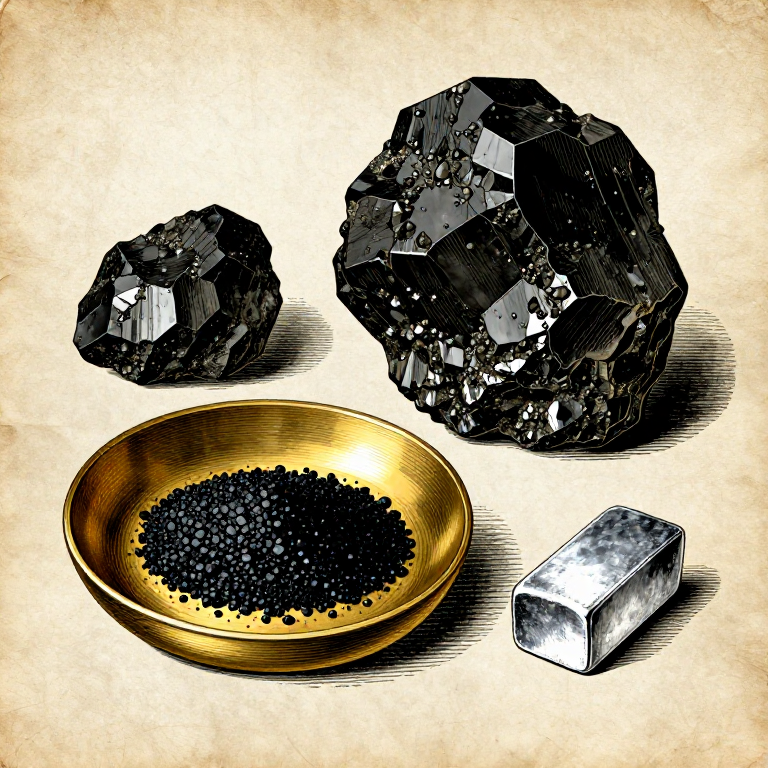
Cassiterite (SnO₂) is tin dioxide, the principal ore of tin. It has a Mohs hardness of 6-7, a very high specific gravity of 6.8-7.1 (much heavier than common sand at 2.6), and ranges from black to reddish-brown in color. The high density makes it easy to separate by gravity (panning), similar to gold panning.
Find alluvial cassiterite
Find alluvial cassiterite
Cassiterite is found as heavy black or dark brown grains in alluvial (stream) deposits downstream from tin-bearing granite. Look in stream gravels, inside bends of rivers where heavy minerals concentrate, and behind large boulders. Historical tin regions include Cornwall (UK), Southeast Asia, Bolivia, and central Africa.
Collect stream gravel
Collect stream gravel
Shovel gravel and sand from locations where heavy minerals accumulate: bedrock crevices, behind boulders, and the inside of river bends. Fill a bucket with raw gravel. The cassiterite grains are small (1-5 mm) and mixed with ordinary sand, quartz, and other minerals.
Ibikoresho by'iyi ntambwe:
 Amabuye mato yo mu ruzi20 kilogram
Ibikoresho bikenewe:
 Isuka yo gucukura
 Indobo ya Litiro 20
Pan for cassiterite
Pan for cassiterite
Use a gold pan or wide shallow bowl. Add a scoop of gravel and fill halfway with water. Swirl and tilt to wash away light material. Heavy cassiterite grains sink to the bottom center. Continue washing until only black heavy grains remain. This is identical to gold panning technique.
Ibikoresho bikenewe:
 Isahani yo gushakisha zahabu
Identify cassiterite grains
Identify cassiterite grains
Cassiterite grains are: black to dark reddish-brown, very heavy (noticeably heavier than quartz), have a brilliant adamantine (diamond-like) luster when scratched, and a white to pale brown streak. Magnetite (another heavy black mineral) is magnetic — test with a magnet to separate it from cassiterite.
Ibikoresho bikenewe:
 Rukuruzi
 Indorerwamo Nini y'Intoki 10x
Concentrate the ore
Concentrate the ore
Repeat panning until you have a concentrate of mostly cassiterite. Use the magnet to remove any magnetite grains. You need at least 500 g of clean cassiterite concentrate for a worthwhile smelt. From 20 kg of gravel in a good tin-bearing stream, expect 100-500 g of concentrate.
Dry the concentrate
Dry the concentrate
Spread the cassiterite concentrate on a flat surface in the sun to dry completely. Wet ore in a hot crucible causes dangerous steam explosions. Drying takes 2-4 hours in direct sunlight. The dry concentrate should feel gritty and pour freely.
Prepare the crucible and charcoal
Prepare the crucible and charcoal
Use a clay or graphite crucible that can withstand 1200°C. Mix the dry cassiterite with an equal volume of powdered charcoal. The charcoal provides carbon for reduction: SnO₂ + 2C → Sn + 2CO₂. Tin melts at only 232°C, far below the smelting temperature, so it collects as liquid at the bottom.
Ibikoresho by'iyi ntambwe:
 Amakara500 gram
 Ikirahure cy'Ibumba Rirwanya Umuriro1 igice
Set up the forge
Set up the forge
Place the loaded crucible in a charcoal forge with bellows. Tin smelting requires lower temperature than copper or iron — about 1000-1200°C is sufficient for reduction. Pack charcoal around and above the crucible. Put on safety equipment: leather apron, face shield, leather gloves.
Ibikoresho by'iyi ntambwe:
 Urupapuro rw'amakara10 kilogram
Ibikoresho bikenewe:
 Umuvuba
 Ikanzu y'uruhu
 Ingabo y'Isura
Smelt for 1-2 hours
Smelt for 1-2 hours
Pump the bellows to bring the forge to operating temperature. Maintain heat for 1-2 hours. The cassiterite reduces to metallic tin which, being liquid above 232°C, pools at the bottom of the crucible below a layer of slag and ash. Tin smelting is one of the easiest metal reductions.
Pour the molten tin
Pour the molten tin
Using crucible tongs, lift the crucible from the forge. Carefully pour the contents into a preheated sand or stone mold. The heavy molten tin pours first (bottom of crucible), followed by lighter slag. Tin is silvery-white when molten and solidifies quickly due to its low melting point.
Ibikoresho bikenewe:
 Amakoro y'Icyombo Gishongesha
 Ikigwa cy'ibuye ry'umusenyi
Cool and extract the ingot
Cool and extract the ingot
Tin solidifies within minutes. Once cool, remove the ingot from the mold. The tin ingot will be covered with a thin layer of slag — break this off by tapping. Clean tin is silvery-white and very soft — you can scratch it with a fingernail (Mohs hardness 1.5).
Verify it is tin
Verify it is tin
Tin has distinctive properties: bending a tin bar produces an audible crackling sound called 'tin cry' caused by crystal twinning. It is very soft (scratched by a coin), silvery-white, and does not rust. When heated, it melts easily at 232°C — far below a candle flame temperature.
Weigh and record yield
Weigh and record yield
Weigh the clean tin ingot. From 500 g of good cassiterite concentrate, expect 300-350 g of metallic tin (60-70% yield). Record the source location, concentrate weight, smelt time, and tin yield. This tin is ready for alloying with copper to make bronze, or for tinplating, soldering, and pewterwork.
Ibikoresho bikenewe:
 Iminzani ya Digitale yo mu Gikoni
Ibikoresho
4- 20 kilogramUmwanya
- 500 gramUmwanya
- Umwanya
- 10 kilogramUmwanya
Ibikoresho bikenewe
11- Umwanya
- Umwanya
- Umwanya
- Umwanya
- Umwanya
- Umwanya
- Umwanya
- Umwanya
Ibikoresho by'Ibishushanyo Bifitanye Isano
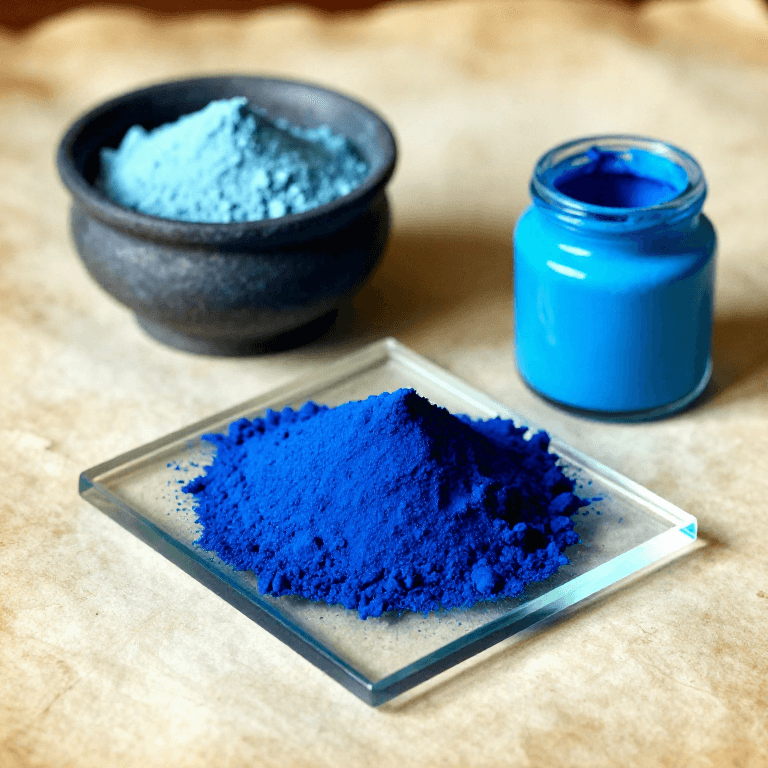

Iki gishushanyo gikora
CC0 Umurenge rusange
Iyi blueprint yasohowe munsi ya CC0. Ushobora gukoporora, guhindura, gukwirakwiza no gukoresha nta kwemererwa.
Shyigikira Umuremyi ugura ibicuruzwa binyuze muri Blueprint ye Komisiyo y'Umuremyi byashyizweho n'Abacuruzi, cyangwa kora verisiyo nshya y'iyi Blueprint ukayinjiza nk'isano muri Blueprint yawe kugira ngo musangire inyungu.