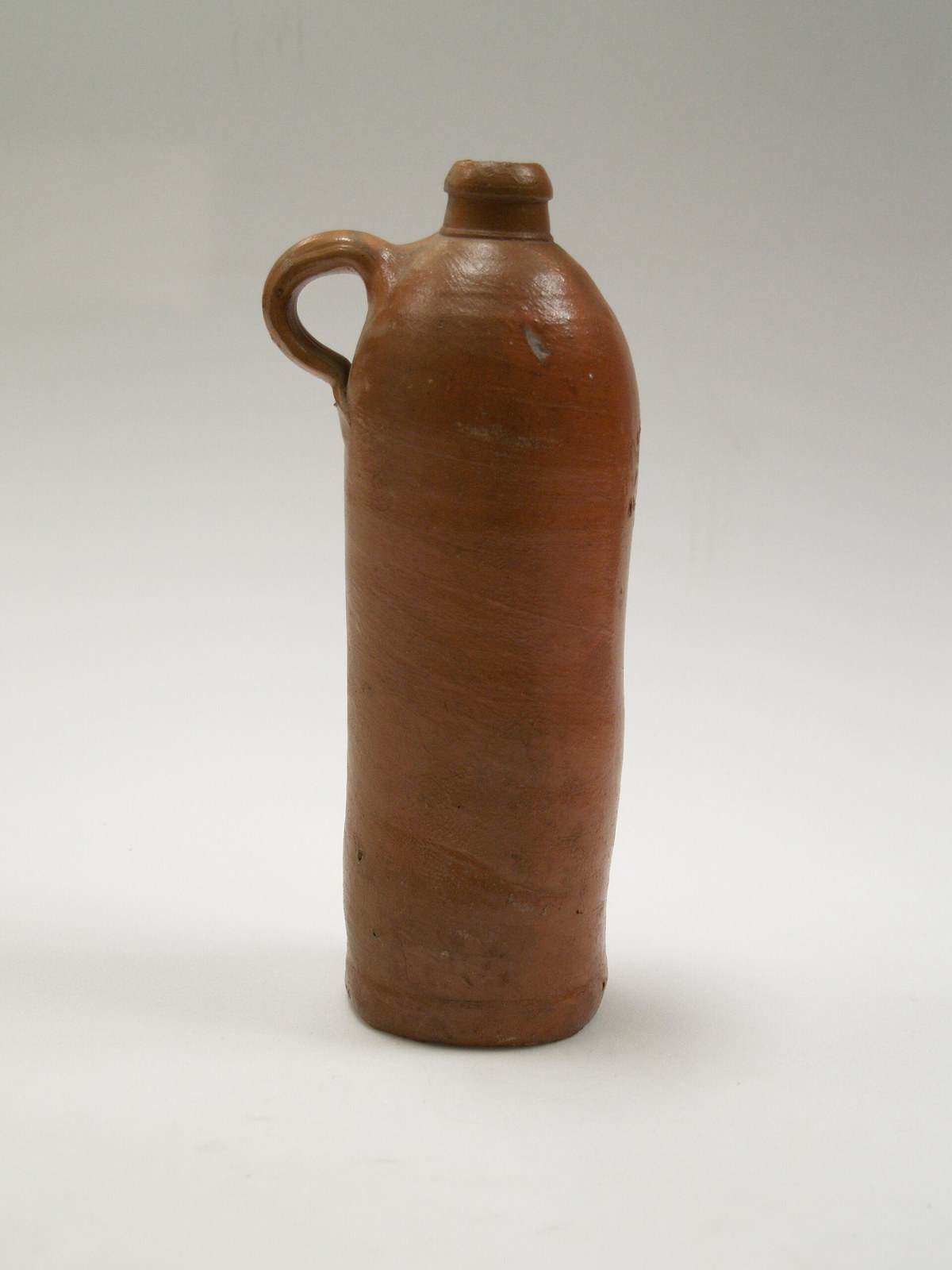

Dutch Geneva (Genever): Malt and Rye Mashed at 162 F, Distilled Three Times with Juniper and Hops (Byrn, 1868)
Amabwiriza
Read Byrn, and the law
Read Byrn, and the law
The still
The still
His measures in metric
His measures in metric
Grind the grain
Grind the grain
Ibikoresho by'iyi ntambwe:
 Igikoro cyoroheje1 as required
 Impeke za seyigale1 as required
Ibikoresho bikenewe:
 Urusyo rw'ibinyampeke
Mash at 162 F
Mash at 162 F
Ibikoresho by'iyi ntambwe:
 Amazi1 as required
Ibikoresho bikenewe:
 Ikibindi cy'imbaho
 Ikiyiko Kibajwe mu Giti Kimwe
 Igipima Ubushyuhe cyo Guteka
 Inkono Nini
Cut with cold water
Cut with cold water
Ibikoresho by'iyi ntambwe:
Amazi1 as requiredIbikoresho bikenewe:
Ikibindi cy'imbaho Igipima ubwuzuzanye bw'amazi
Ferment 48 hours
Ferment 48 hours
Ibikoresho by'iyi ntambwe:
 Umusemburo wa biyeri1 as required
Ibikoresho bikenewe:
 Igitebo cy'igitiIgipima Ubushyuhe cyo Guteka
Charge and lute the still
Charge and lute the still
Ibikoresho by'iyi ntambwe:
 Kaboneti ya kalisiyumu (ifu y'umweru)1 as required
 Ifu ya seyigale1 as requiredAmazi1 as required
 Isabuni y'urubaho1 igice
Ibikoresho bikenewe:
 Icyuma gitunganya inzoga
Raise the fire by degrees
Raise the fire by degrees
Ibikoresho bikenewe:
Icyuma gitunganya inzoga Woven Wool Blanket
Set aside the first runnings
Set aside the first runnings
Ibikoresho bikenewe:
 Icyombo cyo gupima
Run the low wines
Run the low wines
Ibikoresho bikenewe:
Icyuma gitunganya inzoga BujiIgitebo cy'igitiIgipima ubwuzuzanye bw'amazi
Second distillation
Second distillation
Ibikoresho bikenewe:
Icyuma gitunganya inzogaThird distillation, juniper and hops
Third distillation, juniper and hops
Ibikoresho by'iyi ntambwe:
 Umuberoshi (imbuto n'ibiti)1 as required
 Hops1 as required
Ibikoresho bikenewe:
Icyuma gitunganya inzogaCut at the bead
Cut at the bead
Ibikoresho bikenewe:
 Agacupa k'ikirahure (gato, ku byitegererezo)Icyombo cyo gupima
Collect the feints, stop the fire
Collect the feints, stop the fire
Ibikoresho bikenewe:
Igitebo cy'igitiBujiBring to proof
Bring to proof
Ibikoresho by'iyi ntambwe:
Amazi1 as requiredIbikoresho bikenewe:
Igipima ubwuzuzanye bw'amaziIcyombo cyo gupimaRedistil the feints
Redistil the feints
Ibikoresho by'iyi ntambwe:
 Umunyu1.8 kg
Ibikoresho bikenewe:
Icyuma gitunganya inzogaKeep it in glass
Keep it in glass
Ibikoresho by'iyi ntambwe:
 Amacupa y'ikirahuri afite ibipfundikizo1 igice
Ibikoresho bikenewe:
Icyombo cyo gupimaTroubleshooting
Troubleshooting
Flow
History and honest limits
History and honest limits
Ibikoresho
11- 1 as requiredUmwanya
- 1 as requiredUmwanya
- 4 as requiredUmwanya
- 1 as requiredUmwanya
- 1 as requiredUmwanya
- 1 as requiredUmwanya
- 1 igiceUmwanya
- 1 as requiredUmwanya
- 1 as requiredUmwanya
- 1.8 kgUmwanya
- Umwanya
Ibikoresho bikenewe
12- Umwanya
- Umwanya
- Umwanya
- Umwanya
- Umwanya
- Umwanya
- Umwanya
- Umwanya
- Umwanya
- Umwanya
Ibikoresho by'Ibishushanyo Bifitanye Isano

Iki gishushanyo gikora
Blueprint zijyanye
Izi blueprint zisangira ubumenyi — uburyo, ibikoresho cyangwa amahame
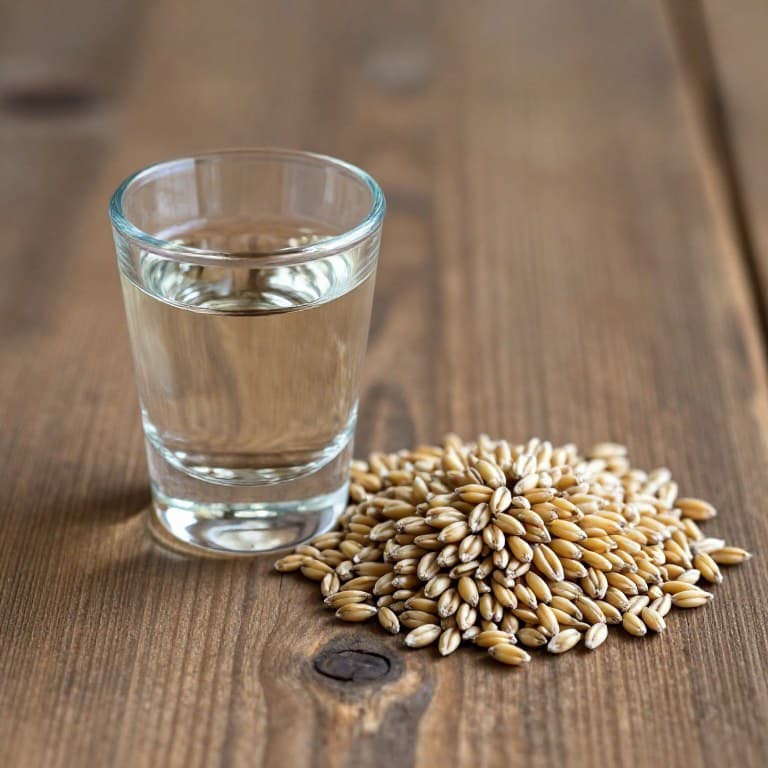
Malt Whisky: Malt and Barley Meal Mashed at 150 F, Fermented 8 to 12 Days and Distilled (Byrn, 1868)
na Alchometer
Ibinyobwa Bisindisha
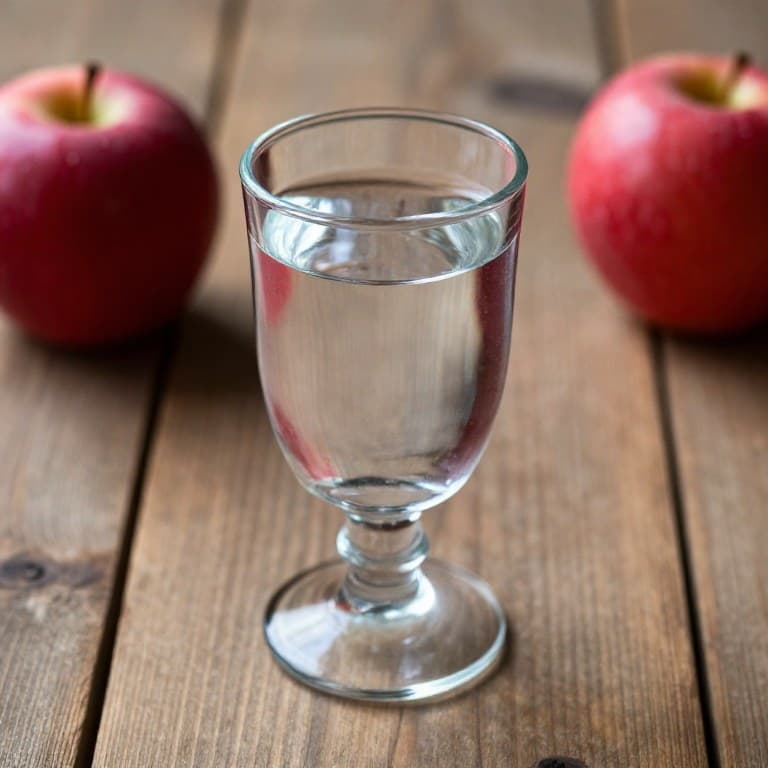
Apple Brandy (Cider Spirits): Pressed Cider Fermented, Distilled to Low Wines and Doubled (Byrn, 1868)
na Alchometer
Ibinyobwa Bisindisha
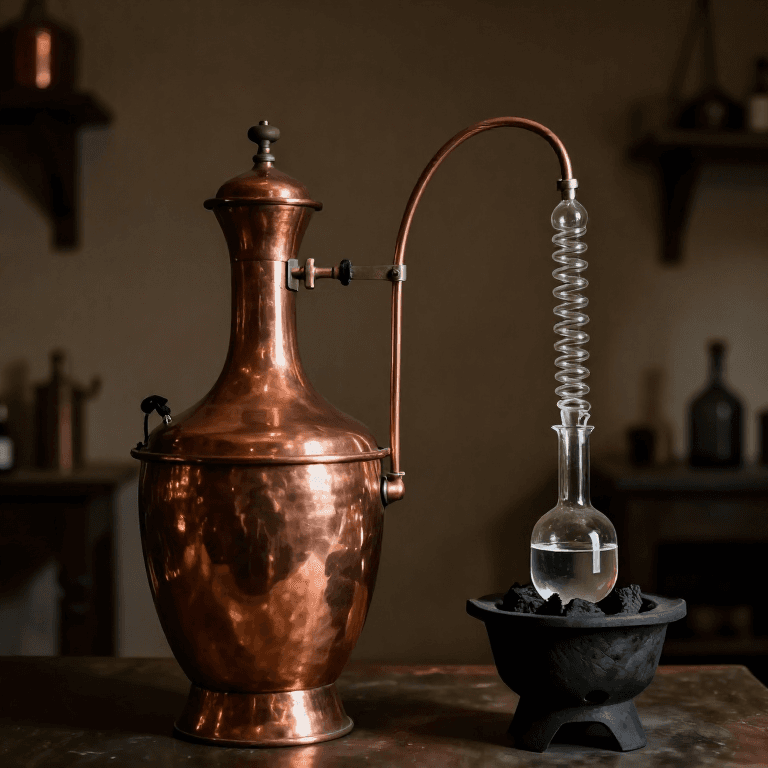
Building a Copper Alembic Still — Islamic Golden Age Distillation
na Charlie
UBUKORIKORI
CC0 Umurenge rusange
Iyi blueprint yasohowe munsi ya CC0. Ushobora gukoporora, guhindura, gukwirakwiza no gukoresha nta kwemererwa.
Shyigikira Umuremyi ugura ibicuruzwa binyuze muri Blueprint ye Komisiyo y'Umuremyi byashyizweho n'Abacuruzi, cyangwa kora verisiyo nshya y'iyi Blueprint ukayinjiza nk'isano muri Blueprint yawe kugira ngo musangire inyungu.