

Imbonerahamwe za Haldane zo Kugabanya Umuvuduko
Amabwiriza
Reba ibituruka bisohoka mu ruvange
Reba ibituruka bisohoka mu ruvange
Uburyo bwose bubonekera mu icupa ry'amazi arimo gazi, kandi uru rugero rurasa cyane n'ukuri, rufite imbibi imwe ivugwa ku iherezo.
- Fata icupa rifunze ry'ikinyobwa kirimo gazi maze urirebe: amazi agaragara neza, nta bituruka, gazi ifashwe mu ruvange n'umuvuduko.
- Rifungure buhoro maze urebe ibituruka bivuka mu mazi yose.
- Ongera urifunge, urinyeganyeze, maze urifungure vuba: itegereze uko gazi isohoka ku mbaraga nyinshi kurushaho.
- Noneho fungura icupa rya kabiri buhoro, mu byiciro, ufunga umupfundikizo hagati ya buri gusohora.
Gazi iguma ishongeshejwe igihe cyose umuvuduko uyifashe, igasohoka mu ruvange iyo umuvuduko ugabanutse; kandi uko isohoka vuba biterwa n'uko ugabanya umuvuduko vuba. Gusohora mu byiciro bitanga ifuro rike cyane ugereranyije no gusohora ako kanya.
Iryo genzura rya nyuma NI ryo mikorere nyayo yo kugabanya umuvuduko. Umwibizi ni icupa, azote ni gazi irimo, naho kuzamuka ni ugufungura umupfundikizo.
Uru rugero rufite imbibi imwe ikwiye kuvugwa: mu icupa gazi isohokera hejuru, ariko ku mwibizi ibituruka bivuka imbere mu ngingo no mu miyoboro y'amaraso, aho bizitira itembera ry'amaraso kandi bigakanda imitsi y'imyakura. Indwara yo kugabanya umuvuduko si ukutamererwa neza guturutse kuri gazi: ni igikomere cy'imiterere giterwa n'ibituruka biri ahantu hatabifitiye umwanya.Ibikoresho by'iyi ntambwe:
 Amazi afite gaze (icupa ridafunguye)2 amacupa
Ibikoresho bikenewe:
 Terefone Ifata Amashusho Agenda Buhoro
 Amadarubindi Asobanutse yo Kwirinda
Kora icyitegererezo cy'ibyumba by'ingingo urebe uko byuzura
Kora icyitegererezo cy'ibyumba by'ingingo urebe uko byuzura
Ibikoresho bikenewe:
 Mudasobwa yo ku Meza
Inzira yo gufata ibyemezo mu kuzamuka
Inzira yo gufata ibyemezo mu kuzamuka
Kurikira uruziga. Igihe cyose hari ubujyakuzimu udashobora kuzamuka urenga, bugenwa n'icyumba cyuzuye kurusha ibindi muri ako kanya, kandi icyo cyumba KIRAHINDUKA mu gihe cyo kuzamuka uko ibyihuta bikurwamo gazi n'ibitinda bigafata iya mbere.
Ishami rya nyuma ni ryo rifata abantu. Umwibizi ugeze hejuru ntasubira kuri zeru: ibyumba bitinda biracyatwara gazi amasaha menshi, bityo kwibira kwa kabiri uwo munsi gutangira umubiri ufite gazi igice. Imbonerahamwe zo kwibira inshuro nyinshi zibaho gusa kugira ngo zibare iyo gazi isigaye, kandi gufata kwibira kwa kabiri nk'ukwa mbere ni inzira izwi yo kurwara indwara yo kugabanya umuvuduko.
Kurira indege nyuma yo kwibira ni ikibazo kimwe gifite ikimenyetso gihindutse: icyumba cy'indege gifite umuvuduko uhwanye n'ubutumburuke bugera kuri metero 2400 ni ukundi kuzamuka, gukorerwa umubiri utararangiza gusohora gazi. Amabwiriza ya Divers Alert Network (2002) ni nibura amasaha 12 ku butaka nyuma yo kwibira rimwe nta kugabanya umuvuduko, nibura amasaha 18 nyuma yo kwibira inshuro nyinshi cyangwa iminsi myinshi yo kwibira, n'igihe kirekire cyane nyuma yo kwibira kwasabye guhagarara ngo umuvuduko ugabanuke; bikomoka mu buryo butaziguye ku byumba bitinda byo mu cyitegererezo kiri hejuru.Flow
Ibikoresho bikenewe:
Mudasobwa yo ku MezaKora igerageza ryo gusubiza umuvuduko
Kora igerageza ryo gusubiza umuvuduko
Kuvura iyi ndwara ni indwara ubwayo ihindukiye, kandi birakwiye kureba impamvu.
- Fata igikoresho gikomeye kandi kigaragaza imbere kihanganira umuvuduko, kirimo amazi arimo gazi afunze yatangiye kuzana ibituruka.
- Ongera umuvuduko wo hanze ukoresheje imashini isunika umwuka maze urebe ibituruka.
- Gumana umuvuduko, hanyuma uwugabanye buhoro mu byiciro.
Kongera umuvuduko bituma ibituruka bigabanuka kandi bigashonga bundi bushya; kuwugabanya buhoro bireka gazi igasohoka bitongeye kuvuka. Ibyo ni byo neza icyumba cyo gusubiza umuvuduko gikorera umwibizi warwaye: kumusubiza mu muvuduko, gushongesha ibituruka, hanyuma kumuzamura ku ngengabihe itinda bihagije kugira ngo gazi isohokere mu bihaha aho kongera kuba ibituruka.
Mu kuvura hatangwa ogisijeni kuko ikora imirimo ibiri icyarimwe: isimbura azote mu mwuka uhumekwa bityo ikinyuranyo gisohora gazi mu ngingo kikiyongera, kandi yongera ogisijeni igera ku ngingo ibituruka byabujije amaraso.
Uruhare rwa Haldane ubwe hano rwari urw'imiyoborere nk'uko rwari urw'ubumenyi bw'imikorere y'umubiri. Yakoze IMBONERAHAMWE: ingengabihe umuyobozi uwo ari we wese w'ibikorwa byo kwibira yashoboraga gukurikiza atumva imibare. Guhindura icyitegererezo cy'imikorere y'umubiri mo ikarita yanditse umukozi yashoboraga gukoresha ni byo byahagaritse impfu mu by'ukuri, kandi byibutsa ko igitangwa gake kiba ari igitekerezo gusa.Ibikoresho by'iyi ntambwe:
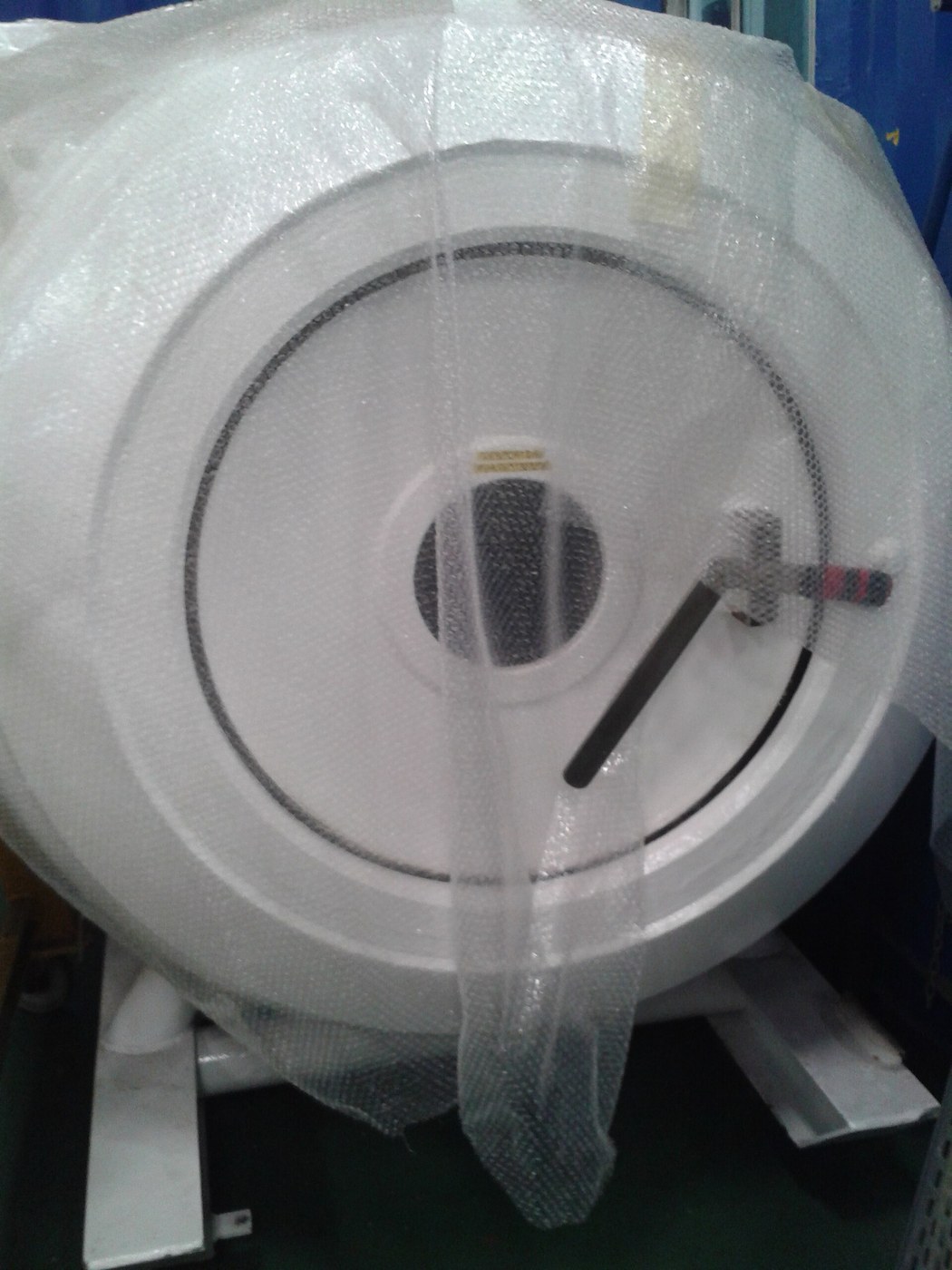
Amazi afite gaze (icupa ridafunguye)1 icupa Igikoresho cy'igitutu gisobanutse (cyemejwe)1 igice
Ibikoresho bikenewe:
 Umuvuduko w'umwuka wa galoni 30
 Igipima UmuvudukoTerefone Ifata Amashusho Agenda Buhoro
 Ingabo y'IsuraAmadarubindi Asobanutse yo Kwirinda
Isinzira ry'ubujyakuzimu n'uburozi bwa ogisijeni: izindi mbibi ebyiri
Isinzira ry'ubujyakuzimu n'uburozi bwa ogisijeni: izindi mbibi ebyiri
Kugabanya umuvuduko si cyo kintu cyonyine ubujyakuzimu bukorera umwibizi, kandi izindi mbibi ebyiri zizana nta nteguza.
- Bara umuvuduko-gice wa azote kuri metero 30, 40 na 60.
- Bara umuvuduko-gice wa ogisijeni kuri ubwo bujyakuzimu umuntu ahumeka umwuka usanzwe.
- Shyira ikimenyetso aho buri wose urenga imbibi yemewe.
Isinzira riterwa na azote ritangira kumvikana guhera nko kuri metero 30 kandi rikiyongera uko ubujyakuzimu bwiyongera; ni ingaruka isa n'iy'ikinya, kandi akaga kayo ni uko ubushishozi bwangiritse budashobora kwisuzuma ubwabwo. Abibizi bavuga ko bumva bameze neza by'ikinyoma mu gihe bakora ikintu cy'ubupfu.
Imbibi y'akazi yemewe kuri ogisijeni ni umuvuduko-gice wa bar 1.4 (bar 1.6 gusa ntibirenge, mu guhagarara ngo umuvuduko ugabanuke); ku mwuka usanzwe, bar 1.4 igerwaho nko kuri metero 57, kandi ikimenyetso cya mbere cy'uburozi bwa ogisijeni gishobora kuba igicuri. Igicuri munsi y'amazi ufite igikoresho cyo guhumeka mu kanwa akenshi kica, uko gazi isigaye yaba ingana kose.
Byombi bikemurwa no guhindura uruvange rwa gazi aho guhindura ingengabihe: heliyumu isimbura azote kugira ngo igabanye isinzira, naho igipimo cya ogisijeni KIGABANYWA ku mirimo yo mu bujyakuzimu kugira ngo umuvuduko-gice wayo ukomeze kwihanganirwa. Trimix yo kwibira ahantu harehare cyane ishobora kuba ifite ogisijeni idahagije hejuru y'amazi: ntiyagutunga ukiri mu bwato, kandi ihumekwa gusa uri mu bujyakuzimu.
Iyi ni imbogamizi y'imiterere idasanzwe koko kandi ikwiye gutekerezwaho: gazi itekanye gusa mu ntera runaka y'ubujyakuzimu, ikaba ari akaga hejuru yayo NO munsi yayo. Kuyikoresha neza ni yo mpamvu kwibira ahantu harehare ukoresheje uruvange rwa gazi ari umwuga atari imyidagaduro.Ibikoresho bikenewe:
Mudasobwa yo ku MezaIbikoresho
2- 3 amacupaUmwanya
- Umwanya
Ibikoresho bikenewe
6- Umwanya
- Umwanya
- Umwanya
Blueprint zijyanye
Izi blueprint zisangira ubumenyi — uburyo, ibikoresho cyangwa amahame


CC0 Umurenge rusange
Iyi blueprint yasohowe munsi ya CC0. Ushobora gukoporora, guhindura, gukwirakwiza no gukoresha nta kwemererwa.
Shyigikira Umuremyi ugura ibicuruzwa binyuze muri Blueprint ye Komisiyo y'Umuremyi byashyizweho n'Abacuruzi, cyangwa kora verisiyo nshya y'iyi Blueprint ukayinjiza nk'isano muri Blueprint yawe kugira ngo musangire inyungu.