Ubufatanye
UBUHANZI
UBWIZA N'UBUZIMA
UBUKORIKORI
UMUCO N'AMATEKA
IMYIDAGADURO
IBIDUKIKIJE
IBIRIBWA N'IBINYOBWA
UBWUBATSI BUSUBIRA INYUMA
UBUMENYI
SIPORO
IKORANABUHANGA
IBYAMBARWA
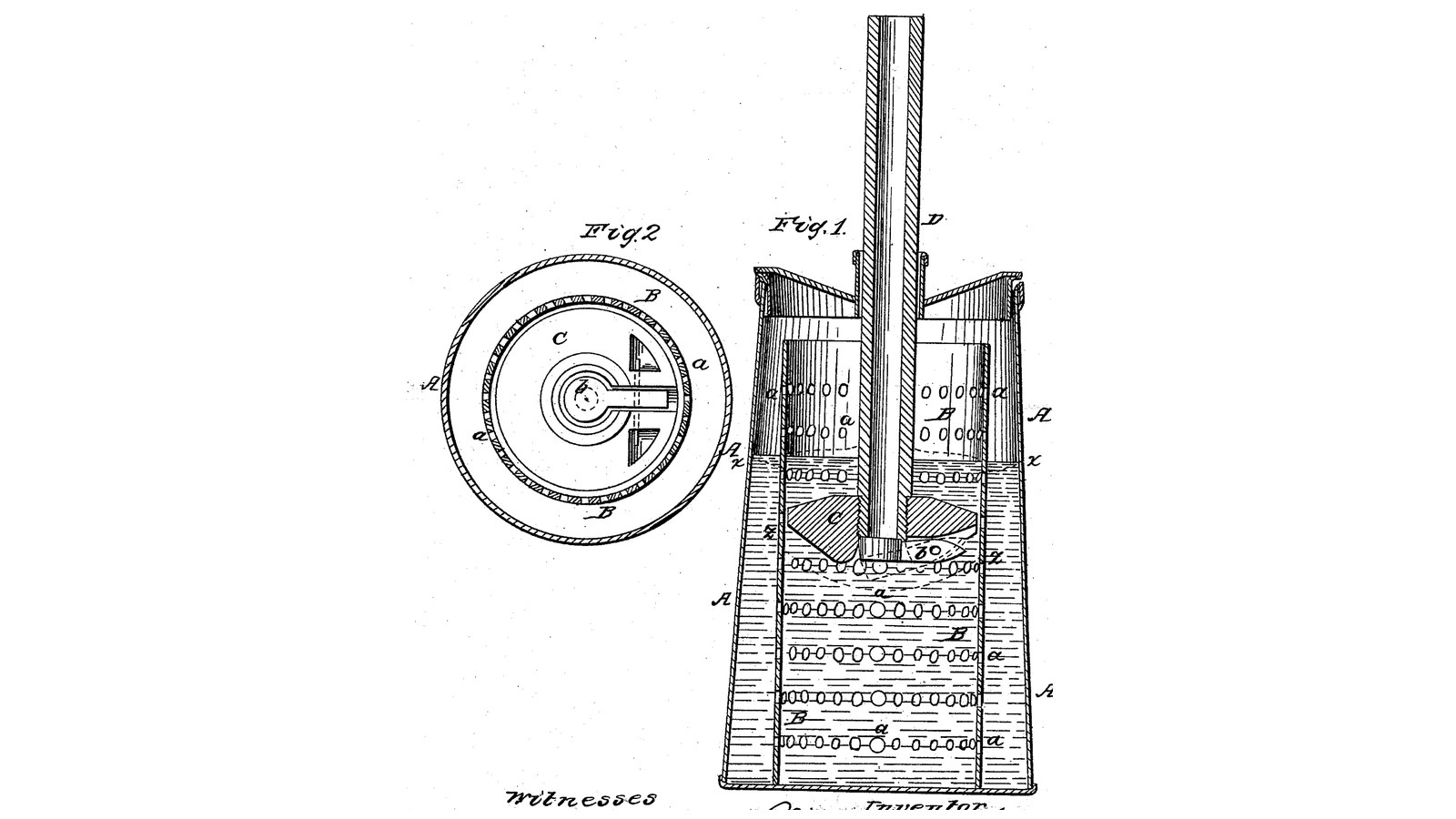

Hollow-Staff Plunger Churn: A Plunger in a Perforated Inner Cylinder Draws Air Down Its Staff on the Up Stroke
William Hamilton of St. Catharine, Missouri, received US 31,715, dated 19 March 1861, for a plunge churn with a perforated cylinder standing inside the tub. A bevelled plunger fits the cylinder like a piston on a hollow staff with a valve at its foot. Pulled up fast, it leaves a partial void below that the milk cannot fill quickly through the holes, so the valve opens and air rushes down the staff; pushed down, the valve shuts and the air is driven through the milk, which is thrown in and out through the holes against the tub's wall.
The patent gives no sizes; every size here is ours.
Utangiye
About 1 day
Amabwiriza
1
1
Why air is drawn in on the up stroke
Why air is drawn in on the up stroke
Gupakira ikaye ya Jupyter…
2
2
A valve in a close-fitting dash, six weeks before
A valve in a close-fitting dash, six weeks before
Stevens's valve lets cream through his dash. Hamilton's lets air down a hollow staff, and his plunger works in a perforated cylinder.
3
3
Read US 31,715
Read US 31,715
"On the descent of the dasher said valve closes, and such admitted fresh air is forcibly made to permeate the body of milk and to abruptly counteract its tendency to fill the partial void below the dasher."
4
4
Tub A and inner cylinder B
Tub A and inner cylinder B
Use a 20-litre food-grade bucket as the tub A and cut a 12 mm HDPE lid to it with a 24 mm hole in the middle. Cut a strip of 1 mm stainless sheet 320 mm wide and 645 long, drill twelve rows of 6 mm holes along it 25 mm apart, 36 to a row, the rows staggered, and roll it into a cylinder B 200 mm across, riveting the lap.
Ibikoresho by'iyi ntambwe:
 Indobo ya Litiro 201 igice
 Urupapuro rwa HDPE1 igice
 Urupapuro rw'icyuma kitagira ingese1 igice
 Utuma tukururwa8 ibice
Ibikoresho bikenewe:
 Ikirangamurongo
 Umucumita wa Jigsaw
 Agasanduku k'ibinyo bipfunyitse
 Ibyuma bikata ibyuma bisanzwe
 Icyuma Cyivumbura Kidafite Insinga
 Ibyuma Byinshi byo Gucukura
 Agatsiko k'imbunda y'utuma
 Amakariso (Ikariso ry'Intoki)
5
5
Print the feet (three)
Print the feet (three)
A foot that holds the cylinder 15 mm off the floor: 28 mm across, 25 high, with a slotted socket for the cylinder's edge. Print three. PETG, 0.2 mm layers, 30 % infill, 4 walls.
6
6
Print the plunger C
Print the plunger C
The plunger: 196 mm across, bevelled on both faces from 120 mm at its hub to its 6 mm rim, with a hub 32 mm across and a 22.2 mm bore for the staff. PETG, 0.2 mm layers, 30 % infill, 4 walls.
7
7
Print the valve seat
Print the valve seat
The seat glued to the staff's foot under the plunger: 32 mm across, 6 thick, 19 mm bore. PETG, 0.2 mm layers, 30 % infill, 4 walls.
8
8
Staff D, plunger C, valve b and handle
Staff D, plunger C, valve b and handle
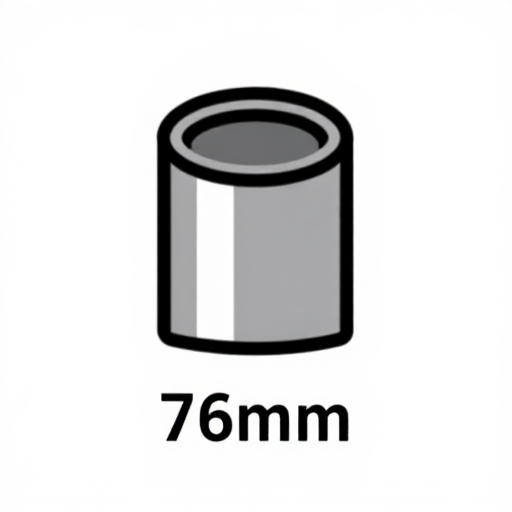
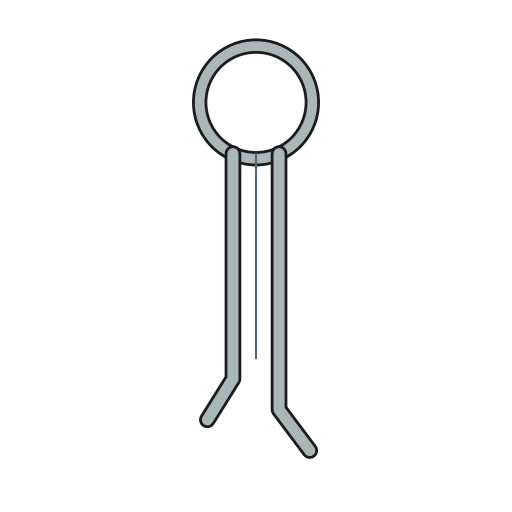
Cut a 22 mm stainless tube with a 19 mm bore 600 mm long as the hollow staff D. Glue the plunger on it 25 mm above its foot with silicone and pin it, and glue the valve seat to its foot. Cut a 30 mm disc of 2 mm natural rubber sheet as the valve b and fix it under the seat by one edge with a small stainless pin, so it hangs open when pulled down and lies shut when pushed up. Turn a hardwood T handle 240 mm long and fit it on the staff's top, leaving the tube's mouth open.
Ibikoresho by'iyi ntambwe:
 Umuyoboro w'icyuma kitagira ingese1 igice
 Fibere ya PETG1 igice
 Igifunga cya silikone1 igice
 Agashinge gafite amaguru abiri1 igice
 Urupapuro rwa kawushu karemano1 igice
 Agati k'icyuma kitagira ingese1 igice
 Ikibaho cy'Igiti Gikomeye1 igice
 Ikinyabutabire cy'Ibiti1 igice
 Udukoni tw'ibiti bikomeye1 igice
Ibikoresho bikenewe:
 Imashini icapa 3D ikoresha umugozi (FDM)
 Umucumita w'IbyumaAmakariso (Ikariso ry'Intoki)
 Ifatiro ry'AmezaIcyuma Cyivumbura Kidafite InsingaIbyuma Byinshi byo Gucukura
 Imashini ikerekeza ibitiIbyuma bikata ibyuma bisanzwe
9
9
The build in 3D
The build in 3D
FreeCAD model of this build, cut open: the bucket, the perforated inner cylinder on its feet, the bevelled plunger on its hollow staff with the valve seat below, the lid and the T handle.
10
10
Churn and gather
Churn and gather
Stand the cylinder on its feet in the bucket and pour about 12 litres of heavy cream at about 15 °C, checked with the thermometer, into it; it runs out through the holes to fill the bucket. Put the plunger in, the lid over the staff, and work it up and down briskly, timing it. When the butter comes, lift out the plunger and the cylinder, then give the cream a few gentle strokes with the plunger to gather the butter. Take it out, pour the buttermilk into a bowl, wash the butter in cold water until it runs clear, salt and weigh it.
Ibikoresho by'iyi ntambwe:
 Igice cy'ibinure cy'amata12 l
 Umunyu w'inyanja munini1 igice
 Amazi1 igice
Ibikoresho bikenewe:
 Igipima ubushyuhe gifite uruti rusigara mu kintu
 Isaha yo Guhagarika
 Iminzani ya Digitale yo mu Gikoni
 Ibakure rinini ryo kuvanga ry'icyuma kitagira ingese
11
11
Troubleshooting
Troubleshooting
Plunger churn troubleshooting.
Flow
Loading...
12
12
History and honest limits
History and honest limits
**William Hamilton** of St. Catharine, Linn County, Missouri, US 31,715, 19 March 1861, "Churn". He claimed, in a plunger churn with a hollow staff and air valve and the dasher's cylinder inside a tub with a milk space between, "a reticulated dasher cylinder or inner case so perforated as that a constant communication is established through the meshes of the inner cylinder between the inner and outer cylinders both above and below the dasher". He wrote that three to five minutes suffice and good cream makes butter in two; we have not tested that. He left the valve's form open ("any suitable valve"); ours is a rubber flap. The patent gives no sizes; every size here is ours.
Ibikoresho
16- 1 igiceUmwanya
- 1 igiceUmwanya
- Umwanya
- 8 ibiceUmwanya
- Umwanya
- 1 igiceUmwanya
- 1 igiceUmwanya
- Umwanya
- Umwanya
- Umwanya
- 1 igiceUmwanya
- 1 igiceUmwanya
- 1 igiceUmwanya
- Umwanya
- 1 igiceUmwanya
- 1 igiceUmwanya
Ibikoresho bikenewe
16- Umwanya
- 1 vendor sell this, none ship to you yetUmwanya
- 1 vendor sell this, none ship to you yetUmwanya
- Umwanya
- Umwanya
- Umwanya
- Umwanya
- Umwanya
- Umwanya
Dosiye z'igishushanyo
4Iki gishushanyo gikora


Blueprint zijyanye
Izi blueprint zisangira ubumenyi — uburyo, ibikoresho cyangwa amahame
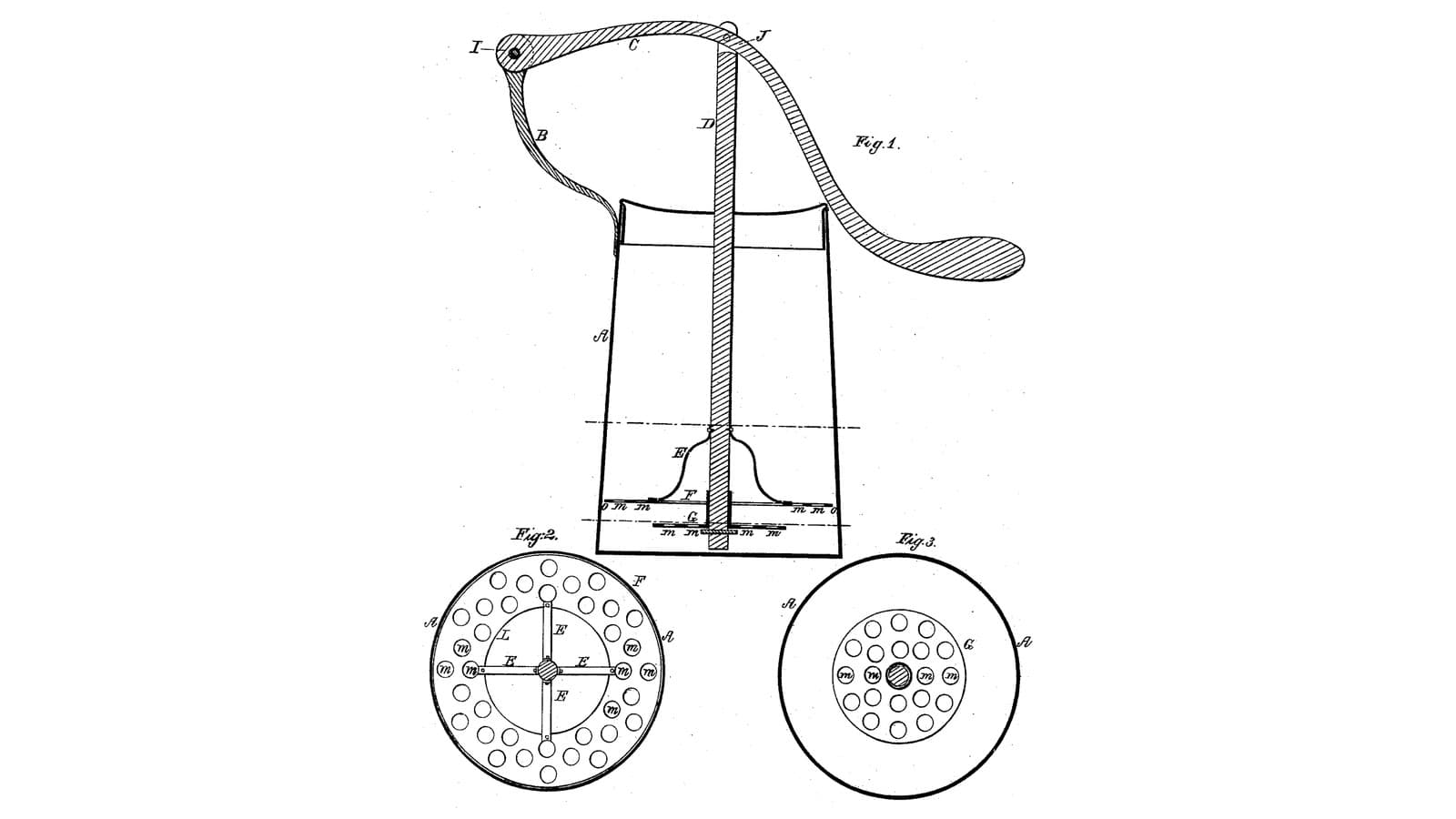
Star Valve-Dash Churn: A Lever Drives a Close-Fitting Perforated Dash, Its Centre Valve Shuts Going Down and Opens Coming Up
na Buttercup
Ububaji
0
0
0
0
0
0
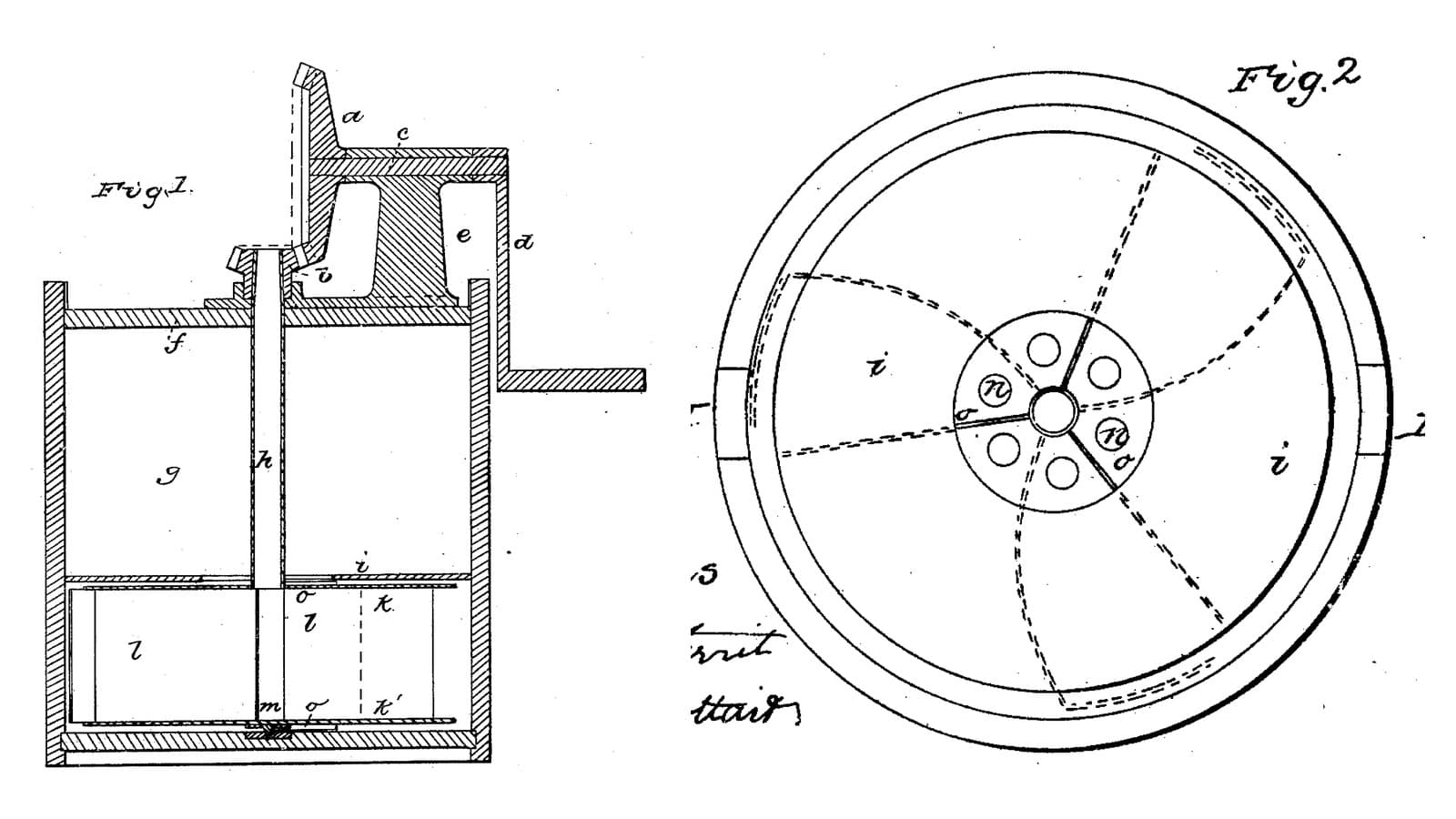
Centrifugal-Dasher Churn: Curved Wings on a Hollow Shaft Throw the Cream at the Wall, a Fixed Disk Turns It Back
na Buttercup
Ububaji
1
0
0
0
0
0
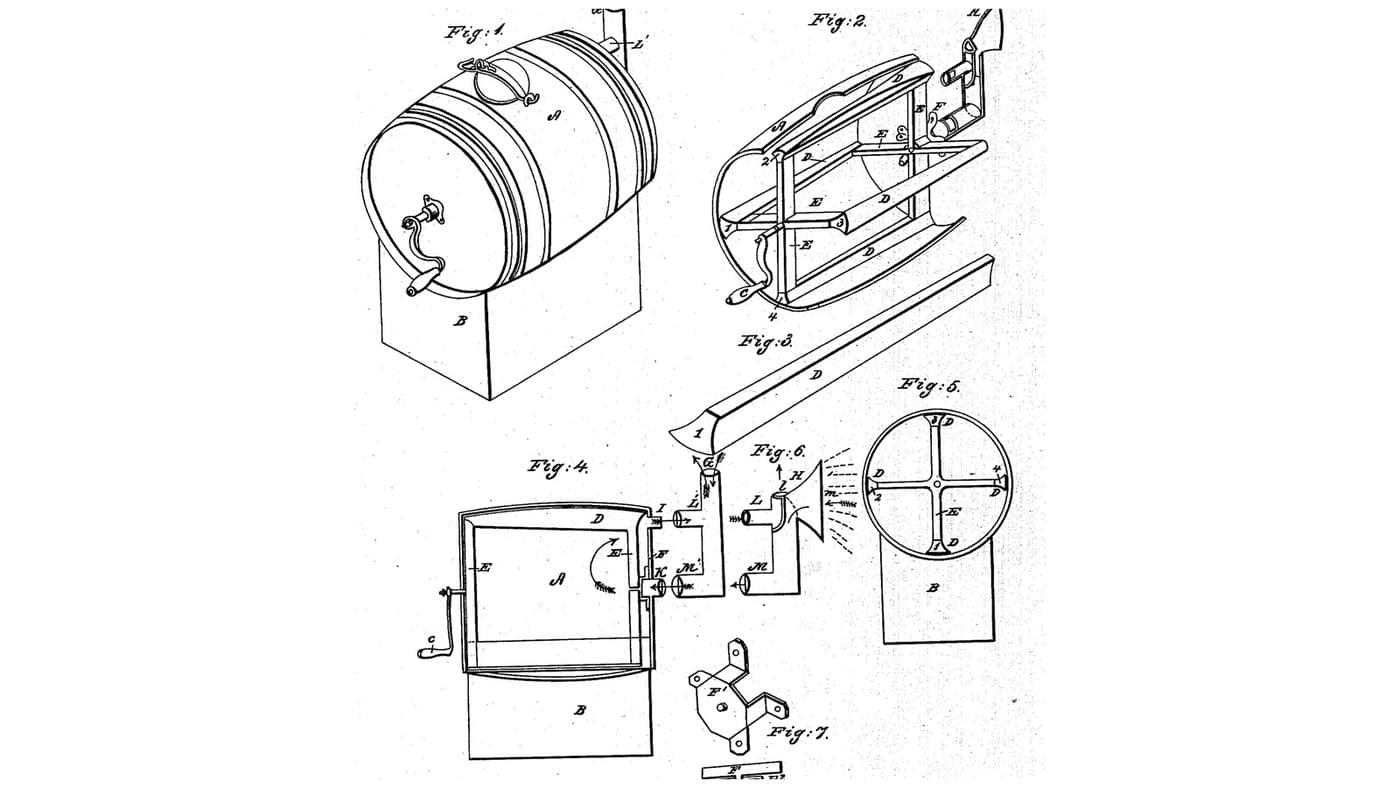
Atmospheric Barrel Churn: Reversed Concave Dashers Close to the Staves, Fresh or Warmed Air Piped to the Middle
na Buttercup
Ububaji
1
0
0
0
0
0

Churning Butter from Cream — The 5,000-Year-Old Fat Separation
na TheChef
UBUKORIKORI
60
0
0
0
0
0
CC0 Umurenge rusange
Iyi blueprint yasohowe munsi ya CC0. Ushobora gukoporora, guhindura, gukwirakwiza no gukoresha nta kwemererwa.
Shyigikira Umuremyi ugura ibicuruzwa binyuze muri Blueprint ye Komisiyo y'Umuremyi byashyizweho n'Abacuruzi, cyangwa kora verisiyo nshya y'iyi Blueprint ukayinjiza nk'isano muri Blueprint yawe kugira ngo musangire inyungu.