UBUHANZI
UBWIZA N'UBUZIMA
UBUKORIKORI
UMUCO N'AMATEKA
IMYIDAGADURO
IBIDUKIKIJE
IBIRIBWA N'IBINYOBWA
UBWUBATSI BUSUBIRA INYUMA
UBUMENYI
SIPORO
IKORANABUHANGA
IBYAMBARWA
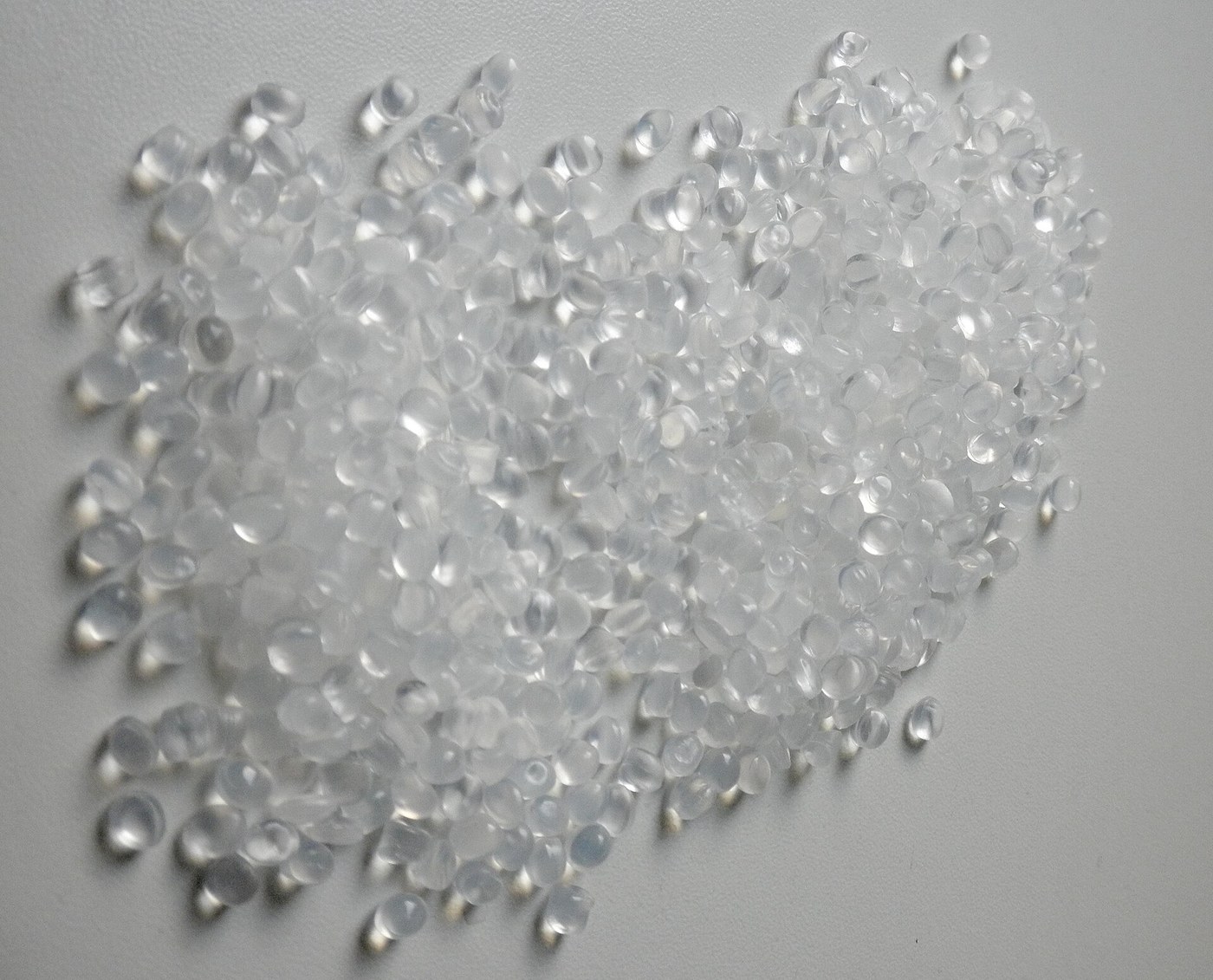


High-Pressure Polyethylene
In March 1933 Eric Fawcett and Reginald Gibson at ICI squeezed ethylene gas with benzaldehyde to about 1400 atmospheres and found a white waxy solid in the vessel. It could not be repeated reliably until 1935, when Michael Perrin's team traced the trick to a trace of oxygen that started the chains. The product was polyethylene - light, tough, a superb electrical insulator, and soon the cable insulation of wartime radar.
**US 2,153,553**, "Polymerization of olefins", Fawcett, Gibson and Perrin, assigned to Imperial Chemical Industries, granted 11. April 1939, claims "subjecting ethylene to a pressure above about 500 atmospheres and a temperature above about 100 C"; its example runs at 2000 atmospheres and 170 °C.
**Nobody reproduces 2000 atmospheres at home.** You work the polymer instead: fuse polyethylene bags into a tough sheet with an iron, then measure its density to tell high-pressure (branched, low-density) polyethylene from its later straight-chain sibling.
Utangiye
90 minutes
Amabwiriza
1
1
Sort the bags
Sort the bags
Collect clean, dry carrier or produce bags marked LDPE (recycling code 4). Cut off handles and seams; open each into a flat sheet.
Ibikoresho by'iyi ntambwe:
 Utufuka twa pulasitiki8 ibice
Ibikoresho bikenewe:
 Umukasi
2
2
Stack between parchment
Stack between parchment
Stack 6 layers of bag film, printed side inward, between two sheets of baking parchment. The film must never touch the iron.
Ibikoresho bikenewe:
 Impapuro zitekesha
3
3
Fuse with the iron
Fuse with the iron
Iron on a low-medium setting, no steam, moving constantly for 15 seconds. Ventilate. Too hot and it shrivels and smokes - lower the setting.
Ibikoresho bikenewe:
 Ipasi y'Umwuka
 Agapfukamunwa N95
4
4
Flip, repeat, cool
Flip, repeat, cool
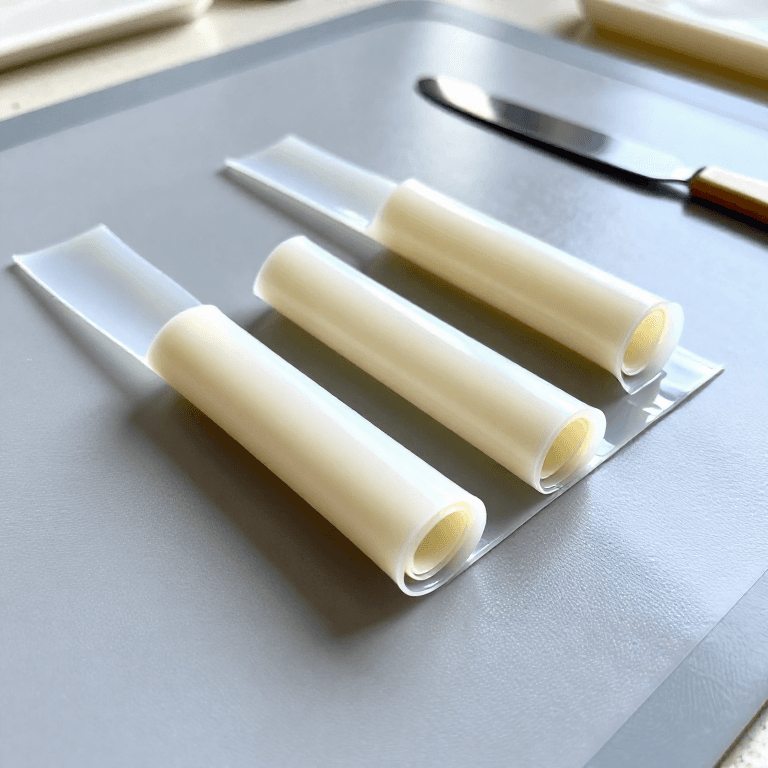
Flip and iron the other side. Peel the parchment once cool. Re-iron any bubbled patches. The layers are now one welded sheet.
Ibikoresho bikenewe:
Ipasi y'Umwuka5
5
Pull-test both
Pull-test both
Cut 20 mm strips from the fused sheet and from a single bag layer. Clamp each in the vise and pull with the spring scale. Record the peak force.
Ibikoresho bikenewe:
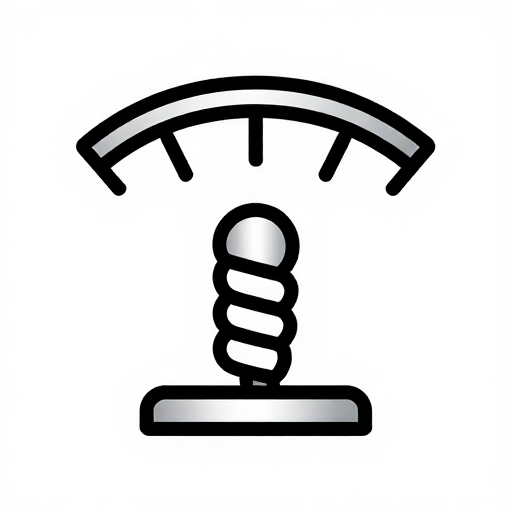 Igipima Imbaraga (Iminzani y'Umuzingo)
 Ifatiro ry'AmezaUmukasi
6
6
Float test
Float test
Pour 50 ml isopropyl alcohol into a beaker. Drop in a small chip of the sheet - it sinks. Add water 10 ml at a time, stirring, then 1 ml at a time once the chip starts to lift, until it hangs mid-liquid. Note the total water added.
Ibikoresho bikenewe:
 Igikombe cy'Ikirahure
 Igipimo cy'ikirahure gifite imirongo
 Agatsiko ka pipete n'igitonyanga
 Akati ko Kuvanga
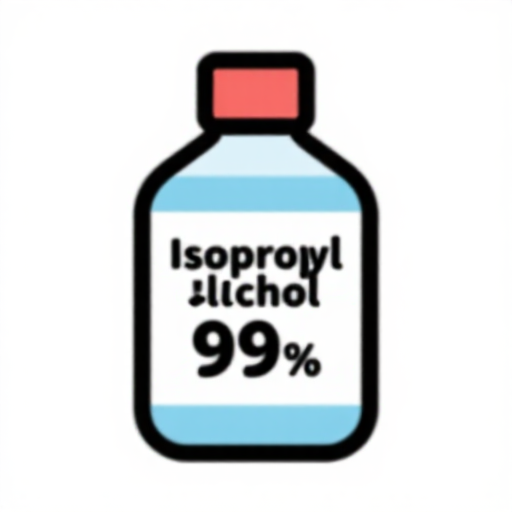 Alukoli ya isopropili 99 %
7
7
Pressure, density, siblings
Pressure, density, siblings
Gupakira ikaye ya Jupyter…
8
8
History & Context
History & Context
**What the patent specifies:** ethylene above about 500 atm and 100 °C (preferred 1000+ atm, 150–250 °C). **Modern build (derived):** post-consumer LDPE film, fused well below its decomposition temperature.
Low-pressure routes in the 1950s gave straight-chain, denser HDPE; both are still made in huge volumes because the branches that make LDPE weaker also make it softer and clearer. Limits: it creeps under load, softens around 100 °C, and burns.
Ibikoresho
1- 8 ibiceUmwanya
Ibikoresho bikenewe
11- Umwanya
- Umwanya
- Umwanya
- Umwanya
- Umwanya
- Umwanya
- Umwanya
- Umwanya
Blueprint zijyanye
Izi blueprint zisangira ubumenyi — uburyo, ibikoresho cyangwa amahame

CC0 Umurenge rusange
Iyi blueprint yasohowe munsi ya CC0. Ushobora gukoporora, guhindura, gukwirakwiza no gukoresha nta kwemererwa.
Shyigikira Umuremyi ugura ibicuruzwa binyuze muri Blueprint ye Komisiyo y'Umuremyi byashyizweho n'Abacuruzi, cyangwa kora verisiyo nshya y'iyi Blueprint ukayinjiza nk'isano muri Blueprint yawe kugira ngo musangire inyungu.