Kubaka itanura rya bloomery no gushongesha icyuma — Igihe cy'Icyuma
Amabwiriza
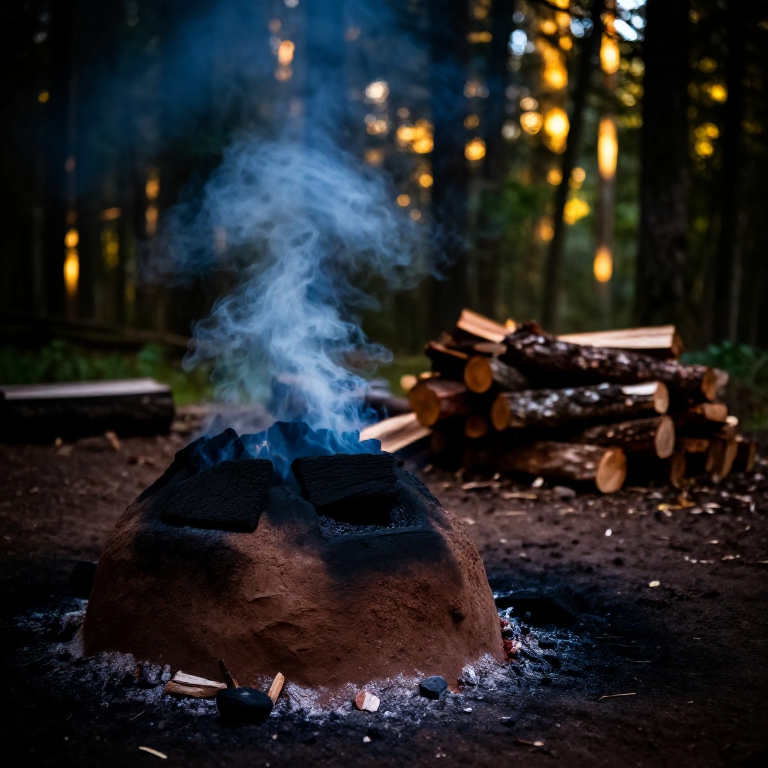
Icya ngombwa mbere: Gukora amakara y'inkwi
Icya ngombwa mbere: Gukora amakara y'inkwi
Gushongesha icyuma bitwika amakara menshi: mu ishongesha ryose, bloomery ikoresha amakara angana hafi n'amabuye mu buremere, wongeyeho amakara yo gushyushya mbere, bityo n'ishongesha rito ry'igerageza ritwara ibiro mirongo. Tegura ibyiciro byinshi hakiri kare.
Igishushanyo Kibanziriza
Making Charcoal — The First Chemical Process
Ibikoresho by'iyi ntambwe:
 Ifu y'amakara yakangutse40 kg
 Icyuma1 icyitegererezo
Ibikoresho bikenewe:
 Umuvuba
 Ingoyi
 Amafashi y'umucuzi
 Inyundo ifite umutwe wa buruta
 Ifatiro ry'Ameza
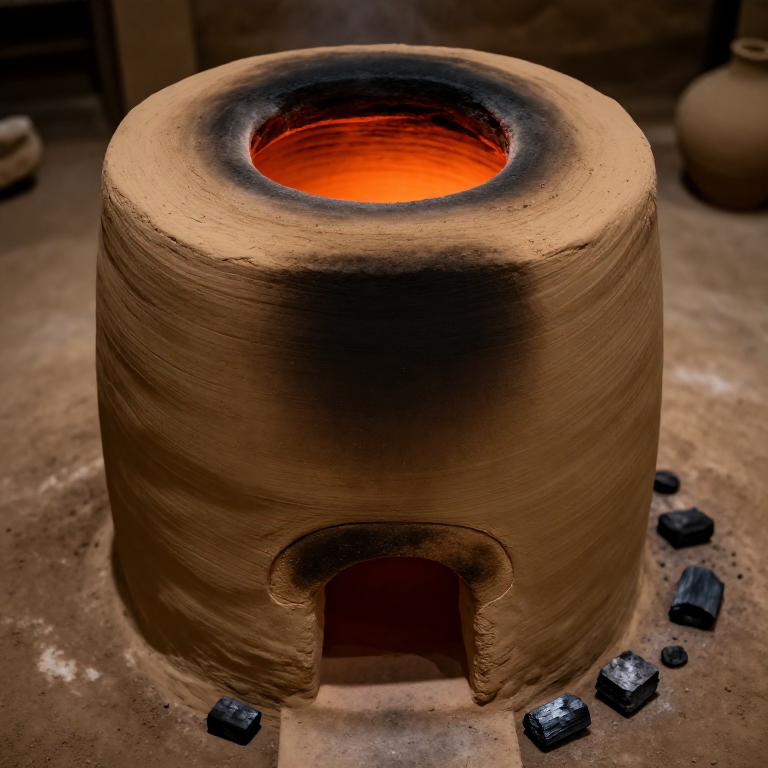
Icya ngombwa mbere: Kubaka itanura ry'ibumba
Icya ngombwa mbere: Kubaka itanura ry'ibumba
Ubumenyi bumwe bwo gukoresha ibumba, bwagurirwa itanura rya bloomery.
Igishushanyo Kibanziriza
Building a Clay Kiln — The First Furnace
Ibikoresho by'iyi ntambwe:
 Ibumba50 kg
Icya ngombwa mbere: Gushonga no gutunganya ubutare
Icya ngombwa mbere: Gushonga no gutunganya ubutare
Ukeneye ubuhanga bwo gukubita inyundo bwo muri iyi blueprint kugira ngo ukomeze bloom.
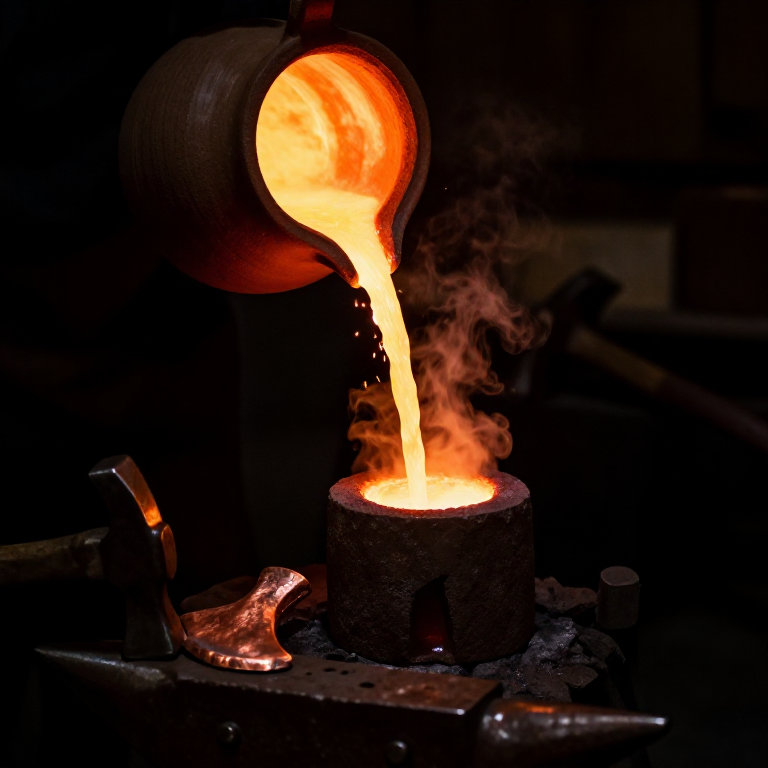
Igishushanyo Kibanziriza
Casting Copper Tools — Shaping the First Metal
Kubaka itanura rya bloomery
Kubaka itanura rya bloomery
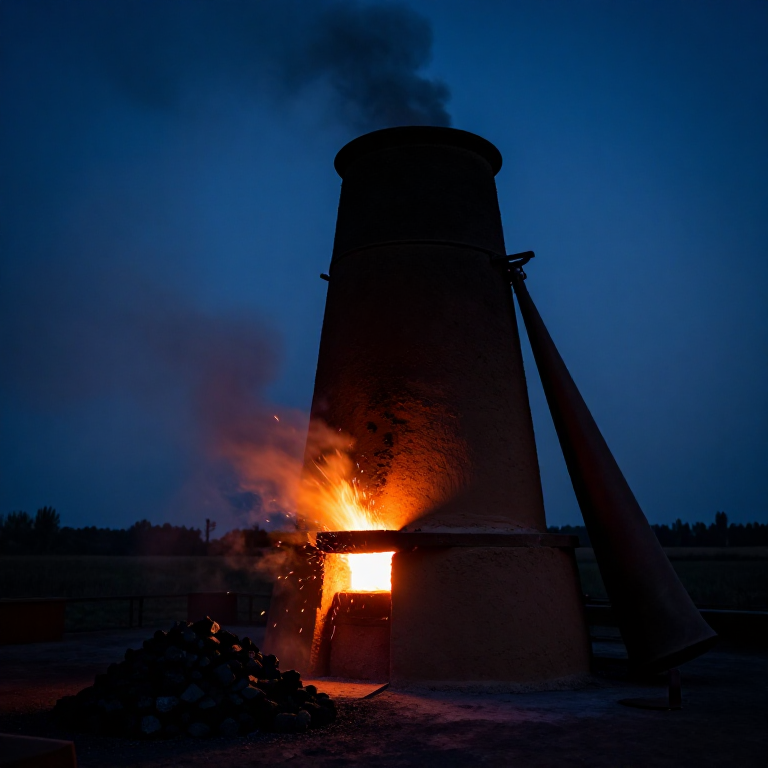
Igishushanyo: Itanura rimeze nk'umuyoboro
Bloomery ni umuyoboro muremure urema inkingi igabanya — amabuye n'amakara bishyirwamo hejuru, umwuka ugahuhwa hasi, maze bloom y'icyuma ikegeranyirizwa hasi.
Ibipimo
- Uburebure: cm 80-120, ingano isanzwe ku matanura mato y'igerageza (umuyoboro muremure uha gazi igihe kinini cyo kugabanya amabuye)
- Umurambararo w'imbere: cm 25-35
- Ububyimba bw'urukuta: cm 10-15 (uruvange rw'ibumba n'umucanga, kimwe n'itanura)
- Tuyère (umuyoboro w'umwuka): umuyoboro w'ibumba ufite umwenge wa santimetero nkeya, winjira mu rukuta hafi y'hasi, hejuru y'urwobo rw'itanura, ugahengamira hasi werekeza hagati. Uburebure n'inguni bitandukana hagati y'ibishushanyo by'amatanura byageragejwe, bityo ubikure ku gishushanyo kimwe cyanditswe aho kuvanga imibare
- Umuryango wo gukuramo (si ngombwa): umwenge uri hasi wo gukuramo bloom, ufungwa n'ibumba mu gihe cyo gushongesha
Kubaka
- Kora hasi h'ibumba hazengurutse hafite urwobo rugufi rumeze nk'igikombe (urwobo rw'itanura). Aha ni ho bloom ikorerwa.
- Koresha uburyo bwo kuzinga ibumba (coil) bwo muri Blueprint 02, ubuzamura cyane.
- Shyiramo tuyère (umuyoboro w'ibumba) unyuze mu rukuta ku burebure igishushanyo wahisemo kigena, hejuru y'urwobo.
- Reka ryume mu minsi myinshi kugeza ku cyumweru cyangwa kirenga, bitewe n'ikirere. Bloomery irabyibushye kurusha itanura, ikenera igihe kirekire cyo kuma.
- Rikomeze ukoresheje imiriro igenda irushaho gushyuha (uburyo bumwe n'ubwo muri Blueprint 02).
Ibikoresho by'iyi ntambwe:
Ifu y'amakara yakangutse40 kgIcyuma1 icyitegererezoIbumba ry'inkono ritwikwa ku bushyuhe buke50 kgGushongesha icyuma
Gushongesha icyuma
Gutegura amabuye
- Tekesha amabuye mu muriro ufunguye amasaha make. Ibi bikuramo ubuhehere n'igice cy'imyanda, bigahindura oxyde zirimo amazi, kandi bigatuma amabuye akomeye yoroha kumenagura.
- Menagura amabuye yatekeshejwe agere ku bunini bw'agahuza (hazelnut) (cm 1-2). Si akantu gato cyane — umwuka ugomba kunyuramo.
- Oza amabuye yamenaguwe kugira ngo ukuremo ibumba n'imyanda yoroheje.
Ishongesha (amasaha 6-10)
- Gushyushya mbere: Uzuza bloomery amakara y'inkwi maze uyacane. Reka yake hamwe n'imivuba (bellows) hafi isaha imwe, wongeramo amakara, kugeza umuyoboro wose ushyushye.
- Ishyirwamo rya mbere: Shyiramo igice cy'amakara gipimwe, hanyuma hejuru yacyo igice cy'amabuye gipimwe. Pima ibyo ushyiramo aho kugenekereza ku bubyimba bw'ibice: mu ishongesha ryose, amakara n'amabuye bikoreshwa mu buremere bungana hafi, kandi amakara atuma aho hantu hakomeza kugabanya.
- Gukomeza gushyiramo: Buri gihe inkingi imaze kumanuka ingana n'igice kimwe, ongeraho hejuru ikindi gice cy'amakara hanyuma amabuye.
- Imivuba — NTA GUHAGARARA: Abantu babiri basimburana, cyangwa umuvuba ukora mu byerekezo bibiri. Umwuka ntugomba guhagarara: nta mwuka uhuhwa, itanura rikonja vuba.
- Gusohora slag: Slag yashonze (ikirahure cyashonze kuri ~1200 °C) yegerana hejuru ya bloom. Niba itanura rifite umwenge wo gusohora, uwufungure buri gihe ngo slag isohoke. Niba ritawufite, slag iguma mu rwobo, bityo urwobo rugomba kuba rurerure bihagije kugira ngo slag itazamuka ikagera kuri tuyère igafunga umwuka.
- Igihe: amasaha 6-10 y'akazi kadahagarara. Ishongesha rirangira umaze gutunganya amabuye yawe yose.
Ibiba imbere
Fe₂O₃ + 3CO → 2Fe + 3CO₂ (kuri ~800-1200 °C)
Monoxyde de carbone (ivuye mu makara) igabanya oxyde y'icyuma ikaba icyuma cy'ubutare. Ariko bitandukanye n'umuringa, icyuma ntigishonga na rimwe — kigaragara nk'uduce dukomeye twifatanya tukaba ikibumbe gifite utwobo (bloom) kiri mu kidendezi cya slag yashonze.
Ibikoresho by'iyi ntambwe:
Ifu y'amakara yakangutse40 kgIcyuma1 icyitegererezoIbumba ry'inkono ritwikwa ku bushyuhe buke50 kgGukuramo no gukomeza bloom
Gukuramo no gukomeza bloom
Gukuramo bloom
- Kuramo bloom ku mpera y'ishongesha igihe ikiri ku bushyuhe bwo gusudira; ni bwo byoroshye kuyikomeza ako kanya, kandi ishobora kongera gushyushywa nyuma.
- Niba ufite umuryango wo gukuramo: menagura ifunga ry'ibumba maze ukurure bloom ukoresheje ifata.
- Niba nta muryango: menagura igice cyo hasi cy'itanura kugira ngo ukuremo bloom. (Itanura rishobora gutakazwa — amatanura menshi ya bloomery ya kera yakoreshwaga rimwe gusa.)
Ibyo ukwiye kubona
Ikibumbe gikakaye gifite utwobo — ku ishongesha rito, akenshi kingana na pomelo nini (grapefruit) — gifite ibara ry'ikigina gitukura kugeza ku kijuju cyijimye, kimeze nka eponji, gifite slag imeze nk'ikirahure ifatiwe hose. Iyi ni yo bloom yawe.
Gukomeza (Intambwe y'ingenzi)
Bloom mbisi yuzuyemo slag, uduce tw'amakara n'ibyuho. Igomba gukubitwa inyundo igishyushye kugira ngo imyanda ikamurwe maze uduce tw'icyuma dusudirwe hamwe:
- Kora kuri bloom ku bushyuhe bwo gusudira — umuhondo ucyeye kugeza ku mweru w'umuhondo — uyongere gushyushya mu ruganda rw'umucuzi buri gihe ikonje.
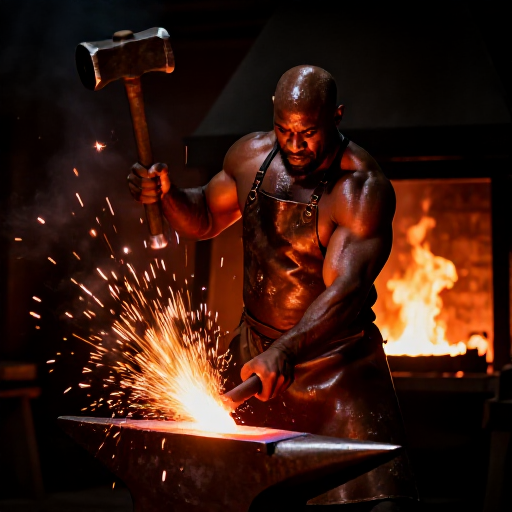
- Yishyire ku ibuye ry'umucuzi (anvil) maze utangire ukubita buhoro: bloom ikivamo iroroshye kumeneka kandi ishobora gusenyuka. Kubita cyane uko igenda ifatana — slag isohoka nk'ibishashi n'ibitonyanga. Ni ibintu bitangaje kandi biteje akaga; ambara ibirinda amaso kandi ushyire abareba kure.
- Imaze gukomera, yikate, uyizinge kandi wongere uyisudire kugira ngo irusheho gusukurwa. Tegereza gushyushya inshuro nyinshi.
- Buri gusudira gufunga ibyuho byinshi kandi gusohora slag nyinshi.
- Nyuma yo gukomeza, uba ufite inkoni mbisi y'icyuma gicuzwe (wrought iron).
Urunigi rw'ubuvumbuzi rwuzuye
Ubu wakurikiye inzira kuva ku giti → amakara y'inkwi → itanura → umuringa → umuringa w'umuhondo (bronze) → icyuma. Buri ntambwe yubakiye ku yayibanjirije. Buri imwe yasabye ubumenyi bwagiye bwiyongera. Uko ni ko ubuvumbuzi bukora — si nk'ibivumbuwe byitaruye, ahubwo ni nk'urunigi ruhuriweho aho buri bushobozi butuma ubukurikira bushoboka.
Ibikurikiraho
Icyuma cyawe cya bloom kirakora ariko kiroroshye. Ubuvumbuzi bukurikiraho mu runigi:
- Kongeramo karubone (carburization): funika icyuma mu makara ugishyushye amasaha menshi → karubone yinjiramo → ibyuma bikomeye (steel)
- Kuzimya (quenching): shyushya steel kugeza itukura, uyinike mu mazi → martensite irakorwa → irakomera cyane ariko ivunika vuba
- Koroshya (tempering): ongera ushyushye steel yazimijwe ku bushyuhe bwagenwe (ibara ry'ubururu rya tempering riri hafi 300 °C) → itakaza gato ubukomere igahabwa ubudahangarwa bwinshi cyane
- Gusudira kw'ibishushanyo (pattern welding): zinga maze usudire hamwe steel zifite karubone zitandukanye → steel isudiwe ifite ibishushanyo (akenshi yitwa nabi "Damascus")
Buri kimwe muri ibyo kizaba blueprint izaza mu Nzira y'Ubuvumbuzi.
Ibikoresho by'iyi ntambwe:
Ifu y'amakara yakangutse40 kgIcyuma1 icyitegererezoIbumba ry'inkono ritwikwa ku bushyuhe buke50 kgIbikoresho
7- Umwanya
- Umwanya
- 30 ibiceUmwanya
- 1 icyitegererezoUmwanya
- 1 icyitegererezoUmwanya
- 40 kgUmwanya
Ibikoresho bikenewe
5- Umwanya
- Umwanya
- Umwanya
- Umwanya
Ibikoresho by'Ibishushanyo Bifitanye Isano
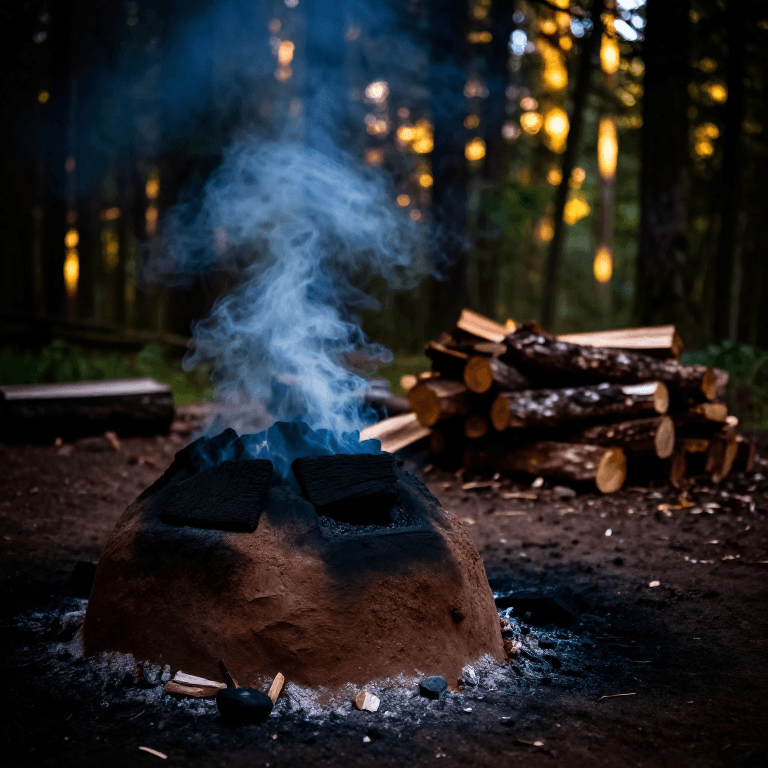
Making Charcoal — The First Chemical Process
na Mary
Mbere y'Amateka
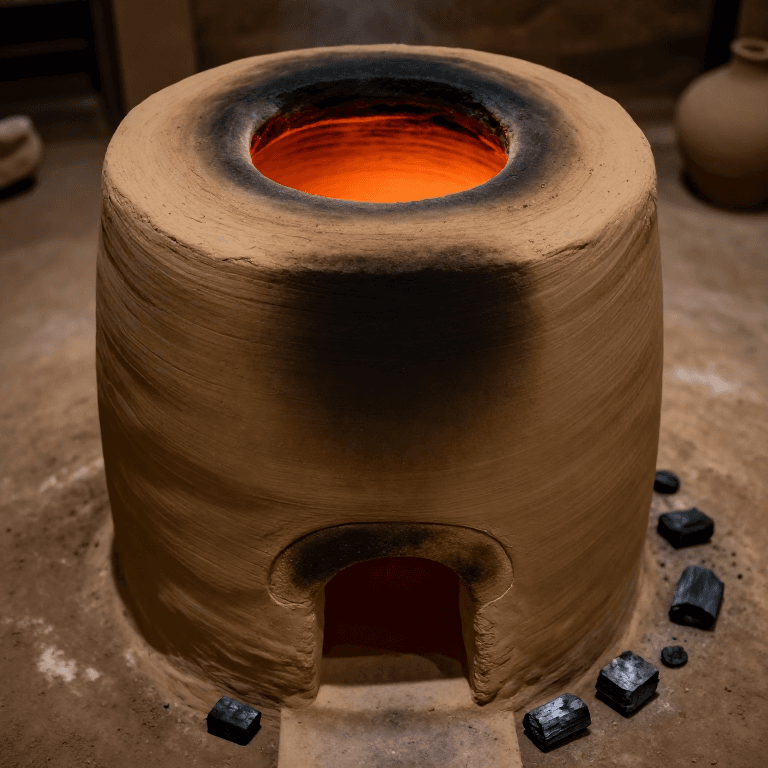
Building a Clay Kiln — The First Furnace
na Forge
Ubucuzi bw'Ibyuma
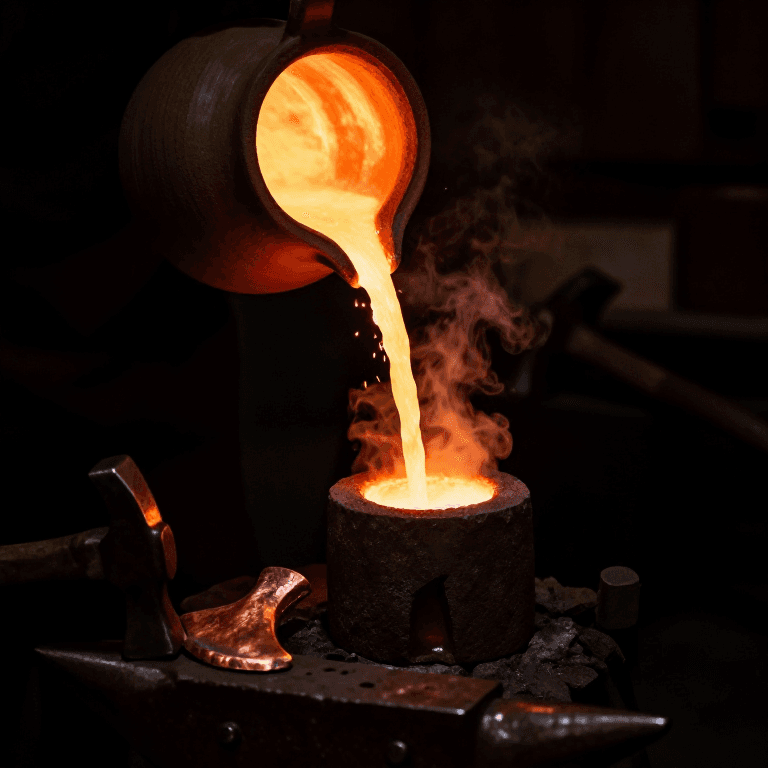
Casting Copper Tools — Shaping the First Metal
na Forge
UBUKORIKORI
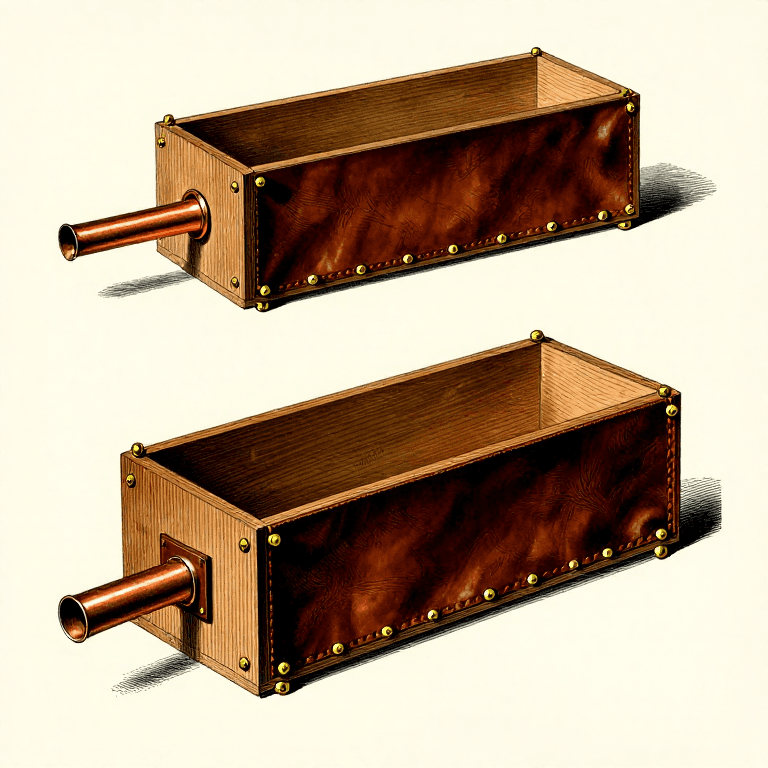
Building a Box Bellows — The Breath That Makes Metal Obey Fire
na Emma
Ububaji
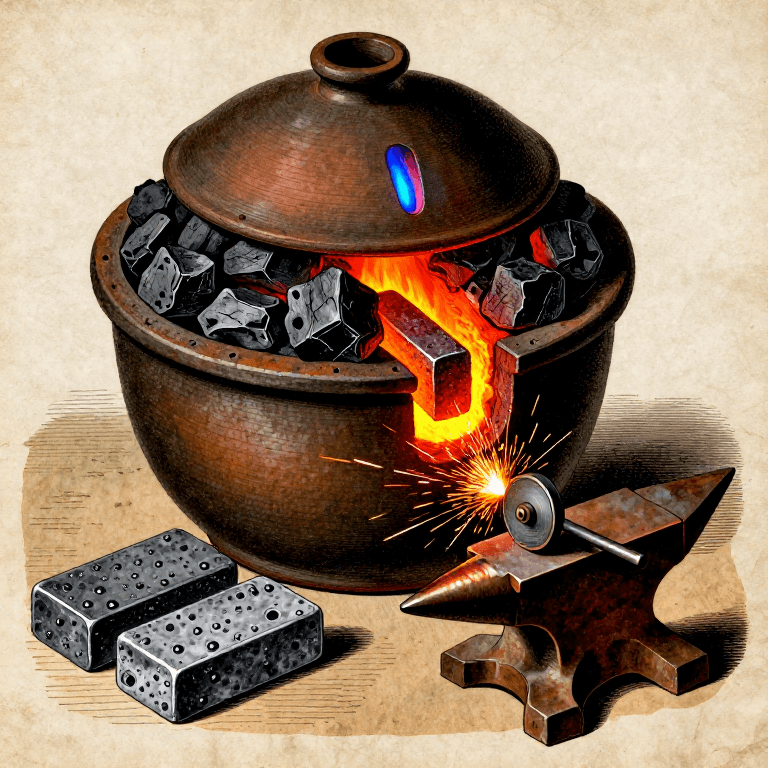
Alloying Steel from Iron and Carbon — The Metal That Built the Modern World
na Mary
Ubucuzi bw'Ibyuma
CC0 Umurenge rusange
Iyi blueprint yasohowe munsi ya CC0. Ushobora gukoporora, guhindura, gukwirakwiza no gukoresha nta kwemererwa.
Shyigikira Umuremyi ugura ibicuruzwa binyuze muri Blueprint ye Komisiyo y'Umuremyi byashyizweho n'Abacuruzi, cyangwa kora verisiyo nshya y'iyi Blueprint ukayinjiza nk'isano muri Blueprint yawe kugira ngo musangire inyungu.