Ubufatanye
UBUHANZI
UBWIZA N'UBUZIMA
UBUKORIKORI
UMUCO N'AMATEKA
IMYIDAGADURO
IBIDUKIKIJE
IBIRIBWA N'IBINYOBWA
UBWUBATSI BUSUBIRA INYUMA
UBUMENYI
SIPORO
IKORANABUHANGA
IBYAMBARWA
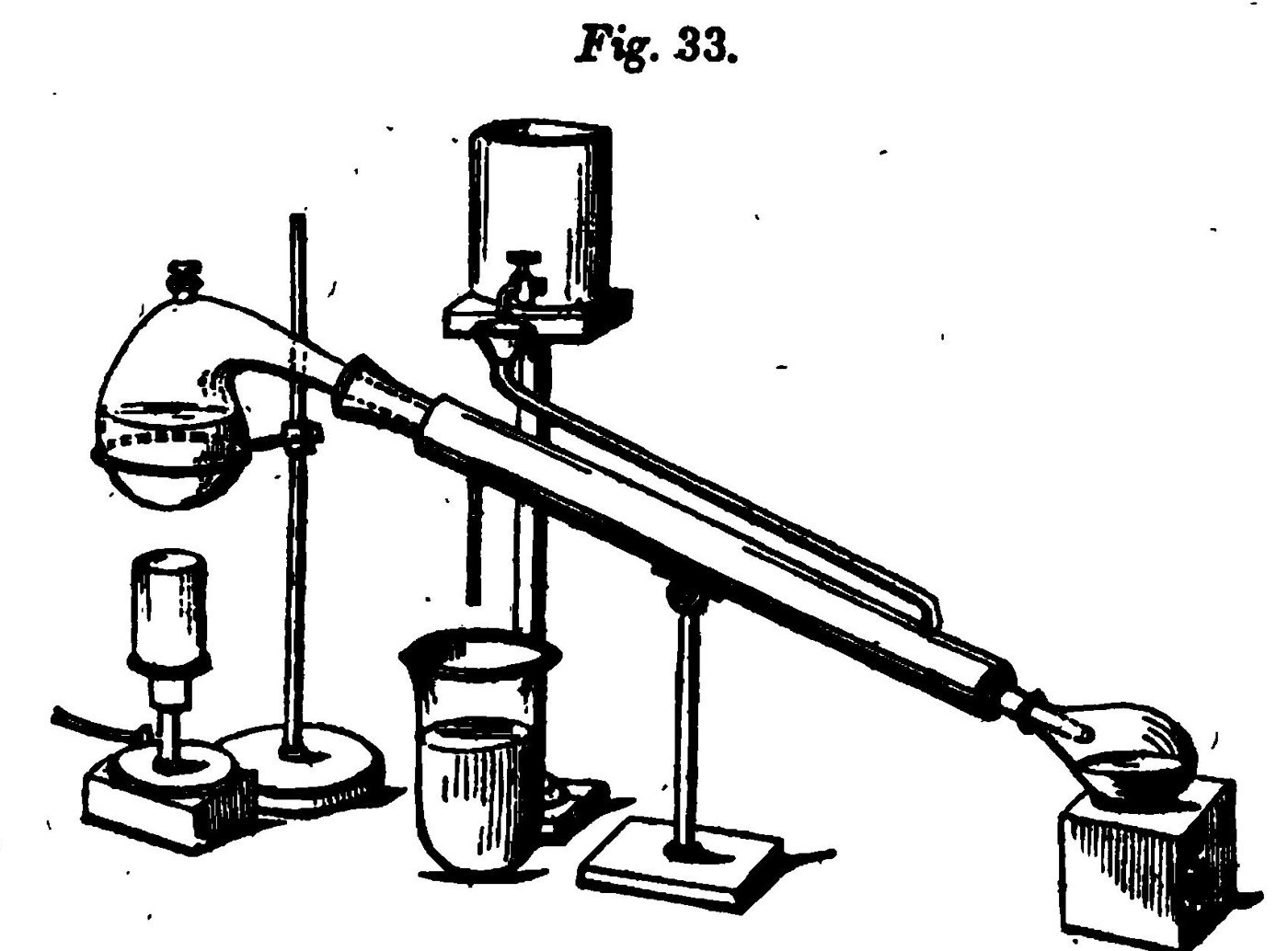


Water-Cooled Condenser: Liebig's Glass Tube Corked in a Metal Pipe (Fownes, 1847)
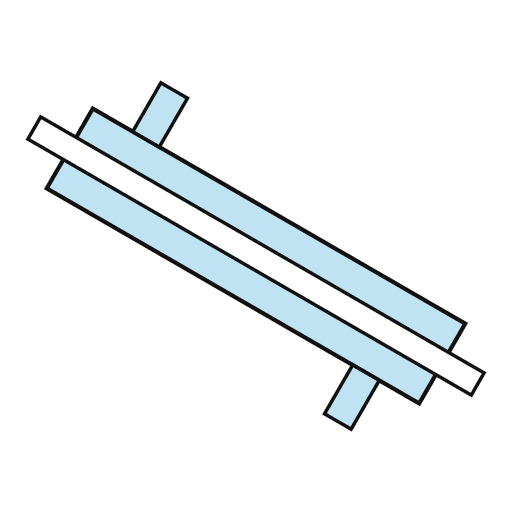
Liebig's condenser as Fownes described it in 1847: a glass tube, tapering from end to end, held by bored corks in the centre of a metal pipe, with tubes that let a current of cold water run through the pipe around it. Vapour from a retort passes down the glass tube, condenses and runs into the receiver.
With a few pieces of ice in the little cistern the water stays at 32 °F (0 °C), and even very volatile liquids condense.
Unknown: the metal of the pipe, the material of the water tubes and all sizes. Fownes does not give them.
Source: G. Fownes, Elementary Chemistry (1847), p. 46 and Fig. 33. Picture: Fig. 33.
Hagati
Unknown
Amabwiriza
1
1
Cork the glass tube into the pipe
Cork the glass tube into the pipe
Bore a cork for each end of the metal pipe. Pass the glass tube, which tapers from end to end, through both corks so that it is held in the centre of the pipe. Ours: the cork borer.
Ibikoresho by'iyi ntambwe:
 Umuheha w'ikirahure1 tapering from end to end
 Icyuma kitazwi1 the pipe
 Ibipfundikizo by'ikorogo2 perforated
 Ingano zitazwi1 igice
Ibikoresho bikenewe:
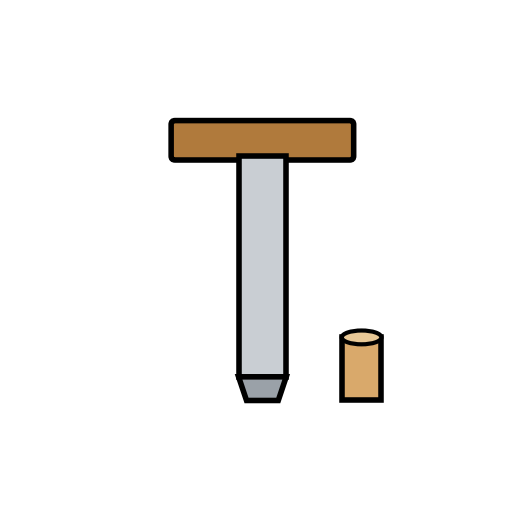 Igitobora ikizibo
2
2
Fit the water tubes
Fit the water tubes
Provide the pipe with tubes so arranged that a current of cold water can circulate through it. As drawn in Fig. 33, the water comes from a little cistern with a cock, standing above the apparatus, down to the lower end of the pipe, and leaves at the upper end into a jar.
Ibikoresho by'iyi ntambwe:
 Ibikoresho bitazwi1 water tubes and cistern
Ibikoresho bikenewe:
Igitobora ikizibo3
3
Run the cold water
Run the cold water
While distilling, let cold water flow from the cistern through the pipe. For very volatile liquids put a few pieces of ice into the cistern: the water then stays at 32 °F (0 °C).
Ibikoresho bikenewe:
 Amazi
 Urubura rwamenwe
Ibikoresho
5- 1 tapering from end to endUmwanya
- 1 the pipeUmwanya
- 2 perforatedUmwanya
- 1 igiceUmwanya
- 1 water tubes and cisternUmwanya
Ibikoresho by'Ibishushanyo Bifitanye Isano

Iki gishushanyo gikora
CC0 Umurenge rusange
Iyi blueprint yasohowe munsi ya CC0. Ushobora gukoporora, guhindura, gukwirakwiza no gukoresha nta kwemererwa.
Shyigikira Umuremyi ugura ibicuruzwa binyuze muri Blueprint ye Komisiyo y'Umuremyi byashyizweho n'Abacuruzi, cyangwa kora verisiyo nshya y'iyi Blueprint ukayinjiza nk'isano muri Blueprint yawe kugira ngo musangire inyungu.