Ubufatanye
UBUHANZI
UBWIZA N'UBUZIMA
UBUKORIKORI
UMUCO N'AMATEKA
IMYIDAGADURO
IBIDUKIKIJE
IBIRIBWA N'IBINYOBWA
UBWUBATSI BUSUBIRA INYUMA
UBUMENYI
SIPORO
IKORANABUHANGA
IBYAMBARWA
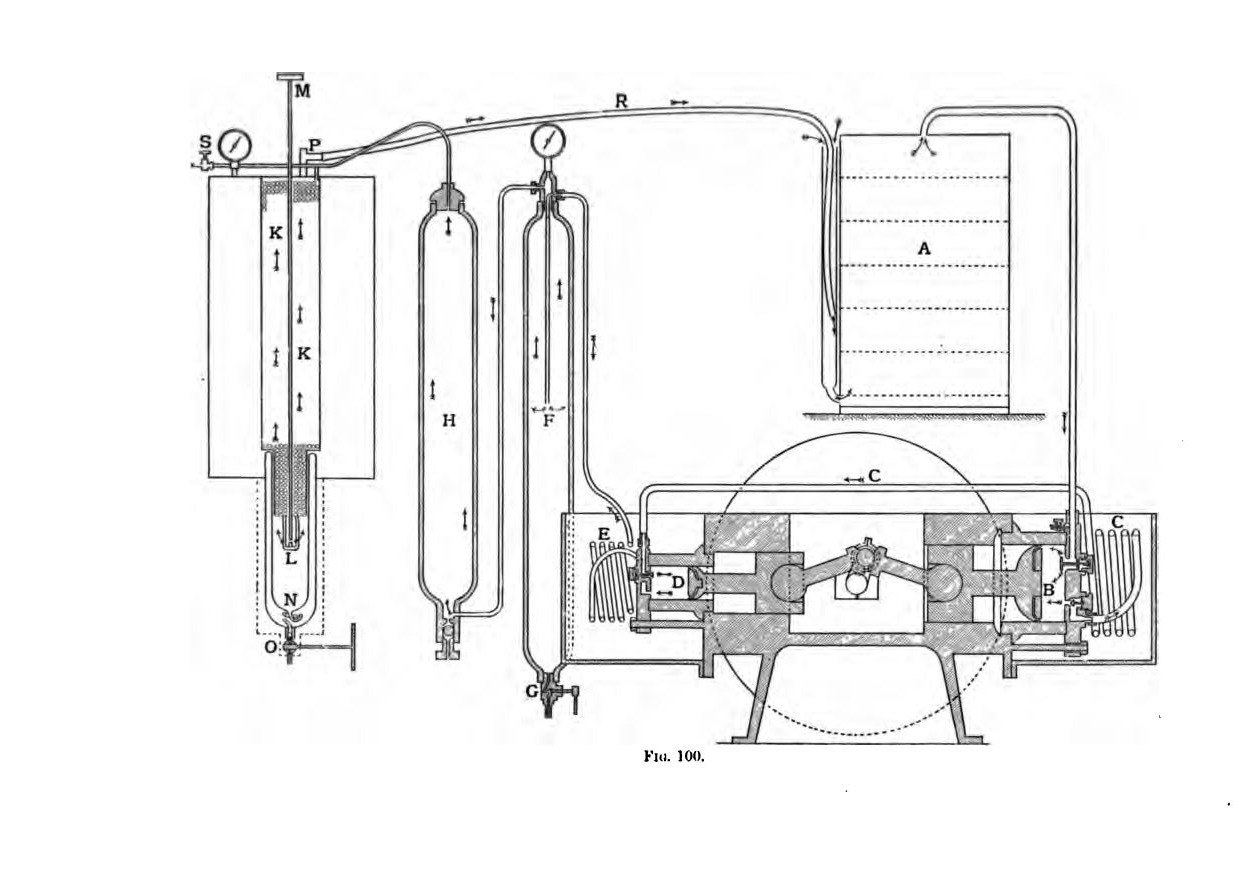


Liquid Air: Air Compressed to 170 Atmospheres and Expanded through the Hampson Liquefier (Travers 1901)
Air freed of carbon dioxide and water is pumped to about 170 atmospheres and let out through a fine valve at the foot of long copper coils. The expanding air cools a little and flows back over the coils, cooling the air coming down, until some of it turns liquid and drips into a vacuum vessel.
Result: liquid air, about 1-1.5 litres an hour, the first after about four minutes.
Source: M. W. Travers, The Experimental Study of Gases (1901), pp. 190-194, Fig. 100 (shown above). High pressure and liquid air: Travers warns that a sudden fault can cause a serious accident.
Hejuru
1 day
Amabwiriza
1
1
Draw air through slaked lime
Draw air through slaked lime
Draw the air into the compressor through a cylinder of moist slaked lime spread on trays.
Ibikoresho by'iyi ntambwe:
 Umwuka wo mu kirere - Isi1 as required
Ibikoresho bikenewe:
 Hidorogiside ya kalisiyumu (ishwagara yazimye)
2
2
Compress in two stages
Compress in two stages
Compress in two stages to 160-180 atmospheres (the first to about 16), each stage followed by a copper coil in running water and then a water separator. A little water goes in with the air to lubricate; blow it off from the separator now and then. Travers' compressor was driven by a 5 horse-power electric motor.
Ibikoresho bikenewe:
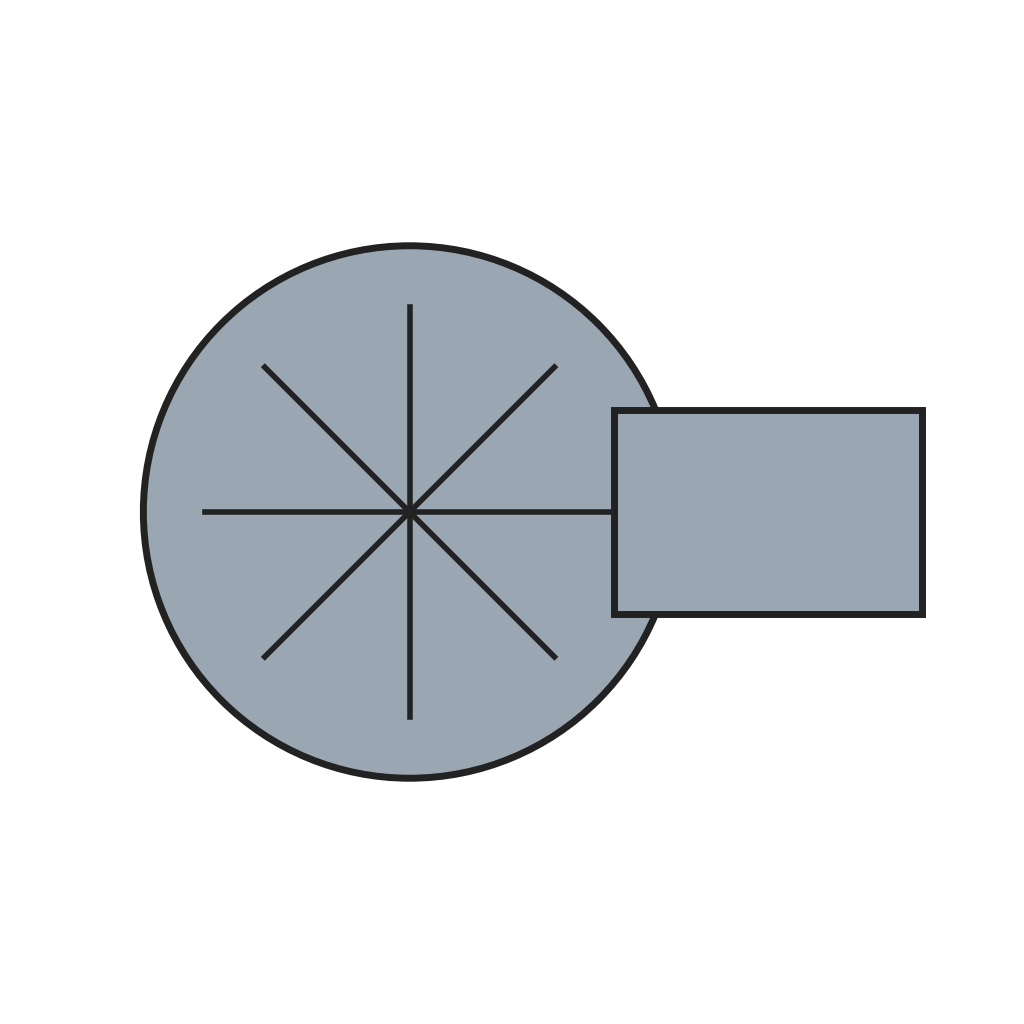 Igikandamiza gazi
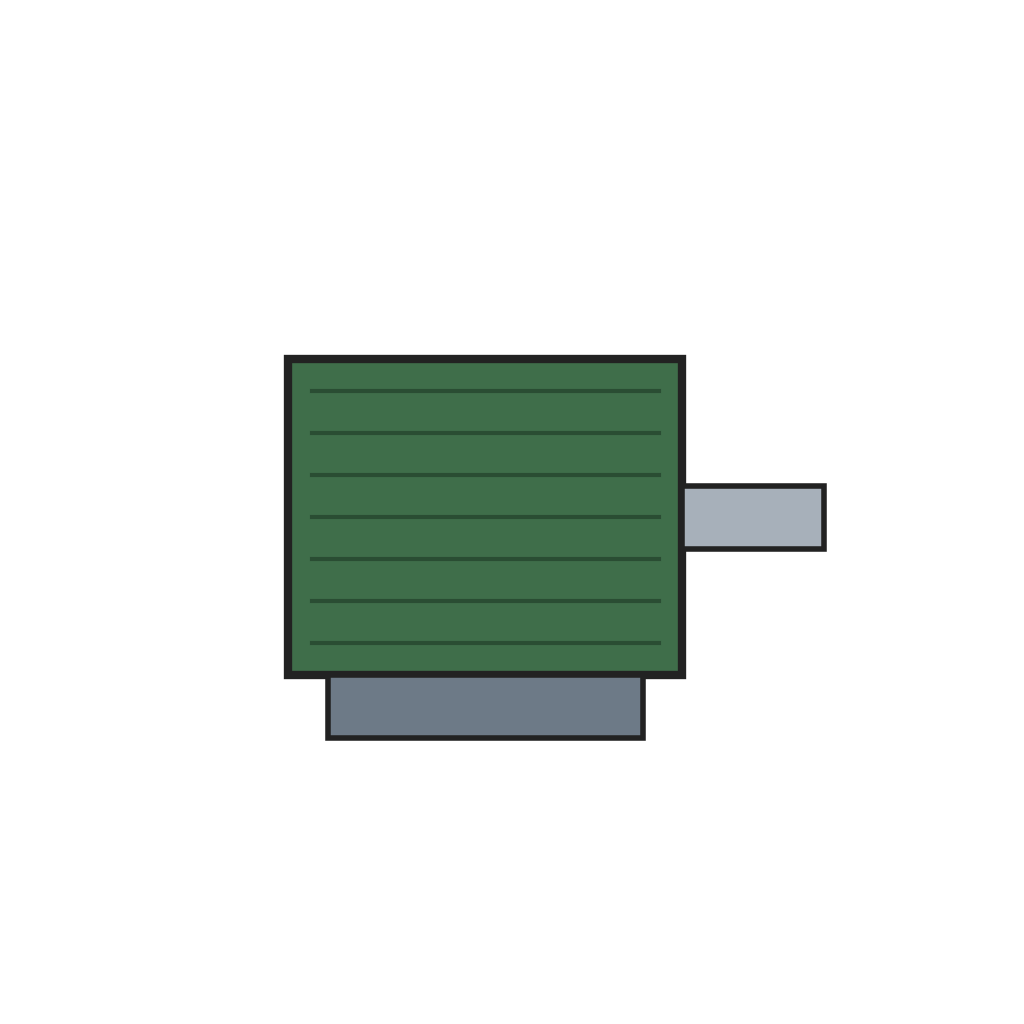 Moteri y'amashanyarazi
 Amazi
 Igipima Umuvuduko
3
3
Dry over caustic potash
Dry over caustic potash
Pass the air through a cylinder of lumps of caustic potash to take out the water vapour and the last carbon dioxide. Run off the little water that collects after some weeks.
Ibikoresho bikenewe:
 Idorokiside ya potasiyumu
4
4
Liquefy
Liquefy
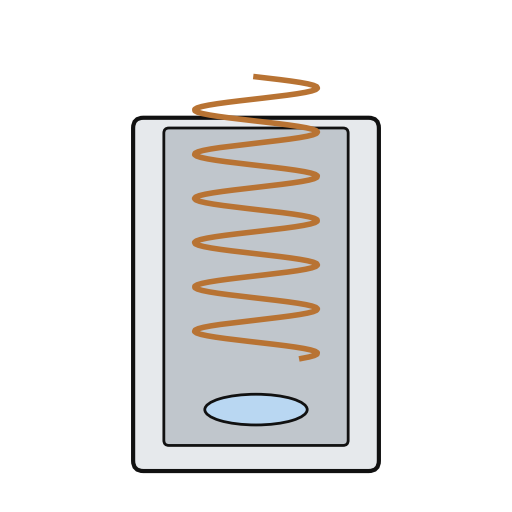
Lead the dry air into the Hampson liquefier, its lower end and valve inside a vacuum vessel. Start the motor, blow a little air through, close the valve and let the pressure rise to 170 atmospheres. Open the valve and keep the flow steady by the glycerol gauge on the exit (about 10 cm of glycerol with an exit rubber tube 80 cm long and 2 cm across). Liquid air appears in about four minutes; about 5 % of the air liquefies.
Ibikoresho bikenewe:
 Igikoresho cya Hampson gihindura umwuka amazi
 Ikintu cy'ubusa (Dewar)
 Umuyoboro wa kawusu
 GirisiroliIgipima Umuvuduko
5
5
Draw it off, watch the machine
Draw it off, watch the machine
Run off the liquid air through the tap from time to time, about 1-1.5 litres an hour. Watch the machinery the whole time.
Ibikoresho bikenewe:
Ikintu cy'ubusa (Dewar)Ibikoresho
1- 1 as requiredUmwanya
Ibikoresho bikenewe
10- Umwanya
- Umwanya
- Umwanya
- Umwanya
- Umwanya
- Umwanya
- Umwanya
- Umwanya
Iki gishushanyo gikora
CC0 Umurenge rusange
Iyi blueprint yasohowe munsi ya CC0. Ushobora gukoporora, guhindura, gukwirakwiza no gukoresha nta kwemererwa.
Shyigikira Umuremyi ugura ibicuruzwa binyuze muri Blueprint ye Komisiyo y'Umuremyi byashyizweho n'Abacuruzi, cyangwa kora verisiyo nshya y'iyi Blueprint ukayinjiza nk'isano muri Blueprint yawe kugira ngo musangire inyungu.