Ubufatanye
UBUHANZI
UBWIZA N'UBUZIMA
UBUKORIKORI
UMUCO N'AMATEKA
IMYIDAGADURO
IBIDUKIKIJE
IBIRIBWA N'IBINYOBWA
UBWUBATSI BUSUBIRA INYUMA
UBUMENYI
SIPORO
IKORANABUHANGA
IBYAMBARWA
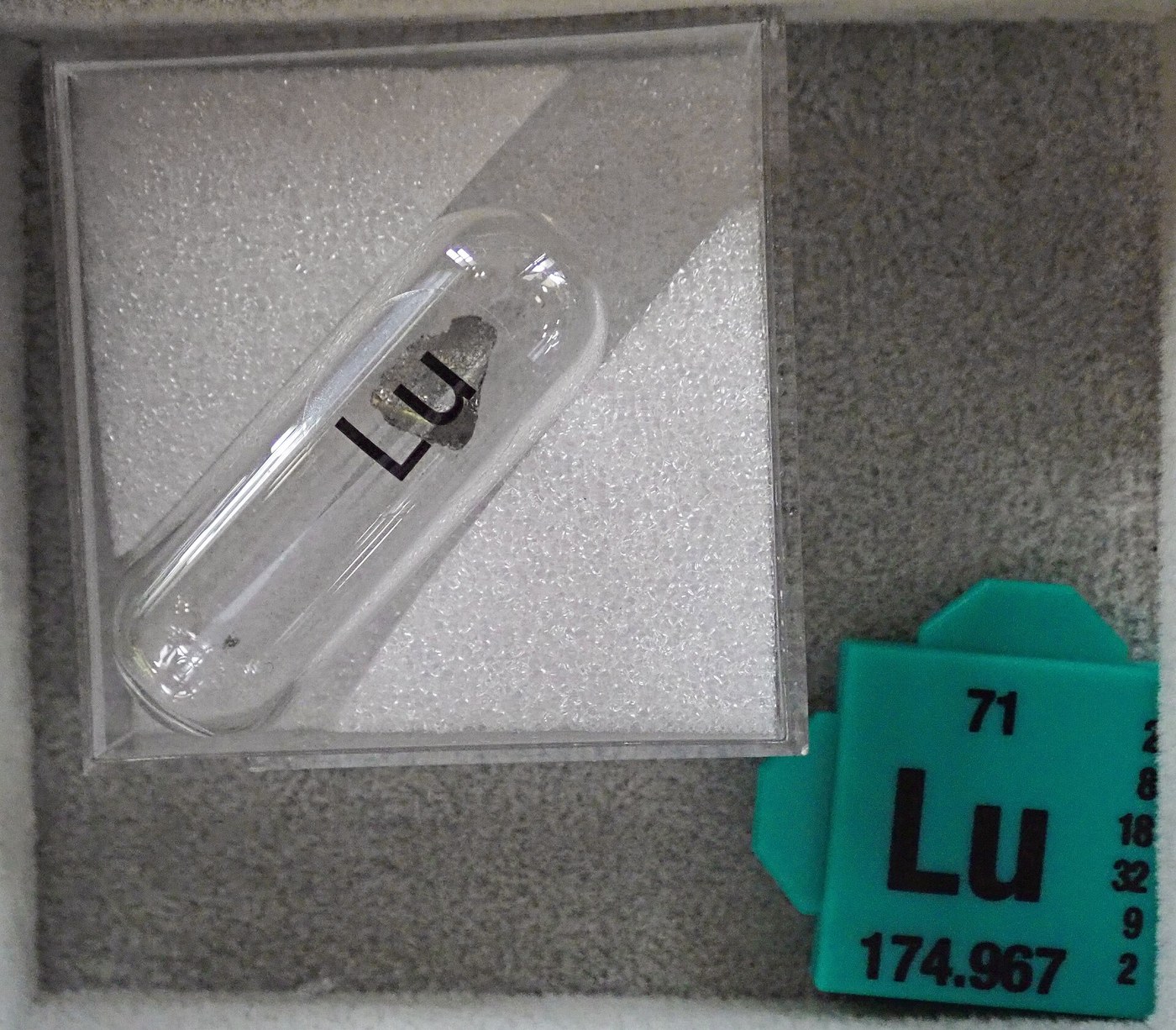

Lutetium: Fluoride Reduced by Calcium in Tantalum under Argon, Remelted under Half an Atmosphere of Argon (Spedding and Daane, 1954)
How Ames Laboratory first made lutetium metal. Calcium takes the fluorine from lutetium fluoride at high heat in a tantalum crucible under argon, leaving the metal under a slag of calcium fluoride. It is then remelted to drive off the leftover calcium, under half an atmosphere of argon because lutetium itself evaporates at its melting point.
Result: lutetium metal holding less than 150 ppm calcium. The paper puts lutetium's melting point at about 1650-1750 °C.
Source: F. H. Spedding and A. H. Daane, The Rare Earth Metals, Journal of Metals 6 (1954), pp. 504-507: lutetium was reduced under the same conditions the paper gives for yttrium. Not given: the lutetium charge and calcium excess, heating times, and how the 1550 °C of the yttrium run was matched to lutetium's higher melting point. Picture: Wikimedia Commons.
Hejuru
1 day
Amabwiriza
1
1
Charge the crucible
Charge the crucible
Put anhydrous lutetium fluoride and calcium into a tantalum crucible. Ames made its crucibles from tantalum sheet 2.0 or 2.5 mils thick, welded under helium. Not given: how much calcium.
Ibikoresho by'iyi ntambwe:
 Lutetiyumu fluoride1 as required
Ibikoresho bikenewe:
 Kalisiyumu
 Inkono ya tantalum
2
2
Reduce under argon
Reduce under argon
Heat the charge in an argon atmosphere to the yttrium conditions, 1550 °C; the paper reports lutetium fluoride reduced this way 'with the same results', a well-fused mass of metal under the slag. In the yttrium run there was no boiling, only a light wisp of fumes, and the metal held under 2 % calcium. Ours: an induction furnace, as the same paper uses for open tantalum crucibles.
Ibikoresho bikenewe:
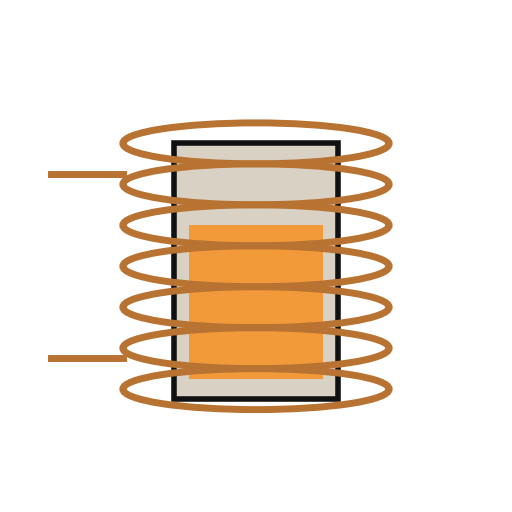 Itanura rya induction
 ArigoniInkono ya tantalum
3
3
Remelt under half an atmosphere of argon
Remelt under half an atmosphere of argon
Remelt the metal to boil off the calcium. Lutetium has an appreciable vapour pressure at its melting point, so keep a partial pressure of one-half an atmosphere of argon in the system to stop it distilling out of the crucible. At these temperatures the calcium still escapes: under 150 ppm stays in the metal.
Ibikoresho bikenewe:
Itanura rya induction Pompe ikuramo umwukaArigoniInkono ya tantalum
Ibikoresho
1- 1 as requiredUmwanya
Iki gishushanyo gikora

Blueprint zijyanye
Izi blueprint zisangira ubumenyi — uburyo, ibikoresho cyangwa amahame
Akaga
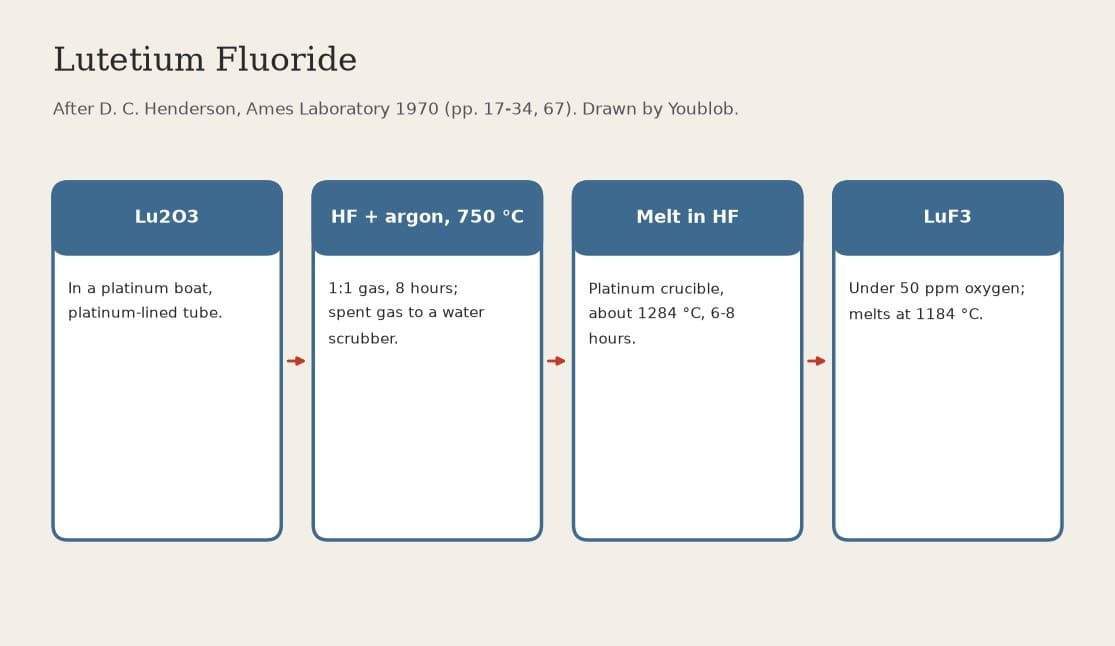
Lutetium Fluoride: Oxide Converted in HF and Argon at 750 °C, then Melted in HF to Remove the Last Oxygen (Henderson, Ames 1970)
na Charlie
Bidafite Ubuzima
7
0
0
0
0
0
Akaga
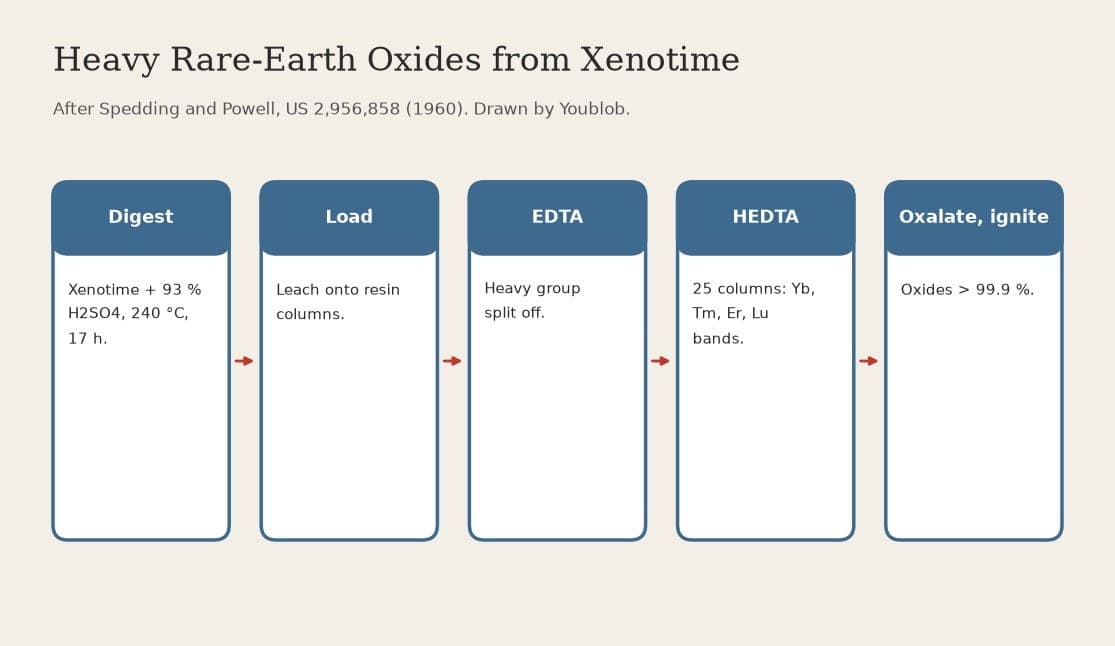
Erbium, Ytterbium, Thulium and Lutetium Oxides: Xenotime Separated on Ion Exchange Columns with EDTA and HEDTA (Spedding and Powell, US 2,956,858)
na Charlie
Bidafite Ubuzima
8
0
0
0
0
0
Akaga
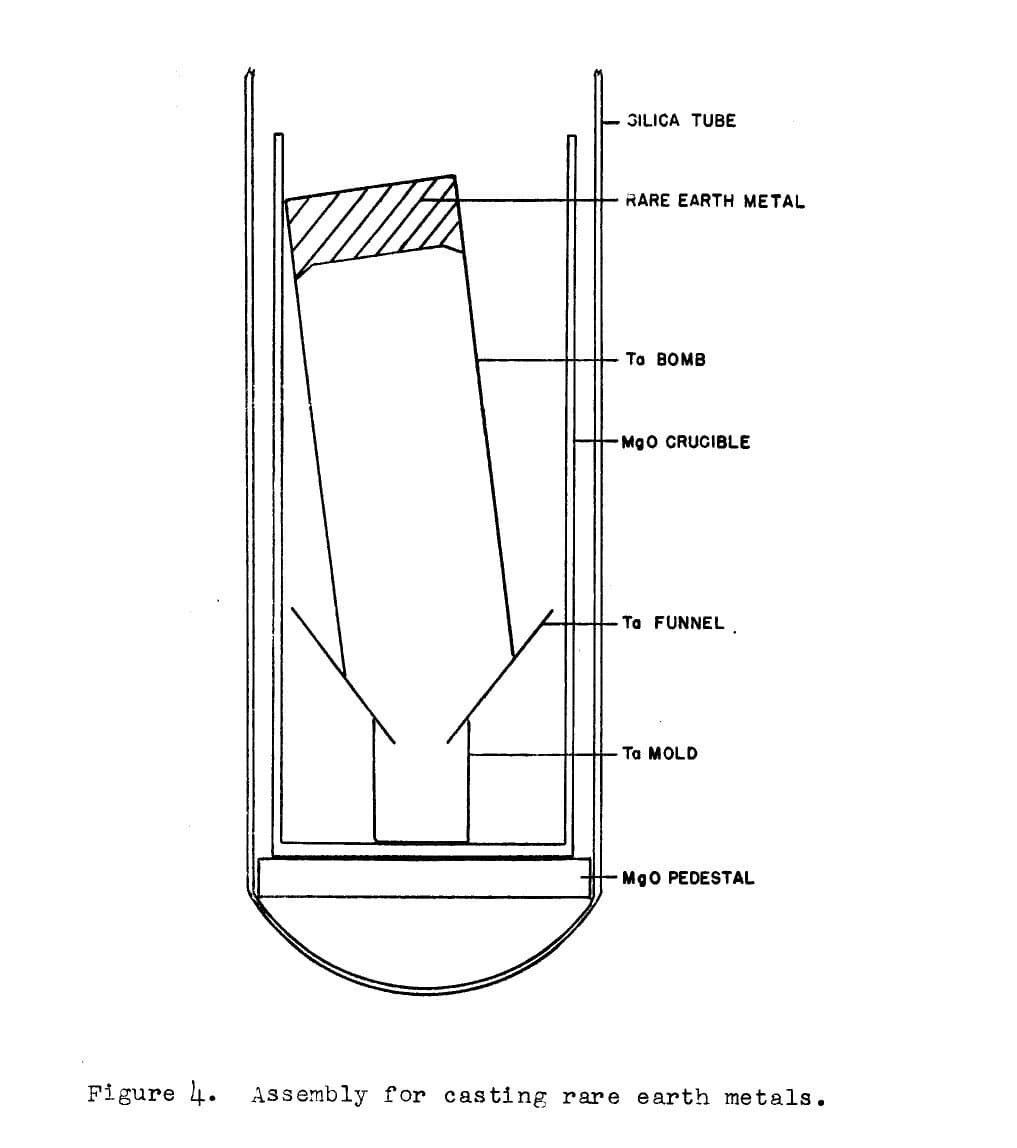
Lanthanum: Anhydrous Chloride Reduced with Calcium in a Tantalum Bomb under Argon, then Vacuum Cast (Daane, Ames 1950)
na Charlie
Bidafite Ubuzima
9
0
0
0
0
0
CC0 Umurenge rusange
Iyi blueprint yasohowe munsi ya CC0. Ushobora gukoporora, guhindura, gukwirakwiza no gukoresha nta kwemererwa.
Shyigikira Umuremyi ugura ibicuruzwa binyuze muri Blueprint ye Komisiyo y'Umuremyi byashyizweho n'Abacuruzi, cyangwa kora verisiyo nshya y'iyi Blueprint ukayinjiza nk'isano muri Blueprint yawe kugira ngo musangire inyungu.