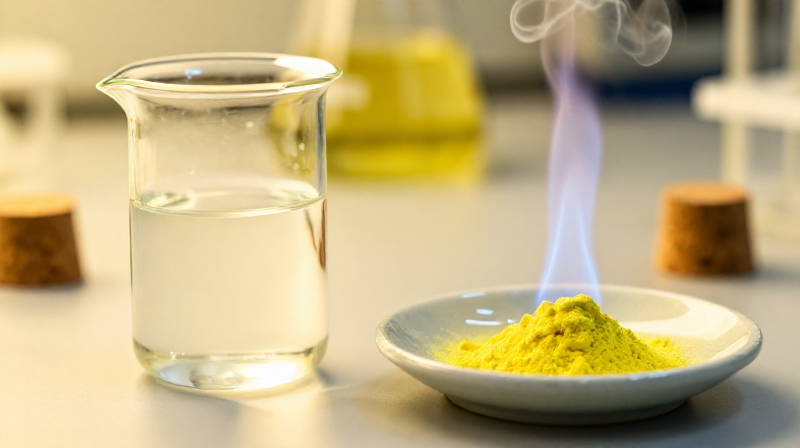

Making Sulfuric Acid by the Lead Chamber Process — The Acid That Built the Industrial Revolution
Sulfuric acid (H₂SO₄, oil of vitriol) is the single most important chemical in industrial history. More sulfuric acid is produced worldwide than any other manufactured chemical — over 260 million tonnes per year — and a nation's sulfuric acid output was long used as the measure of its industrial development. It is essential for manufacturing fertilizers, refining petroleum, processing metals, producing dyes and pigments, and hundreds of other processes.
Before 1746, sulfuric acid was made by the 'bell process' — burning sulfur with saltpeter under small glass bells and collecting the acid mist. This produced tiny quantities at enormous cost. In 1746, John Roebuck and Samuel Garbett in Birmingham replaced the fragile glass bells with large lead-lined chambers — lead being resistant to dilute sulfuric acid and far cheaper than glass. This single change scaled production by a factor of one hundred and slashed the price, making sulfuric acid available for the first time as a bulk industrial chemical.
The chemistry is elegant: sulfur burns in air to form sulfur dioxide (SO₂), which is then oxidized to sulfur trioxide (SO₃) by nitrogen dioxide (NO₂) from decomposing saltpeter. The NO₂ acts as a catalyst — it is consumed in oxidizing SO₂ but regenerated when the resulting nitric oxide (NO) reacts with air. SO₃ dissolves in water to form sulfuric acid. The catalytic cycle: SO₂ + NO₂ → SO₃ + NO, then 2NO + O₂ → 2NO₂ — the nitrogen oxides shuttle oxygen from the air to the sulfur dioxide.
This lab-scale demonstration replicates the essential chemistry of Roebuck's industrial process using glass vessels in place of the original lead chambers. The product is dilute sulfuric acid — concentrating it further requires specialized apparatus and extreme care, as hot concentrated sulfuric acid is one of the most dangerous substances in the laboratory.
SAFETY WARNING: Sulfur dioxide is a toxic, choking gas that causes severe respiratory irritation. Nitrogen dioxide (brown fumes) is acutely toxic to the lungs. Sulfuric acid causes severe burns. Work ONLY in a functioning fume hood or outdoors with wind at your back. Wear full PPE including acid-rated respirator. Never heat concentrated sulfuric acid without proper training.
Ibirimo biteje akaga
Iki gikorwa kirimo imikorere yangiza. Injira hanyuma ufungure ibikoresho byangiza mu igenamiterere ryawe kugira ngo urebe amabwiriza.
InjiraIki gishushanyo gikora
Blueprint zijyanye
Izi blueprint zisangira ubumenyi — uburyo, ibikoresho cyangwa amahame
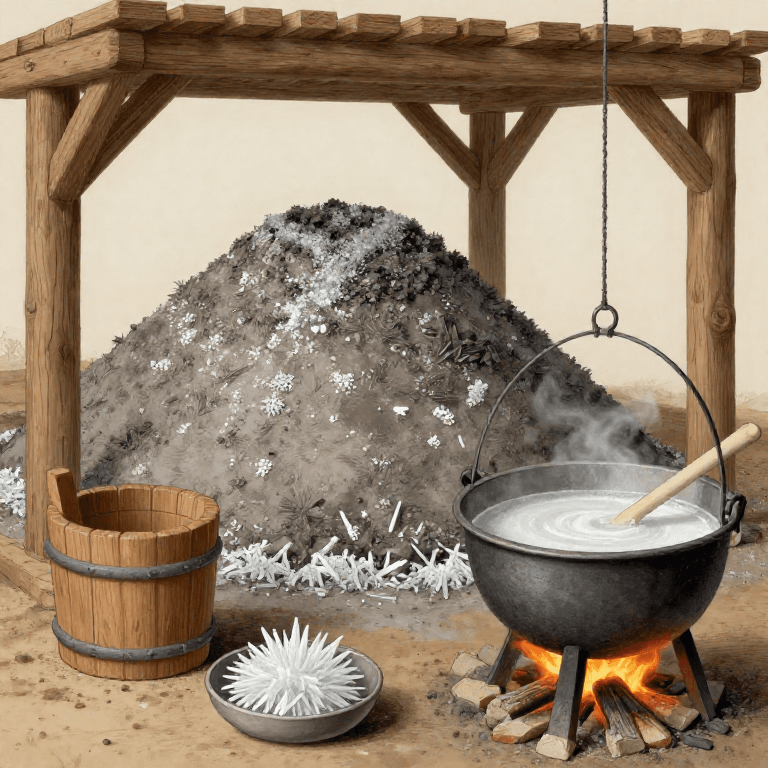
Growing Saltpeter from Niter Beds — The Explosive Element in Every Living Thing
na Peter
Kera
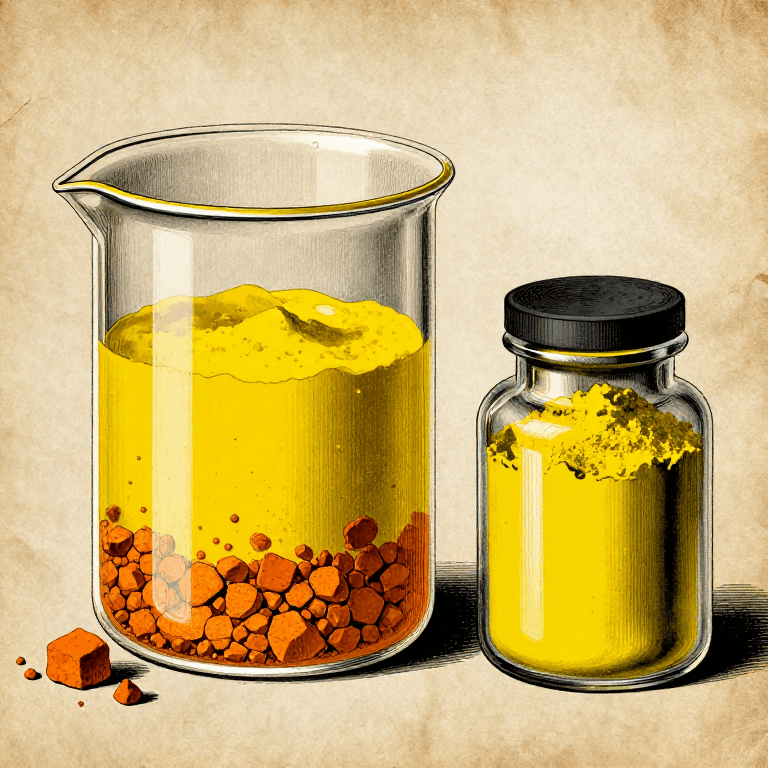
Making Chrome Yellow — The Brilliant Lead Chromate Pigment of the 19th Century
na Charlie
UBUHANZI
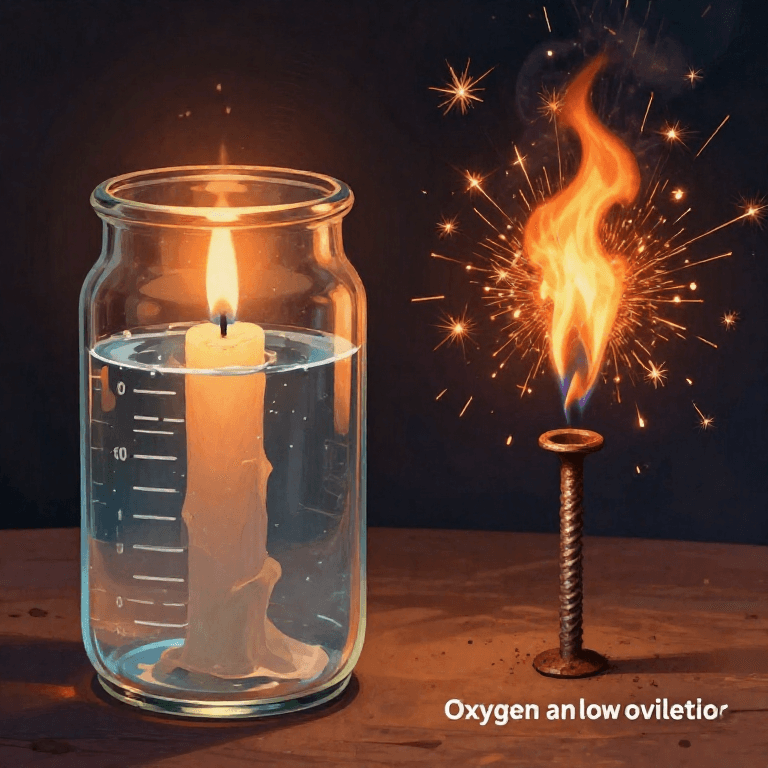
Understanding Oxygen Through Combustion — The Element That Makes Fire Breathe
na Peter
Kera
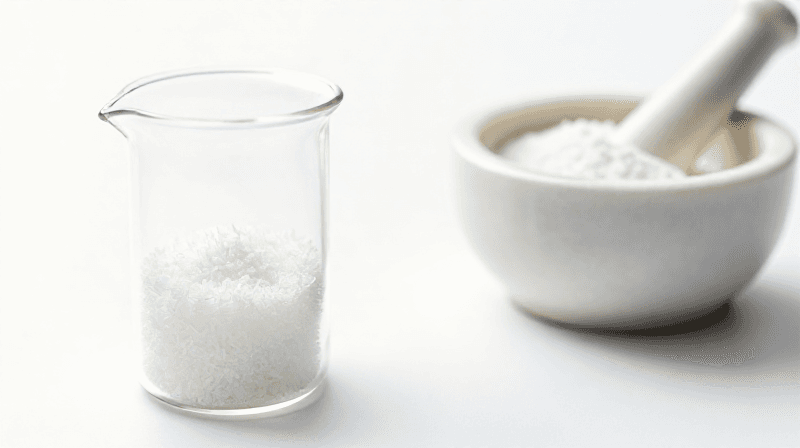
Synthesising Aspirin — The Reaction That Founded Modern Pharmaceuticals
na Charlie
By'Inganda
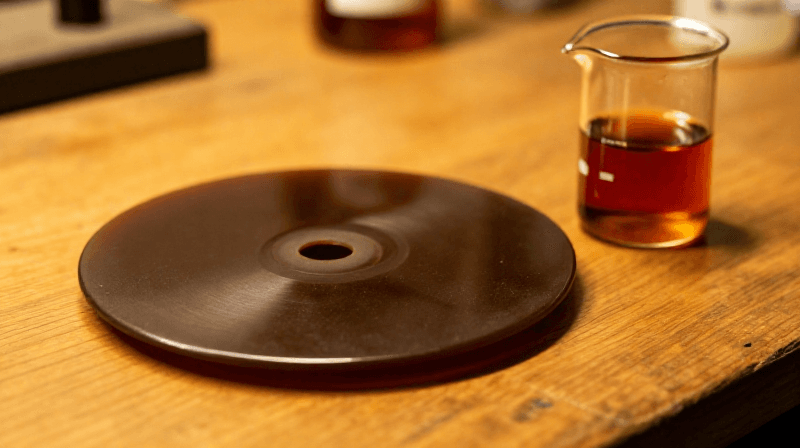
Making Bakelite — The First Fully Synthetic Plastic That Launched the Age of Polymers
na Charlie
By'Inganda
CC0 Umurenge rusange
Iyi blueprint yasohowe munsi ya CC0. Ushobora gukoporora, guhindura, gukwirakwiza no gukoresha nta kwemererwa.
Shyigikira Umuremyi ugura ibicuruzwa binyuze muri Blueprint ye Komisiyo y'Umuremyi byashyizweho n'Abacuruzi, cyangwa kora verisiyo nshya y'iyi Blueprint ukayinjiza nk'isano muri Blueprint yawe kugira ngo musangire inyungu.