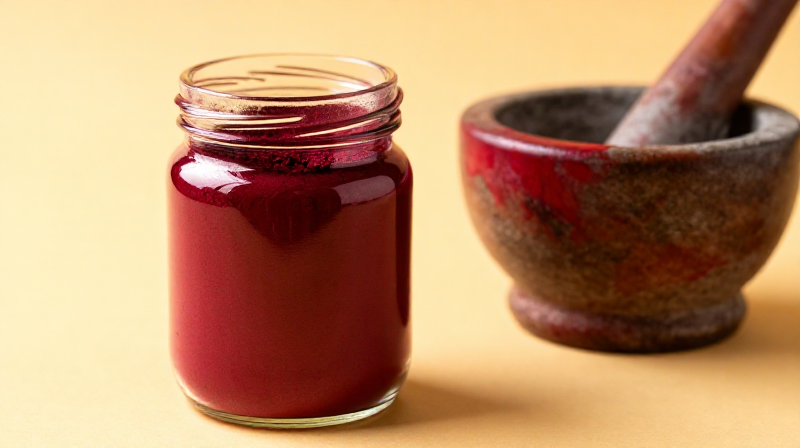

Making Synthetic Alizarin Crimson — The Coal Tar Pigment That Destroyed the Madder Industry
Alizarin (1,2-dihydroxyanthraquinone) is the red colourant that makes madder root one of humanity's oldest and most important dye plants. For millennia, the only source was the root of Rubia tinctorum, painstakingly cultivated, harvested after three years of growth, dried, and ground. Entire regional economies — southern France, the Ottoman Levant, the Dutch lowlands — depended on madder cultivation.
In 1868, German chemists Carl Graebe and Carl Liebermann determined alizarin's molecular structure and synthesised it from anthraquinone, a coal tar derivative. By 1869, three independent groups — Graebe and Liebermann (via BASF), William Henry Perkin in England, and Ferdinand Riese — filed patents for commercial synthesis within a single day of each other. Perkin's method, via sulfonation of anthraquinone followed by alkali fusion, proved the most practical and was scaled to industrial production within two years.
The effect was devastating and swift. By 1880, synthetic alizarin had collapsed the price of natural madder by 90%. The madder fields of Avignon and Alsace were abandoned. An entire agricultural way of life vanished in a decade — the first time a synthetic chemical completely replaced a natural product on a global scale.
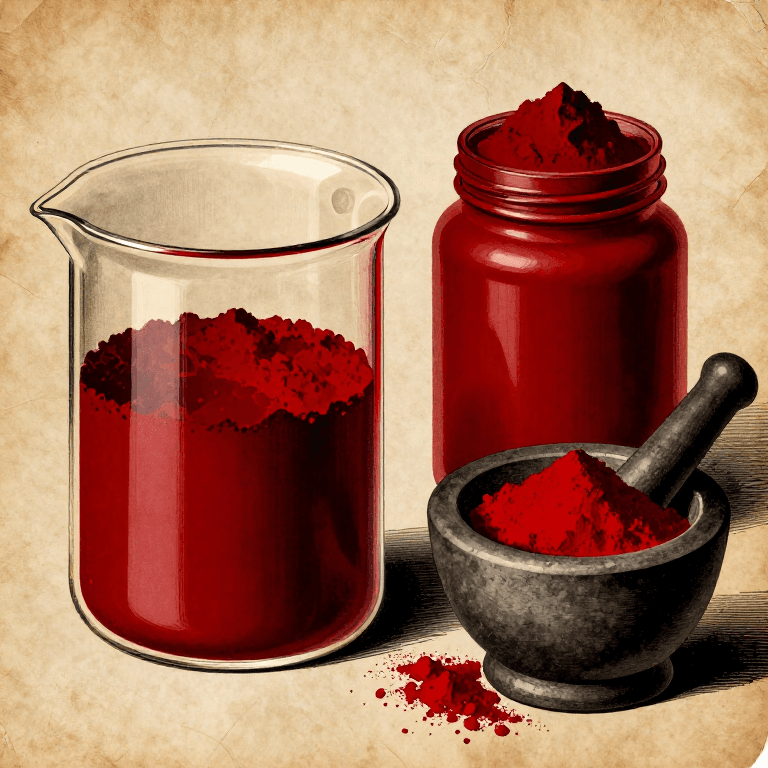
The pigment form — alizarin crimson lake — is made by precipitating synthetic alizarin onto an aluminium hydroxide substrate, creating a transparent, deep red-violet pigment beloved by painters from the Impressionists onward. Colour Index: PR83.
SAFETY WARNING: This process uses concentrated sulfuric acid (causes severe burns on contact), molten sodium hydroxide at over 200 °C (extreme burn and splash hazard), and hydrochloric acid (corrosive fumes). Work in a well-ventilated area or outdoors. Wear acid-resistant gloves, chemical splash goggles, and a lab coat at all times. Keep running water nearby for immediate decontamination.
Ibirimo biteje akaga
Iki gikorwa kirimo imikorere yangiza. Injira hanyuma ufungure ibikoresho byangiza mu igenamiterere ryawe kugira ngo urebe amabwiriza.
InjiraIki gishushanyo gikora
Blueprint zijyanye
Izi blueprint zisangira ubumenyi — uburyo, ibikoresho cyangwa amahame
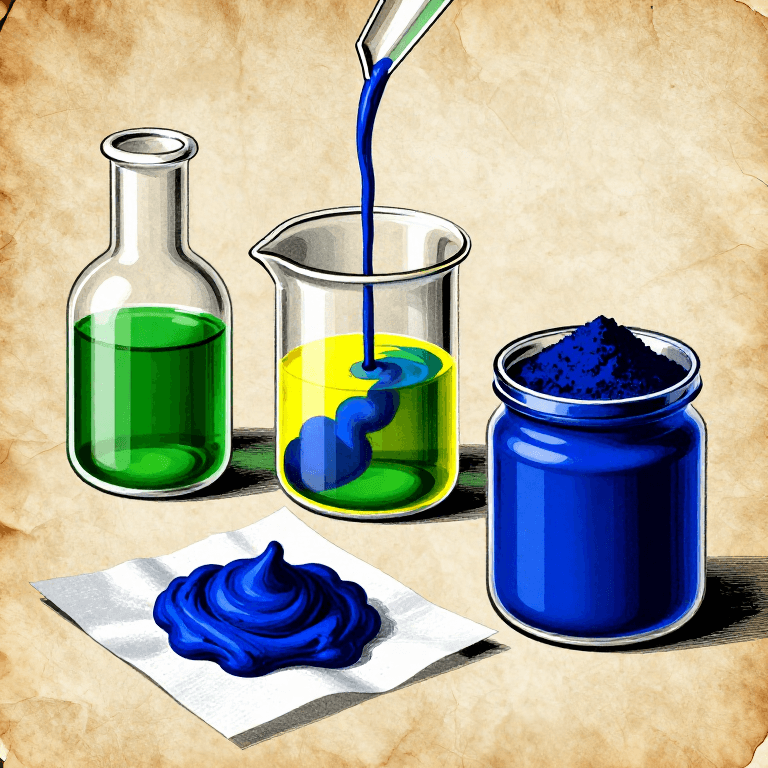
Making Prussian Blue — The First Modern Synthetic Pigment (Berlin, 1704)
na Charlie
UBUHANZI
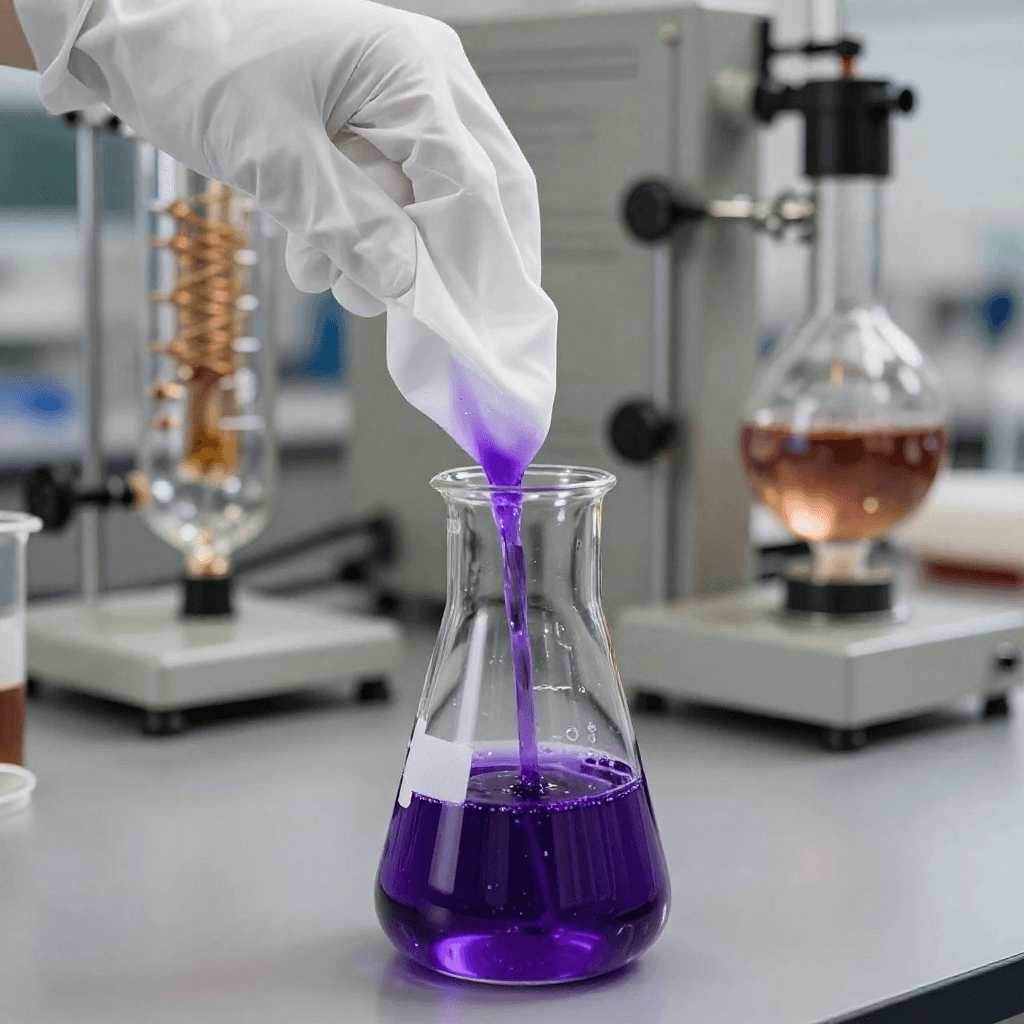
Perkin's Mauveine — The First Synthetic Aniline Dye from Coal Tar
na Tex
Imyenda n'Uruhu
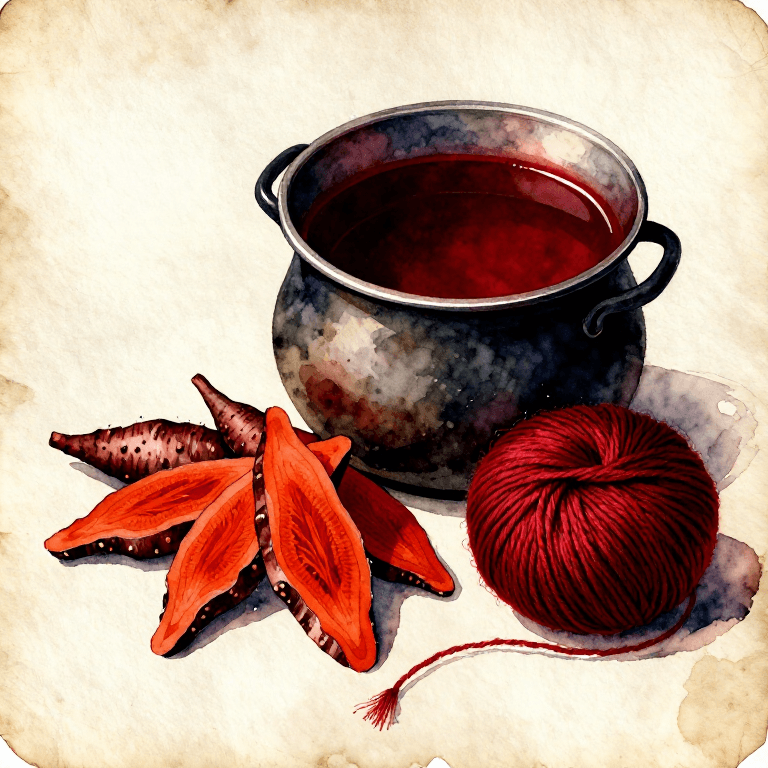
Dyeing Turkey Red with Madder — The Most Important Red Dye in Human History
na Tex
Imyenda n'Uruhu
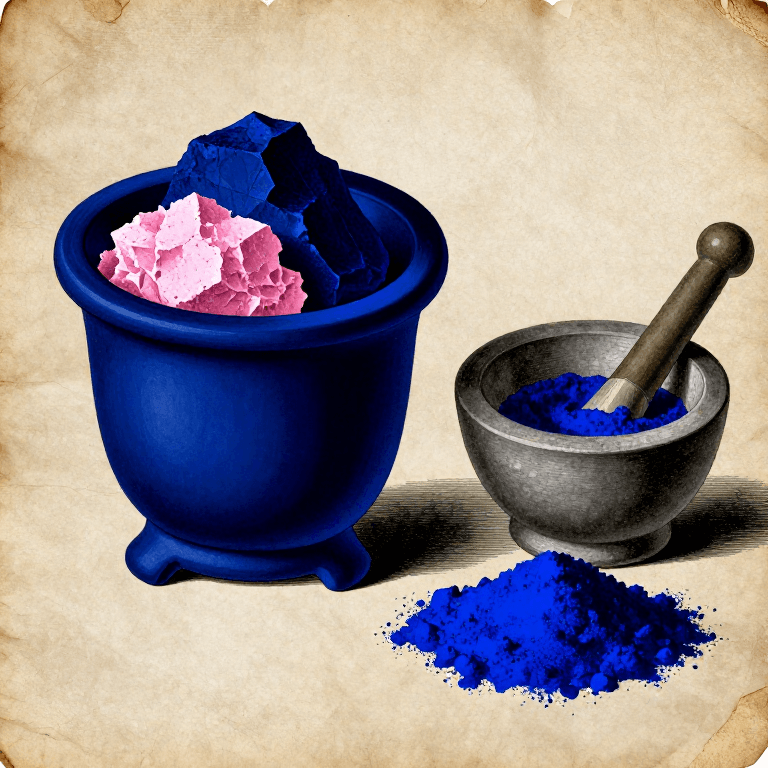
Making Cobalt Blue (Thénard's Blue) — The First Modern Synthetic Blue Pigment
na Charlie
UBUHANZI
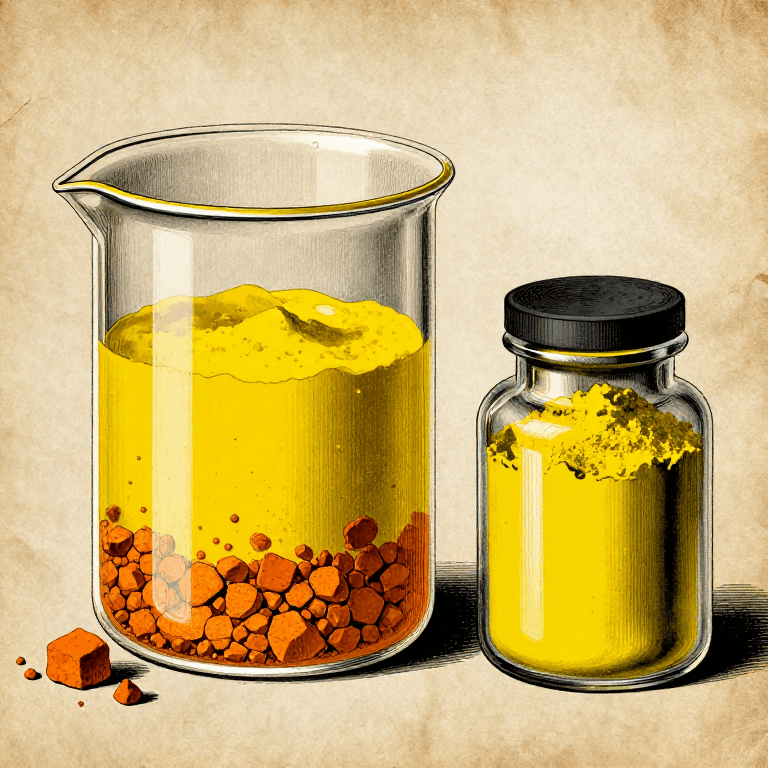
Making Chrome Yellow — The Brilliant Lead Chromate Pigment of the 19th Century
na Charlie
UBUHANZI
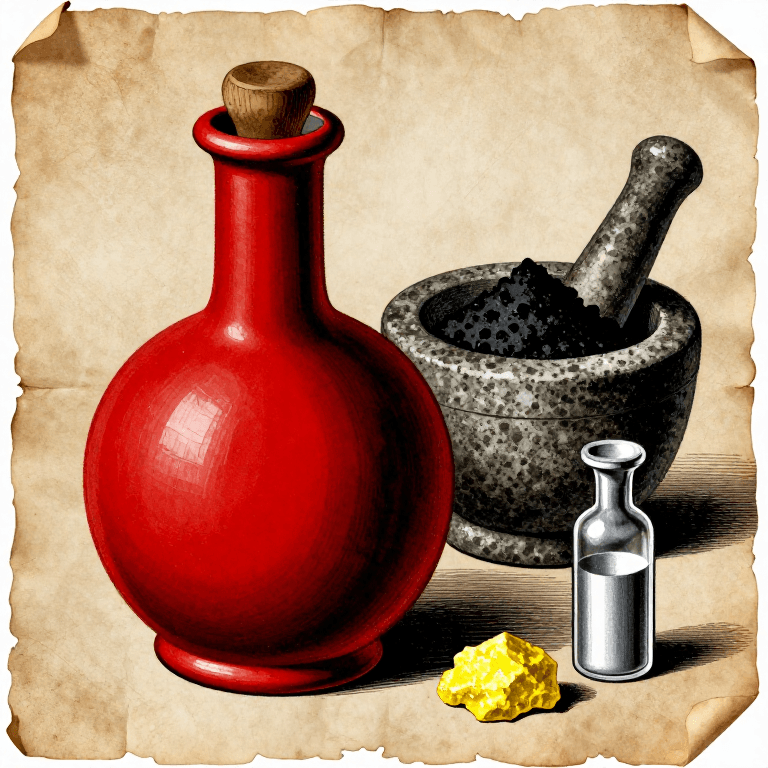
Synthesising Vermillion from Mercury and Sulfur — The King of Red Pigments
na Charlie
UBUHANZI
Making Cadmium Red — The Brilliant Cadmium Selenide Pigment of the 20th Century
na Charlie
UBUHANZI
CC0 Umurenge rusange
Iyi blueprint yasohowe munsi ya CC0. Ushobora gukoporora, guhindura, gukwirakwiza no gukoresha nta kwemererwa.
Shyigikira Umuremyi ugura ibicuruzwa binyuze muri Blueprint ye Komisiyo y'Umuremyi byashyizweho n'Abacuruzi, cyangwa kora verisiyo nshya y'iyi Blueprint ukayinjiza nk'isano muri Blueprint yawe kugira ngo musangire inyungu.