
Making Verdigris — The Copper Acetate Green of Medieval Painters
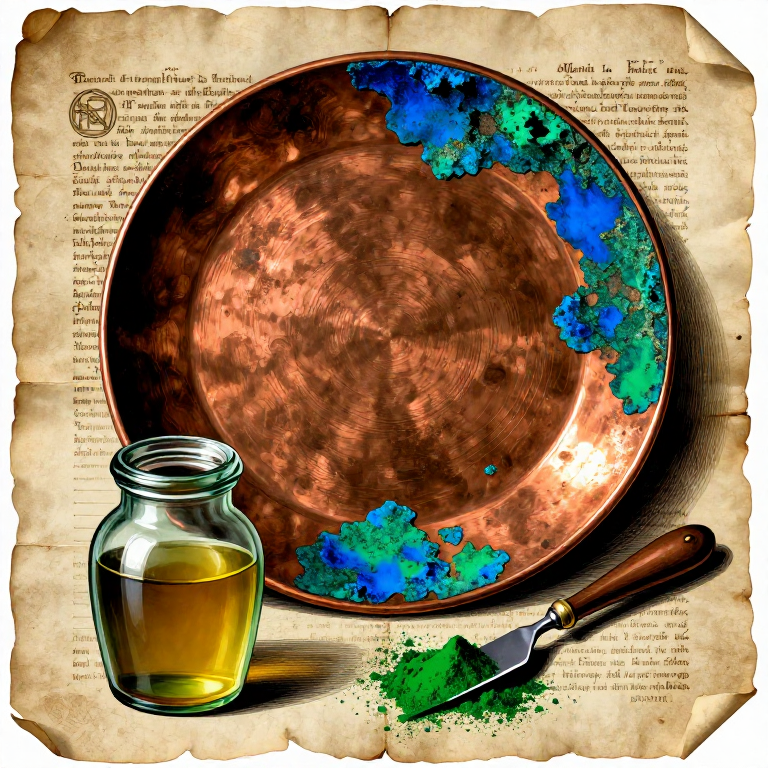
Verdigris (from the Old French 'vert-de-gris', green of grey) is a vivid blue-green pigment produced by corroding copper with acetic acid vapour. It is a mixture of basic copper acetates — primarily Cu(CH₃COO)₂·Cu(OH)₂ — that forms as a crusty green patina on copper surfaces exposed to vinegar fumes. Verdigris was the most vivid green pigment available to European painters from antiquity through the Renaissance, and it remained in wide use until the 19th century when synthetic alternatives replaced it.
The process was well known in ancient Greece and Rome. Pliny the Elder described it in his Natural History (77 CE), and Theophilus Presbyter gave detailed instructions in his 12th-century craftsman's manual De Diversis Artibus. The historic method is unchanged: suspend copper plates above strong vinegar in a sealed vessel. Over 2-4 weeks, the acetic acid vapour attacks the copper surface, producing a bright green crust of copper acetate. The crust is scraped off, ground, and used as a pigment.
Verdigris has one significant drawback that medieval painters discovered the hard way: in oil paint, it gradually darkens and turns brown over time due to a reaction between the copper acetate and the oil binder. This is why many medieval and early Renaissance paintings show brown or olive areas where green foliage was originally painted with verdigris in oil. In egg tempera and watercolour, verdigris is more stable. Despite its instability in oil, verdigris was so valued for its vivid, transparent green that painters continued using it for centuries.
Amabwiriza
Clean the copper sheet
Clean the copper sheet
Start with a piece of copper sheet approximately 10×15 cm and 0.5-1 mm thick. Clean the surface thoroughly by sanding with fine sandpaper to remove any oxide layer, then wipe with vinegar to degrease. The copper surface must be bright, bare metal — any grease, lacquer, or heavy oxide will slow the reaction. Multiple smaller pieces give faster results than one large piece because more surface area is exposed to the vapour.
Ibikoresho by'iyi ntambwe:
 Urupapuro rw'Umuringa1 igice
Ibikoresho bikenewe:
 Urupapuro rwo gusya rworoshye
Set up the vinegar chamber
Set up the vinegar chamber
Pour 200-300 ml of strong white vinegar (at least 5% acetic acid; stronger is better) into the bottom of a wide-mouth glass jar, ceramic crock, or plastic container with a lid. Create a support to suspend the copper above the vinegar without touching the liquid — a small wooden rack, crumpled wire mesh, or a shelf of wooden sticks across the jar. The copper must be exposed to the vinegar vapour, not submerged in the liquid. Seal the container with its lid.
Ibikoresho by'iyi ntambwe:
 Divayi yera yo gusukura300 ml
Ibikoresho bikenewe:
 Icupa ry'Ikirahure
Wait 2-4 weeks for the green crust to form
Wait 2-4 weeks for the green crust to form
Place the sealed container in a warm location (20-30°C). Warmth accelerates the reaction. Check progress every few days. Within the first week, a pale green film will appear on the copper surface. Over 2-4 weeks, this builds into a thick, crusty green layer of basic copper acetate. The crust may be bright green, blue-green, or turquoise depending on temperature and vinegar strength. Do not disturb the copper during this period — movement can dislodge the forming crystals.
Scrape off the verdigris crust
Scrape off the verdigris crust
Remove the copper sheet from the jar. Scrape the green crust off carefully with a palette knife or stiff blade, collecting the powder on a clean surface. The scraped copper can be returned to the jar for another cycle — each round produces slightly less verdigris as the copper thins, but a single sheet can be reused many times. Expect 5-15 g of verdigris from a 10×15 cm sheet over one cycle. Wash hands after handling — copper acetate is mildly toxic if ingested, though not dangerous to touch.
Ibikoresho bikenewe:
 Ibikoresho by'ibyuma byo kuvanga irangi
Grind and store the pigment
Grind and store the pigment
Grind the scraped verdigris in a mortar and pestle to a fine, uniform powder. The finished pigment is a vivid blue-green — one of the most intense greens available from any natural pigment source. Store in a sealed glass jar away from moisture. To use: mix with egg yolk for tempera (most stable), gum arabic for watercolour, or linseed oil for oil paint (note: verdigris darkens over time in oil). Verdigris is also used in manuscript illumination, where it was often glazed over gold leaf for a luminous green effect.
Ibikoresho bikenewe:
 Isekuru n'Umuhini
Ibikoresho
2- 1 igiceUmwanya
- 300 mlUmwanya
Ibikoresho bikenewe
4- Umwanya
- Umwanya
Ibikoresho by'Ibishushanyo Bifitanye Isano
Making Natural Earth Pigments from Soil and Rocks — Collecting and Processing
na Mary
UBUHANZI
Egyptian Blue Pigment — Grinding Egyptian Blue from Copper Silicate
na Charlie
Ubutabire
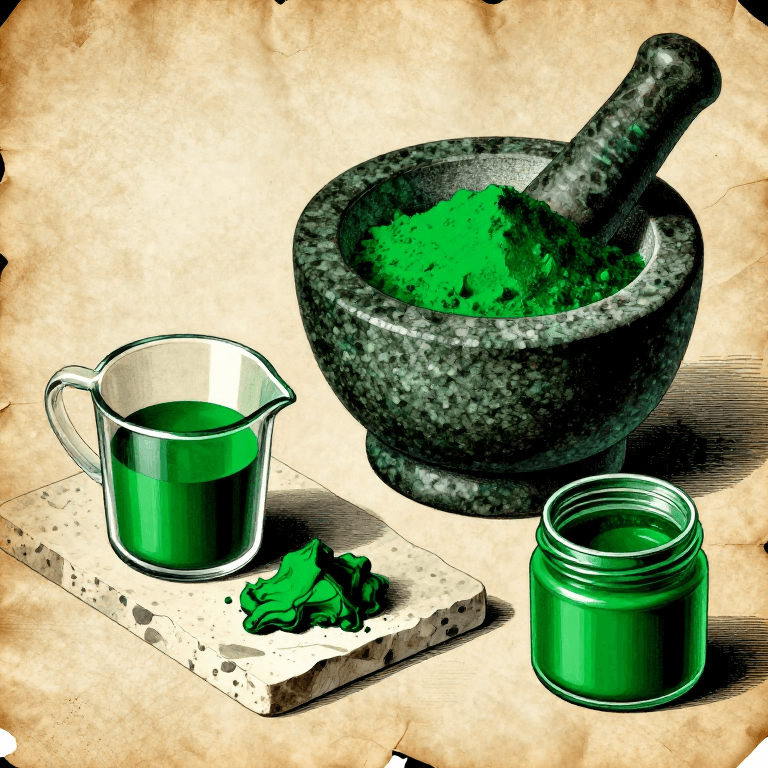
Making Malachite Green Pigment — Grinding the Copper Mineral into Painter's Green
na Charlie
UBUHANZI
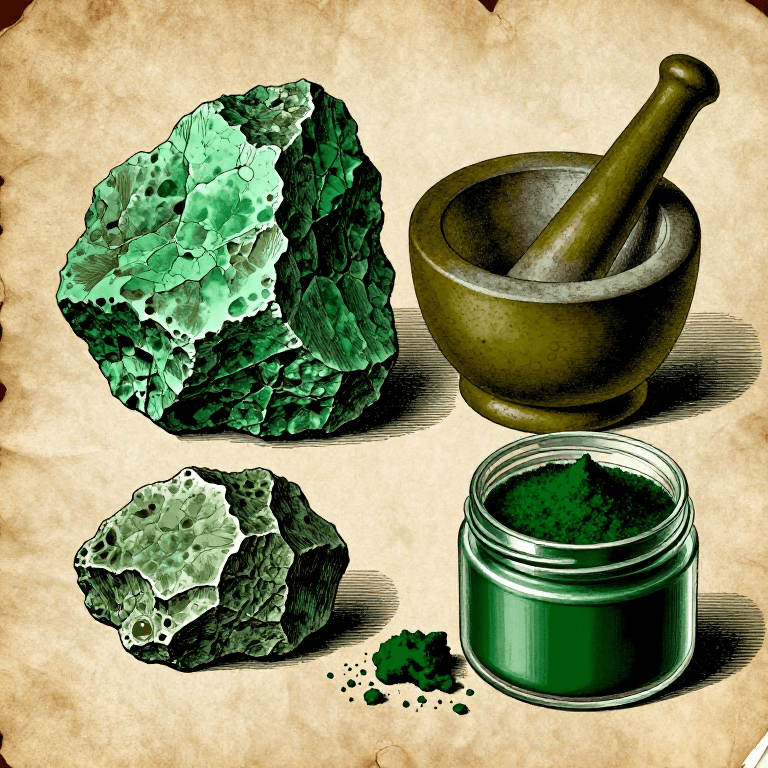
Making Green Earth Pigment (Terra Verte) — The Soft Green of Celadonite and Glauconite
na Charlie
UBUHANZI
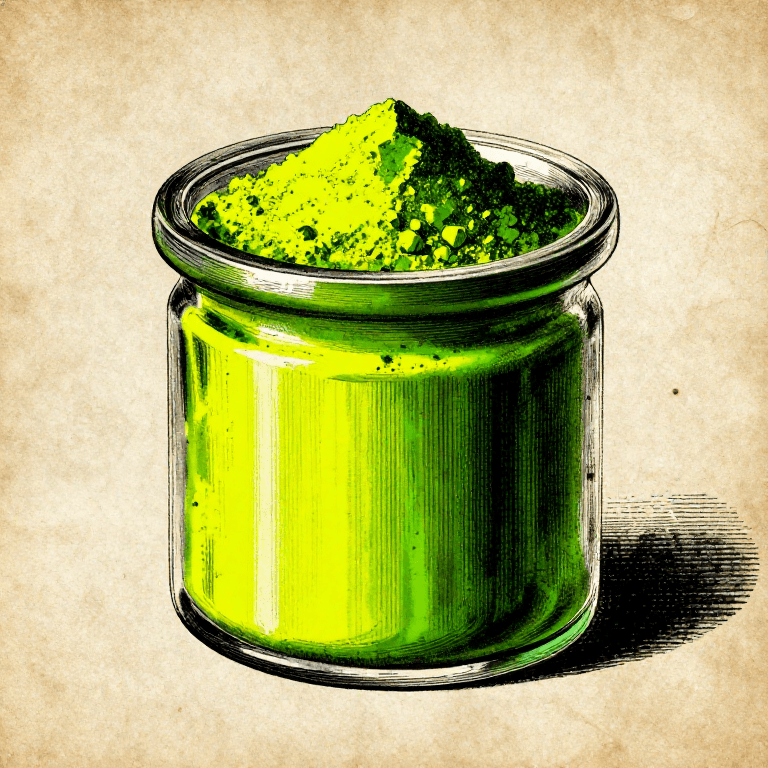
Making Scheele's Green — The Copper Arsenite Pigment That Poisoned the 19th Century
na Charlie
UBUHANZI
Iki gishushanyo gikora

Blueprint zijyanye
Izi blueprint zisangira ubumenyi — uburyo, ibikoresho cyangwa amahame
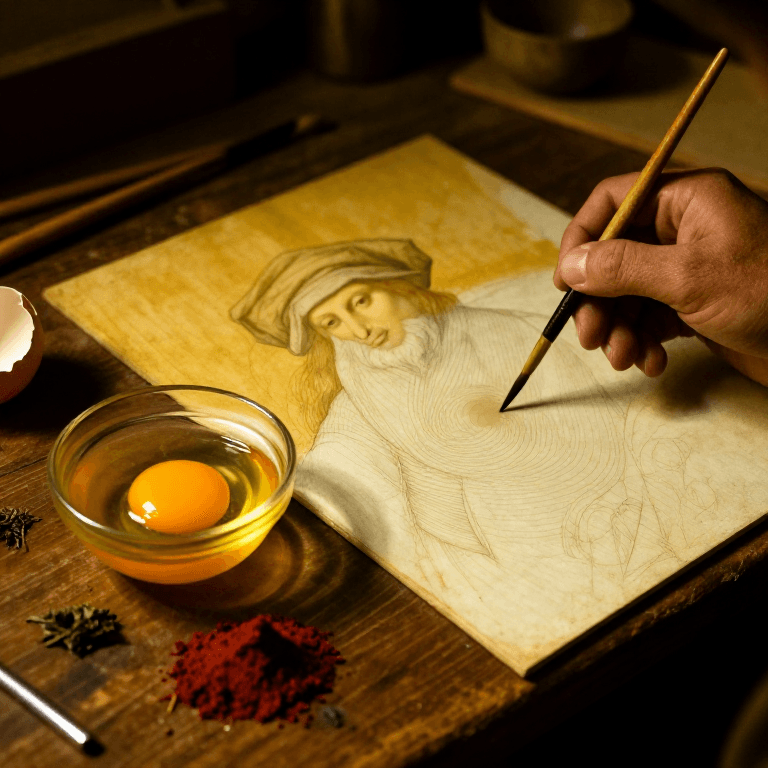
Making Egg Tempera Paint — The Medieval Panel Painting Medium
na Charlie
UBUHANZI
Making Oil Paint from Raw Pigments — Grinding Pigments in Linseed Oil
na Charlie
UBUHANZI
Making Bone Black Pigment — Calcining Animal Bones into the Warm Black of Old Master Painters
na Charlie
UBUHANZI
Making Vine Black Pigment — Charring Grape Vines into the Cool Blue-Black of Classical Painters
na Charlie
UBUHANZI
Making Smalt — Grinding Cobalt Blue Glass into the Renaissance Painter's Blue Pigment
na Charlie
UBUHANZI
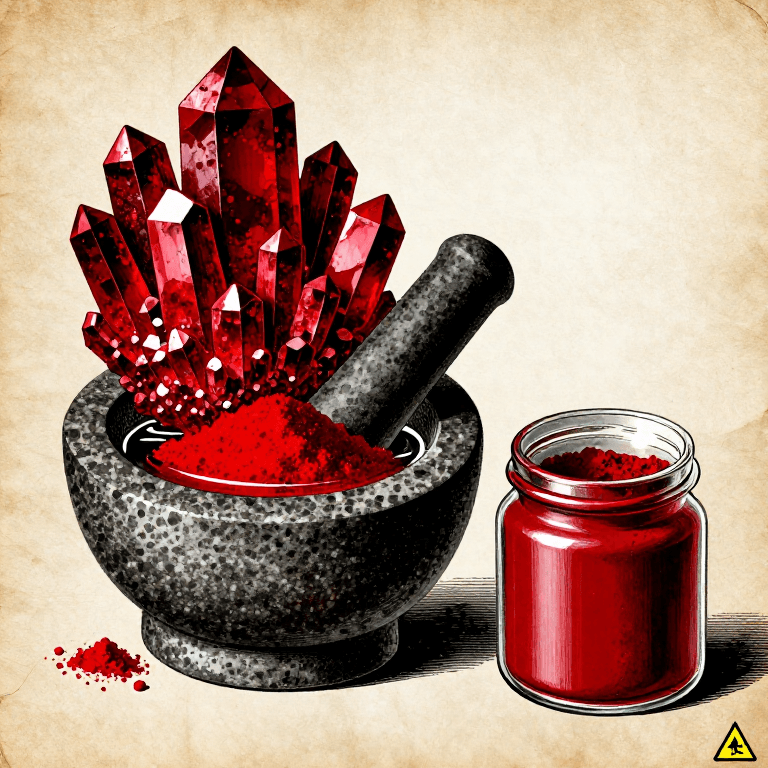
Making Cinnabar Red Pigment — Grinding Mercury Sulfide into the Most Vivid Red of the Ancient World
na Charlie
UBUHANZI
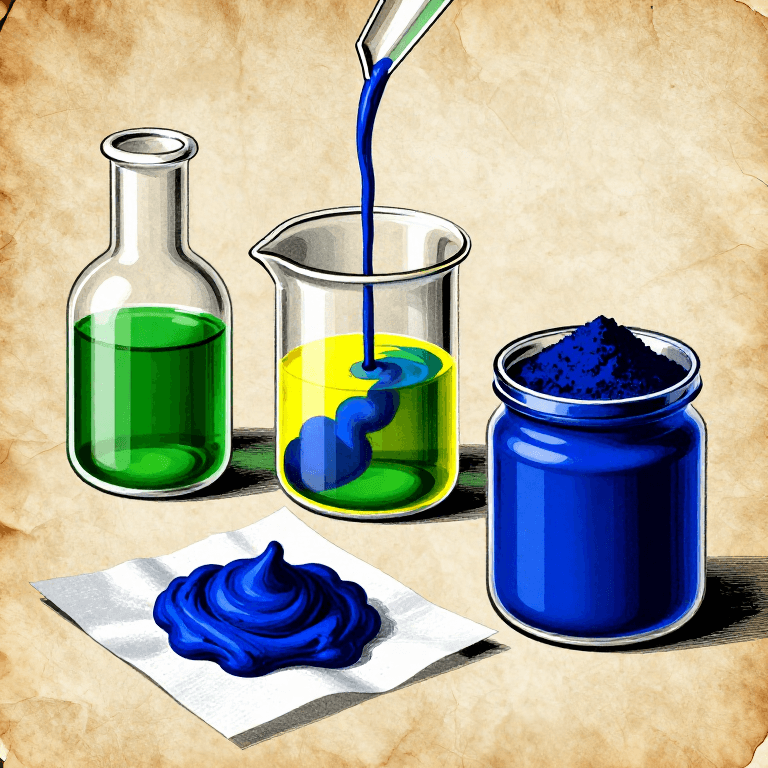
Making Prussian Blue — The First Modern Synthetic Pigment (Berlin, 1704)
na Charlie
UBUHANZI
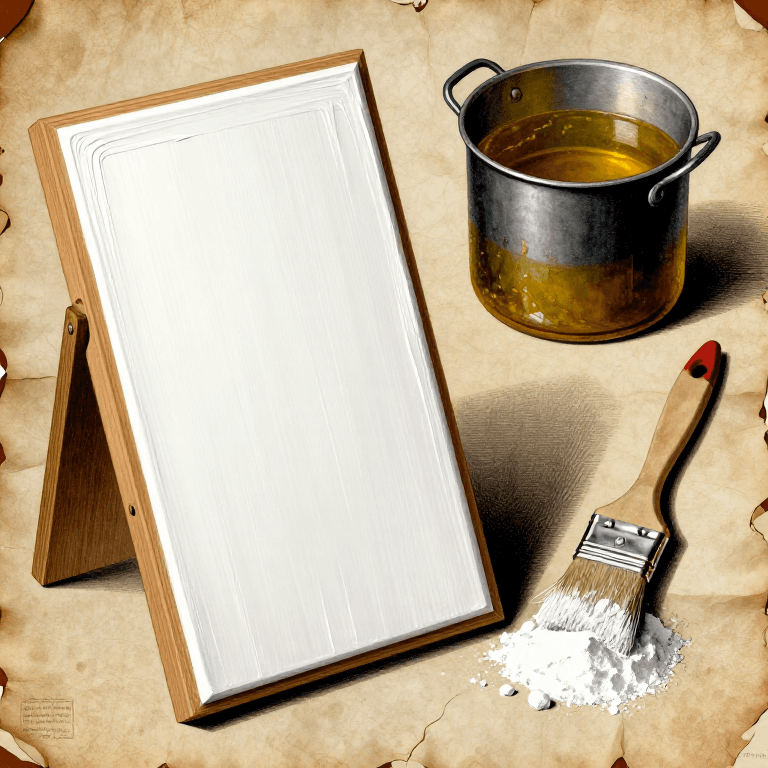
Making Traditional Gesso — The White Ground That Prepared Every Panel Painting in History
na Charlie
UBUHANZI
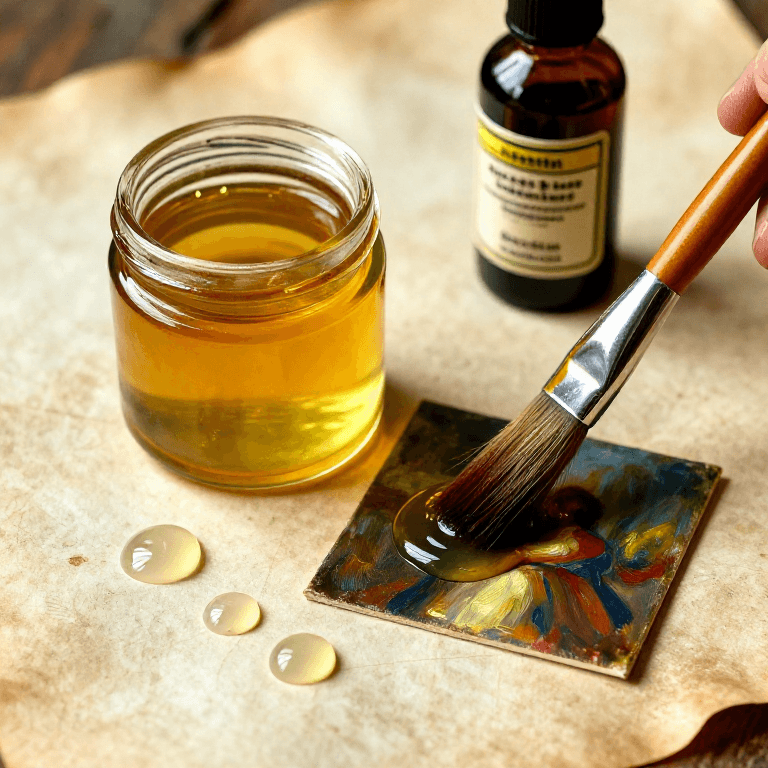
Making Dammar Varnish — The Clear Picture Varnish for Oil Paintings
na Charlie
UBUHANZI
CC0 Umurenge rusange
Iyi blueprint yasohowe munsi ya CC0. Ushobora gukoporora, guhindura, gukwirakwiza no gukoresha nta kwemererwa.
Shyigikira Umuremyi ugura ibicuruzwa binyuze muri Blueprint ye Komisiyo y'Umuremyi byashyizweho n'Abacuruzi, cyangwa kora verisiyo nshya y'iyi Blueprint ukayinjiza nk'isano muri Blueprint yawe kugira ngo musangire inyungu.