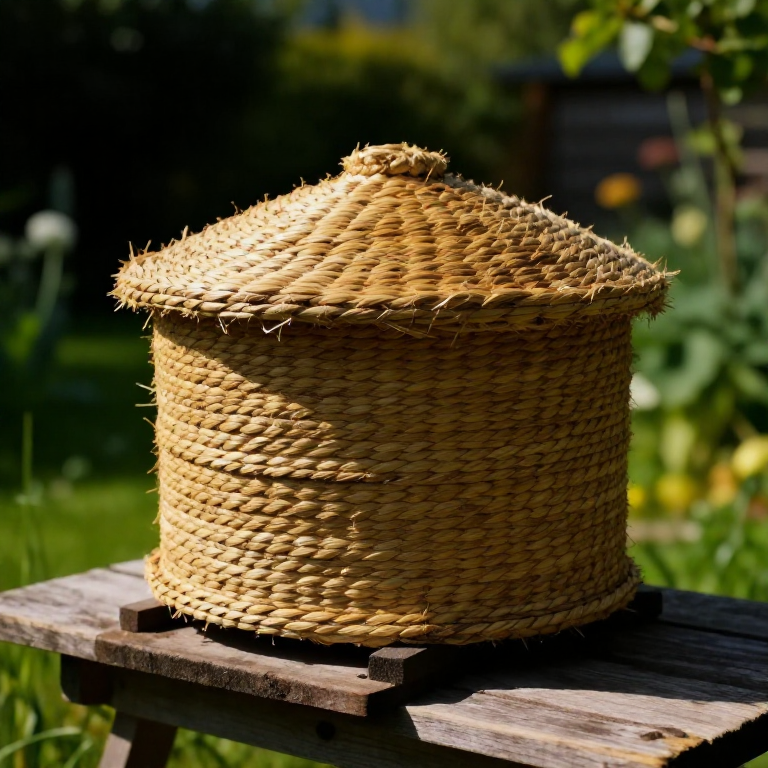


Making a Coiled-Straw Bee Skep — The Traditional Beehive Before Wooden Boxes
Amabwiriza
Harvest and clean long rye straw
Harvest and clean long rye straw
Ibikoresho by'iyi ntambwe:
 Ibyatsi bya rye1 umuzingo
Ibikoresho bikenewe:
 Icyuma
Split and soak the binding cane
Split and soak the binding cane
Ibikoresho by'iyi ntambwe:
 Umugano wasaduwe1 umuzingo
 Amazi3 litiro
Ibikoresho bikenewe:
IcyumaMake the girth gauge
Make the girth gauge
Ibikoresho bikenewe:
 Igipimo cy'umuzenguruko w'urwuri rw'ubwatsi
Bind the crown
Bind the crown
Ibikoresho by'iyi ntambwe:
Ibyatsi bya rye1 umuzingoUmugano wasaduwe1 meteroIbikoresho bikenewe:
 Urushinge Rutobora
Feed straw into an even rope
Feed straw into an even rope
Ibikoresho by'iyi ntambwe:
Ibyatsi bya rye1 umuzingoIbikoresho bikenewe:
Igipimo cy'umuzenguruko w'urwuri rw'ubwatsiSew the first coils to the crown
Sew the first coils to the crown
Ibikoresho by'iyi ntambwe:
Umugano wasaduwe1 meteroIbikoresho bikenewe:
Urushinge RutoboraSpiral outward to start the dome
Spiral outward to start the dome
Ibikoresho by'iyi ntambwe:
Ibyatsi bya rye1 umuzingoUmugano wasaduwe1 meteroIbikoresho bikenewe:
Urushinge RutoboraBuild the domed wall downward
Build the domed wall downward
Ibikoresho by'iyi ntambwe:
Ibyatsi bya rye1 umuzingoUmugano wasaduwe1 meteroIbikoresho bikenewe:
Urushinge RutoboraIgipimo cy'umuzenguruko w'urwuri rw'ubwatsiKeep the courses even
Keep the courses even
Ibikoresho by'iyi ntambwe:
Ibyatsi bya rye1 umuzingoIbikoresho bikenewe:
Urushinge RutoboraWiden to the finished base
Widen to the finished base
Ibikoresho by'iyi ntambwe:
Ibyatsi bya rye1 umuzingoUmugano wasaduwe1 meteroIbikoresho bikenewe:
Urushinge RutoboraCut the flight entrance
Cut the flight entrance
Ibikoresho bikenewe:
IcyumaFinish and lock the base coil
Finish and lock the base coil
Ibikoresho by'iyi ntambwe:
Umugano wasaduwe1 meteroIbikoresho bikenewe:
Urushinge RutoboraTrim the skep clean
Trim the skep clean
Ibikoresho bikenewe:
IcyumaClom the outside for weatherproofing
Clom the outside for weatherproofing
Ibikoresho by'iyi ntambwe:
 Umwanda w'inka2 kg
 Ibumba rya ball clay1 kg
Cure the finished skep
Cure the finished skep
Ibikoresho
5- 1 umuzingoUmwanya
- 1 meteroUmwanya
- 3 litiroUmwanya
- 2 kgUmwanya
- Umwanya
Ibikoresho by'Ibishushanyo Bifitanye Isano
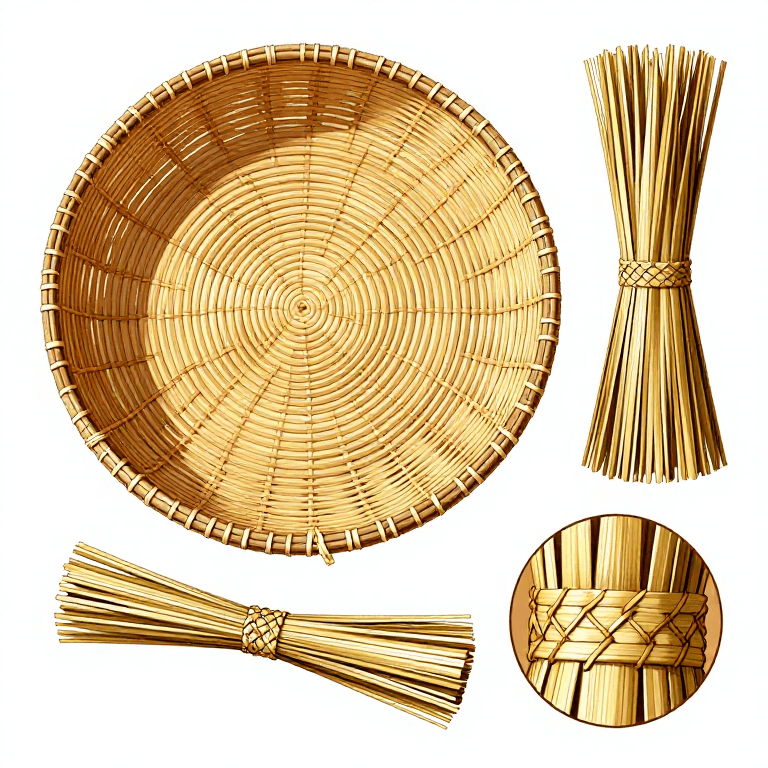

Iki gishushanyo gikora
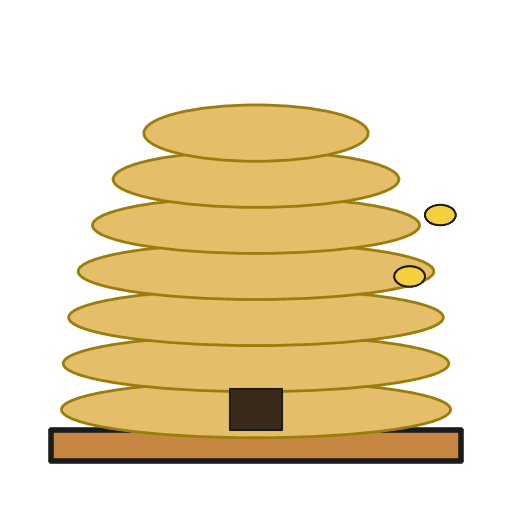
Blueprint zijyanye
Izi blueprint zisangira ubumenyi — uburyo, ibikoresho cyangwa amahame
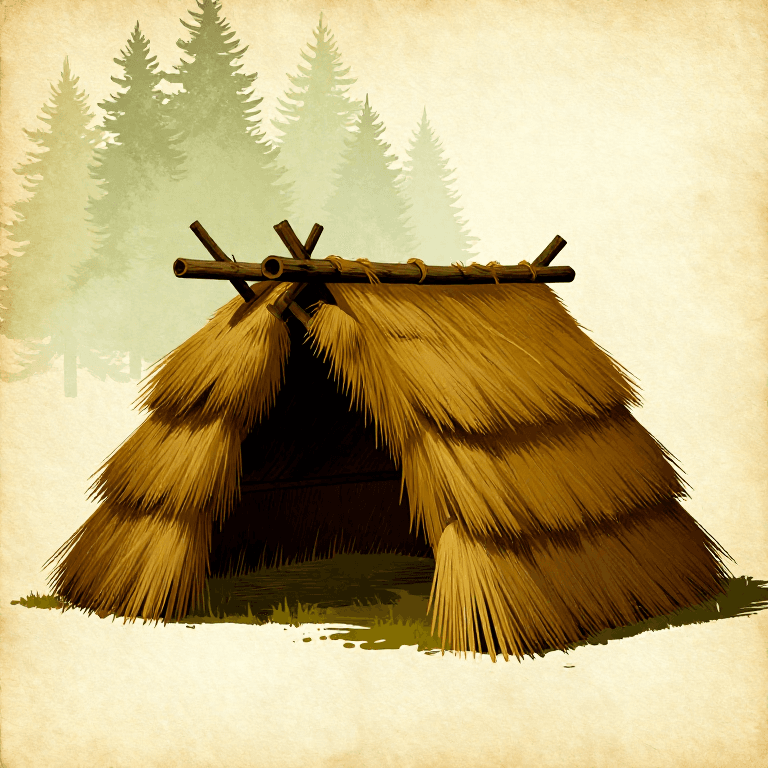




CC0 Umurenge rusange
Iyi blueprint yasohowe munsi ya CC0. Ushobora gukoporora, guhindura, gukwirakwiza no gukoresha nta kwemererwa.
Shyigikira Umuremyi ugura ibicuruzwa binyuze muri Blueprint ye Komisiyo y'Umuremyi byashyizweho n'Abacuruzi, cyangwa kora verisiyo nshya y'iyi Blueprint ukayinjiza nk'isano muri Blueprint yawe kugira ngo musangire inyungu.