
UBUHANZI
UBWIZA N'UBUZIMA
UBUKORIKORI
UMUCO N'AMATEKA
IMYIDAGADURO
IBIDUKIKIJE
IBIRIBWA N'IBINYOBWA
UBWUBATSI BUSUBIRA INYUMA
UBUMENYI
SIPORO
IKORANABUHANGA
IBYAMBARWA
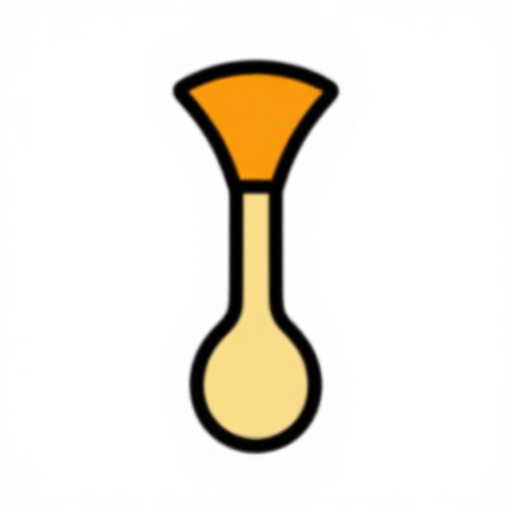
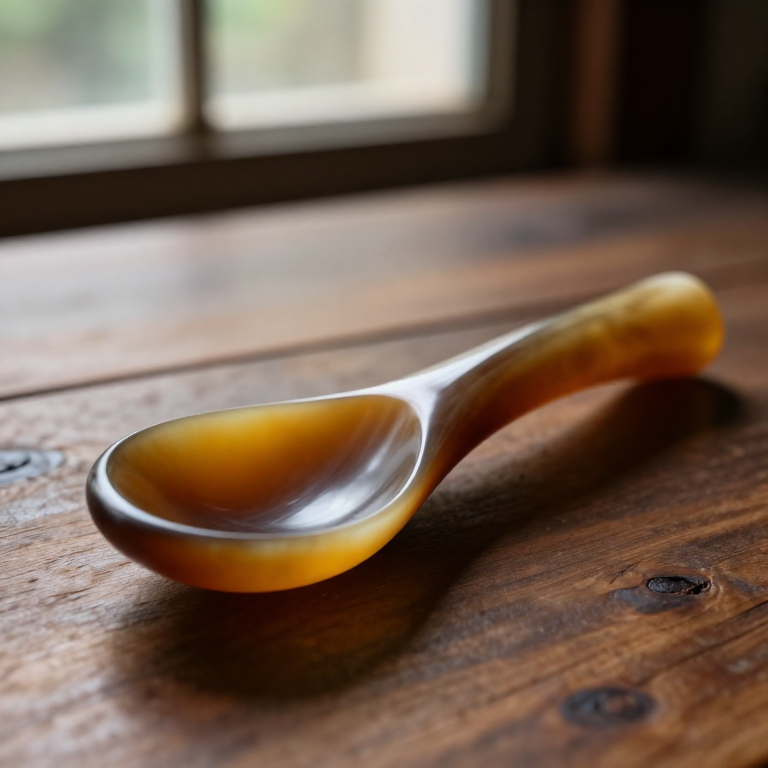
Making a Horn Spoon — Shaping Cattle Horn with Heat and Pressure
Woody

Yaremwe na

Woody

2. Nyakanga 2026NO
31
0
0
0
0

Making a Horn Spoon — Shaping Cattle Horn with Heat and Pressure

Cattle horn is a natural thermoplastic: heated in boiling water it turns soft and pliable, and when it cools it locks into whatever shape it was pressed into. For centuries this made horn the ideal material for spoons, cups and combs — cheaper than metal, tougher than wood, and safe against food. This blueprint makes a traditional horn spoon by hand: saw a section from a cow or ox horn, boil it soft, open it flat, cut the spoon blank, press the bowl over a wooden former, and finish it food-safe with a beeswax polish.
Hagati
5

Amabwiriza

1

Choose and saw a horn section

Pick a clean cow or ox horn. Saw off the solid, curved tip (it has no cavity and is discarded or kept for handles) and saw a length of the wide, hollow part of the horn to become the spoon.

Ibikoresho by'iyi ntambwe:

Ihembe ry'inkaIhembe ry'inka1 igice

Ibikoresho bikenewe:

Umucumita w'IntokiUmucumita w'Intoki
2

Scrape and clean the horn

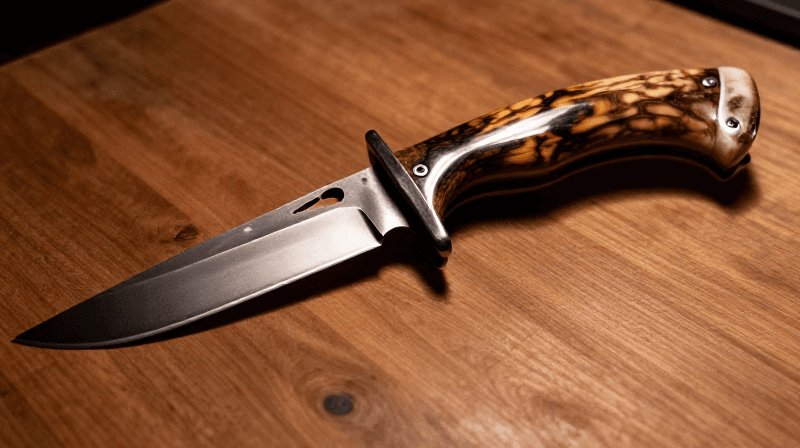
Scrape away the rough outer skin and any membrane inside the cavity with the knife, so the horn is clean and its natural translucency shows. This is the working stock.

Ibikoresho by'iyi ntambwe:

Ihembe ry'inkaIhembe ry'inka1 igice

Ibikoresho bikenewe:

IcyumaIcyuma
3

Boil the horn until soft

Simmer the horn section in a pot of water for 20 to 30 minutes. As it heats, the keratin softens and becomes pliable and slightly translucent — like thick leather. Keep it fully submerged and hot.

Ibikoresho by'iyi ntambwe:

AmaziAmazi4 litiro
Ihembe ry'inkaIhembe ry'inka1 igice

Ibikoresho bikenewe:

Inkono nini y'icyumaInkono nini y'icyuma
4

Slit and open the horn flat

Lift the hot, soft horn out and quickly slit the tube lengthwise with the knife. Unroll it and press it open into a flat sheet while it is still pliable — work fast, it stiffens as it cools.

Ibikoresho bikenewe:

IcyumaIcyuma
5

Press the sheet flat and let it set

Clamp the opened horn flat between two boards in the bench vise and leave it until fully cool. Horn keeps whatever shape it holds while cooling, so it sets as a flat plate.

Ibikoresho bikenewe:

Ifatiro ry'AmezaIfatiro ry'Ameza
6

Mark out the spoon blank

Draw the spoon outline on the flat plate — a rounded bowl at one end flowing into a straight handle. Choose the thickest part of the plate for the bowl so it can be dished without going too thin.

Ibikoresho bikenewe:

IcyumaIcyuma
7

Cut out the blank

Saw and cut around the marked outline to free the flat spoon blank from the plate. Leave a little extra material outside the line for final shaping.

Ibikoresho bikenewe:

Umucumita w'IntokiUmucumita w'Intoki
IcyumaIcyuma
8

Reheat the bowl end

Dip just the bowl end of the blank back into the boiling water for a few minutes until that section goes soft again. The handle can stay stiff.

Ibikoresho by'iyi ntambwe:

AmaziAmazi4 litiro

Ibikoresho bikenewe:

Inkono nini y'icyumaInkono nini y'icyuma
9

Press the bowl over the former

Press the softened bowl end firmly down over the rounded wooden former (a spoon-bowl-shaped block of hardwood). The horn takes up the concave shape of a spoon bowl.

Ibikoresho bikenewe:

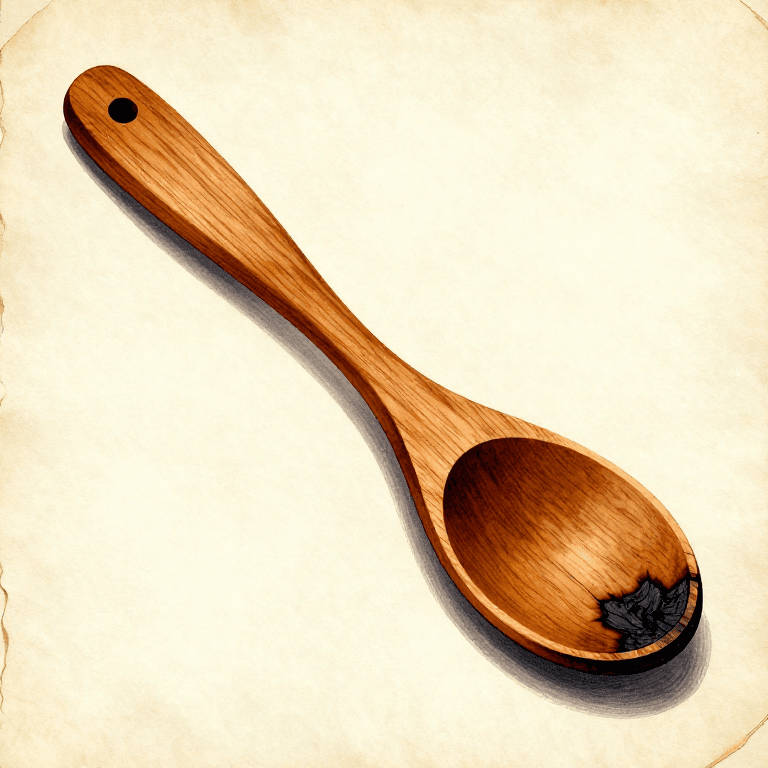
Igishushanyo cy'ikiyiko cy'ihembeIgishushanyo cy'ikiyiko cy'ihembe
10

Hold on the former until cool

Keep the bowl pressed against the former — by hand or clamped — until the horn is completely cold. When it releases it holds the dished bowl shape permanently.

Ibikoresho bikenewe:

Igishushanyo cy'ikiyiko cy'ihembeIgishushanyo cy'ikiyiko cy'ihembe
Ifatiro ry'AmezaIfatiro ry'Ameza
11

Rasp the shape true

Rasp the edges of the bowl and handle down to the marked outline and thin the handle to a comfortable taper. Work evenly so the spoon is symmetrical.

Ibikoresho bikenewe:

Ikirwanya cy'ibyumaIkirwanya cy'ibyuma
12

Scrape smooth

Drag the edge of the knife across the horn as a scraper to remove the rasp marks and bring up a smooth, even surface on both the bowl and handle.

Ibikoresho bikenewe:

IcyumaIcyuma
13

Polish food-safe with beeswax

Rub beeswax into the finished horn and buff hard with a cloth. This brings up a soft shine and seals the surface with a food-safe finish — the spoon is ready to use.

Ibikoresho by'iyi ntambwe:

Uduce tw'IbukiUduce tw'Ibuki1 igice

Ibikoresho bikenewe:

Umwenda w'IpambaUmwenda w'Ipamba

Ibikoresho

6

Ibikoresho bikenewe

7

CC0 Umurenge rusange

Iyi blueprint yasohowe munsi ya CC0. Ushobora gukoporora, guhindura, gukwirakwiza no gukoresha nta kwemererwa.

Shyigikira Umuremyi ugura ibicuruzwa binyuze muri Blueprint ye Komisiyo y'Umuremyi byashyizweho n'Abacuruzi, cyangwa kora verisiyo nshya y'iyi Blueprint ukayinjiza nk'isano muri Blueprint yawe kugira ngo musangire inyungu.

Ibiganiro

(0)

Injira kugira ngo ujye mu biganiro

Gutegura ibitekerezo...