Ubufatanye
UBUHANZI
UBWIZA N'UBUZIMA
UBUKORIKORI
UMUCO N'AMATEKA
IMYIDAGADURO
IBIDUKIKIJE
IBIRIBWA N'IBINYOBWA
UBWUBATSI BUSUBIRA INYUMA
UBUMENYI
SIPORO
IKORANABUHANGA
IBYAMBARWA
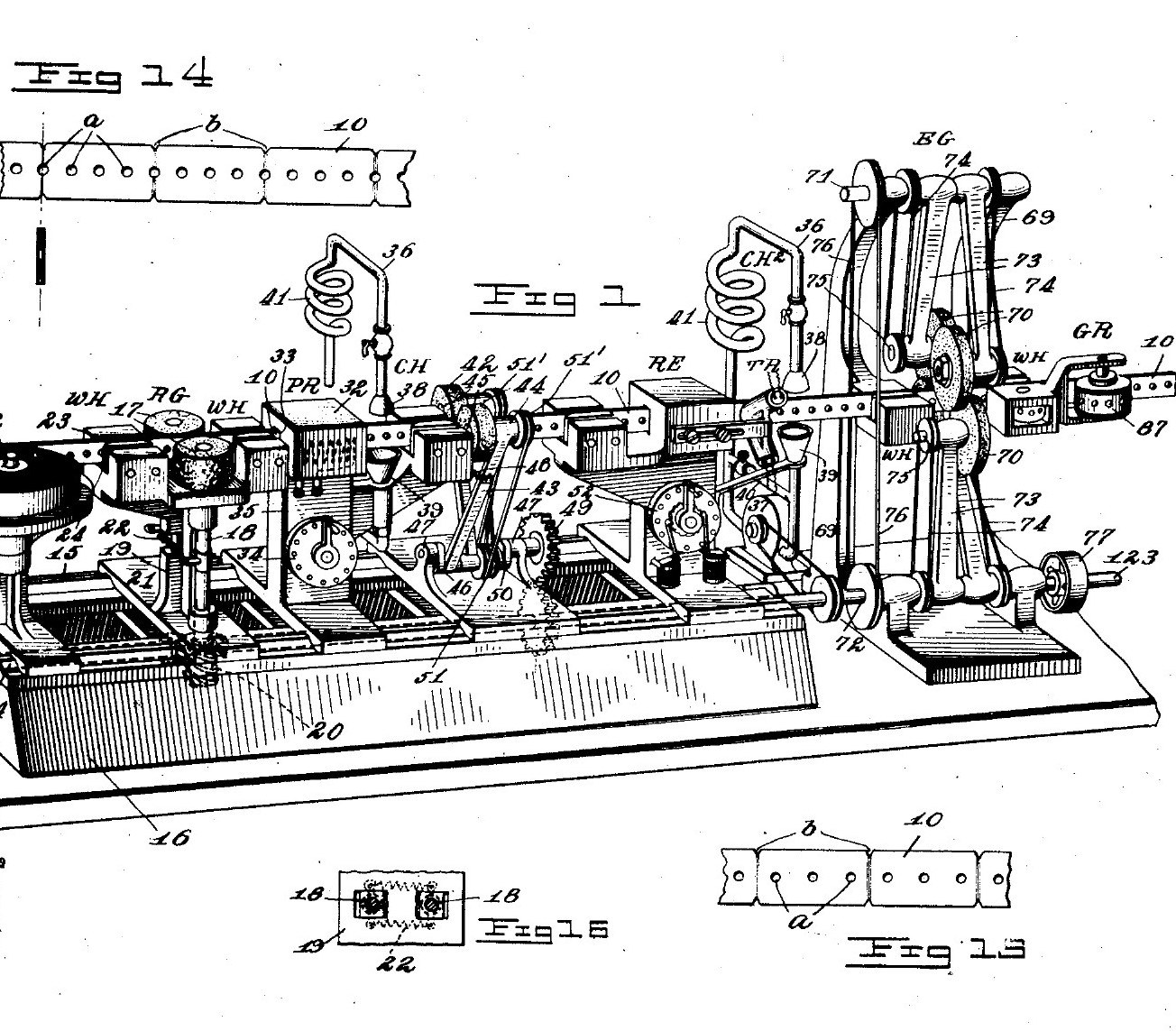
J. P. Tarbox · Public domain (US patent)


Razor Blades from a Continuous Steel Strip (Tarbox 1915)
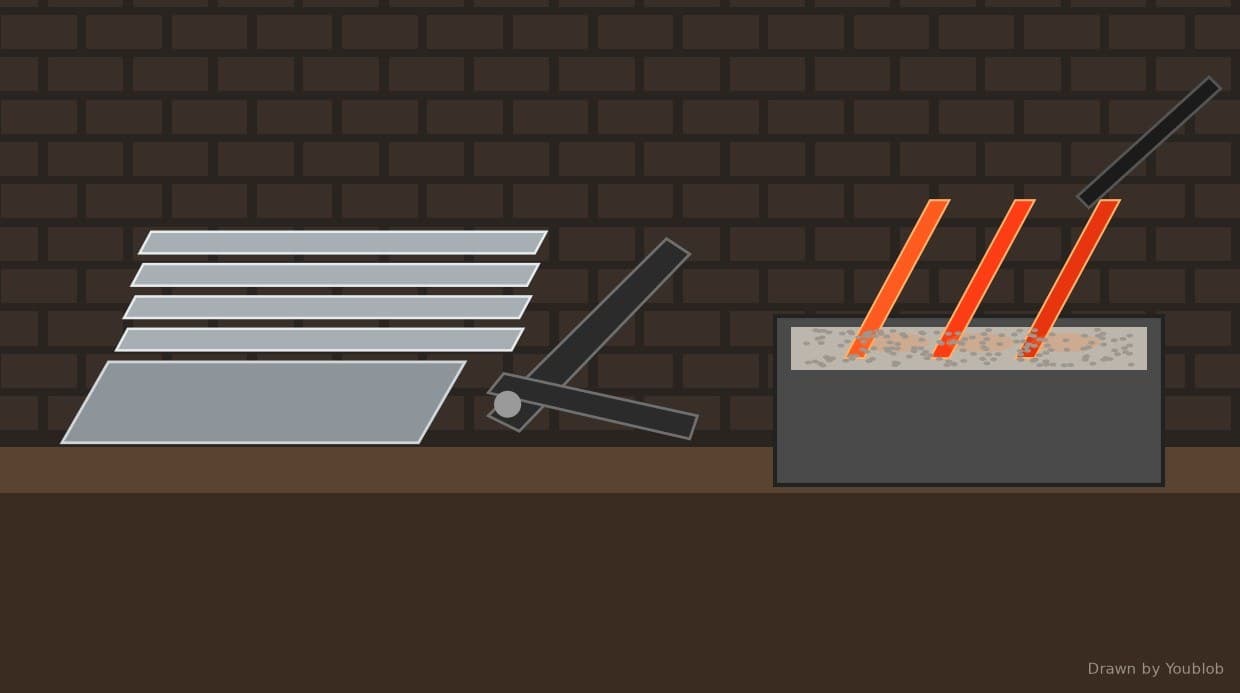
Safety razor blades are made without ever cutting the steel into loose pieces first. A long strip, blade-wide and blade-thick, is punched and notched at every blade length. It then runs through grinding, hardening, tempering, edge grinding, stropping and wrapping, and only at the end is it snapped apart into blades. John Tarbox's machine even set the temper itself, with a selenium cell that watched the colour of the steel.
Source: J. P. Tarbox, US 1,165,037 (1915). The patent gives no temperatures, steel grade or blade sizes. Picture: Tarbox's drawing of the whole line.
Hejuru
Continuous line
Amabwiriza
1
1
Punch and weaken the strip
Punch and weaken the strip
Start from steel rolled into long strip as wide and as thick as the blade. Punch holes along it to suit the razor holder: a Gillette-type holder has three projections. At every blade length, weaken the strip by notching both edges, thinning it across, or punching a hole on the line.
Ibikoresho by'iyi ntambwe:
 Umugozi mugari w'icyuma cya karubone1 strip
Ibikoresho bikenewe:
 Ikandagira ryo gukanda ibyuma
2
2
Rough-grind the faces
Rough-grind the faces
Feed the strip by its holes between a pair of grinding wheels, one on each side, to remove the surface irregularities.
Ibikoresho bikenewe:
 Uruziga rwo gusya
3
3
Harden: heat and chill
Harden: heat and chill
Run it through an electric tunnel heater, then straight into a chilling bath of oil or water.
Ibikoresho bikenewe:
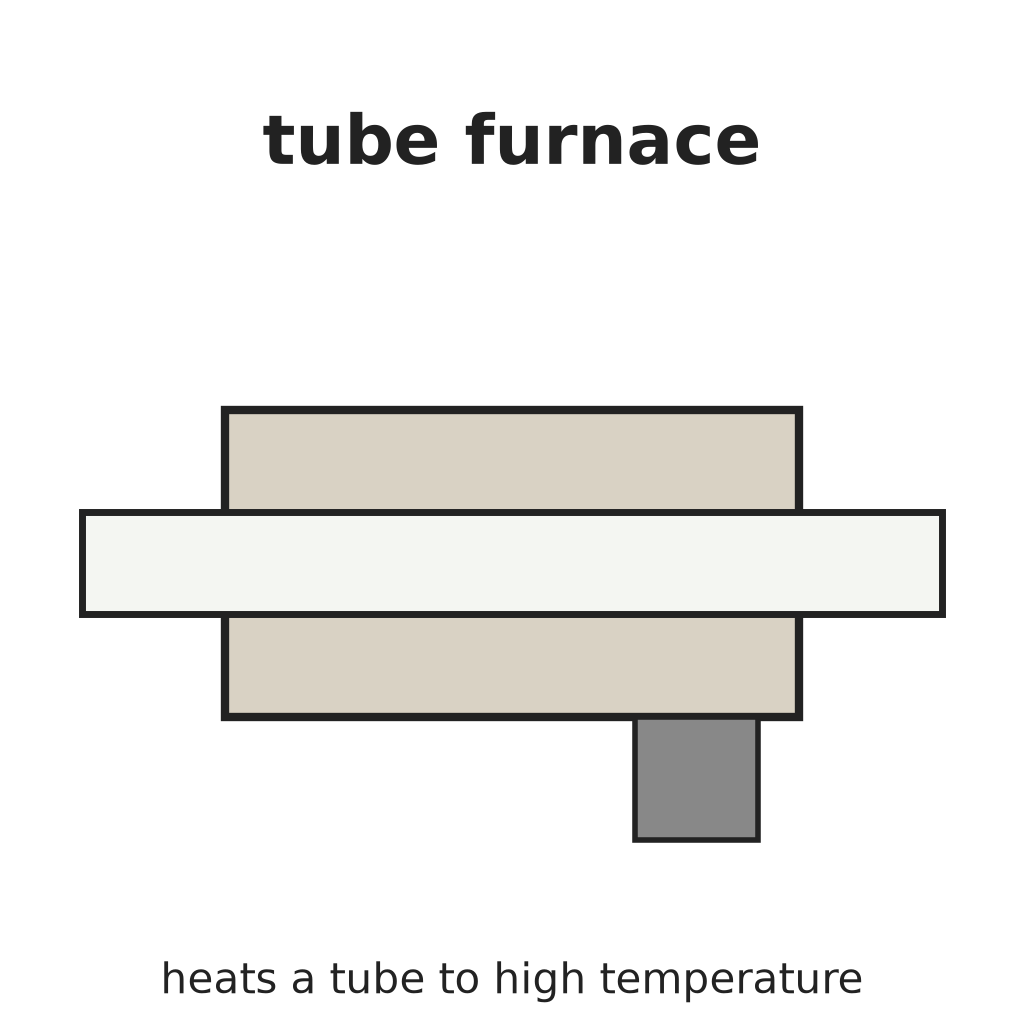 Itanura ry'umuyoboro
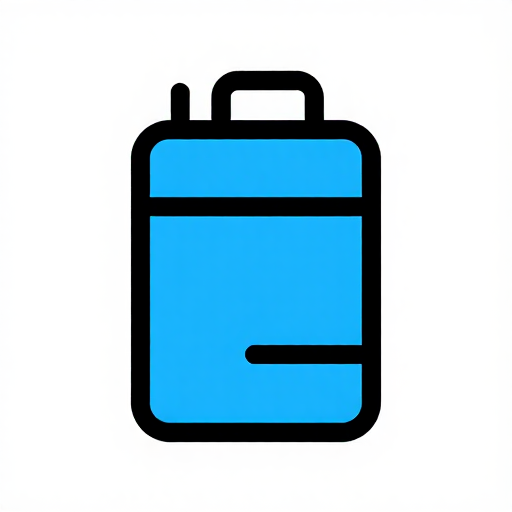 Ikigega cyo gukonjesha kirimo amavuta
4
4
Rub off the oxide
Rub off the oxide
Pass it between emery wheels to rub the oxide off the chilled strip, so its temper colour can be seen when it is reheated.
Ibikoresho bikenewe:
Uruziga rwo gusya5
5
Temper to straw colour
Temper to straw colour
Reheat it in a second, smaller tunnel heater and chill it again. Tarbox held the colour at the temper wanted, for example straw, by letting a selenium cell compare the strip with a coloured standard disk and adjust the heater.
Ibikoresho bikenewe:
Itanura ry'umuyoboroIkigega cyo gukonjesha kirimo amavuta6
6
Grind and strop the edges
Grind and strop the edges
Grind both edges at once between four grinding wheels, hone if wanted, then pass the strip between strop wheels faced with stropping material.
Ibikoresho bikenewe:
Uruziga rwo gusya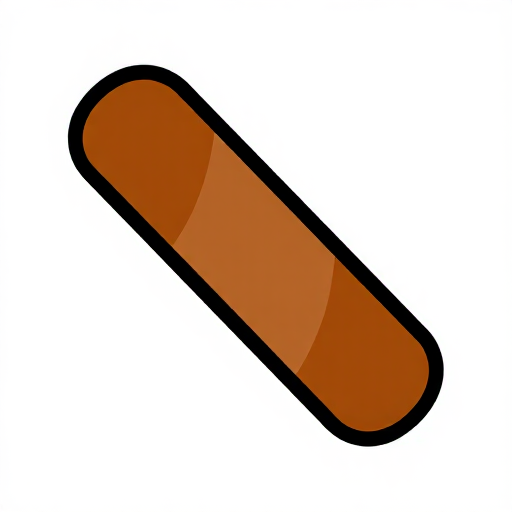 Uruhu rwo gutyaza
7
7
Wrap, break apart and pack
Wrap, break apart and pack
Wrap the strip spirally in paraffined paper. Then snap it at each weakened line over notched wheels, alternately from each side, and count and pack the blades.
Ibikoresho bikenewe:
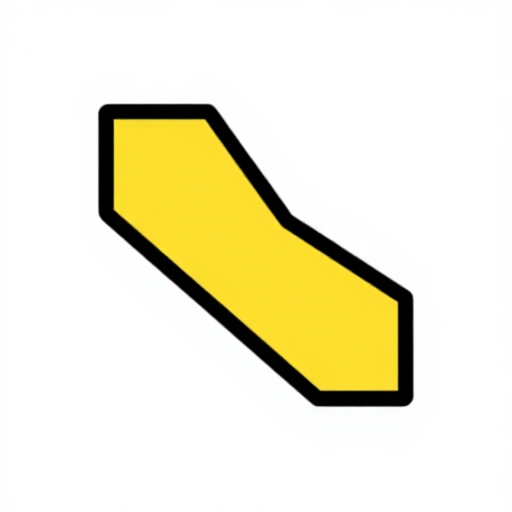 Urupapuro rwasizwe ibushishi
Ibikoresho
1- Umwanya
Ibikoresho bikenewe
6- Umwanya
- Umwanya
- Umwanya
- Umwanya
Iki gishushanyo gikora

Blueprint zijyanye
Izi blueprint zisangira ubumenyi — uburyo, ibikoresho cyangwa amahame
CC0 Umurenge rusange
Iyi blueprint yasohowe munsi ya CC0. Ushobora gukoporora, guhindura, gukwirakwiza no gukoresha nta kwemererwa.
Shyigikira Umuremyi ugura ibicuruzwa binyuze muri Blueprint ye Komisiyo y'Umuremyi byashyizweho n'Abacuruzi, cyangwa kora verisiyo nshya y'iyi Blueprint ukayinjiza nk'isano muri Blueprint yawe kugira ngo musangire inyungu.