
Recolección de Obsidiana — Identificación y Extracción de Vidrio Volcánico en México
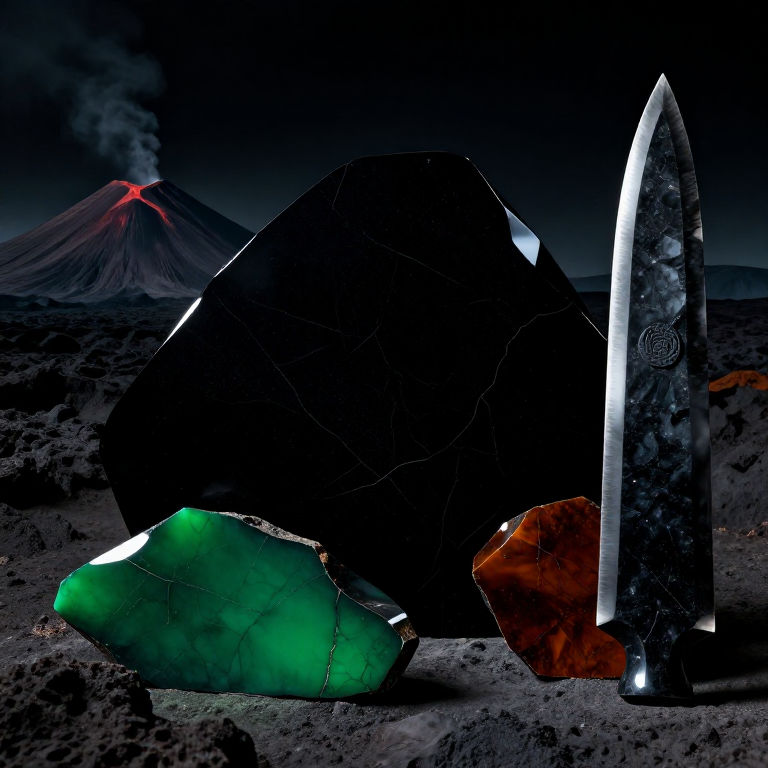
Guía detallada para la identificación, localización y recolección de obsidiana en los depósitos volcánicos de México. La obsidiana es un vidrio volcánico natural que se forma cuando la lava félsica se enfría rápidamente, impidiendo la formación de estructura cristalina. México posee algunos de los yacimientos de obsidiana más importantes del mundo, incluyendo la Sierra de las Navajas en Pachuca, Hidalgo — fuente principal de obsidiana para las civilizaciones mesoamericanas como los aztecas, mayas, olmecas y teotihuacanos. Su composición es de 70 a 75% de sílice (SiO₂), con óxidos de aluminio, sodio, potasio y hierro. Este blueprint cubre la preparación de campo, técnicas de prospección superficial, pruebas de identificación (fractura concoidea, brillo vítreo, transparencia), reconocimiento de variedades por color, extracción cuidadosa, limpieza, evaluación de calidad, documentación y transporte seguro de especímenes.
Amabwiriza
Comprender la geología de la obsidiana
Comprender la geología de la obsidiana
La obsidiana es un vidrio volcánico natural que se forma cuando la lava félsica (rica en sílice) se enfría tan rápidamente que los átomos no tienen tiempo de organizarse en una estructura cristalina. El resultado es un sólido amorfo con brillo vítreo y fractura concoidea. Su composición química típica es de 70 a 75% de SiO₂ (sílice), junto con Al₂O₃ (óxido de aluminio), Na₂O (óxido de sodio), K₂O (óxido de potasio) y Fe₃O₄ (magnetita). Tiene una dureza de 5 a 5.5 en la escala de Mohs. La obsidiana se forma en los márgenes de flujos de lava riolítica y dacítica, donde el enfriamiento es más rápido por contacto con el aire o el agua. México es excepcionalmente rico en obsidiana debido a su intensa actividad volcánica a lo largo del Eje Neovolcánico Transversal (Cinturón Volcánico Transmexicano).
Identificar terreno volcánico y yacimientos conocidos
Identificar terreno volcánico y yacimientos conocidos
Los principales yacimientos de obsidiana en México incluyen: la Sierra de las Navajas (Cerro de las Navajas) en Pachuca, Hidalgo — el yacimiento más famoso de Mesoamérica y fuente principal para Teotihuacán y los aztecas; la región de Otumba, Estado de México; los depósitos cerca de Guadalajara, Jalisco; las zonas volcánicas alrededor del Pico de Orizaba, Veracruz; y los flujos de lava en Puebla y Michoacán. La obsidiana se encuentra típicamente en la superficie o cerca de ella en terrenos asociados a flujos de lava riolítica — busque paisajes con roca volcánica expuesta, suelos grises o negros con fragmentos vítreos, y áreas donde la erosión ha expuesto capas de lava antigua. Estudie mapas geológicos del Servicio Geológico Mexicano (SGM) para localizar formaciones riolíticas y dacíticas.
Ibikoresho by'iyi ntambwe:
 Ikarita ya geologiya y'akarere1 igice
Preparación de seguridad para el trabajo de campo
Preparación de seguridad para el trabajo de campo
La obsidiana es extremadamente afilada — sus bordes fracturados pueden ser más afilados que el acero quirúrgico (hasta 30 ángstroms de espesor en el filo). Use guantes gruesos de cuero al manipular fragmentos. Lleve botas de suela gruesa, pantalones largos y camisa de manga larga. Empaque un botiquín de primeros auxilios con vendas, desinfectante y cinta adhesiva para cortes. Para el trabajo en terreno volcánico, lleve suficiente agua (mínimo 3 litros por persona), protector solar, sombrero y alimentos. Informe a alguien de su destino y hora estimada de regreso. Cargue su teléfono y lleve un mapa físico — la señal celular puede ser limitada en zonas volcánicas remotas. Verifique el pronóstico del clima antes de salir; evite los terrenos volcánicos durante lluvias fuertes por riesgo de deslizamientos.
Ibikoresho by'iyi ntambwe:
 Agasanduku k'ubutabazi bw'ibanze1 igice
Ibikoresho bikenewe:
 Amakariso y'uruhu rukomeye
 Inkweto zifite ibiganza binini
 Ikirinda izuba
 Amazi yo kunywa
Técnicas de prospección superficial
Técnicas de prospección superficial
La obsidiana se encuentra frecuentemente como nódulos y fragmentos en la superficie del terreno cerca de flujos de lava. Camine lentamente, examinando el suelo con atención. Busque fragmentos con brillo vítreo (apariencia de vidrio) que destaquen del suelo circundante. Los nódulos de obsidiana a menudo están parcialmente enterrados — la erosión y el agua de lluvia exponen piezas nuevas constantemente. Preste especial atención a las laderas de cerros volcánicos, cauces de arroyos secos (donde el agua arrastra fragmentos cuesta abajo), y cortes de caminos que han expuesto capas subsuperficiales. En la Sierra de las Navajas, los fragmentos pueden encontrarse dispersos en áreas extensas. Use una varilla de sondeo ligera para verificar si hay nódulos justo debajo de la superficie del suelo (a 5-15 centímetros de profundidad).
Ibikoresho bikenewe:
 Inkoni yo gusesengura ubutaka (metero 1)
Identificar obsidiana genuina — pruebas de campo
Identificar obsidiana genuina — pruebas de campo
Realice tres pruebas clave para confirmar que un espécimen es obsidiana: 1) Fractura concoidea — la obsidiana se rompe con superficies curvas y lisas (como las ondas que produce una piedra al caer en agua), produciendo bordes extremadamente afilados. Si el fragmento muestra superficies de fractura curvas y suaves, es un fuerte indicador. 2) Brillo vítreo — la superficie de la obsidiana tiene un brillo similar al vidrio, no mate ni terroso. Observe la superficie bajo la luz del sol. 3) Transparencia — los bordes delgados de la obsidiana transmiten luz. Sostenga un fragmento delgado contra el sol: la obsidiana genuina mostrará un resplandor translúcido en los bordes (desde amarillo hasta marrón rojizo, dependiendo del espesor y la composición). La obsidiana no tiene estructura cristalina visible — si observa cristales o granos, probablemente sea basalto u otra roca volcánica cristalina.
Reconocer las variedades de obsidiana por color
Reconocer las variedades de obsidiana por color
La obsidiana presenta diversas variedades de color, cada una determinada por su composición mineral y condiciones de formación: Negra — la más común, su color oscuro se debe a la presencia de nanopartículas de magnetita (Fe₃O₄). Verde — producida por concentraciones bajas de hierro ferroso (Fe²⁺), particularmente abundante en los yacimientos de la Sierra de las Navajas. La obsidiana verde de Pachuca fue el material más codiciado por los aztecas. Caoba (mahogany) — muestra bandas o manchas rojizas causadas por inclusiones microscópicas de hematita (Fe₂O₃). Arcoíris (rainbow) — exhibe iridiscencia causada por capas nanométricas de cristales de magnetita que difractan la luz. Copo de nieve (snowflake) — contiene inclusiones blancas radiales de cristobalita (un polimorfo de la sílice) formadas por desvitrificación parcial a lo largo del tiempo geológico. Dorada (golden sheen) — presenta un reflejo dorado causado por inclusiones de burbujas de gas alineadas.
Extracción cuidadosa de especímenes
Extracción cuidadosa de especímenes
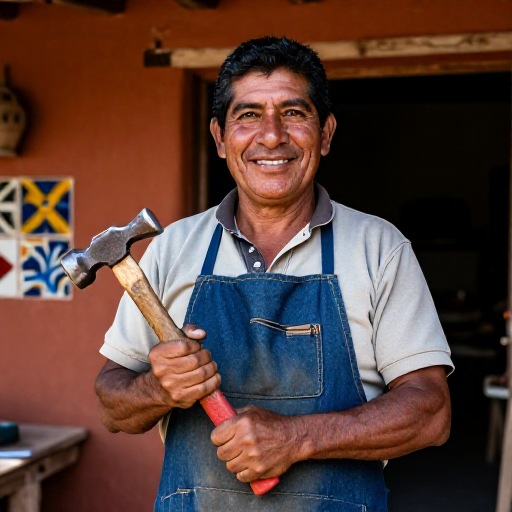
Una vez identificado un espécimen valioso, extráigalo con cuidado para preservar su integridad. Para fragmentos sueltos en la superficie, simplemente recójalos con guantes de cuero. Para nódulos parcialmente enterrados, use un cincel de geólogo y un martillo pequeño para aflojar el suelo alrededor del espécimen sin golpear directamente la obsidiana — los impactos pueden fracturarla de manera impredecible. Trabaje con la punta del cincel en el suelo, no en la roca. Afloje la tierra circundante y extraiga el nódulo levantándolo desde abajo. Para piezas grandes (más de 15 centímetros), cave un canal alrededor del espécimen antes de levantarlo. Nunca intente separar nódulos de la roca madre con golpes fuertes — la obsidiana se fractura de manera concoidea y puede lanzar fragmentos cortantes. Si la extracción requiere herramientas pesadas, probablemente necesite un permiso especial.
Ibikoresho bikenewe:
 Icyuma cy'umuhanga w'ubutaka
 Inyundo y'umuhanga wa geologiyaAmakariso y'uruhu rukomeye
Limpieza de especímenes en campo
Limpieza de especímenes en campo
Limpie los especímenes en el campo para evaluar su calidad antes de transportarlos. Use un cepillo de cerdas suaves (nunca metálico) para eliminar tierra y polvo adherido. Para suciedad persistente, use agua limpia con un paño suave. No frote la superficie con materiales abrasivos — la obsidiana tiene dureza 5-5.5 Mohs y puede rayarse con arena o piedras más duras. Examine la pieza limpia bajo buena luz para evaluar su claridad, color, presencia de inclusiones y calidad del brillo vítreo. Los especímenes con superficies naturales de fractura intactas (sin astillamiento reciente) son más valiosos para colección. Después de limpiar, envuelva cada espécimen individualmente en papel periódico o tela suave para evitar que se rayen o fracturen mutuamente durante el transporte.
Ibikoresho by'iyi ntambwe:
 Urupapuro rw'ikinyamakuru10 impapuro
 Umwenda woroshye w'ipamba2 ibice
Ibikoresho bikenewe:
 Uburoso bufite ubwoya bworoshye
Evaluación de calidad del espécimen
Evaluación de calidad del espécimen
Evalúe cada espécimen según los siguientes criterios: Tamaño — piezas mayores de 10 centímetros son más versátiles para talla lítica o exhibición. Homogeneidad — la obsidiana uniforme sin inclusiones grandes, burbujas o fracturas internas es de mayor calidad. Sostenga el espécimen contra una luz fuerte para buscar defectos internos. Color — la obsidiana verde de Pachuca y la arcoíris son las variedades más apreciadas en México. Brillo — un brillo vítreo intenso indica buena preservación; superficies opacas o mates sugieren alteración (hidratación o desvitrificación). Forma — nódulos redondeados con corteza natural (la capa exterior mate) intacta son valiosos como piezas de demostración. La obsidiana absorbe agua del ambiente a través de superficies expuestas a un ritmo medible — este fenómeno, llamado hidratación de obsidiana, se usa en arqueología como método de datación.
Documentar la ubicación del hallazgo
Documentar la ubicación del hallazgo
Registre la ubicación exacta donde encontró cada espécimen. Tome las coordenadas GPS con su teléfono o receptor GPS. Fotografíe el espécimen in situ (en su posición original antes de extraerlo) con una escala de referencia (una moneda o regla). Fotografíe también el entorno geológico: el tipo de terreno, la roca circundante y cualquier formación volcánica visible. Anote en su cuaderno de campo: fecha, coordenadas, altitud, tipo de terreno (ladera, cauce, corte de camino), color y tamaño estimado del espécimen, y cualquier otra observación geológica relevante. Esta documentación es valiosa para registros geológicos personales y contribuye al conocimiento de la distribución de obsidiana en la región. Si encuentra artefactos trabajados (puntas de flecha, raspadores, cuchillas), no los retire — podrían ser piezas arqueológicas protegidas por el INAH (Instituto Nacional de Antropología e Historia).
Ibikoresho by'iyi ntambwe:
 Ikayi y'umurima1 igice
Ibikoresho bikenewe:
 Telefone ifite GPS
 Agapimo ngenderwaho
Etiquetado de especímenes
Etiquetado de especímenes
Etiquete cada espécimen con un número único que corresponda a una entrada en su cuaderno de campo. Escriba el número en una etiqueta de papel resistente con lápiz (la tinta puede borrarse con la humedad) e inclúyala dentro del envoltorio del espécimen. En la etiqueta anote: número de espécimen, localidad, fecha de recolección, variedad de color, y peso o tamaño aproximado. Para colecciones más formales, se puede aplicar un punto de esmalte blanco en un área discreta del espécimen (la base o una superficie no expositiva) y escribir el número con tinta indeleble sobre el esmalte una vez seco. Un sistema de catalogación consistente es esencial si planea construir una colección geológica seria o compartir datos con otros coleccionistas.
Ibikoresho by'iyi ntambwe:
 Utwandiko tw'impapuro zikomeye20 ibice
 Amazi yera yo gusiba1 igice
Ibikoresho bikenewe:
 Ikaramu ya grafite
Transporte y almacenamiento seguro
Transporte y almacenamiento seguro
Transporte los especímenes envueltos individualmente en papel periódico o tela, colocados en una caja resistente con divisiones o acolchamiento (espuma, cartón corrugado, o papel arrugado entre las piezas). No apile especímenes sin protección — la obsidiana es frágil y sus bordes afilados pueden dañar otras piezas y cortar los envoltorios. Para piezas grandes o especialmente valiosas, use cajas individuales acolchadas. En el vehículo, coloque la caja en el piso (no en el asiento, donde puede caer) y asegúrela para evitar movimiento durante el viaje. Para almacenamiento a largo plazo, mantenga los especímenes en un lugar seco, protegido de la luz solar directa (la radiación UV no afecta la obsidiana, pero el calor puede exacerbar microfracturas internas). Exhiba las piezas en vitrinas o estantes con base acolchada. La obsidiana es estable geológicamente y no requiere tratamientos de conservación especiales. Note que la recolección es legal en muchas localidades mexicanas, pero los sitios arqueológicos están protegidos por la Ley Federal sobre Monumentos y Zonas Arqueológicos — consulte las regulaciones del INAH antes de recolectar en áreas cercanas a zonas arqueológicas conocidas.
Ibikoresho by'iyi ntambwe:
 Agasanduku k'ikarito gakomeye gafite ibice1 igice
 Ifuro rya polietileni ryo kuboha1 kilogramo
Ibikoresho
9- Umwanya
- Umwanya
- 10 impapuroUmwanya
- 2 ibiceUmwanya
- 1 igiceUmwanya
- 20 ibiceUmwanya
- 1 igiceUmwanya
- Umwanya
- 1 kilogramoUmwanya
Ibikoresho bikenewe
11- Umwanya
- Umwanya
- Umwanya
- Umwanya
- Umwanya
- Umwanya
- Umwanya
Iki gishushanyo gikora

CC0 Umurenge rusange
Iyi blueprint yasohowe munsi ya CC0. Ushobora gukoporora, guhindura, gukwirakwiza no gukoresha nta kwemererwa.
Shyigikira Umuremyi ugura ibicuruzwa binyuze muri Blueprint ye Komisiyo y'Umuremyi byashyizweho n'Abacuruzi, cyangwa kora verisiyo nshya y'iyi Blueprint ukayinjiza nk'isano muri Blueprint yawe kugira ngo musangire inyungu.