
Building a Safety Bicycle — Chain Drive, Equal Wheels, and Personal Freedom
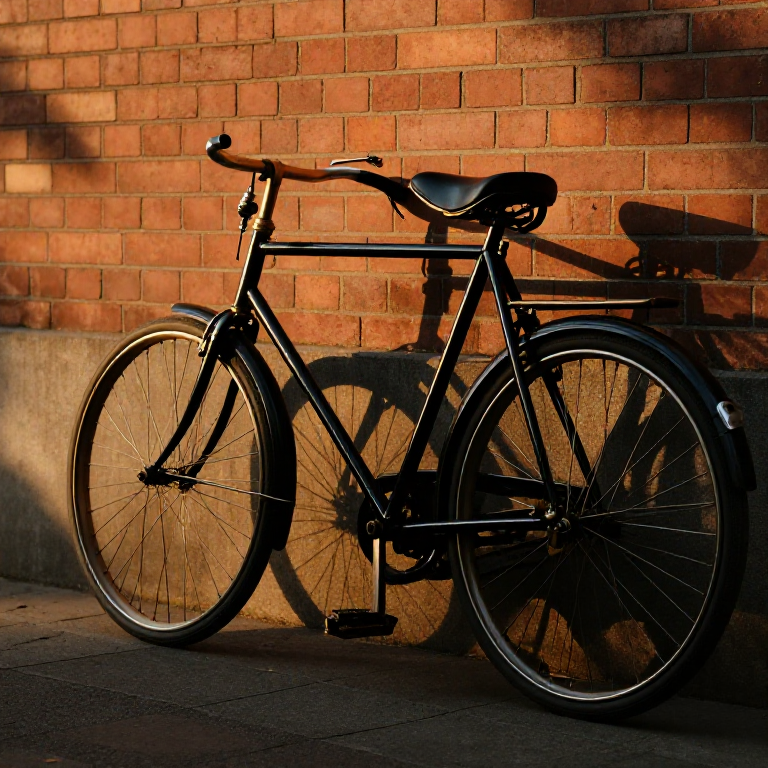
The bicycle that everyone rides today was settled in the 1880s and is still called, in the trade, the safety bicycle — to distinguish it from the terrifying high penny-farthing it replaced. Two equal wheels, a diamond frame, a chain driving the rear wheel, and soon air-filled tyres made cycling safe, fast, and available to ordinary people.
Each feature solves a problem. Equal wheels and a low frame mean you can put a foot down and cannot be pitched over the handlebars. The chain and gearing let a small wheel travel fast without the giant front wheel of the penny-farthing. The diamond frame, built of brazed steel tubes, is astonishingly light and strong for its weight. And Dunlop's pneumatic rubber tyres turned a bone-shaking ride into a smooth one.
The safety bicycle was more than transport. Cheap, simple, and needing no horse or fuel, it gave working people and especially women a freedom of movement they had never had — which is why it is often credited with as much social change as mechanical.
Amabwiriza
Understand the safety design
Understand the safety design
Braze the diamond frame
Braze the diamond frame
Ibikoresho by'iyi ntambwe:
 Imiyoboro y'icyuma yo kubaka4 metero
Ibikoresho bikenewe:
 Itara ryo gusudira ku bushyuhe bwinshi
Build the wheels
Build the wheels
Ibikoresho by'iyi ntambwe:
 Insinga z'icyuma z'uruziga72 ibice
 Uruziga rw'igare (alumini)2 ibice
Ibikoresho bikenewe:
 Isupana y'imigozi y'ipine
Fit pneumatic tyres
Fit pneumatic tyres
Ibikoresho by'iyi ntambwe:
 Ipine y'ikawushu2 ibice
Build the chain drive
Build the chain drive
Ibikoresho by'iyi ntambwe:
 Umunyururu w'ibizunguruka1 igice
 Ipine ry'umunyururu1 ikirundo
 Ipine ry'umunyururu1 ikirundo
Fit the bottom bracket and cranks
Fit the bottom bracket and cranks
Ibikoresho by'iyi ntambwe:
 Ibiziga by'utubuye1 ikirundo
Set up the steering
Set up the steering
Ibikoresho by'iyi ntambwe:
 Ibifatiro by'igare1 igice
Fit brakes
Fit brakes
Ibikoresho by'iyi ntambwe:
 Ikiganza cya feri2 ibice
Fit the saddle
Fit the saddle
Ibikoresho by'iyi ntambwe:
 Intebe y'ifarasi y'uruhu1 igice
Assemble and true
Assemble and true
Ibikoresho bikenewe:
 Igifashi cy'imiyoboro
Test and tune
Test and tune
Ibikoresho bikenewe:
Igifashi cy'imiyoboroAppreciate the freedom it gave
Appreciate the freedom it gave
Ibikoresho
11- 4 meteroUmwanya
- 72 ibiceUmwanya
- 2 ibiceUmwanya
- 2 ibiceUmwanya
- 1 igiceUmwanya
- 1 ikirundoUmwanya
- 1 ikirundoUmwanya
- 1 ikirundoUmwanya
- 1 igiceUmwanya
- 2 ibiceUmwanya
- 1 igiceUmwanya
Ibikoresho bikenewe
3- Umwanya
- Umwanya
Iki gishushanyo gikora

Blueprint zijyanye
Izi blueprint zisangira ubumenyi — uburyo, ibikoresho cyangwa amahame

CC0 Umurenge rusange
Iyi blueprint yasohowe munsi ya CC0. Ushobora gukoporora, guhindura, gukwirakwiza no gukoresha nta kwemererwa.
Shyigikira Umuremyi ugura ibicuruzwa binyuze muri Blueprint ye Komisiyo y'Umuremyi byashyizweho n'Abacuruzi, cyangwa kora verisiyo nshya y'iyi Blueprint ukayinjiza nk'isano muri Blueprint yawe kugira ngo musangire inyungu.