UBUHANZI
UBWIZA N'UBUZIMA
UBUKORIKORI
UMUCO N'AMATEKA
IMYIDAGADURO
IBIDUKIKIJE
IBIRIBWA N'IBINYOBWA
UBWUBATSI BUSUBIRA INYUMA
UBUMENYI
SIPORO
IKORANABUHANGA
IBYAMBARWA
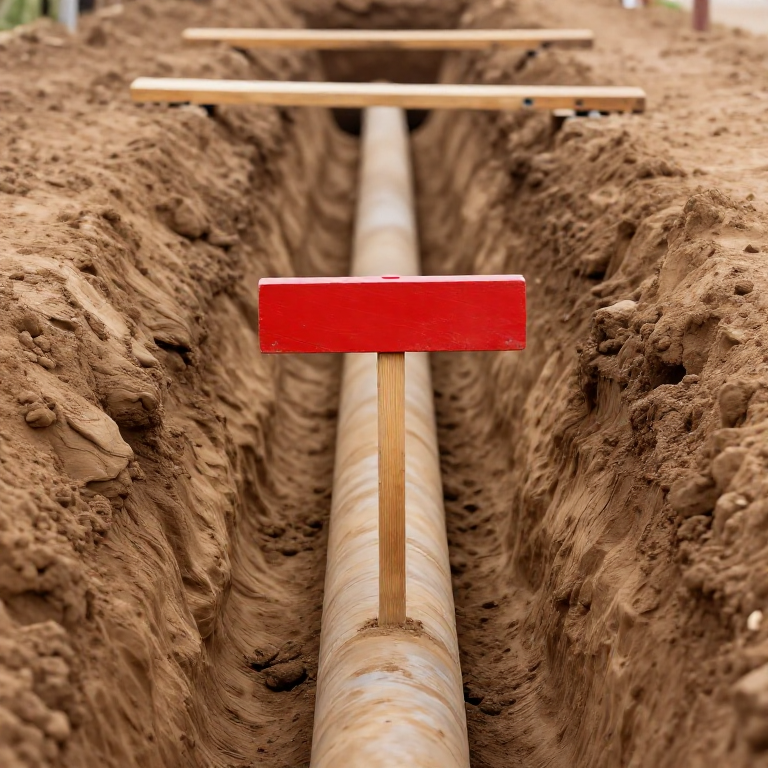


Setting a Gradient: Drainage Falls and the Boning Rod
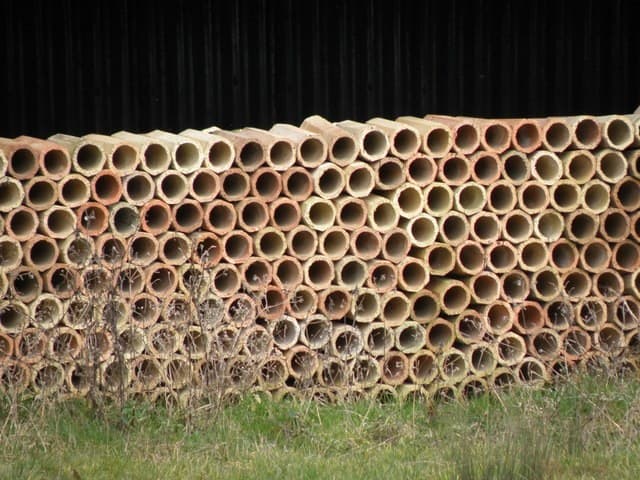
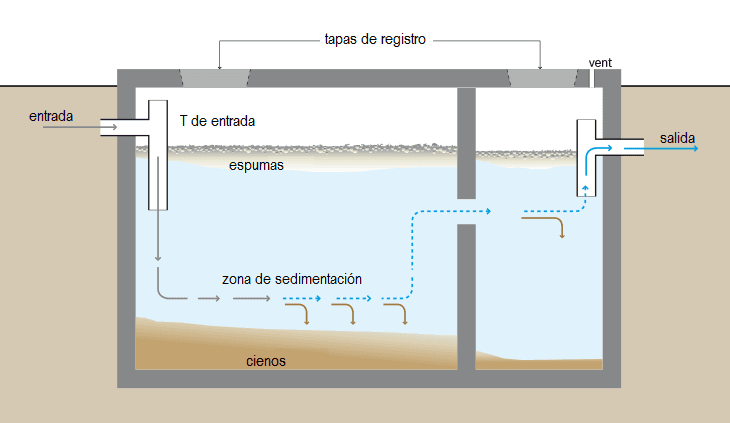
The drainage tile, the septic tank and the constructed wetland already published here all share a requirement none of them explains: the pipe must fall at a specific, constant gradient, and both too little and too MUCH will stop it working.
Too little and solids settle. Too much and the water runs away and leaves the solids behind — which surprises people, and is why a steep drain blocks as reliably as a flat one. The traditional figures, one in forty for a small foul drain and one in eighty for a larger one, are not arbitrary: they are the range where the flow stays fast enough to scour and slow enough to carry.
Boning rods are how that gradient gets built without an instrument in the trench. Three T-shaped rods, two set on the known ends and one carried along, and your own eye does the interpolation.
Hagati
1 day
Amabwiriza
1
1
Fix the two ends before anything else
Fix the two ends before anything else
Establish the invert level — the inside bottom of the pipe — at the start and at the outfall, using the levelling method from earlier in this batch.
The outfall is usually fixed by something you do not control: an existing manhole, a ditch, a soakaway. Level it FIRST and work backwards, because discovering at the end of the trench that you needed 300 millimetres you have not got is the failure this whole rung exists to prevent.
Ibikoresho by'iyi ntambwe:
 Inkingi nto z'ibiti6 ibice
Ibikoresho bikenewe:
 Igipimo cy'ubushyuhe cy'amaso (gupima ubutaka)
 Igiti cyo gupima uburebure
2
2
Choose the gradient, and check it against both limits
Choose the gradient, and check it against both limits
Work out the fall available over the run, and compare it with what the pipe needs. For a 100 mm foul drain, 1 in 40 is the usual figure; for 150 mm, 1 in 60 to 1 in 80.
Check BOTH ends of the range. A gradient far steeper than needed is a real fault, not a safety margin, and where the ground falls faster than the pipe should, the answer is a steep section plus a manhole or a backdrop — not a uniformly steep pipe.
3
3
Make a set of boning rods
Make a set of boning rods
Make three identical T-shaped rods — a vertical leg with a horizontal crosspiece — all exactly the same length, with the crosspieces painted a colour that stands out against soil.
Identical is the whole trick, and the only tolerance that matters is between the three: cut them together and check them against each other, not against a tape. If they differ by 10 millimetres, your trench is wrong by 10 millimetres everywhere, and nothing in the method will tell you.
Ibikoresho by'iyi ntambwe:
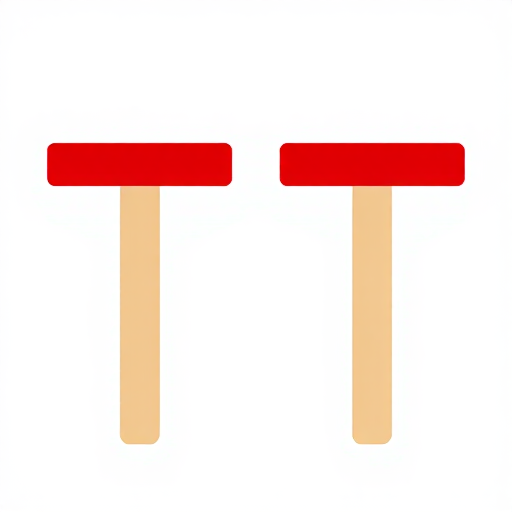 Inkoni zo kureba uburyamo3 ibice
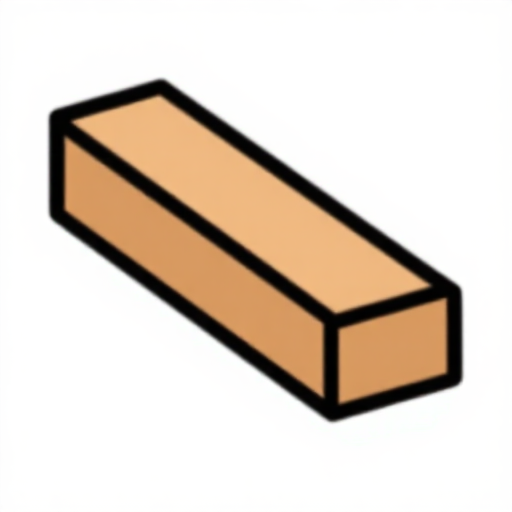 Igiti gitambitse cy'inzu cy'umusederi wa Douglas2 length
Ibikoresho bikenewe:
 Umucumita w'Intoki
 Umugozi wo Gupima
4
4
Set sight rails at each end and bone between them
Set sight rails at each end and bone between them
Set a sight rail at each end of the run, each one exactly one boning-rod height above the intended invert at that point. The line joining the two rail tops is then parallel to the pipe, one rod height up.
Stand behind one rail and sight across both. Anyone in the trench holds the third rod on the formation: when its crosspiece lines up exactly with the two rails, the trench is at the right depth. Your eye is doing linear interpolation over thirty metres, to a few millimetres, with no instrument.
Ibikoresho by'iyi ntambwe:
Igiti gitambitse cy'inzu cy'umusederi wa Douglas4 length Imisumari ipfukiranywe zinki20 ibice
Ibikoresho bikenewe:
Umucumita w'Intoki Inyundo ifite inzaraIgipimo cy'ubushyuhe cy'amaso (gupima ubutaka)
5
5
Lay to the invert, not to the top of the pipe
Lay to the invert, not to the top of the pipe
Bed each pipe so that the INSIDE BOTTOM sits on the line, and check every single one before backfilling.
Pipes vary in wall thickness, so laying to the top of the barrel puts a step in the invert at each joint — and a step is where solids catch. Support the barrel along its length, never on the collars, and never pack it up on a stone: a pipe bearing on two hard points cracks under backfill.
Ibikoresho bikenewe:
Inkoni zo kureba uburyamo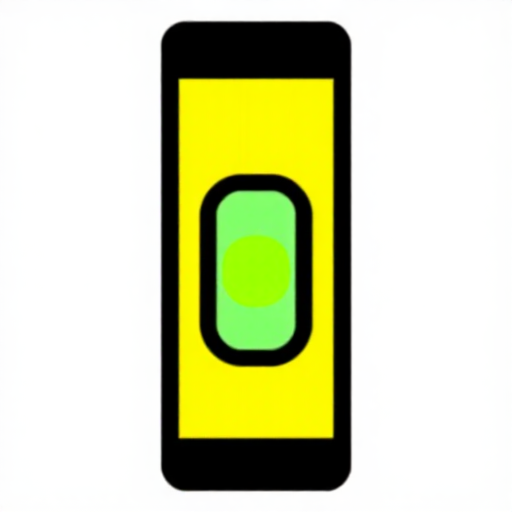 Igipimo cy'urwego
6
6
Why too steep blocks a drain
Why too steep blocks a drain
Gupakira ikaye ya Jupyter…
7
7
Prove it with water before you backfill
Prove it with water before you backfill
Run a bucket of water down the finished pipe and watch it at the outfall. It should arrive promptly and completely, leaving nothing standing.
Water is the only test that matters, it costs a bucket, and it is available exactly once — after backfilling, finding a reverse fall means digging the whole run out again. Put a spirit level in the trench along the pipe as a second check: at 1 in 40 the bubble should sit visibly but only slightly off centre, and a bubble that looks central means the fall is not there.
Ibikoresho bikenewe:
Igipimo cy'urwegoIbikoresho
4- 6 ibiceUmwanya
- 3 ibiceUmwanya
- Umwanya
- 20 ibiceUmwanya
Ibikoresho bikenewe
7- Umwanya
- Umwanya
- 1 vendor sell this, none ship to you yetUmwanya
- Umwanya
- Umwanya
- Umwanya
Blueprint zijyanye
Izi blueprint zisangira ubumenyi — uburyo, ibikoresho cyangwa amahame
CC0 Umurenge rusange
Iyi blueprint yasohowe munsi ya CC0. Ushobora gukoporora, guhindura, gukwirakwiza no gukoresha nta kwemererwa.
Shyigikira Umuremyi ugura ibicuruzwa binyuze muri Blueprint ye Komisiyo y'Umuremyi byashyizweho n'Abacuruzi, cyangwa kora verisiyo nshya y'iyi Blueprint ukayinjiza nk'isano muri Blueprint yawe kugira ngo musangire inyungu.