Ubufatanye
UBUHANZI
UBWIZA N'UBUZIMA
UBUKORIKORI
UMUCO N'AMATEKA
IMYIDAGADURO
IBIDUKIKIJE
IBIRIBWA N'IBINYOBWA
UBWUBATSI BUSUBIRA INYUMA
UBUMENYI
SIPORO
IKORANABUHANGA
IBYAMBARWA
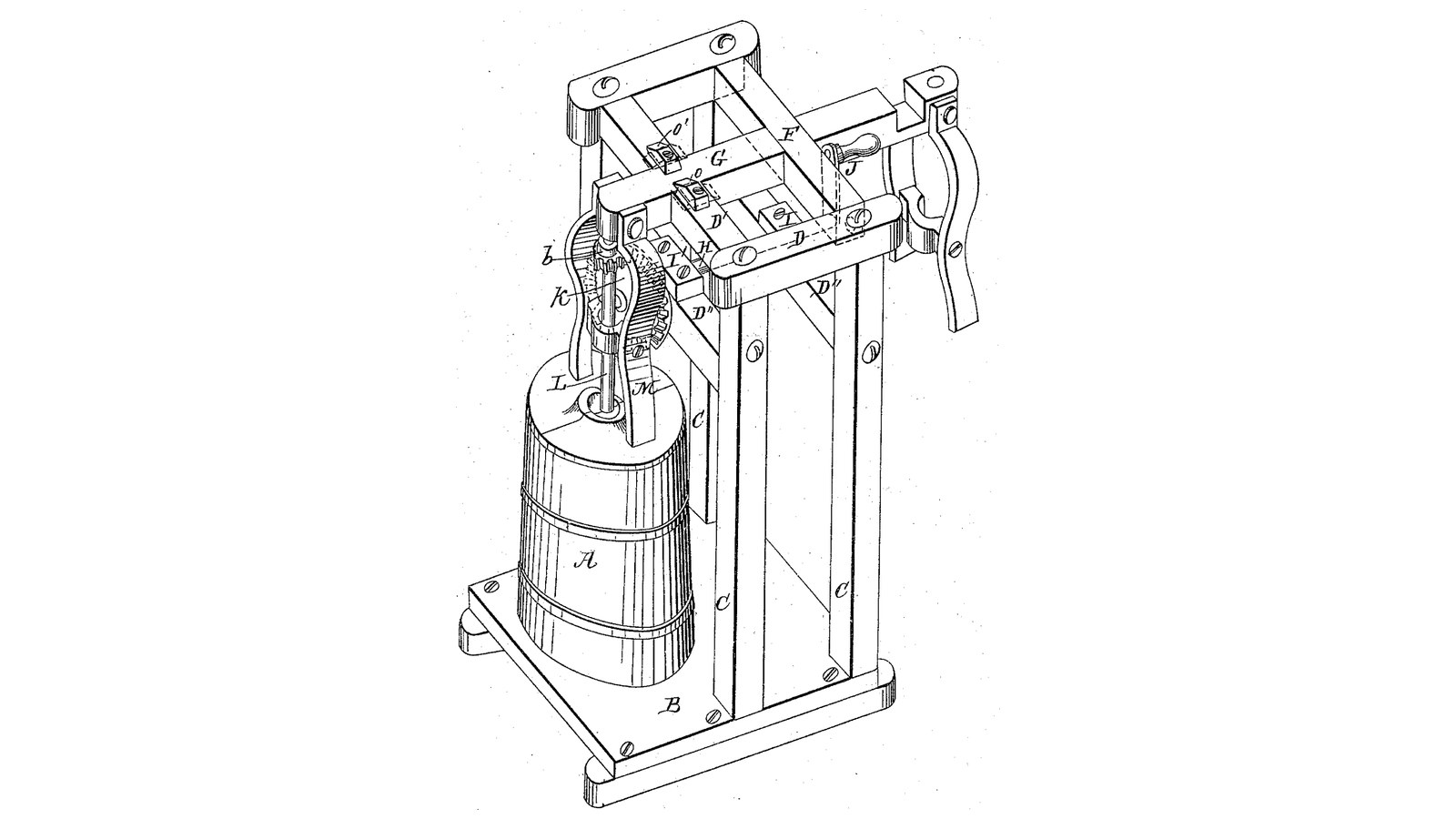

Hinged-Arm Frame Churn: An Arm That Swings Back Holds the Dasher's Top, Its Forked Brace Holds the Cover Down
John Stilwell of Griffin, Georgia, received US 32,388, dated 21 May 1861, for a stand that turns the dasher of an upright churn. The churn stands on a base in front of a frame; an arm fixed to a cross bar turning in the frame's top reaches over it and holds the dasher's top, while a crank shaft on the frame turns the dasher through bevel gearing. A forked brace hinged to the arm presses the two half covers and the churn down. Turn the brace up to look in, or loosen two buttons and swing the arm back to take the churn out.
The patent gives no sizes; every size here is ours.
Hagati
About 3 days
Amabwiriza
1
1
Swinging the arm clear
Swinging the arm clear
Gupakira ikaye ya Jupyter…
2
2
A hinged bearing over the churn, a year before
A hinged bearing over the churn, a year before
Mitchell hangs the dasher from a hinged journal box. Stilwell steps it in the churn and holds its top in an arm that swings back.
3
3
Read US 32,388
Read US 32,388
"By means of the forked brace bar the churn is held in position in the frame without other fastening and the cover firmly fastened thereon, thus preventing the cream from being thrown out by the action of the beaters. The brace bar also serves to steady the end of the arm in which the beater shaft is stepped."
4
4
Base B, uprights C and cross ties D, D', D''
Base B, uprights C and cross ties D, D', D''
Glue up a hardwood base B 400 x 600 x 30 mm. Mortise four hardwood uprights C 40 x 40 mm, 603 long, into it at the back, 220 mm apart side to side, in pairs 100 mm apart front to back, 230 mm behind where the churn's centre will be. Join each side pair at the top with a cross tie D 40 x 30, 160 long, bored 20.6 mm across 40 mm from its front end for the cross bar's journals; join the front pair with a cross tie D' 260 long, 30 below the top; and join each pair 430 mm up with a cross tie D'' 260 x 40 x 20 for the crank shaft's boxes.
Ibikoresho by'iyi ntambwe:
 Ikibaho cy'Igiti Gikomeye4 ibice
 Ikinyabutabire cy'Ibiti1 igice
 Imisumari y'ibiti24 ibice
Ibikoresho bikenewe:
 Ikimasa cyo ku meza
 Ibikoresho by'amasuka y'igiti
 Imashini ibaza inkombe
 Icyuma Cyivumbura Kidafite Insinga
 Ibyuma Byinshi byo Gucukura
 Agasanduku k'ibinyo bipfunyitse
 Igifashe cy'inkoni
 Umugozi wo Gupima
5
5
Cross bar F, arm G, buttons O, O' and brace bar M
Cross bar F, arm G, buttons O, O' and brace bar M
Run a 20 mm stainless rod 270 mm long as the cross bar F through both cross ties D. Cut a hardwood arm G 40 x 30 mm, 310 long, bore it across 20.4 mm 20 mm from its back end, and pin it on F so it reaches forward over the churn's centre resting on the tie D'. Glue a hardwood block 40 x 40 x 40 under its front end, bored 16.6 mm 30 deep from below for the staff's top. Screw two hardwood buttons O, O' on the tie D' either side of the arm, to turn over it. For the brace bar M, cut two hardwood legs 20 x 20 mm, 250 long, and a foot bar 110 x 20 x 12 notched for the staff, and hang the legs either side of the arm on a 12 mm stainless pin through it above the staff, so the foot presses the cover.
Ibikoresho by'iyi ntambwe:
 Agati k'icyuma kitagira ingese2 ibiceIkibaho cy'Igiti Gikomeye1 igiceIkinyabutabire cy'Ibiti1 igiceImisumari y'ibiti6 ibice
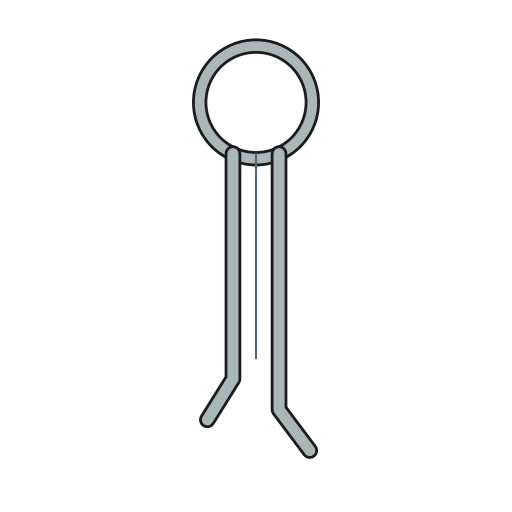 Agashinge gafite amaguru abiri4 ibice
Ibikoresho bikenewe:
Ikimasa cyo ku mezaIcyuma Cyivumbura Kidafite InsingaIbyuma Byinshi byo GucukuraAgasanduku k'ibinyo bipfunyitse Umucumita w'Ibyuma
 Amakariso (Ikariso ry'Intoki)
 Ikusanyirizo ry'ibitorezi
6
6
Print the step
Print the step
The step in the churn's bottom: 40 mm across, 12 high, with a 16.8 mm hole 8 deep. PETG, 0.2 mm layers, 30 % infill, 4 walls.
7
7
Print the pinion b
Print the pinion b
The pinion on the staff: 14 teeth, module 2.5, 16.2 mm bore. PETG, 0.2 mm layers, 30 % infill, 4 walls.
8
8
Print the bevel wheel K
Print the bevel wheel K
The driving wheel K: a crown wheel of 42 teeth, module 2.5, 16.2 mm bore. PETG, 0.2 mm layers, 30 % infill, 4 walls.
9
9
Churn A, covers, staff L, shaft H, wheel K and crank J
Churn A, covers, staff L, shaft H, wheel K and crank J
Use a 20-litre food-grade bucket as the churn A on the base in front of the frame, with the step in its bottom. Cut a 12 mm HDPE cover to it and saw it in two halves through a 17 mm centre hole. Cut a 16 mm stainless staff L 586 mm long, screw two crossed hardwood slats 240 x 30 x 8 mm on hubs 70 and 170 mm above its foot as the dasher, and pin the pinion b on it 420 mm above the churn's floor. Screw two hardwood boxes I, I' 50 x 24 x 47 mm on the D'' ties, bored 16.6 mm across 23 mm above them. Run a 16 mm stainless shaft H 410 mm long through them with the wheel K pinned on its front end meshing b, a shaft collar behind the front box, and a crank J of mild steel flat bar, 100 mm throw, with a hardwood handle at the back.
Ibikoresho by'iyi ntambwe:
 Indobo ya Litiro 201 igice
 Urupapuro rwa HDPE1 igiceAgati k'icyuma kitagira ingese2 ibiceIkibaho cy'Igiti Gikomeye1 igice
 Udukoni tw'ibiti bikomeye1 igiceImisumari y'ibiti8 ibice
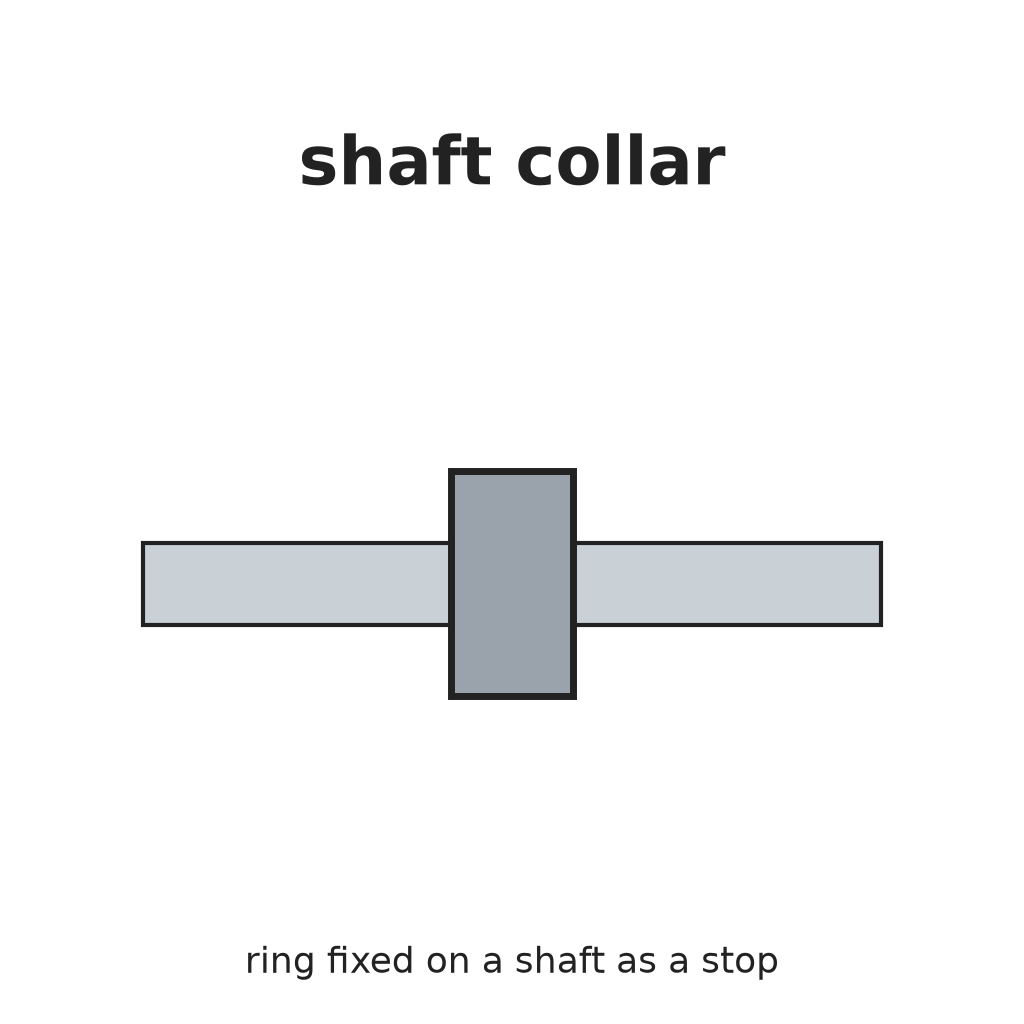 Shaft Collar1 igiceAgashinge gafite amaguru abiri3 ibice
 Umurongo ugororotse w'icyuma cyoroshye1 igice
 Fibere ya PETG1 igice
Ibikoresho bikenewe:
 Imashini icapa 3D ikoresha umugozi (FDM)
 Ikirangamurongo
 Umucumita wa JigsawAgasanduku k'ibinyo bipfunyitseIcyuma Cyivumbura Kidafite InsingaIbyuma Byinshi byo GucukuraUmucumita w'IbyumaAmakariso (Ikariso ry'Intoki)
 Ifatiro ry'AmezaIkusanyirizo ry'ibitorezi
10
10
The build in 3D
The build in 3D
FreeCAD model of this build, the churn cut open: the base and frame, the cross bar with the arm and its bearing block, the buttons, the forked brace bar on the covers, the staff with its slats and pinion, and the crank shaft with the bevel wheel running back through the frame to the crank.
11
11
Churn
Churn
With the arm turned back, stand the churn on the base with the staff in its step, pour in about 10 litres of heavy cream at about 15 °C, checked with the thermometer, and lay on the half covers. Swing the arm down over the staff's top, turn the buttons over it and let the brace bar rest on the covers. Turn the crank steadily, timing it. To look in, turn the brace up and lift a half cover. When the butter comes, turn the buttons, swing the arm back, lift out the staff, take out the butter, pour the buttermilk into a bowl, wash the butter in cold water until it runs clear, salt and weigh it.
Ibikoresho by'iyi ntambwe:
 Igice cy'ibinure cy'amata10 l
 Umunyu w'inyanja munini1 igice
 Amazi1 igice
Ibikoresho bikenewe:
 Igipima ubushyuhe gifite uruti rusigara mu kintu
 Isaha yo Guhagarika
 Iminzani ya Digitale yo mu Gikoni
 Ibakure rinini ryo kuvanga ry'icyuma kitagira ingese
12
12
Troubleshooting
Troubleshooting
Hinged-arm churn troubleshooting.
Flow
Loading...
13
13
History and honest limits
History and honest limits
**John Stilwell** of Griffin, Spalding County, Georgia, US 32,388, 21 May 1861, "Churn". He claimed "the combination of the brace bar M, hinged arm G, buttons O, O', with a vertical barrel churn and rotary dasher shaft L". He neither drew nor described the dasher on the shaft; ours is two crossed slats. His churn was a hooped barrel and his gears bevel wheels; ours are a bucket and a printed crown wheel and pinion. The patent gives no sizes; every size here is ours.
Ibikoresho
14- 4 ibiceUmwanya
- 2 ibiceUmwanya
- 38 ibiceUmwanya
- Umwanya
- Umwanya
- 1 igiceUmwanya
- 1 igiceUmwanya
- 1 igiceUmwanya
- 1 igiceUmwanya
- Umwanya
- 1 igiceUmwanya
- Umwanya
- 1 igiceUmwanya
- 1 igiceUmwanya
Ibikoresho bikenewe
19- 1 vendor sell this, none ship to you yetUmwanya
- Umwanya
- 1 vendor sell this, none ship to you yetUmwanya
- Umwanya
- Umwanya
- 1 vendor sell this, none ship to you yetUmwanya
- Umwanya
- Umwanya
- Umwanya
- 1 vendor sell this, none ship to you yetUmwanya
- Umwanya
- Umwanya
Dosiye z'igishushanyo
4Iki gishushanyo gikora


Blueprint zijyanye
Izi blueprint zisangira ubumenyi — uburyo, ibikoresho cyangwa amahame
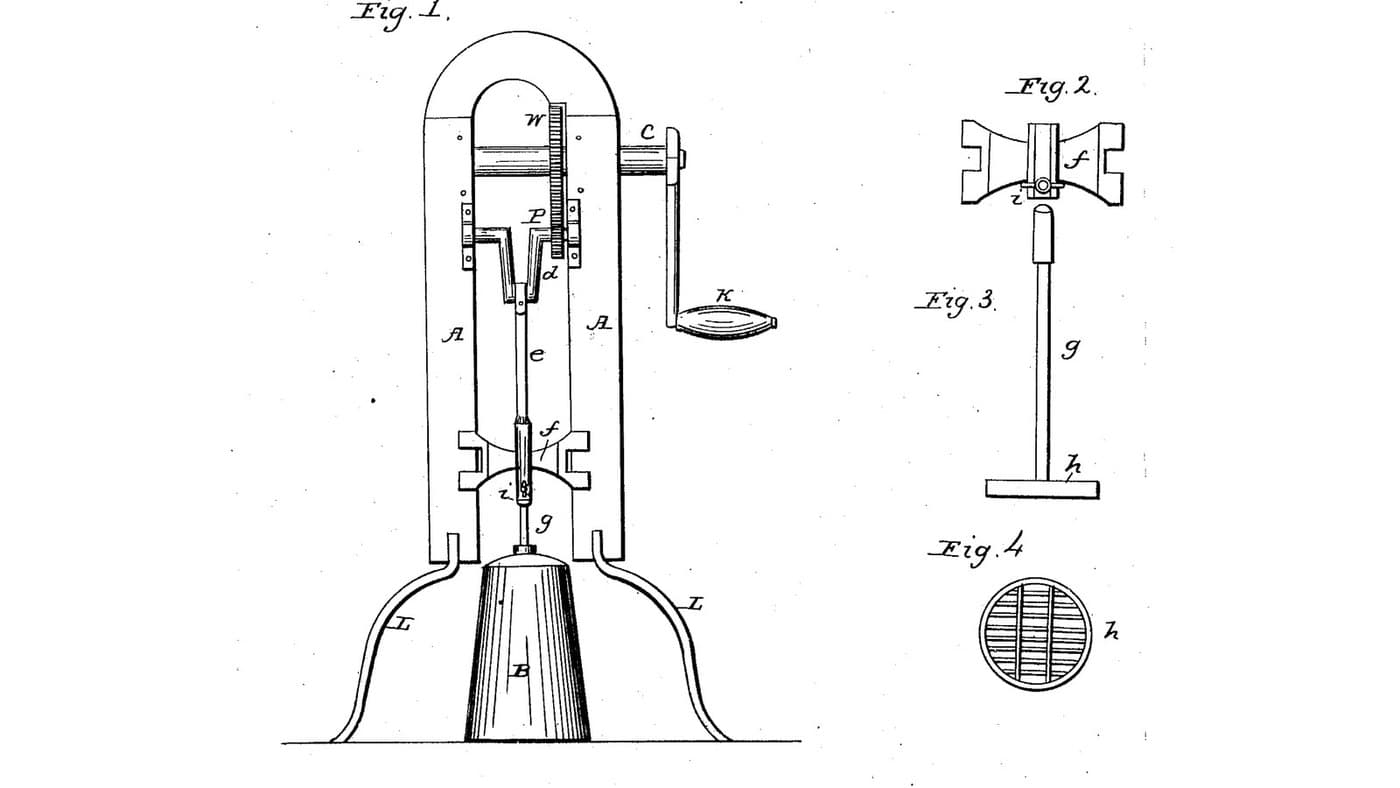
Geared Crank-Frame Churn: A Frame Over an Ordinary Churn Gears a Hand Crank Up to Drive a Grated Dasher by Pitman
na Buttercup
Ububaji
1
0
0
0
0
0
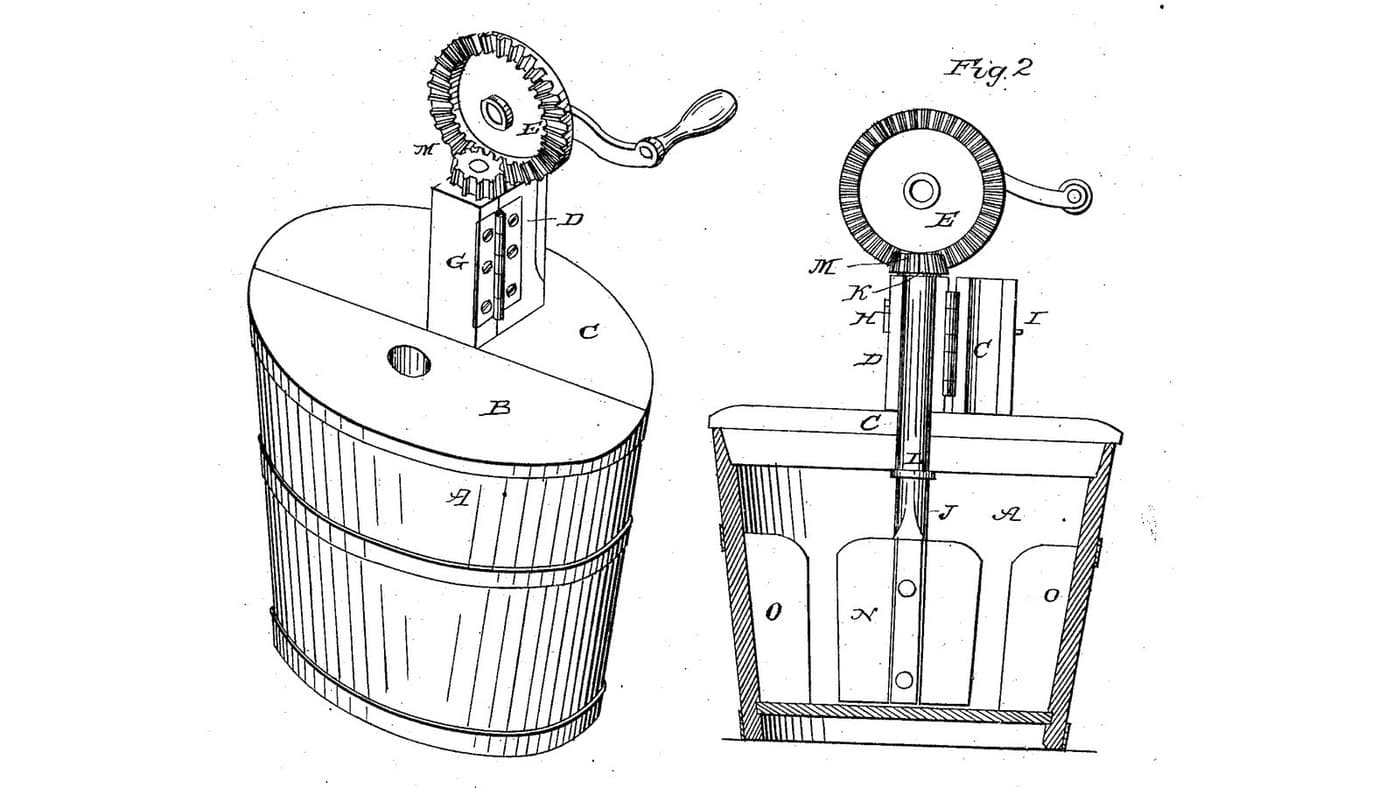
Hung-Dasher Churn: The Dasher Hangs in a Long Hinged Journal Box Above the Lid, No Step in the Tub
na Buttercup
Ububaji
1
0
0
0
0
0
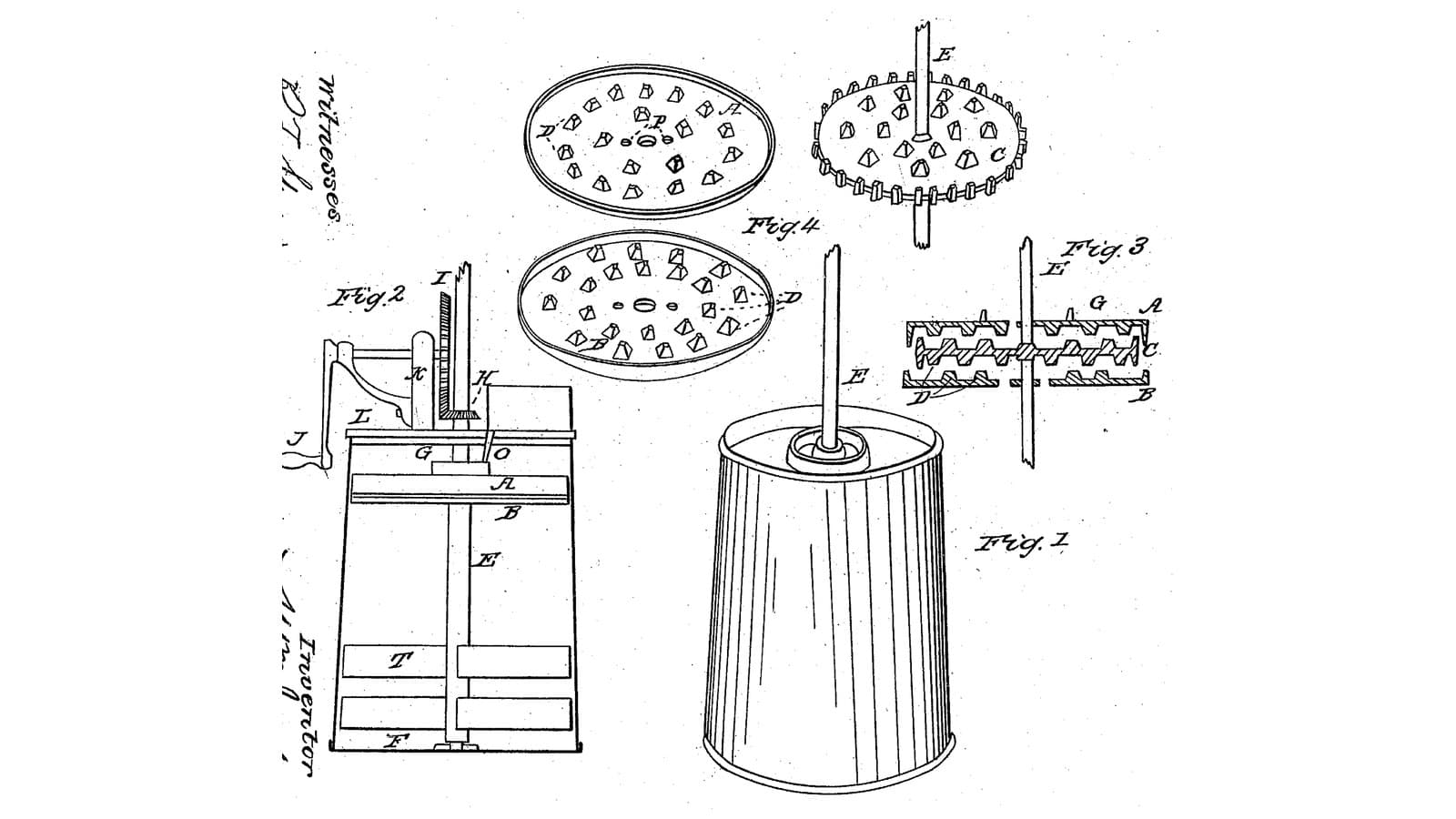
Toothed-Disk Pass Churn: Cream Poured In Passes Once Between Fixed Toothed Disks and a Toothed Wheel Spinning Between Them
na Buttercup
Ububaji
1
0
0
0
0
0

Churning Butter from Cream — The 5,000-Year-Old Fat Separation
na TheChef
UBUKORIKORI
60
0
0
0
0
0
CC0 Umurenge rusange
Iyi blueprint yasohowe munsi ya CC0. Ushobora gukoporora, guhindura, gukwirakwiza no gukoresha nta kwemererwa.
Shyigikira Umuremyi ugura ibicuruzwa binyuze muri Blueprint ye Komisiyo y'Umuremyi byashyizweho n'Abacuruzi, cyangwa kora verisiyo nshya y'iyi Blueprint ukayinjiza nk'isano muri Blueprint yawe kugira ngo musangire inyungu.