Ubufatanye
UBUHANZI
UBWIZA N'UBUZIMA
UBUKORIKORI
UMUCO N'AMATEKA
IMYIDAGADURO
IBIDUKIKIJE
IBIRIBWA N'IBINYOBWA
UBWUBATSI BUSUBIRA INYUMA
UBUMENYI
SIPORO
IKORANABUHANGA
IBYAMBARWA
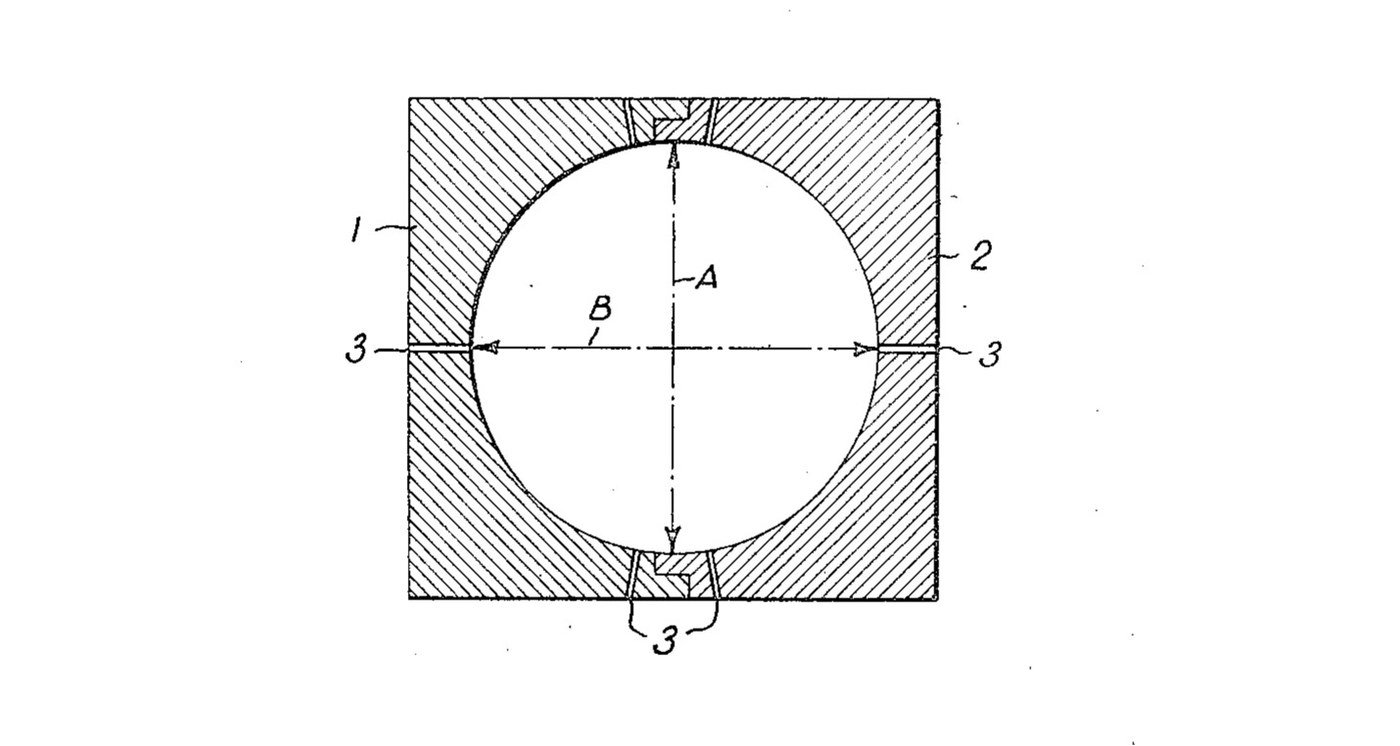
J. M. Jaques · Public domain (US patent)


Table Tennis Balls: Celluloid Halves Blown in an Out-of-Round Mould (Jaques 1935)
A celluloid table tennis ball is two stamped halves sealed with acetone, then blown out round by its own air in a hot mould. The overlapped seam shrinks a little as it cools, so the ball ends slightly narrower across the seam. John Jaques made the mould wider across the seam by just that amount, so the ball cools truly round.
Source: J. M. Jaques, US 2,025,455 (1935). The patent gives no sheet thickness, ball size or temperatures. The press, pot and micrometer are ours. Picture: the patent drawing.
Hagati
1 day
Amabwiriza
1
1
Stamp two halves from hot sheet
Stamp two halves from hot sheet
Stamp two half-balls out of celluloid sheet while it is hot. The patent gives no temperature.
Ibikoresho by'iyi ntambwe:
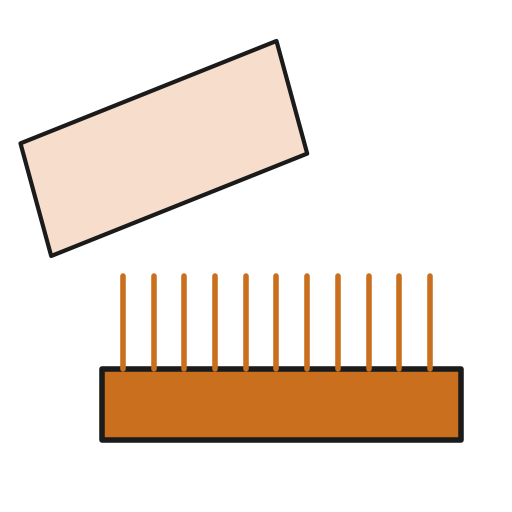 Seluloyide1 urupapuro
Ibikoresho bikenewe:
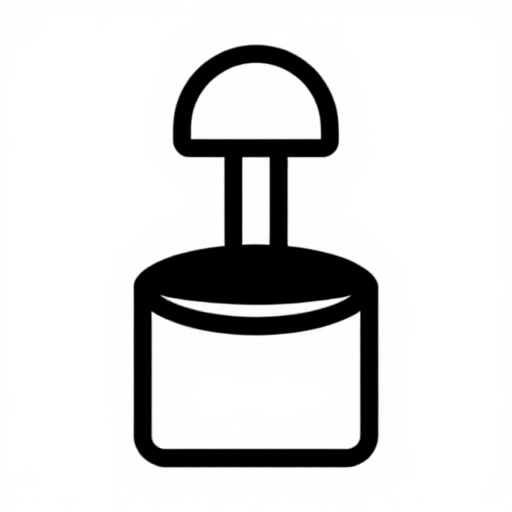 Icyuma gikanda igice cy’umupira
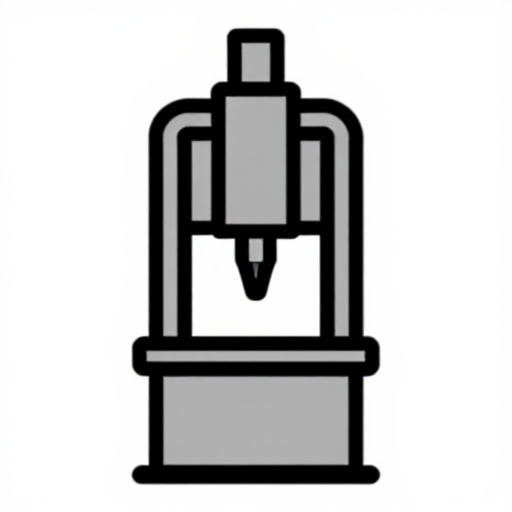 Ikandagira ryo gukanda ibyuma
2
2
Seal the halves with acetone
Seal the halves with acetone
Wet the edges of both halves with acetone, fit them together with the edges overlapping and let them seal. You now have a closed rough ball with a seam round its middle.
Ibikoresho bikenewe:
 Asetone
3
3
Measure the seam shrinkage
Measure the seam shrinkage
Blown balls come out narrower across the seam than across the poles: about one to two ten-thousandths of an inch on the celluloid balls Jaques measured. For your own celluloid, measure it on a test ball.
Ibikoresho bikenewe:
 Mikorometero
4
4
Use a mould wider at the seam
Use a mould wider at the seam
The split mould is not a true sphere. Measured in the plane where its two halves meet (diameter A), it is wider than at right angles to that plane (diameter B) by the amount the seam shrinks, and it has small vents to let air out.
Ibikoresho bikenewe:
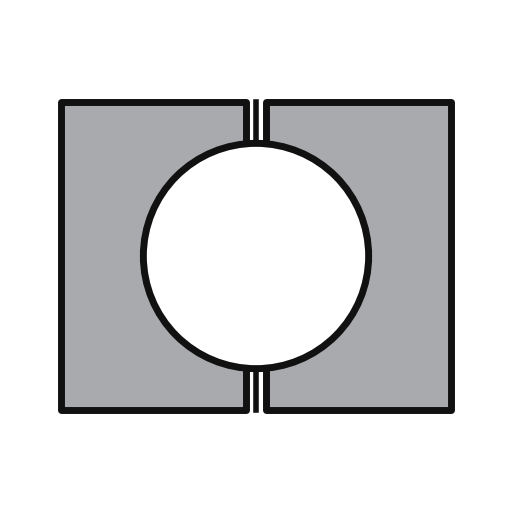 Ifumbire y’umupira y’ibice bibiriMikorometero
5
5
Set the ball seam to joint
Set the ball seam to joint
Lay the rough ball in the mould with its seam exactly on the mould joint, and hold it there with a little petroleum jelly so it cannot move.
Ibikoresho bikenewe:
Ifumbire y’umupira y’ibice bibiri Vazelini
6
6
Blow it out in hot water
Blow it out in hot water
Close the mould and put it in hot water. The air inside the ball expands and blows the ball out to fill the mould.
Ibikoresho bikenewe:
Ifumbire y’umupira y’ibice bibiri Inkono Nini
 Amazi
7
7
Cool and take out
Cool and take out
Let the mould cool, then open it and take the ball out. As the seam shrinks it comes back to the same diameter as the rest, so the ball is as near round as it can be.
Ibikoresho bikenewe:
Ifumbire y’umupira y’ibice bibiriIbikoresho
1- 1 urupapuroUmwanya
Iki gishushanyo gikora

CC0 Umurenge rusange
Iyi blueprint yasohowe munsi ya CC0. Ushobora gukoporora, guhindura, gukwirakwiza no gukoresha nta kwemererwa.
Shyigikira Umuremyi ugura ibicuruzwa binyuze muri Blueprint ye Komisiyo y'Umuremyi byashyizweho n'Abacuruzi, cyangwa kora verisiyo nshya y'iyi Blueprint ukayinjiza nk'isano muri Blueprint yawe kugira ngo musangire inyungu.