UBUHANZI
UBWIZA N'UBUZIMA
UBUKORIKORI
UMUCO N'AMATEKA
IMYIDAGADURO
IBIDUKIKIJE
IBIRIBWA N'IBINYOBWA
UBWUBATSI BUSUBIRA INYUMA
UBUMENYI
SIPORO
IKORANABUHANGA
IBYAMBARWA


The Oil-Wick Fountain Brush: A Can Whose Wick Is the Brush
An oil can and a rag spill, and a brush dipped in oil drips.
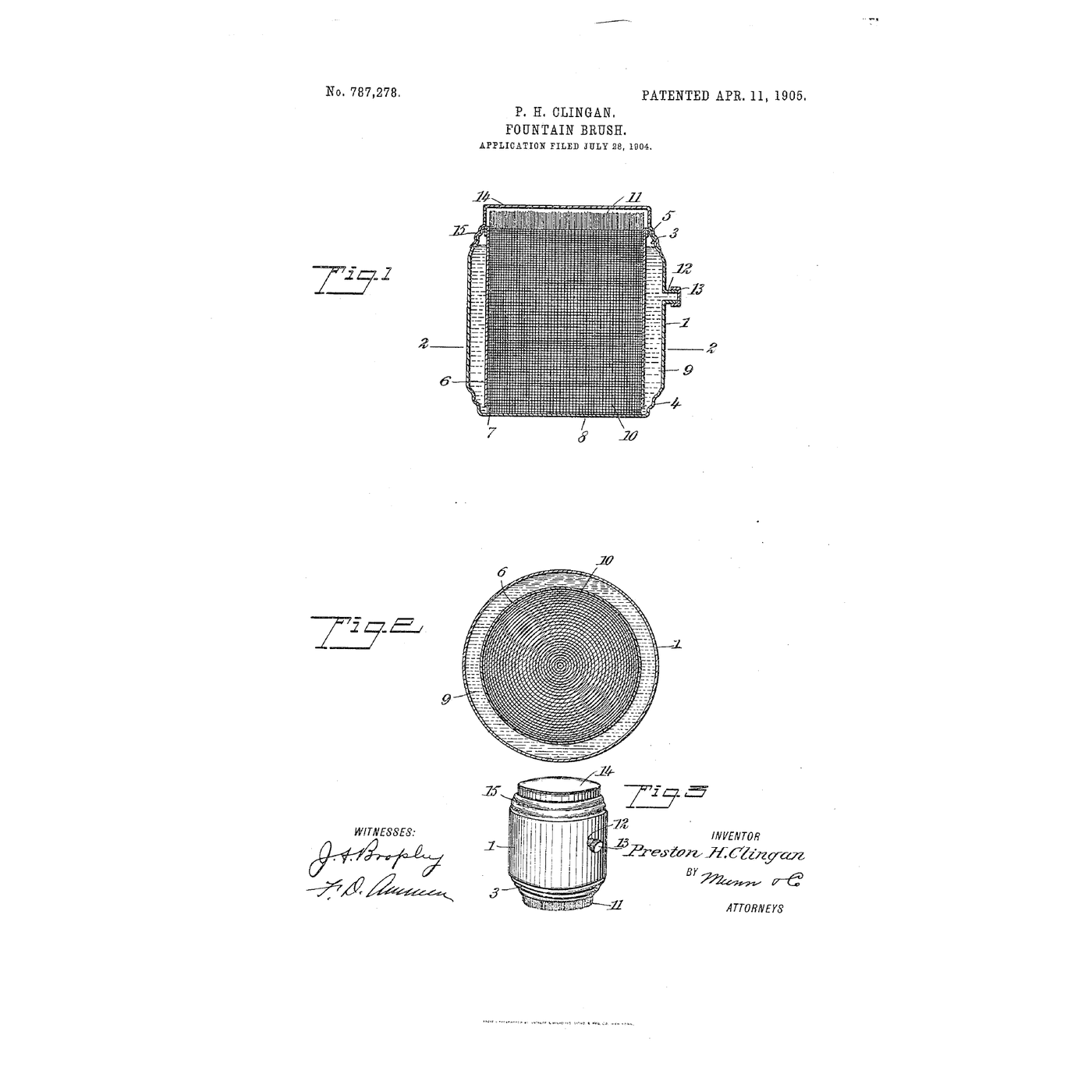
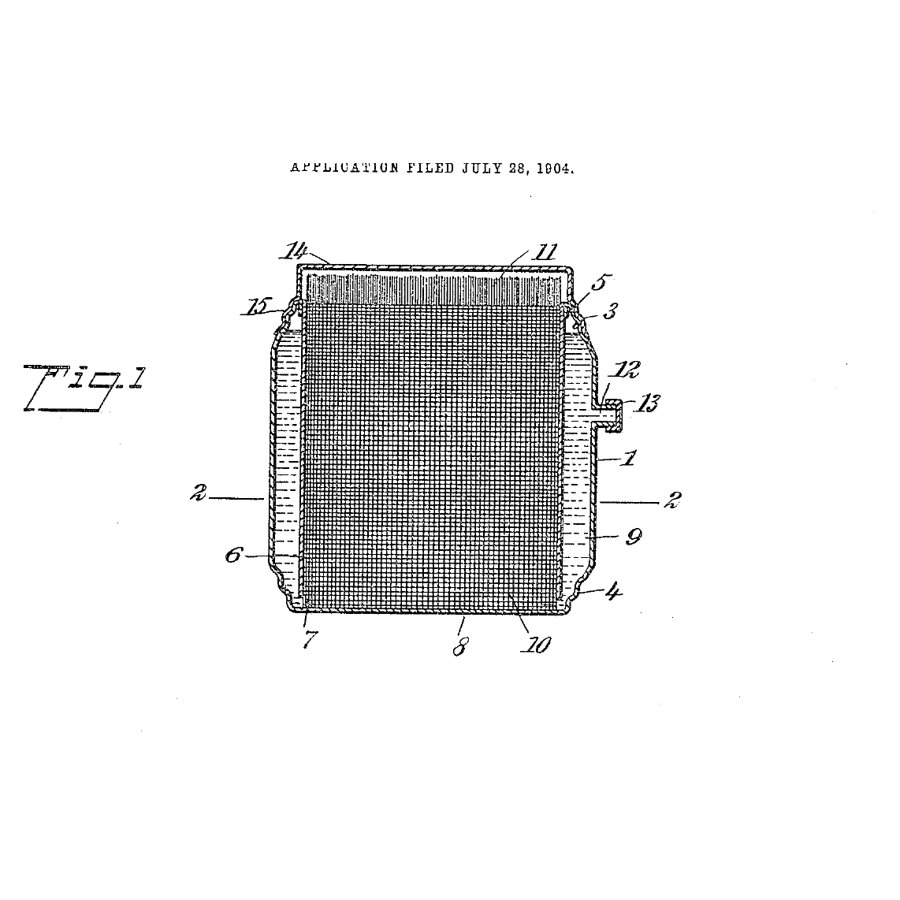
Preston H. Clingan of Florence, Colorado, received US 787,278, dated 11 April 1905, for "a can of very simple form which is so constructed as to prevent the possibility of spilling the contents thereof": an open thimble hangs from the can's mouth to near its bottom, a rolled burlap wick inside it is frayed above the mouth into a brush, and oil in the chamber round the thimble reaches the wick from underneath.
This rung works out how high a wick can lift oil, then builds the can from a jar, a tin and burlap and weighs the oil it lays on a board.
Utangiye
About 2 hours
Amabwiriza
1
1
How high the wick lifts
How high the wick lifts
Gupakira ikaye ya Jupyter…
2
2
A wick that feeds oil before it
A wick that feeds oil before it
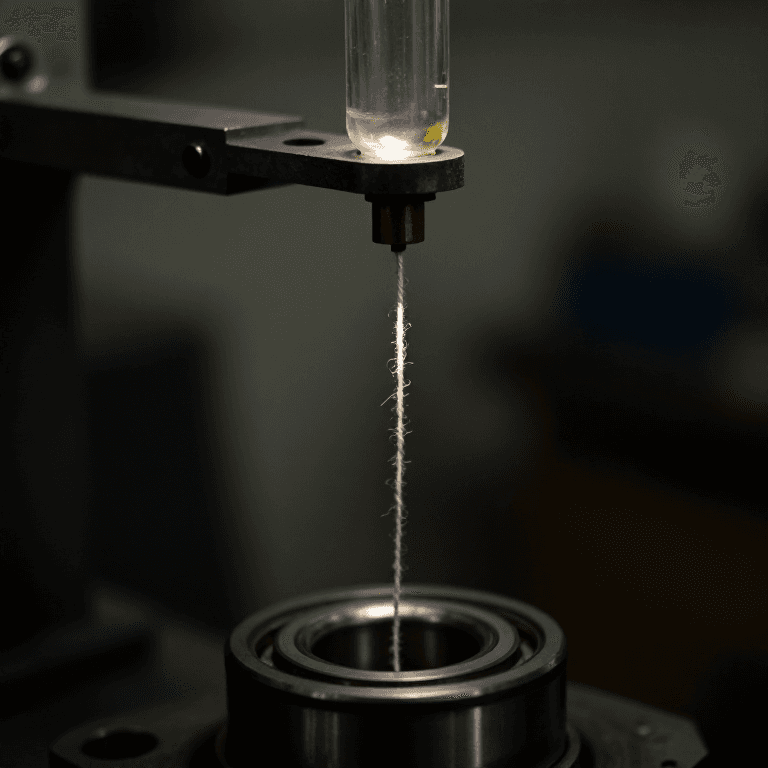
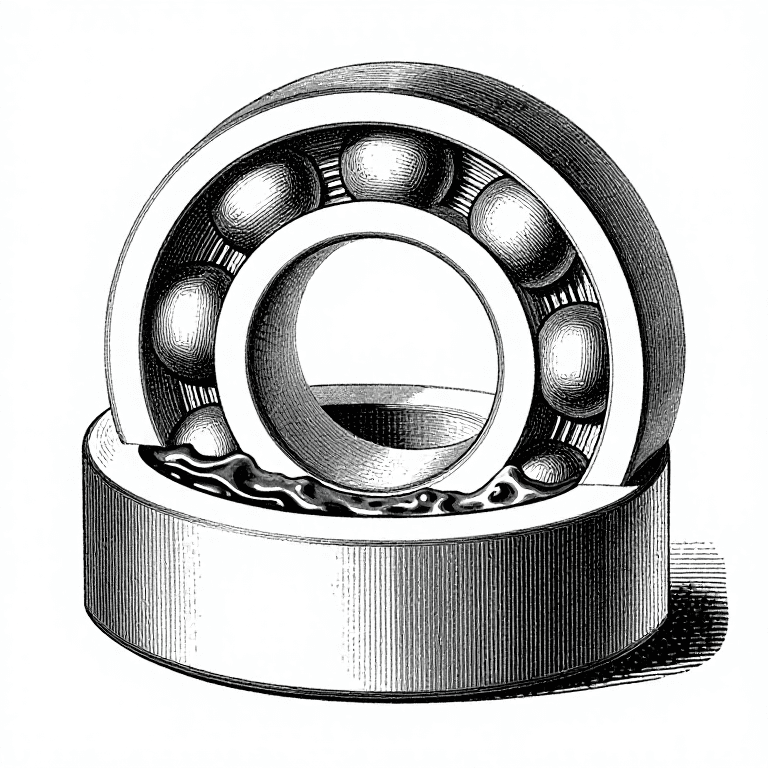
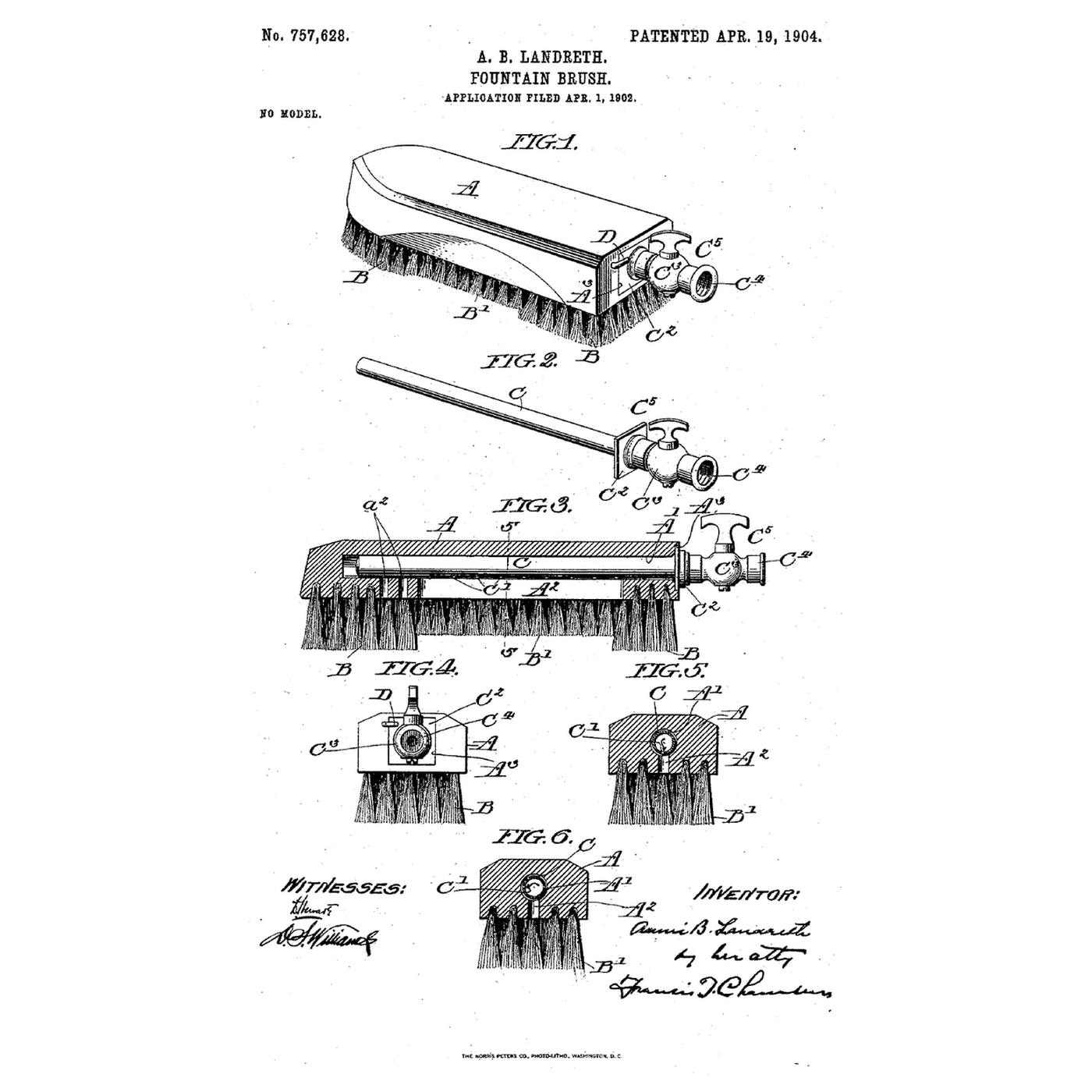
The embedded blueprint feeds oil to a bearing through a wick. Clingan turns the wick's frayed end into the brush.
3
3
Read US 787,278
Read US 787,278
"My object is to provide a can of very simple form which is so constructed as to prevent the possibility of spilling the contents thereof. The can includes a wick of absorbent material, which is constantly supplied with oil or other fluid within the can."
4
4
Make the thimble
Make the thimble
Remove both ends of a tin can that passes through the jar's mouth with 6 mm to spare. Cut it 10 mm shorter than the jar's inside height. File the cut edges.
Ibikoresho by'iyi ntambwe:
 Ikopo ry'icyuma1 igice
Ibikoresho bikenewe:
 Ibyuma bikata ibyuma bisanzwe
 Amakariso (Ikariso ry'Intoki)
 Umurongo w'ipima
 Uturindantoki tw'uruhu tw'akazi
5
5
Cut the lip ring
Cut the lip ring
Cut an aluminium ring: outside to fit inside the jar's mouth, inside to fit round the thimble. Drill it 3 mm for a filling screw.
Ibikoresho by'iyi ntambwe:
 Ikibaho cya aluminiyumu1 igice
Ibikoresho bikenewe:
Ibyuma bikata ibyuma bisanzwe Icyuma Cyivumbura Kidafite Insinga
 Ibyuma Byinshi byo GucukuraAmakariso (Ikariso ry'Intoki)
6
6
Fix the thimble
Fix the thimble
Epoxy the ring round the thimble's top and into the jar's mouth, the thimble hanging 10 mm clear of the floor. Cut a rubber washer for the filling screw.
Ibikoresho by'iyi ntambwe:
 Icupa ry'Ikirahure1 igice
 Epoksi y'Ibice Bibiri1 igice
 Ibitorezo by'imashini1 igice
 Urupapuro rw'umupira1 igice
Ibikoresho bikenewe:
 Icyuma cy'Ubukorikori
 Ikusanyirizo ry'ibitorezi
7
7
Roll the wick
Roll the wick
Roll a strip of burlap tightly until it fills the thimble, 15 mm longer than it. Push it in and fray the top 15 mm with the fingers.
Ibikoresho by'iyi ntambwe:
 Igitambaro cy'ibigunira1 igice
Ibikoresho bikenewe:
 UmukasiUmurongo w'ipima
8
8
The build in 3D
The build in 3D
FreeCAD model of this build, not of the patent: a 90 mm jar with a 66 mm mouth, the aluminium lip ring and filling screw, a 53 mm thimble 10 mm off the floor, the burlap wick with its frayed top, and the lid.
9
9
Oil a board and weigh it
Oil a board and weigh it
Pour linseed oil through the filling hole to half the jar's height and wait until the wick's top darkens. Weigh a plywood board, brush it once over, and weigh it again. Turn the closed jar on its side over a rag for a minute.
Ibikoresho by'iyi ntambwe:
 Amavuta y'Ubudodo Yatetse1 igice
 Urupapuro rw'ibiti byometse1 igice
 Uduce tw'ipamba1 igice
Ibikoresho bikenewe:
 Iminzani ya Digitale yo mu Gikoni
 Isaha yo Guhagarika
 Umugozi wo Gupima
10
10
A wick that stays dry, floods or leaks
A wick that stays dry, floods or leaks
Oil-wick fountain brush troubleshooting.
Flow
Loading...
11
11
History and honest limits
History and honest limits
**Preston H. Clingan** of Florence, Colorado, assignor of one-half to John H. Todd of Cañon City, filed US 787,278 on 28 July 1904; it is dated 11 April 1905. His can is cylindrical with both ends contracted and threaded, so the cover fits either end; the thimble is soldered to an inward lip at the mouth; the wick is preferably a roll of burlap. He named oiling or polishing surfaces and cleaning windows among its uses.
**Honest limits.** A jar with one threaded mouth stands in for his can. The notebook assumes a fully wetting wick and one pore size. Your weights are the result.
Ibikoresho
10- 1 igiceUmwanya
- 1 igiceUmwanya
- 1 igiceUmwanya
- 1 igiceUmwanya
- 1 igiceUmwanya
- 1 igiceUmwanya
- 1 igiceUmwanya
- 1 igiceUmwanya
- 1 igiceUmwanya
- 1 igiceUmwanya
Ibikoresho bikenewe
12- Umwanya
- 1 vendor sell this, none ship to you yetUmwanya
- Umwanya
- Umwanya
- Umwanya
- Umwanya
- Umwanya
- 1 vendor sell this, none ship to you yetUmwanya
Dosiye z'igishushanyo
1Blueprint zijyanye
Izi blueprint zisangira ubumenyi — uburyo, ibikoresho cyangwa amahame

CC0 Umurenge rusange
Iyi blueprint yasohowe munsi ya CC0. Ushobora gukoporora, guhindura, gukwirakwiza no gukoresha nta kwemererwa.
Shyigikira Umuremyi ugura ibicuruzwa binyuze muri Blueprint ye Komisiyo y'Umuremyi byashyizweho n'Abacuruzi, cyangwa kora verisiyo nshya y'iyi Blueprint ukayinjiza nk'isano muri Blueprint yawe kugira ngo musangire inyungu.