Ubufatanye
UBUHANZI
UBWIZA N'UBUZIMA
UBUKORIKORI
UMUCO N'AMATEKA
IMYIDAGADURO
IBIDUKIKIJE
IBIRIBWA N'IBINYOBWA
UBWUBATSI BUSUBIRA INYUMA
UBUMENYI
SIPORO
IKORANABUHANGA
IBYAMBARWA
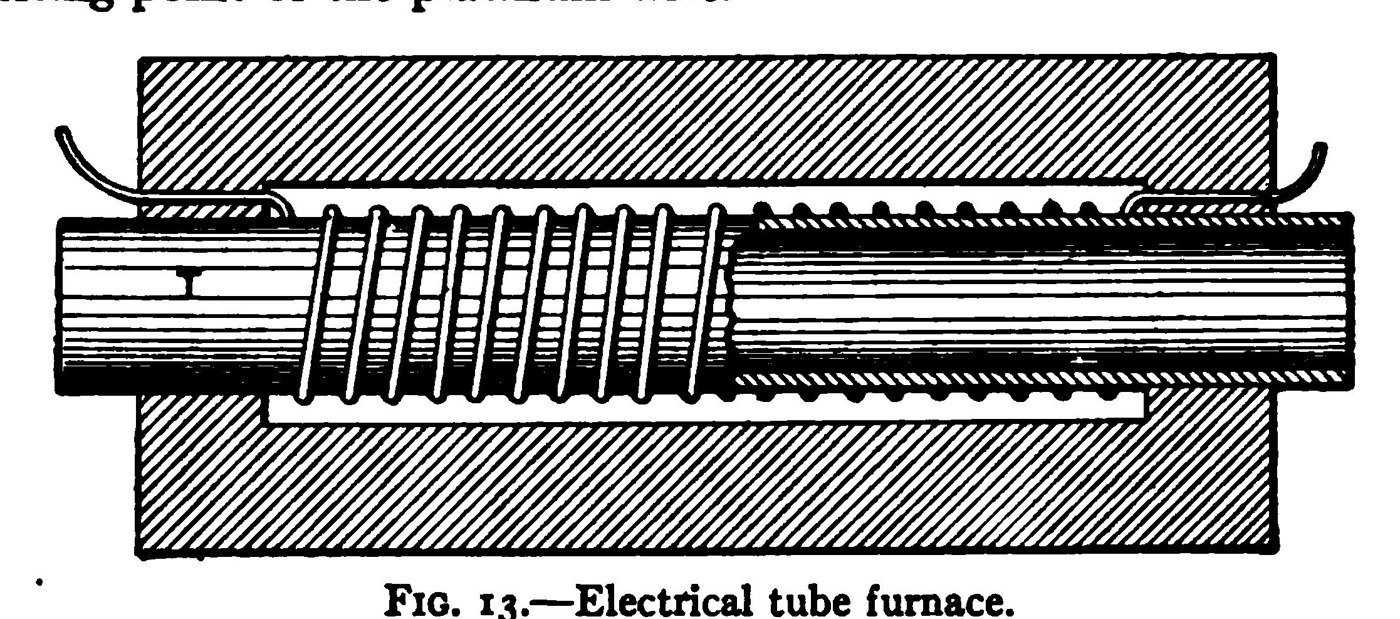


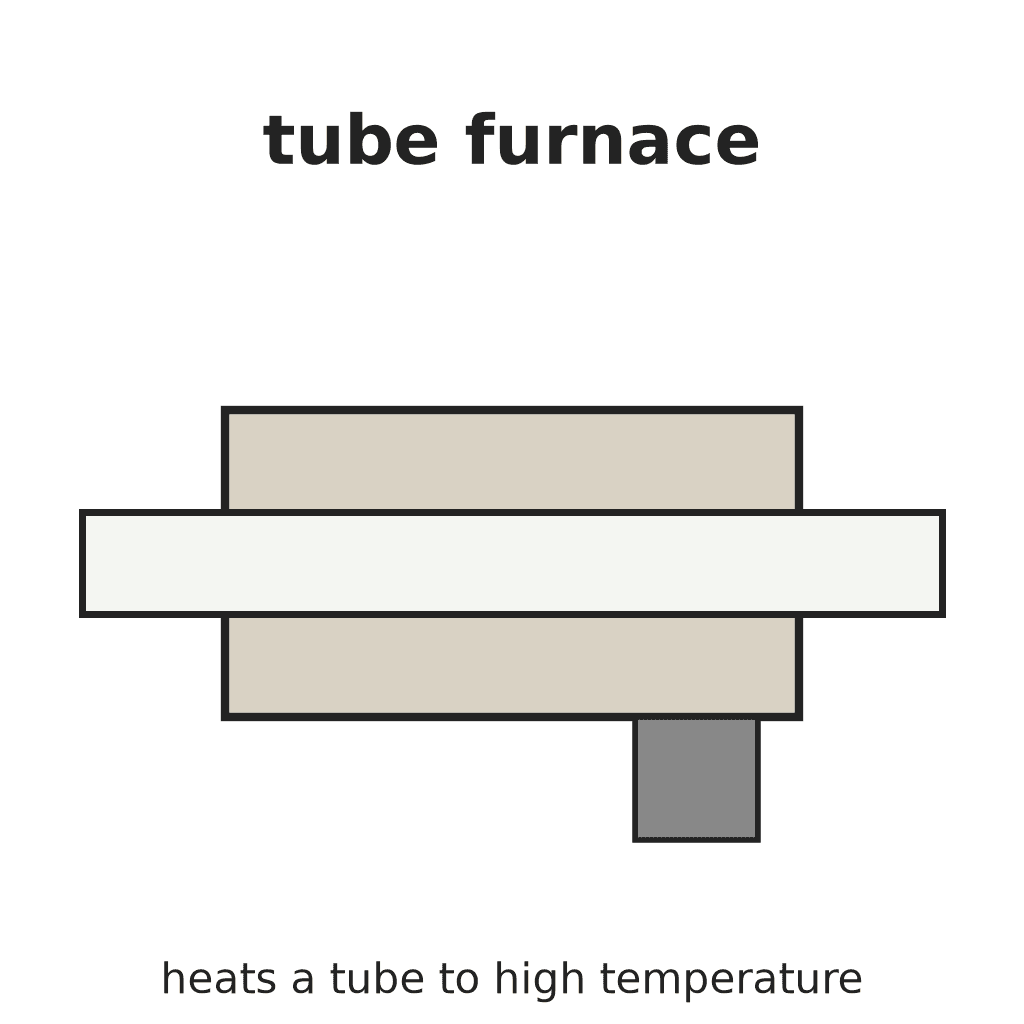
Tube Furnace: Porcelain Tube Wound with Platinum Wire in a Heat-Retaining Jacket (Stansfield, 1914)
The laboratory tube furnace: a porcelain tube wound with a spiral of platinum wire and wrapped in a heat-retaining jacket. Current through the wire heats the tube and whatever is inside it. A gas can be passed through the tube, the work watched through windows at the ends, and the temperature read with a thermocouple pushed in from one end.
Result: a small furnace for heating a material in any chosen gas at moderate temperatures, well short of platinum's melting point.
Source: A. Stansfield, The Electric Furnace: Its Construction, Operation and Uses (2nd ed., 1914), pp. 24-25 and 154. Unknown: sizes, the jacket material, current and voltage. Picture: Stansfield, Fig. 13.
Hagati
2 days
Amabwiriza
1
1
Wind the tube
Wind the tube
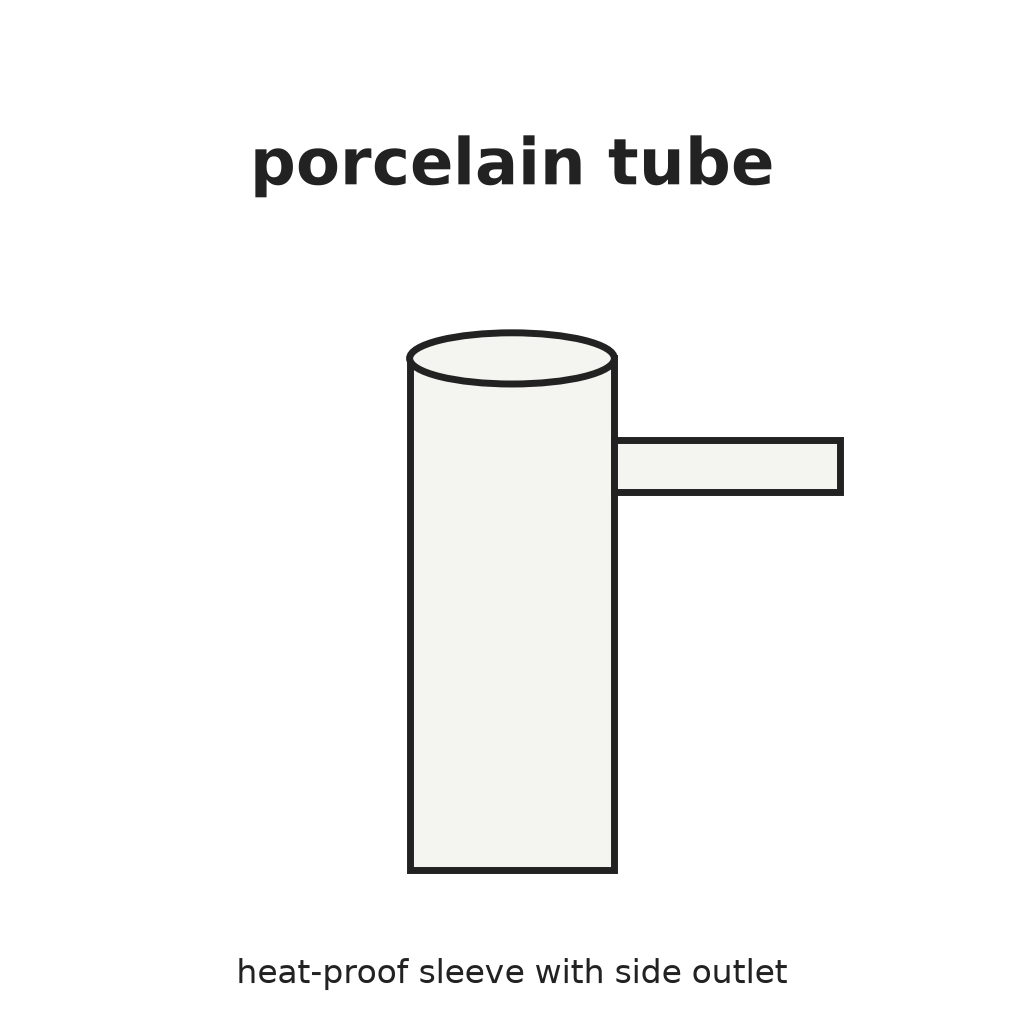
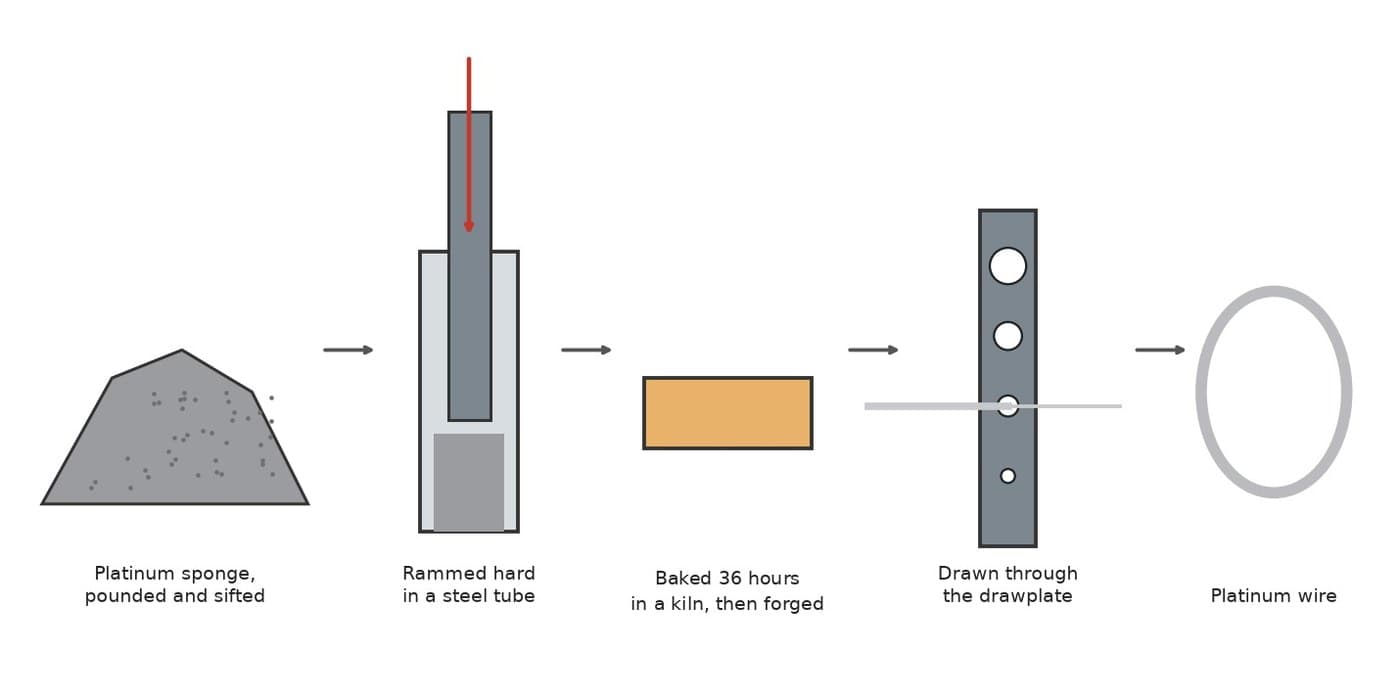
Take a tube of porcelain; fire-clay, silica or alundum also serve. Wind a spiral of platinum wire round it, leaving the leads free. Fix the turns so they cannot shift or touch each other when the wire expands with the heat, or they will short-circuit. Platinum foil can be wound instead of wire: its larger surface heats faster for the same weight of platinum. Not given: sizes, wire gauge, number of turns.
Ibikoresho by'iyi ntambwe:
 Umuyoboro wa Porcelaine1 igice
 Insinga ya platine1 as required
Ibikoresho bikenewe:
 Agatsiko k'amafashi
 Ingano zitazwi
2
2
Jacket it
Jacket it
Enclose the wound tube in a heat-retaining envelope, so the heat stays in the tube. The tube ends stick out through the envelope. Not given: the envelope material.
Ibikoresho by'iyi ntambwe:
 Ibikoresho bitazwi1 heat-retaining envelope
Ibikoresho bikenewe:
Ingano zitazwi3
3
Fit windows and the thermocouple
Fit windows and the thermocouple
Close the tube ends with windows of glass or mica to watch the work. Push a thermocouple pyrometer in from one end and watch from the other. Leave a way in and out at the ends when you want a stream of gas through the tube.
Ibikoresho by'iyi ntambwe:
 Urupapuro rwa mika1 end windows
Ibikoresho bikenewe:
 Termokupuli ifite igaragaza
4
4
Heat
Heat
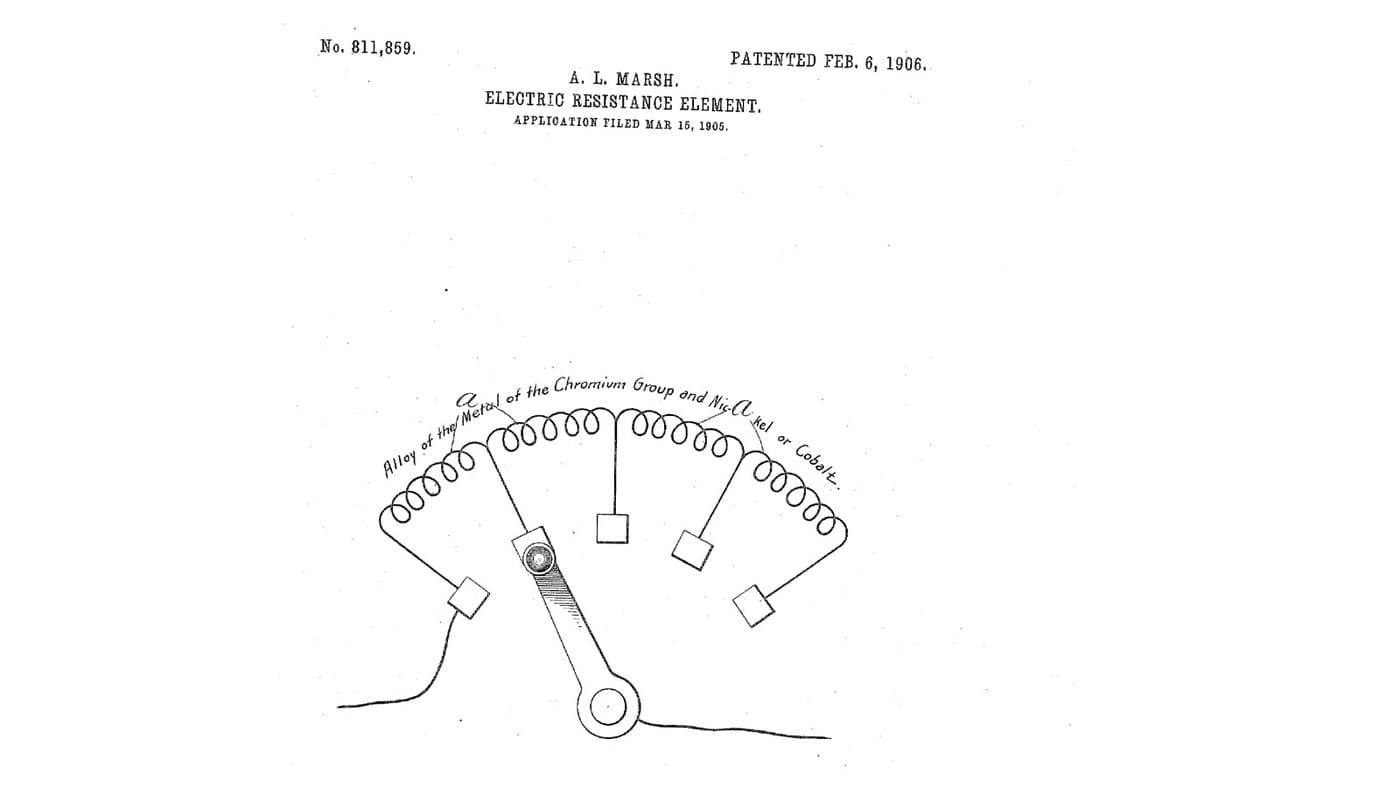
Put the material in the tube and pass current through the wire. The wire can run at any temperature below platinum's melting point (1,755 °C, 3,200 °F, as the book gives it). In practice the tube and envelope limit the furnace to temperatures far below that. Nickel or nichrome coils are cheaper, but they cannot go as hot and in time they oxidise. Not given: current and voltage.
Ibikoresho bikenewe:
Termokupuli ifite igaragaza Igipimo cy'amashanyarazi kinyuranye
Ibikoresho
4- 1 igiceUmwanya
- 1 as requiredUmwanya
- 1 heat-retaining envelopeUmwanya
- 1 end windowsUmwanya
Ibikoresho bikenewe
4- Umwanya
- Umwanya
- Umwanya
Ibikoresho by'Ibishushanyo Bifitanye Isano

Iki gishushanyo gikora
Blueprint zijyanye
Izi blueprint zisangira ubumenyi — uburyo, ibikoresho cyangwa amahame

CC0 Umurenge rusange
Iyi blueprint yasohowe munsi ya CC0. Ushobora gukoporora, guhindura, gukwirakwiza no gukoresha nta kwemererwa.
Shyigikira Umuremyi ugura ibicuruzwa binyuze muri Blueprint ye Komisiyo y'Umuremyi byashyizweho n'Abacuruzi, cyangwa kora verisiyo nshya y'iyi Blueprint ukayinjiza nk'isano muri Blueprint yawe kugira ngo musangire inyungu.