
Uji
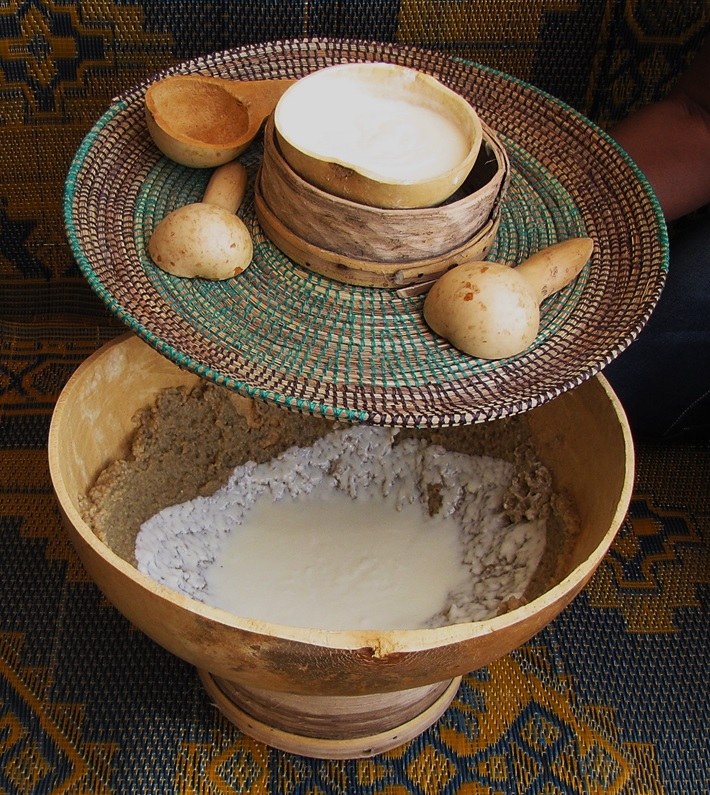
Uji ni kifungua kinywa cha kila siku Afrika Mashariki: unga wa wimbi, mtama au mahindi ukipikwa na maji hadi uwe laini. Lakini uji halisi wa nyumbani si ule wa kupika papo hapo — ni uji wa kuchachwa, ambao unga wake huachwa na maji kwa siku mbili au tatu kabla ya kupikwa.
Kuchachwa si uvivu wala si kusahau. Bakteria wazuri wa asili hubadilisha unga, uji unakuwa na ladha ya uchachu kidogo, na — hili ni muhimu — madini ya chuma yaliyomo huwa rahisi zaidi kwa mwili kuyapokea. Ndiyo maana bibi zetu waliupa watoto uji huu, si ule wa haraka.
Hapa tunatengeneza uji wa wimbi uliochachwa, kutoka unga hadi kikombe.
Amabwiriza
Osha mikono na vyombo vyote
Osha mikono na vyombo vyote
Kuchachwa kunahitaji bakteria wazuri washinde wabaya. Osha mikono, chombo na mwiko kwa maji ya moto kabla ya kuanza.
Pima unga wa wimbi gramu 250
Pima unga wa wimbi gramu 250
Tumia unga wa wimbi (ulezi). Mtama au mahindi pia hufaa, lakini wimbi ndio unaopendwa zaidi kwa uji wa watoto kwa sababu una madini mengi.
Ibikoresho by'iyi ntambwe:
 Ifu y'uburo250 g
Ibikoresho bikenewe:
 Iminzani ya Digitale
Changanya unga na maji lita moja ya uvuguvugu
Changanya unga na maji lita moja ya uvuguvugu
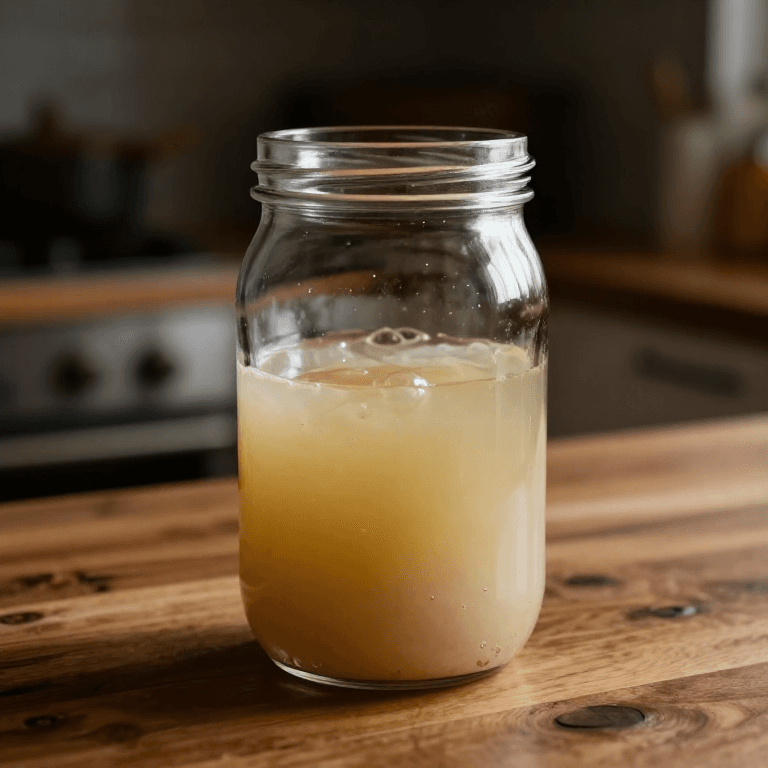
Koroga unga kwenye maji ya uvuguvugu hadi usiwe na madonge. Anza na maji kidogo, kisha ongeza — ukimwaga yote mara moja utapata madonge yasiyoisha.
Funika kwa kitambaa, si mfuniko mzito
Funika kwa kitambaa, si mfuniko mzito
Funika chombo kwa kitambaa safi kinachoruhusu hewa kidogo. Mfuniko uliobana kabisa huzuia hewa na kubadilisha uchachu.
Acha mahali pa joto kwa siku mbili
Acha mahali pa joto kwa siku mbili
Weka mahali penye joto la kawaida, kama nyuzi 25-30, kwa saa 48. Mahali pa baridi kunachukua siku tatu au zaidi.
Koroga mara moja kila siku
Koroga mara moja kila siku
Koroga asubuhi na jioni kwa mwiko safi. Hii husaidia bakteria kusambaa katika mchanganyiko wote.
Angalia dalili za kuchachwa vizuri
Angalia dalili za kuchachwa vizuri
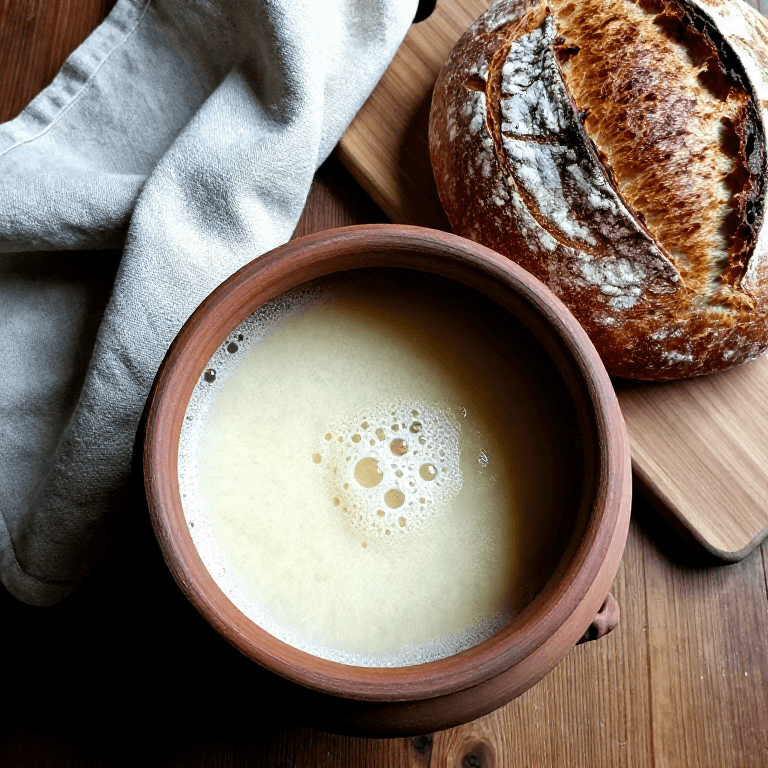
Utaona povu dogo juu na kunusa harufu ya uchachu kama ya maziwa ya mgando. Harufu inapaswa kuwa ya siki, si ya uozo.
Tupa ikiwa kuna ukungu au harufu mbaya
Tupa ikiwa kuna ukungu au harufu mbaya
Ukiona ukungu wa rangi (kijani, nyeusi, pinki) au harufu ya uozo, mwaga yote. Usijaribu kuondoa sehemu iliyoharibika — usalama kwanza.
Chuja mchanganyiko kwa ungo
Chuja mchanganyiko kwa ungo
Pitisha kwenye ungo au kitambaa chembamba ili kuondoa makapi na madonge. Uji laini hutoka kwenye kuchuja, si kwenye kupika muda mrefu.
Ibikoresho bikenewe:
 Ishungura rito
Chemsha maji lita moja kwenye sufuria
Chemsha maji lita moja kwenye sufuria
Weka maji safi lita moja yachemke kabisa. Maji lazima yawe yanachemka kabla ya kumwaga mchanganyiko.
Mimina mchanganyiko taratibu ukikoroga
Mimina mchanganyiko taratibu ukikoroga
Mimina mchanganyiko kwenye maji yanayochemka polepole, ukikoroga bila kusimama. Ukisimama kukoroga hata sekunde chache utapata madonge.
Pika dakika 15 kwa moto mdogo
Pika dakika 15 kwa moto mdogo
Punguza moto na endelea kukoroga kwa dakika 15 hadi uji unene na kung'aa. Uji usiopikwa vya kutosha una ladha ya unga mbichi.
Ongeza sukari au asali ukipenda
Ongeza sukari au asali ukipenda
Ongeza sukari kidogo, asali, au maji ya ndimu ukipenda. Wengine huongeza maziwa; wengine hunywa hivyo hivyo.
Historia na maelezo — kwa nini kuchachwa ni muhimu
Historia na maelezo — kwa nini kuchachwa ni muhimu
Nafaka zina kinga yake. Wimbi, mtama na mahindi vina kitu kinachoitwa phytate, ambacho hushikilia madini ya chuma na zinki na kuzuia mwili kuyapokea. Hii si hadithi ya bibi — imethibitishwa na utafiti wa kisayansi. Bakteria wa asili wanaofanya kazi wakati wa kuchachwa hutoa kimeng'enya kinachovunja phytate, na hivyo madini yanakuwa huru. Uji uliochachwa hutoa chuma kingi zaidi kuliko uji uleule usiochachwa. Hii ndiyo sababu halisi ya desturi hii.
Usalama pia. Bakteria wa lactic acid hushusha kiwango cha asidi (pH), na katika hali hiyo bakteria wanaosababisha magonjwa hawawezi kukua. Katika sehemu zisizo na jokofu, kuchachwa ni njia ya kuhifadhi chakula — siyo tu ladha.
Uji ni chakula cha watoto na cha wazee. Kwa muda mrefu uji umekuwa chakula cha kwanza cha mtoto anayeachishwa kunyonya Afrika Mashariki. Ni laini, ni rahisi kumeng'enywa, na una nishati. Lakini ni vyema kusema ukweli: uji peke yake hautoshi kwa mtoto anayekua — unahitaji kuongezwa vyakula vyenye protini kama karanga zilizosagwa, maziwa au mayai.
Kuhusu majina. "Uji" ni neno la Kiswahili linalotumika Kenya na Tanzania. Mahali pengine Afrika kuna vyakula vinavyofanana sana kwa njia ya kutengeneza: ogi au pap Afrika Magharibi, injera ya Ethiopia (ingawa hiyo ni mkate). Hii ni njia ya kale ya kuandaa nafaka inayopatikana bara zima, kila mahali na jina lake.
Ibikoresho
1- 250 gUmwanya
Ibikoresho bikenewe
2- Umwanya
- Umwanya
Ibikoresho by'Ibishushanyo Bifitanye Isano

Iki gishushanyo gikora

Blueprint zijyanye
Izi blueprint zisangira ubumenyi — uburyo, ibikoresho cyangwa amahame

CC0 Umurenge rusange
Iyi blueprint yasohowe munsi ya CC0. Ushobora gukoporora, guhindura, gukwirakwiza no gukoresha nta kwemererwa.
Shyigikira Umuremyi ugura ibicuruzwa binyuze muri Blueprint ye Komisiyo y'Umuremyi byashyizweho n'Abacuruzi, cyangwa kora verisiyo nshya y'iyi Blueprint ukayinjiza nk'isano muri Blueprint yawe kugira ngo musangire inyungu.