UBUHANZI
UBWIZA N'UBUZIMA
UBUKORIKORI
UMUCO N'AMATEKA
IMYIDAGADURO
IBIDUKIKIJE
IBIRIBWA N'IBINYOBWA
UBWUBATSI BUSUBIRA INYUMA
UBUMENYI
SIPORO
IKORANABUHANGA
IBYAMBARWA
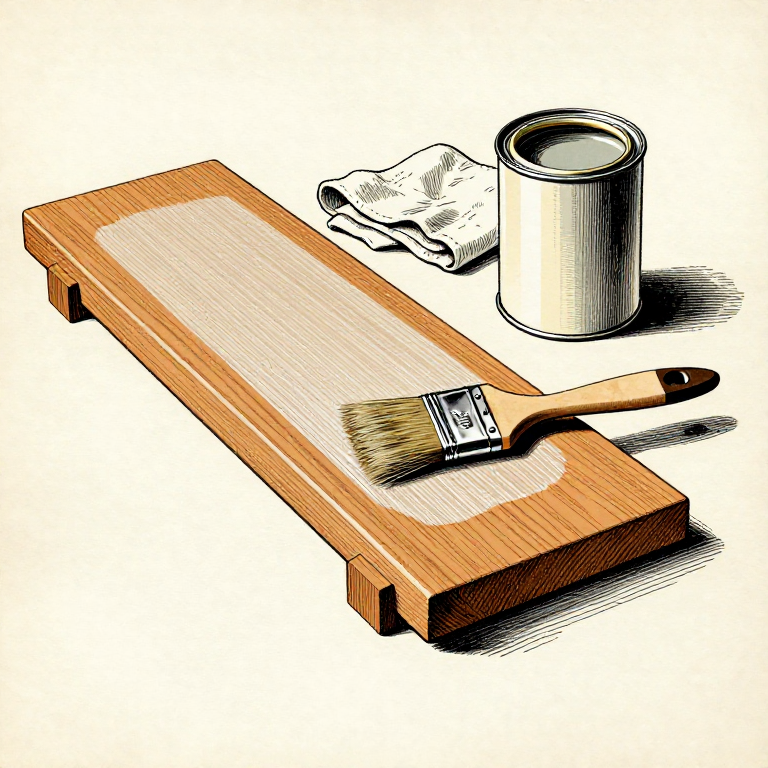


Varnish and Polyurethane: Thin Coats, and Leave It Alone
Polyurethane is the toughest finish most workshops will use: genuinely water resistant, genuinely abrasion resistant, and the right answer for a worktop, a floor or a table that gets used.
It is also the least forgiving to apply. It stays wet long enough to collect dust, it shows every brush mark, and each coat is a separate layer rather than melting into the last — so a sand-through is visible as a witness line forever.
Two rules cover nearly all of it: thin coats, and stop touching it. Almost every bad polyurethane finish comes from a thick coat or from brushing back over one that had started to set.
Hagati
4 hours
Amabwiriza
1
1
Oil-based or water-based: pick for colour and smell, not for toughness
Oil-based or water-based: pick for colour and smell, not for toughness
OIL-BASED cures slowly, flows out well so brush marks level themselves, warms the colour of the wood, and continues to yellow for years. It smells strongly and needs solvent to clean up.
WATER-BASED dries in a couple of hours, stays water-clear so pale timbers stay pale, has little odour and cleans up with water. It levels less well, so brush marks are more likely, and it raises the grain on the first coat — which the surface rung pre-empts by raising the grain deliberately.
Modern water-based products are comparable in durability, so the honest basis for choosing is colour, dry time and smell. Do not use them over an oil finish that has not fully cured, and seal an oily or resinous timber with dewaxed shellac first.
Ibikoresho by'iyi ntambwe:
 Poliyuretani - ishingiye ku mavuta1 igice
 Poliyuretani - ishingiye ku mazi1 igice
 Ikibaho cy'Igiti Gikomeye2 ibice
Ibikoresho bikenewe:
 Uburoso bugari
 Uburoso bw'ifuro
 Uturindantoki twa Nitirile
2
2
Thin it, and wipe rather than brush
Thin it, and wipe rather than brush
A WIPING varnish — polyurethane thinned by half with mineral spirits and wiped on with a cloth — is the most reliable way for a beginner to get a good film finish, and it is what many 'wipe-on poly' products already are.
Thin coats cannot run, cannot sag, hold far less dust because they set quickly, and show no brush marks because there is no brush. The cost is that you need more of them — five or six rather than two or three — and each is quick.
If you brush, use a good brush, load it properly, lay the finish on in one direction and tip off lightly along the grain. Then stop. A brush going back into partly set varnish tears it, and that tear is permanent.
Ibikoresho by'iyi ntambwe:
Poliyuretani - ishingiye ku mavuta1 igiceIbikoresho bikenewe:
 Umwenda w'IpambaUburoso bugariUturindantoki twa Nitirile
 Umushongesha w'amabuye
3
3
Between coats: scuff, do not sand through
Between coats: scuff, do not sand through
Once a coat is properly dry, knock off dust nibs with very fine abrasive or a grey pad, wipe clean, and apply the next. The scratches give the next coat something to key to, which polyurethane needs because it does not dissolve into the previous layer.
Use light pressure and stay off the edges. Edges have the thinnest film and sand through first, and a sand-through on a stained surface takes the colour with it — leaving a pale patch that cannot be blended.
Respect the recoat window on the tin. Recoat too early and the solvent in the new coat softens and wrinkles the one beneath; leave it far too long and the new coat will not bond well, which is what the scuffing is compensating for.
Ibikoresho bikenewe:
 Igitambaro gifata umukungugu
 Icyegeranyo cy'Ibice byo Gusya (ifuro)
 Lupu Yagura
 Ikusanyirizo ry'urupapuro rwo kunoza
 Icyegeranyo cy'Udupapuro twa Scotch-Brite
4
4
Dust, temperature and the last coat
Dust, temperature and the last coat
Oil-based polyurethane stays wet for hours, and everything floating in the air lands on it. Vacuum beforehand, let the air settle, do not sweep, and if you can, finish in a different room from the one you sanded in.
Temperature matters more than people expect. Too cold and it will not cure properly; too warm and it skins before it levels, leaving brush marks set in place. Check the range on the tin and believe it.
Leave the last coat alone completely. Full cure takes days even though it feels dry in hours, and a surface put into use too early prints, dents and marks in ways it never would once hard. For a high build, rub the cured film out with fine abrasive and wax — which the next rung covers — rather than trying to lay a perfect final coat.
Ibikoresho by'iyi ntambwe:
Poliyuretani - ishingiye ku mavuta1 igiceIbikoresho bikenewe:
Igitambaro gifata umukunguguUburoso bugariIbikoresho
3- Umwanya
- Umwanya
- 2 ibiceUmwanya
Ibikoresho bikenewe
10- Umwanya
- Umwanya
- Umwanya
- Umwanya
- Umwanya
- Umwanya
- Icyegeranyo cy'Ibice byo Gusya (ifuro)10% komisiyoUmwanya
- Umwanya
- Icyegeranyo cy'Udupapuro twa Scotch-Brite10% komisiyoUmwanya
Iki gishushanyo gikora
Blueprint zijyanye
Izi blueprint zisangira ubumenyi — uburyo, ibikoresho cyangwa amahame



CC0 Umurenge rusange
Iyi blueprint yasohowe munsi ya CC0. Ushobora gukoporora, guhindura, gukwirakwiza no gukoresha nta kwemererwa.
Shyigikira Umuremyi ugura ibicuruzwa binyuze muri Blueprint ye Komisiyo y'Umuremyi byashyizweho n'Abacuruzi, cyangwa kora verisiyo nshya y'iyi Blueprint ukayinjiza nk'isano muri Blueprint yawe kugira ngo musangire inyungu.