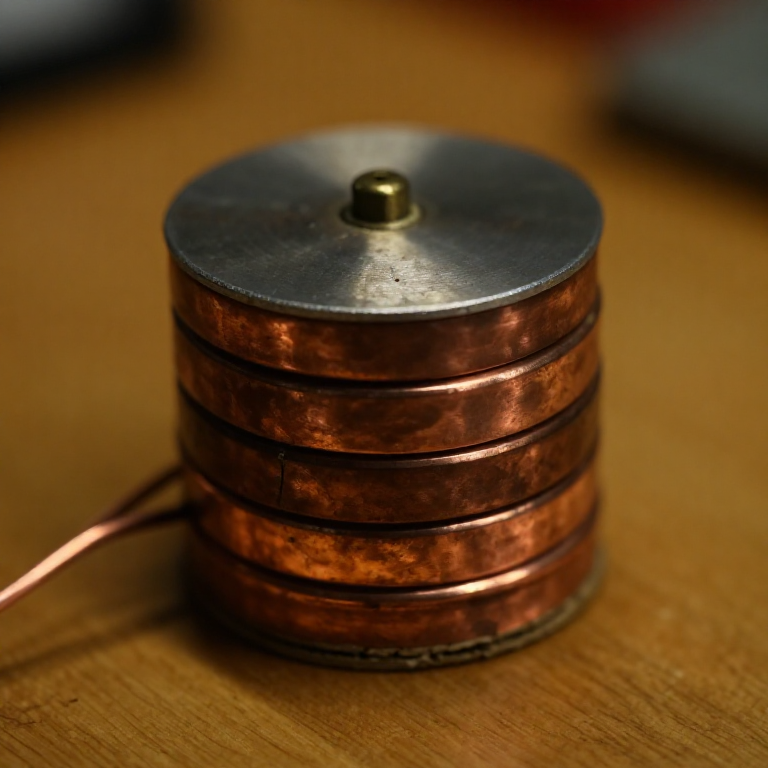


Building a Voltaic Pile — The First Battery and the Birth of Steady Electricity
Until 1800, electricity was a party trick: a spark you could store briefly in a jar and discharge in an instant. Then Alessandro Volta stacked discs of two metals and wet cardboard into a pile and produced something entirely new — a steady, continuous electric current that flowed for as long as you wanted. It was the first battery, and it opened the electrical age.
The principle is beautifully simple. Put two different metals, like zinc and copper, in a salty or acidic liquid and a voltage appears between them. One such pair is feeble, but stack many in a column — zinc, wet disc, copper, zinc, wet disc, copper — and their voltages add up into a useful current. The zinc slowly dissolves, pushing electrons out through a wire to the copper, while the brine carries the charge inside the pile.
With a voltaic pile, scientists could finally do chemistry and physics with electricity on tap. Within a few years it had been used to split water into hydrogen and oxygen, isolate new elements, and reveal the link between electricity and magnetism — the discoveries that led on to the telegraph, electroplating, the dynamo, and everything electrical that followed.
Amabwiriza
Understand the principle
Understand the principle
Cut the metal discs
Cut the metal discs
Ibikoresho by'iyi ntambwe:
 Urupapuro rwa zinki1 urupapuro
 Urupapuro rw'Umuringa1 urupapuro
Ibikoresho bikenewe:
 Ibyuma bikata ibyuma bisanzwe
Cut and soak the separators
Cut and soak the separators
Ibikoresho by'iyi ntambwe:
 Agasanduku ka karito ifite imikondo1 urupapuro
 Umunyu w'ameza30 g
 Amazi1 litiro
Build the first cell
Build the first cell
Stack the pile
Stack the pile
Keep the order consistent
Keep the order consistent
Attach the leads
Attach the leads
Ibikoresho by'iyi ntambwe:
 Insinga y'Umuringa1 metero
Test for current
Test for current
Ibikoresho bikenewe:
 Ikirangamurongo
Follow the chemistry
Follow the chemistry
Keep it running
Keep it running
Tune voltage and current
Tune voltage and current
Appreciate what it unlocked
Appreciate what it unlocked
Ibikoresho
6- 1 urupapuroUmwanya
- 1 urupapuroUmwanya
- 1 urupapuroUmwanya
- 30 gUmwanya
- 1 litiroUmwanya
- 1 meteroUmwanya
Ibikoresho bikenewe
2- Umwanya
Ibikoresho by'Ibishushanyo Bifitanye Isano
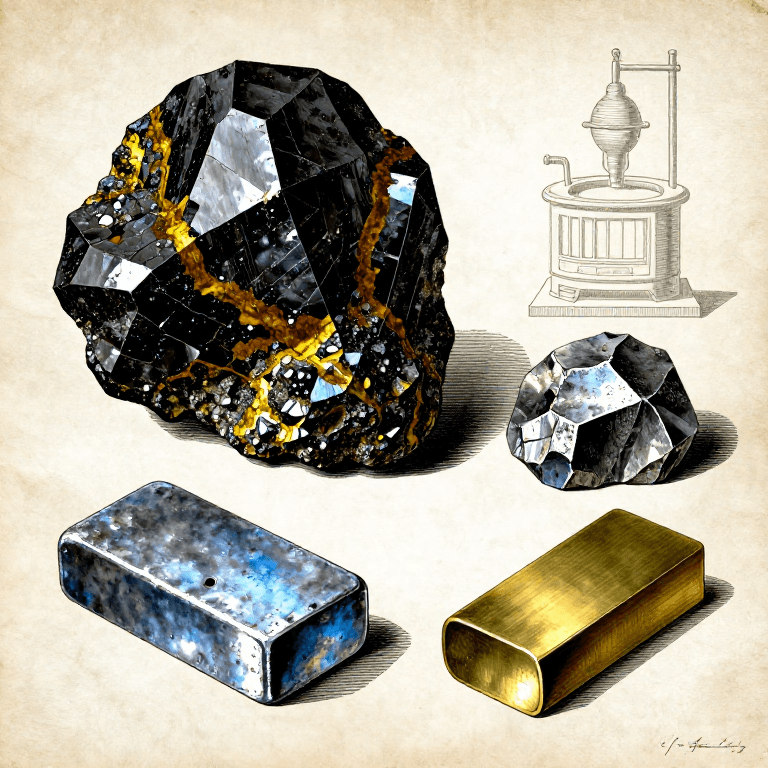

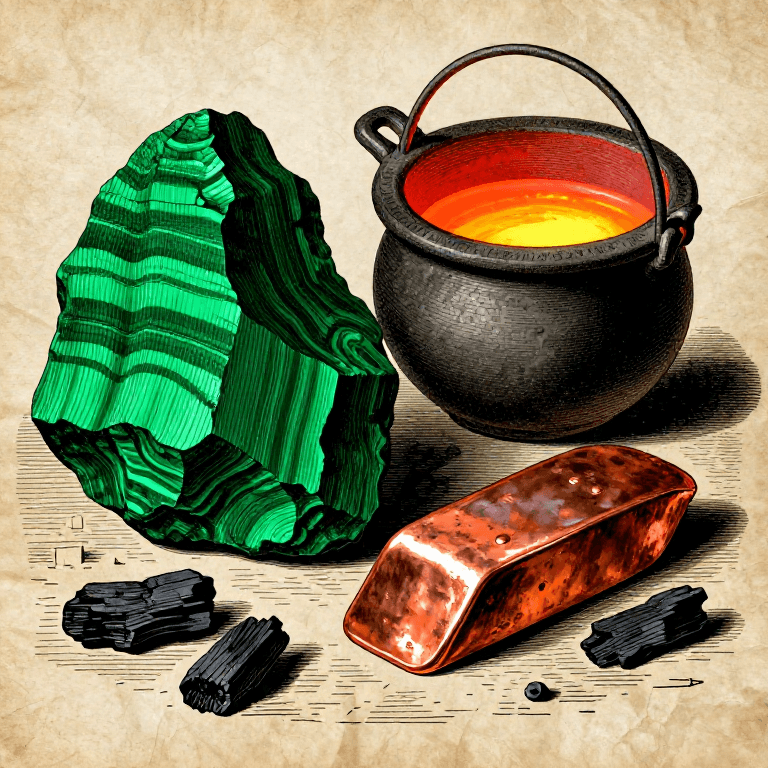
Iki gishushanyo gikora
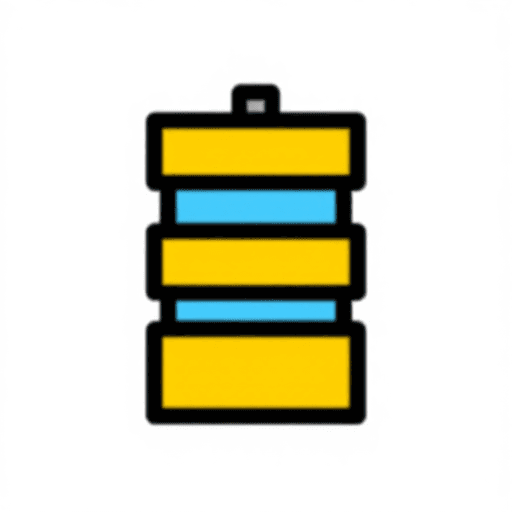
Blueprint zijyanye
Izi blueprint zisangira ubumenyi — uburyo, ibikoresho cyangwa amahame
CC0 Umurenge rusange
Iyi blueprint yasohowe munsi ya CC0. Ushobora gukoporora, guhindura, gukwirakwiza no gukoresha nta kwemererwa.
Shyigikira Umuremyi ugura ibicuruzwa binyuze muri Blueprint ye Komisiyo y'Umuremyi byashyizweho n'Abacuruzi, cyangwa kora verisiyo nshya y'iyi Blueprint ukayinjiza nk'isano muri Blueprint yawe kugira ngo musangire inyungu.