Ubufatanye
UBUHANZI
UBWIZA N'UBUZIMA
UBUKORIKORI
UMUCO N'AMATEKA
IMYIDAGADURO
IBIDUKIKIJE
IBIRIBWA N'IBINYOBWA
UBWUBATSI BUSUBIRA INYUMA
UBUMENYI
SIPORO
IKORANABUHANGA
IBYAMBARWA
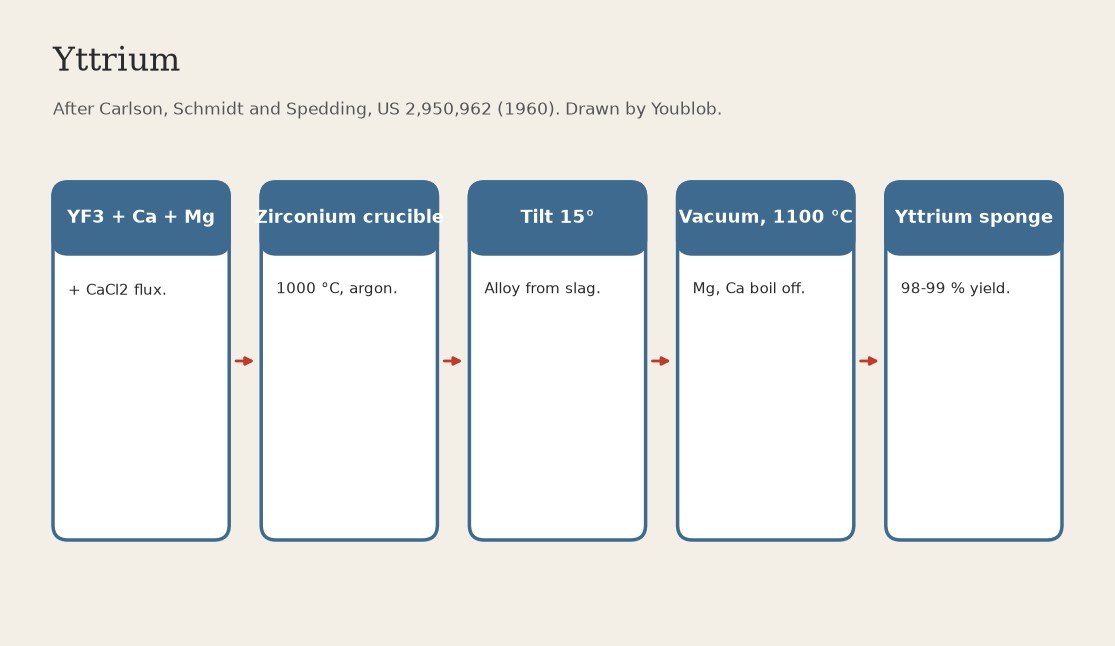


Yttrium: Fluoride Reduced with Calcium and Magnesium at 1000 °C, then Distilled to Sponge (Carlson, Schmidt and Spedding, US 2,950,962)
Calcium alone reduces yttrium fluoride only at 1500 °C. Adding magnesium makes a low-melting yttrium-magnesium alloy, and calcium chloride thins the slag, so the job runs at about 1000 °C. The magnesium and calcium are then boiled off in vacuum, leaving yttrium sponge.
Result: yttrium sponge (yield 98-99 % in the alloy step), usable as a getter or remelted to an ingot.
Source: O. N. Carlson, F. A. Schmidt and F. H. Spedding, US 2,950,962 (1960). Hot work under argon; calcium reacts with water. Picture drawn by Youblob.
Hejuru
2 days
Amabwiriza
1
1
Weigh and mix the charge
Weigh and mix the charge
Dry the calcium chloride in vacuum at about 550 °C. Mix thoroughly 2600 g of pure, fine yttrium fluoride, 2090 g of calcium chloride, 1285 g of granular calcium (about 20 % excess) and 395 g of magnesium turnings, and pack it into a zirconium crucible with a lid carrying a pressure-release valve.
Ibikoresho by'iyi ntambwe:
 Fluoride ya yttrium1 2600 g
Ibikoresho bikenewe:
 Kalisiyumu
 Magnesiyumu
 Kloridi ya kalisiyumu
 Pompe ikuramo umwuka
 Inkono ya zirconium
2
2
Reduce at about 1000 °C
Reduce at about 1000 °C
Under argon (or helium) at about atmospheric pressure, set the crucible in a furnace already at 950-1050 °C and keep heating for about half an hour; the reaction gives off little heat. An yttrium-magnesium-calcium alloy forms under a calcium fluoride-calcium chloride slag.
Ibikoresho bikenewe:
Inkono ya zirconium Itanura ry'inkono yo gushongesheramo
 Arigoni
3
3
Separate alloy and slag
Separate alloy and slag
Take the retort out and tilt it about 15° from horizontal so the slag and alloy freeze in thin layers along the side wall, then break them apart. The alloy is brittle (typically 19 % magnesium, 7-8 % calcium). Crush it to pieces of about 1/2 in.
Ibikoresho bikenewe:
Inkono ya zirconium Isekuru n'Umuhini
4
4
Boil off magnesium and calcium in vacuum
Boil off magnesium and calcium in vacuum
Pack the pieces in a crucible of the same metal set in a graphite heater inside a quartz tube. Pump down to about 1 micron or less and heat by induction to about 800 °C, then more slowly to 1100 °C (about three hours). The alloy does not melt; magnesium and calcium distil away (about 27 % weight loss), leaving porous yttrium sponge.
Ibikoresho bikenewe:
Inkono ya zirconium Inkono yo gushongesha ya giraphite
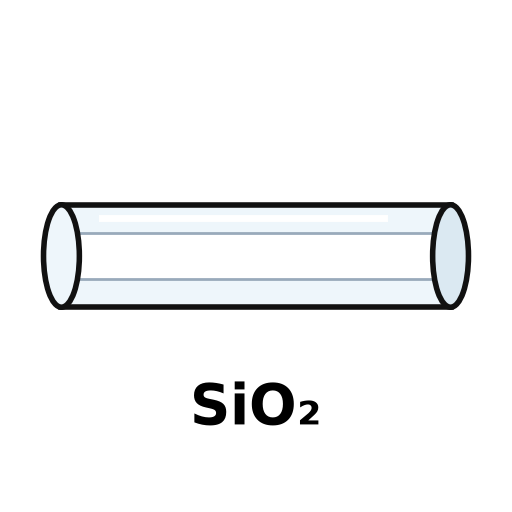 Umuheha wa kwartsi yashongeshejwePompe ikuramo umwuka
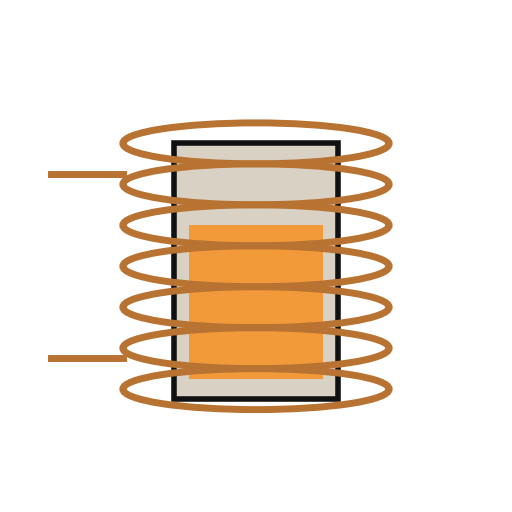 Itanura rya induction
5
5
Remelt to an ingot (optional)
Remelt to an ingot (optional)
Use the sponge as it is (for example as a getter in vacuum tubes), or remelt it in a consumable arc furnace under helium or vacuum to get a solid ingot.
Ibikoresho bikenewe:
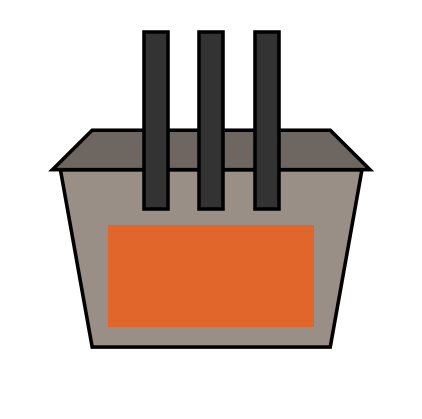 Itanura ry'amashanyarazi rya arc
Ibikoresho
1- 1 2600 gUmwanya
Ibikoresho bikenewe
12- Umwanya
- Umwanya
- Umwanya
- 1 vendor sell this, none ship to you yetUmwanya
- Umwanya
- Umwanya
- Umwanya
- Umwanya
Iki gishushanyo gikora

Blueprint zijyanye
Izi blueprint zisangira ubumenyi — uburyo, ibikoresho cyangwa amahame
CC0 Umurenge rusange
Iyi blueprint yasohowe munsi ya CC0. Ushobora gukoporora, guhindura, gukwirakwiza no gukoresha nta kwemererwa.
Shyigikira Umuremyi ugura ibicuruzwa binyuze muri Blueprint ye Komisiyo y'Umuremyi byashyizweho n'Abacuruzi, cyangwa kora verisiyo nshya y'iyi Blueprint ukayinjiza nk'isano muri Blueprint yawe kugira ngo musangire inyungu.