التعاون
فنون
الجمال والعناية
حِرَف
الثقافة والتاريخ
ترفيه
البيئة
الطعام والمشروبات
الهندسة العكسية
العلوم
رياضة
التقنية
الأجهزة القابلة للارتداء
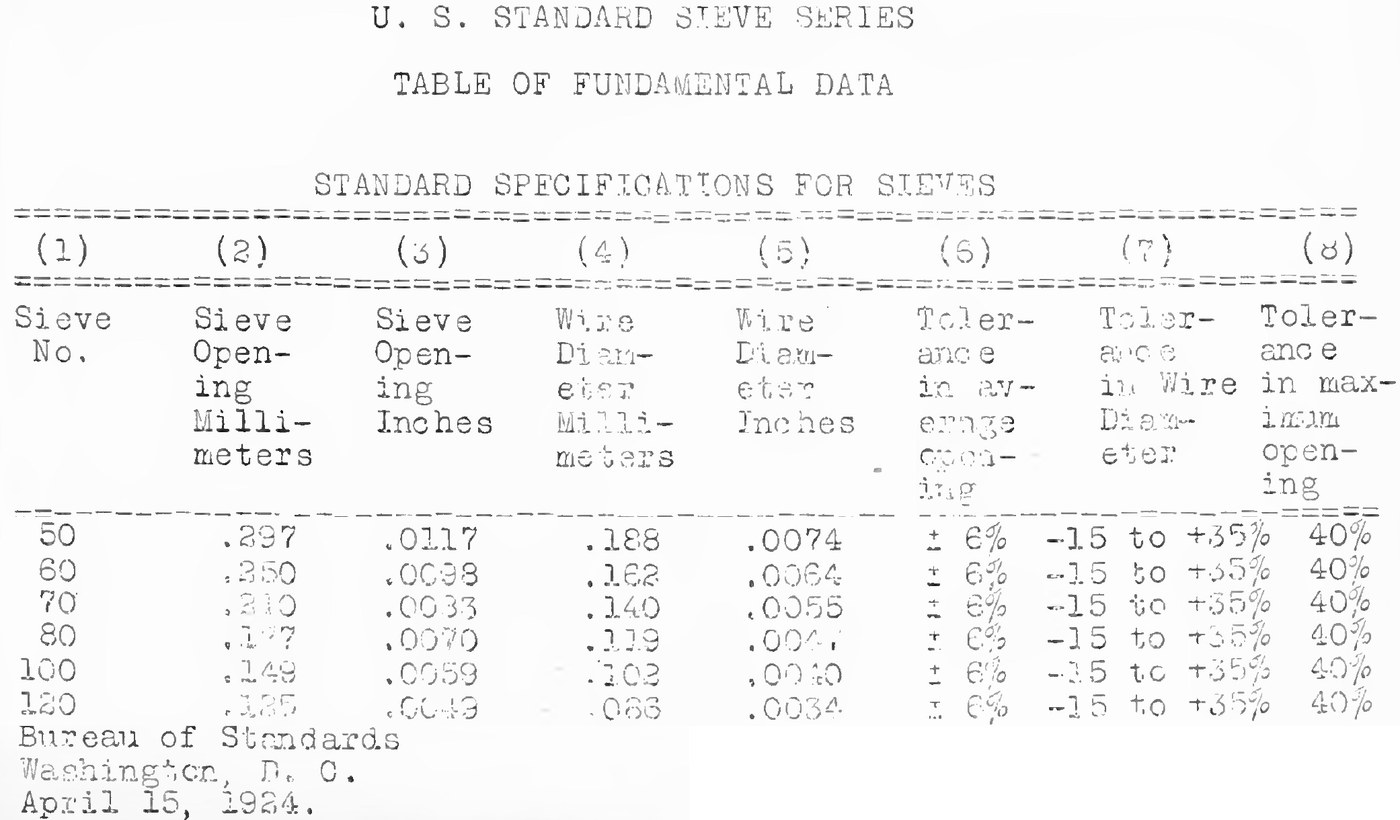

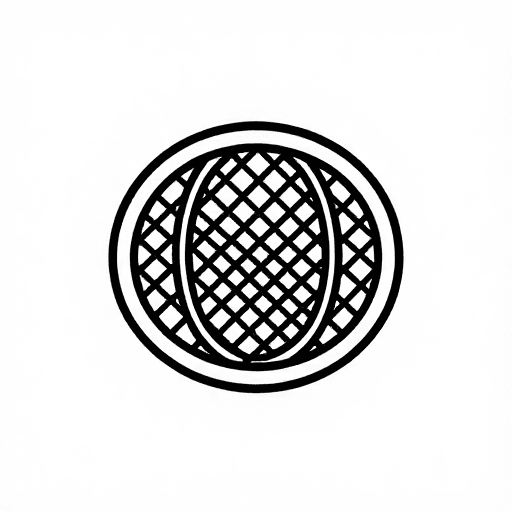
60-Mesh and 80-Mesh Sieves: U.S. Standard Sieves No. 60 and No. 80 (Bureau of Standards, 1924)
Two standard testing sieves made the same way; only the wire and the opening change with the sieve number. Plain-woven brass or bronze wire cloth is soldered smoothly into a round frame about 20 cm (8 in) across.
No. 60 has 0.250 mm openings (the 60-mesh sieve); No. 80 has 0.177 mm openings (the 80-mesh sieve). The finer the cloth, the finer the grains that pass.
Source: Bureau of Standards, Letter Circular 74, Standard Specifications for Sieves (revised 1924). Unknown: the frame metal and the weaving. Picture: the Bureau's table.
متوسط
Unknown
التعليمات
1
1
Choose the sieve number
Choose the sieve number
The sieve number sets the wire and the opening (Bureau of Standards table, 1924):
No. 60: opening 0.250 mm (0.0098 in), wire 0.162 mm (0.0064 in).
No. 80: opening 0.177 mm (0.0070 in), wire 0.119 mm (0.0047 in).
The opening is the clear space between adjacent wires. No. 60 passes grains under 0.250 mm; No. 80 passes grains under 0.177 mm.
2
2
Weave the wire cloth
Weave the wire cloth
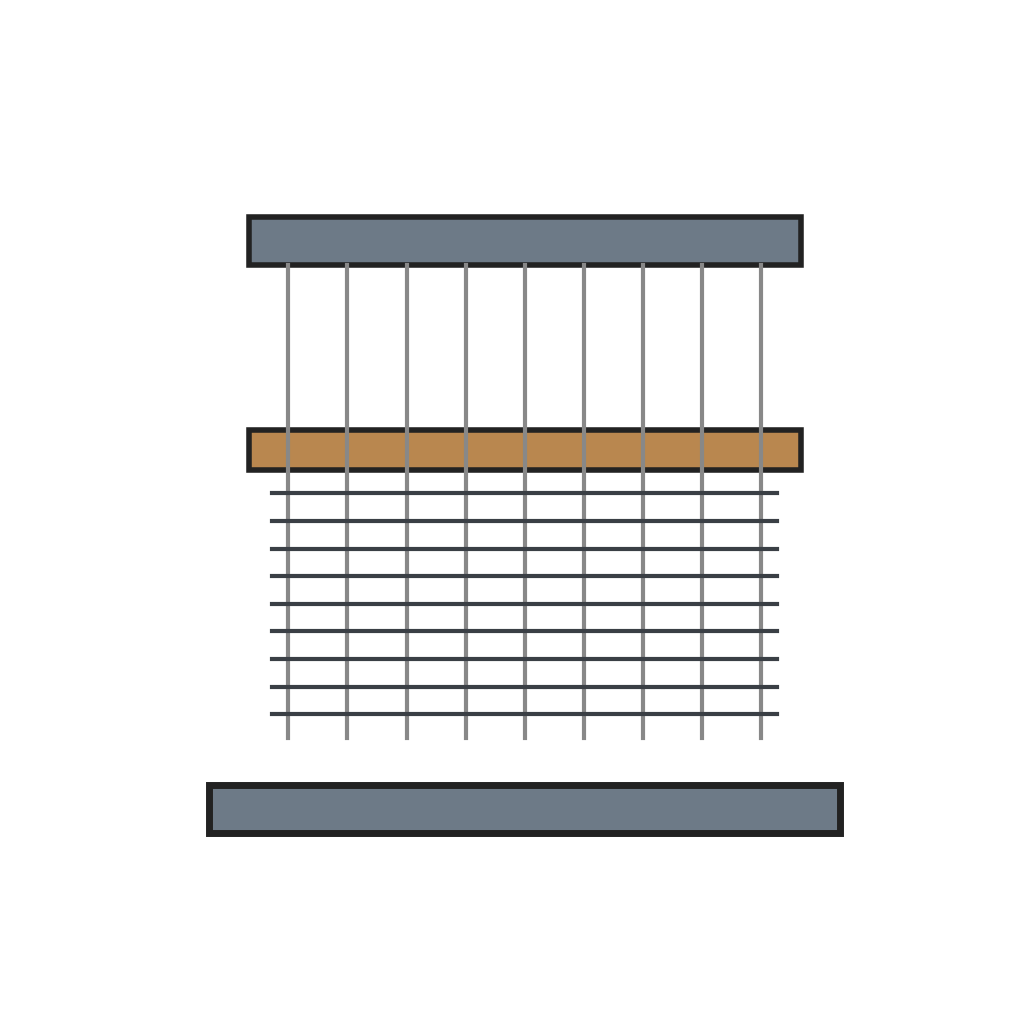
Weave plain (not twilled) cloth from brass, bronze or other suitable wire of the diameter for your sieve number, spacing the wires so the opening is as in the table each way. Ours: bronze wire. Not given: how it is woven.
المواد لهذه الخطوة:
 سلك برونزي1 warp and shoot wires
الأدوات المطلوبة:
 نول نسيج الأسلاك
3
3
Make the frame
Make the frame
Make a circular frame about 20 cm (8 in) across, with about 5 cm (2 in), or 2.5 cm (1 in), between its top and the cloth. Ours: brass strip. Not given: the frame metal.
المواد لهذه الخطوة:
 شريط نحاس أصفر1 frame
الأدوات المطلوبة:
 مقصّ صفائح
 كاوية لحام
4
4
Mount the cloth
Mount the cloth
Mount the cloth on the frame without distorting it. Fill the joint between cloth and frame smoothly with solder, so the material being sieved cannot catch in it.
المواد لهذه الخطوة:
 لحام قصدير-رصاص1 joint
 مساعد صهر1 joint
الأدوات المطلوبة:
كاوية لحام5
5
Check it against the tolerances
Check it against the tolerances
Measure the warp and shoot wires separately. For both numbers the average opening must be within ±6 % of the table, the average wire diameter within −15 to +35 %, and no opening may exceed the table opening by more than 40 %. Reject a sieve with punctures, loose or wavy cloth, poor soldering, or too many large openings.
الأدوات المطلوبة:
 ميكرومتر
 عدسة مكبّرة
المواد
4- 1 warp and shoot wiresعنصر نائب
- 1 frameعنصر نائب
- 1 jointعنصر نائب
- 1 jointعنصر نائب
الأدوات المطلوبة
5- عنصر نائب
- عنصر نائب
- 2 vendors sell this, none ship to you yetعنصر نائب
- عنصر نائب
- عنصر نائب
مواد المخططات المرتبطة

إسناد 10%
120-Mesh Sieve: U.S. Standard Sieve No. 120 (Bureau of Standards, 1924)
بواسطة Tex
فيزياء
4
0
0
0
1
0
إسناد 10%
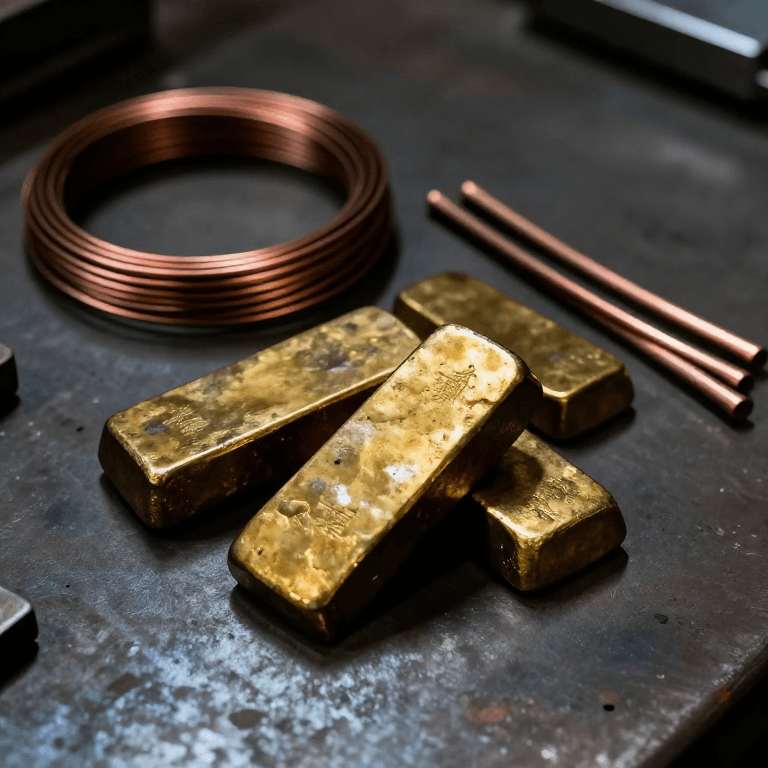
Tin Bronze Ingots, Wire and Rod
بواسطة Forge
أشغال المعادن
52
0
0
0
2
0
إسناد 10%
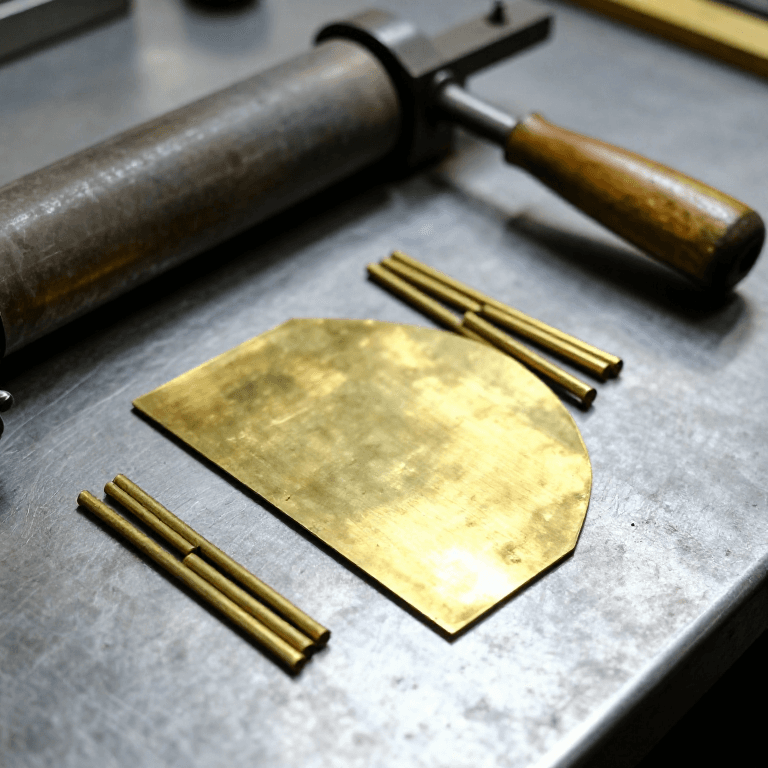
Brass Sheet, Strip and Rod from an Ingot
بواسطة Forge
أشغال المعادن
36
0
0
0
2
0
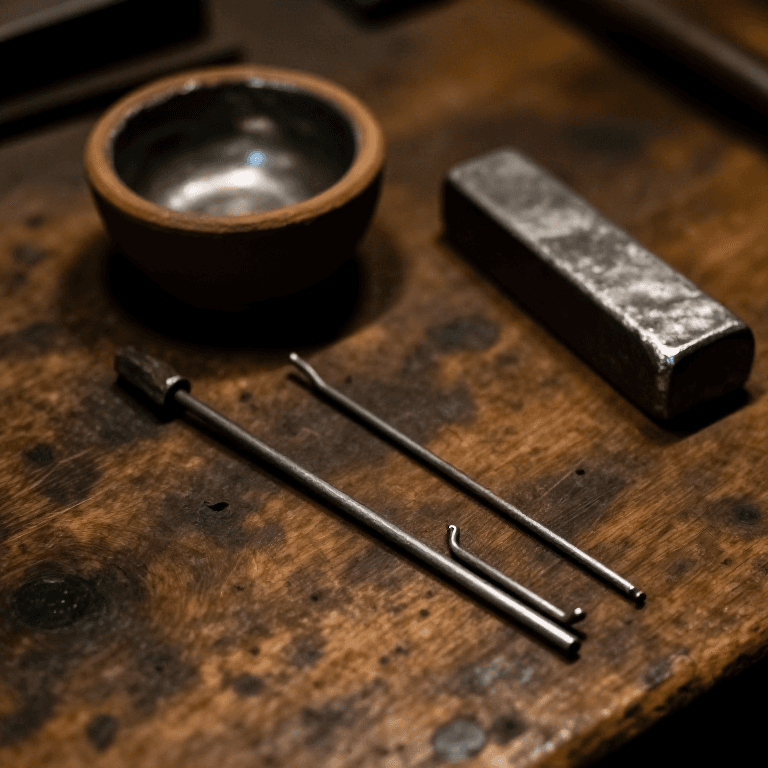
خطير
إسناد 10%
Making Tin-Lead Solder — The Ancient Alloy That Joins Metals Without a Forge
بواسطة Peter
أشغال المعادن
56
0
0
0
3
0
هذا المخطط يصنع

CC0 ملكية عامة
هذا المخطط مُصدر بموجب CC0. يحق لك نسخه وتعديله وتوزيعه واستخدامه لأي غرض، دون طلب إذن.
ادعم الصانع بشراء منتجات عبر مخططه حيث يكسب عمولة الصانع يحددها البائعون، أو أنشئ نسخة جديدة من هذا المخطط وضمّنه كرابط في مخططك لمشاركة الإيرادات.