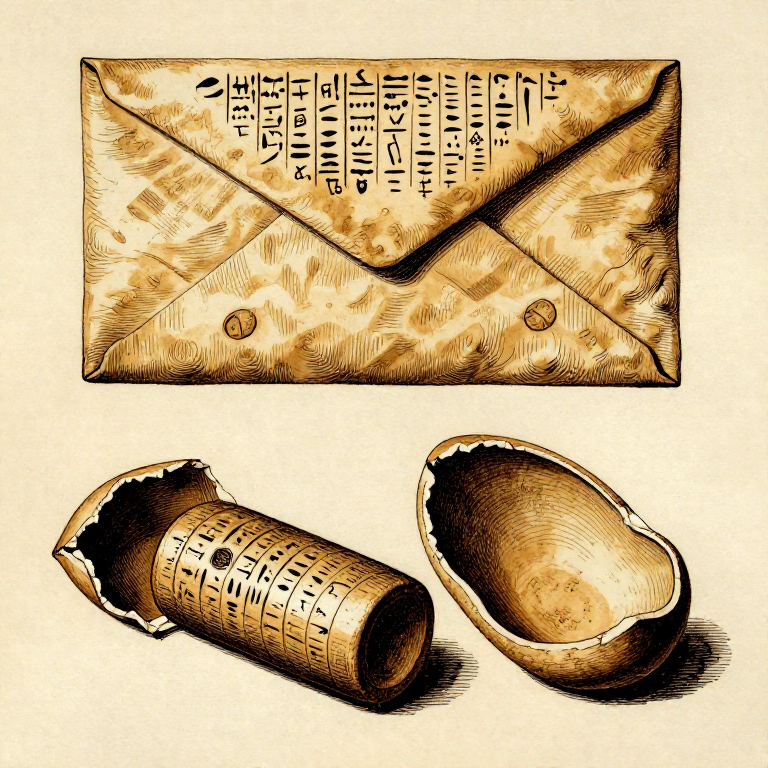


Forming a Clay Envelope for Tablet Security — Tamper-Proof Seal
التعليمات
Prepare the Inner Tablet
Prepare the Inner Tablet
The tablet to be enveloped must be completely dry. If it is still wet, the envelope clay will bond to the tablet clay, making it impossible to separate them later without destroying both. Allow the inscribed tablet to air-dry for at least one full day until the surface is firm and no longer cool to the touch. The tablet should be small enough to be completely enclosed — typically these were administrative documents such as contracts, receipts, loans, and legal agreements. Most enveloped tablets are rectangular, about 5-8 cm wide.
المواد لهذه الخطوة:
 طين بريenough to wrap the tablet قطعة
 طقم الكتابة على ألواح الطين (المسمارية)1 tablet قطعة
 ماءsmall amount قطعة
الأدوات المطلوبة:
 قلم القصب
 خاتم أسطواني
Wrap the Tablet in Clay
Wrap the Tablet in Clay
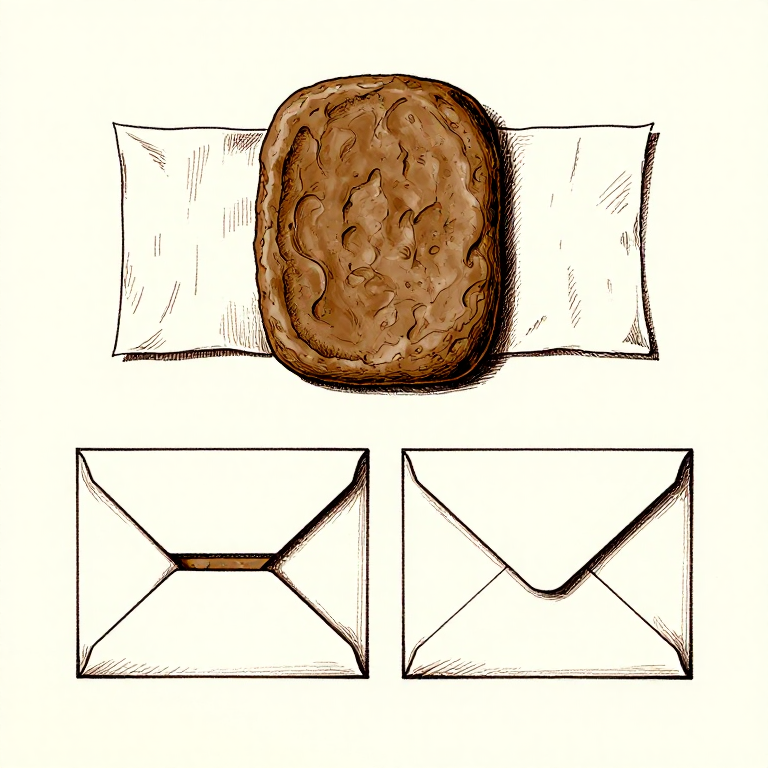
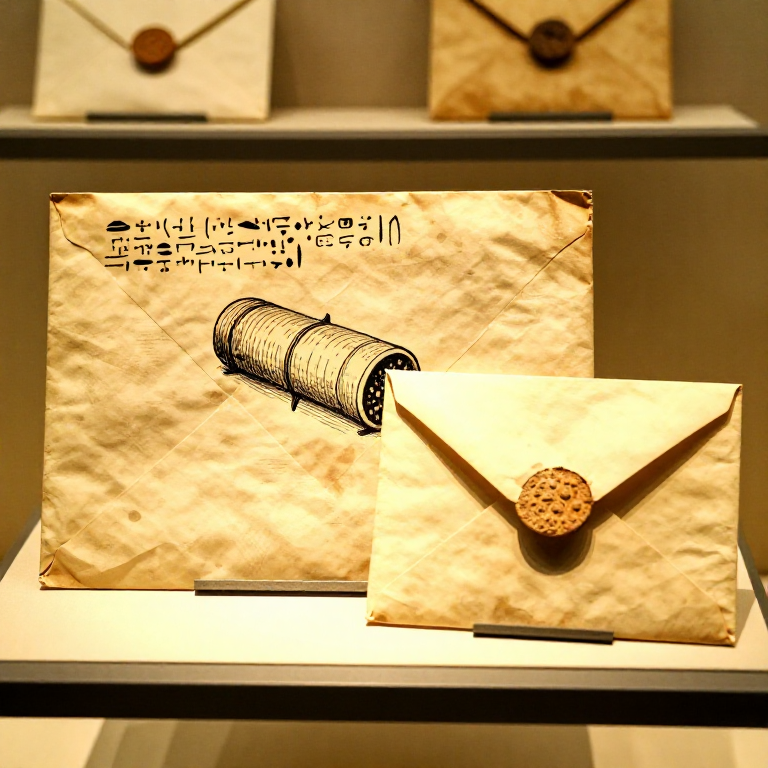
Prepare a flat sheet of well-kneaded clay about 5-8 mm thick. Lay the dried tablet in the centre and fold the clay sheet up and around it, pressing gently to form a snug enclosure. Smooth the seams where the clay edges meet by blending them together with a wet finger. The envelope should completely cover the tablet with no gaps or thin spots. The clay coating needs to be thick enough to withstand handling (at least 5 mm) but not so thick that it cannot be broken when needed. Smooth the exterior surface to prepare it for writing.
Inscribe the Exterior
Inscribe the Exterior
While the envelope clay is still wet, inscribe a copy of the inner tablet's text on the outside using a reed stylus. This exterior copy allows the document's contents to be read without breaking the seal. For contracts, the exterior typically included the names of the parties, the subject of the agreement, and the date. The witness names and quantities might also be recorded. Write carefully — the envelope surface is thinner than a normal tablet and the stylus must not press through to contact the inner tablet.
Apply Seal Impressions
Apply Seal Impressions
Roll the cylinder seals of the involved parties across the wet envelope surface to authenticate the document. The seals of the contracting parties, witnesses, and sometimes the scribe were all applied. The seal impression serves the same function as a modern signature — it identifies the person and indicates their consent. The combination of the sealed envelope, the exterior text copy, and the untampered inner tablet created a remarkably robust system of document security that prevented forgery and alteration for over 2,000 years of Mesopotamian legal practice.
Dry and Archive
Dry and Archive
Allow the sealed envelope to air-dry completely. Once dry, it can be stored in an archive. If a dispute arises about the document's contents, a judge can examine the sealed exterior text first. If one party claims the text has been altered, the judge breaks open the envelope to compare it with the original tablet inside — the inner tablet serves as the authoritative version because it was sealed at the time of the original agreement and cannot have been modified. This system was described in Hammurabi's law code (circa 1754 BCE) and was used throughout Mesopotamia, Anatolia, and the Levant. Archives of enveloped tablets have been found at sites including Kanesh, Nuzi, and Ur.
المواد
3- enough to wrap the tablet قطعةعنصر نائب
- 1 tablet قطعةعنصر نائب
- small amount قطعةعنصر نائب
الأدوات المطلوبة
2- عنصر نائب
- عنصر نائب
هذا المخطط يصنع
CC0 ملكية عامة
هذا المخطط مُصدر بموجب CC0. يحق لك نسخه وتعديله وتوزيعه واستخدامه لأي غرض، دون طلب إذن.
ادعم الصانع بشراء منتجات عبر مخططه حيث يكسب عمولة الصانع يحددها البائعون، أو أنشئ نسخة جديدة من هذا المخطط وضمّنه كرابط في مخططك لمشاركة الإيرادات.