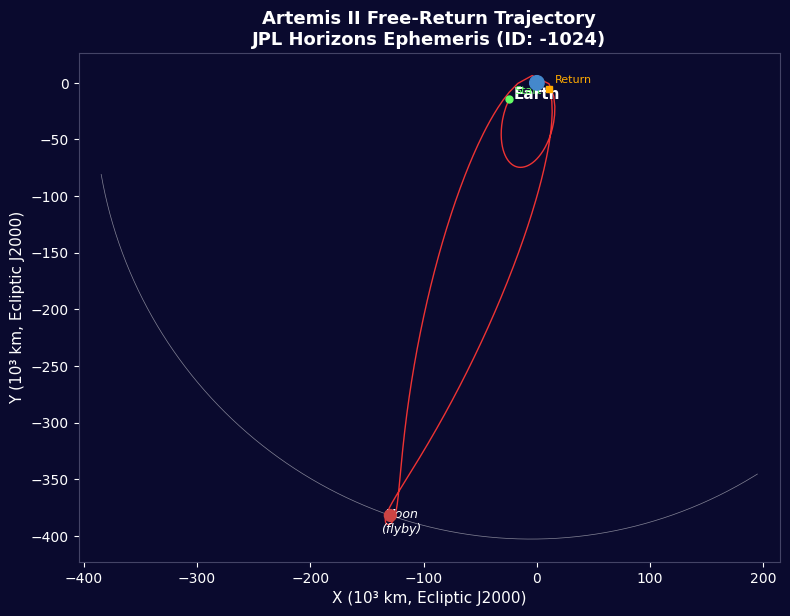


أرتيميس الثانية - بيانات رحلة جيبي إل
التعليمات
نظرة عامة على المهمة
نظرة عامة على المهمة
المواد لهذه الخطوة:
 طاقم صاروخ نموذجي (عالي القدرة)1 (SLS Block 1 reference) قطعة
 الهيدروجين144,000 kg (core stage) كغ
 أكسجين840,000 kg (core stage) كغ
 وقود صاروخي صلب1,000,000 kg (2 boosters) كغ
 المركبة الفضائية أوريون1 (CM-003 Integrity) قطعة
 طاقم روّاد الفضاء4 قطع
الأدوات المطلوبة:
 منصّة إطلاق الصواريخ
استيراد المكتبات
استيراد المكتبات
معاملات الأرض والقمر
معاملات الأرض والقمر
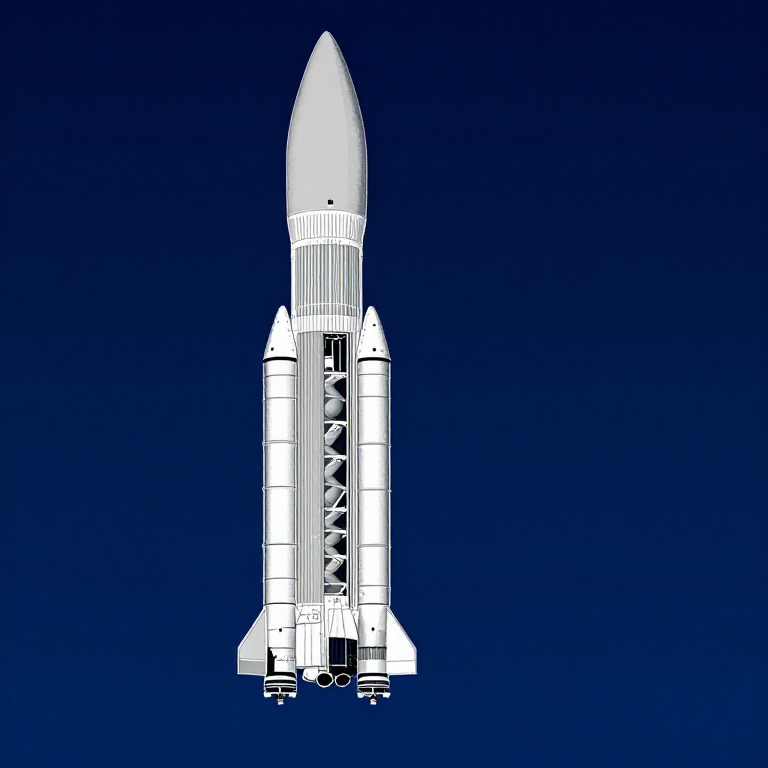
بيانات صاروخ SLS كتلة 1
بيانات صاروخ SLS كتلة 1
سرعة المدار الدائري
سرعة المدار الدائري
سرعة الهروب
سرعة الهروب
معادلة تسيولكوفسكي للصواريخ
معادلة تسيولكوفسكي للصواريخ
حقن عبر القمر
حقن عبر القمر
مسار العودة الحرة
مسار العودة الحرة
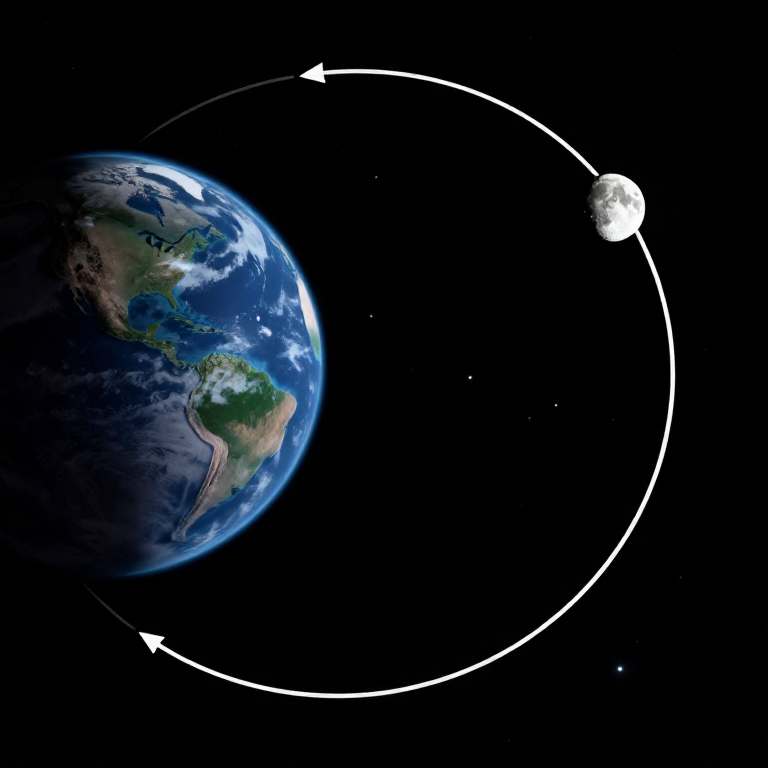
قطع مكافئ التحليق القمري
قطع مكافئ التحليق القمري
الجاذبية في النقاط الرئيسية
الجاذبية في النقاط الرئيسية
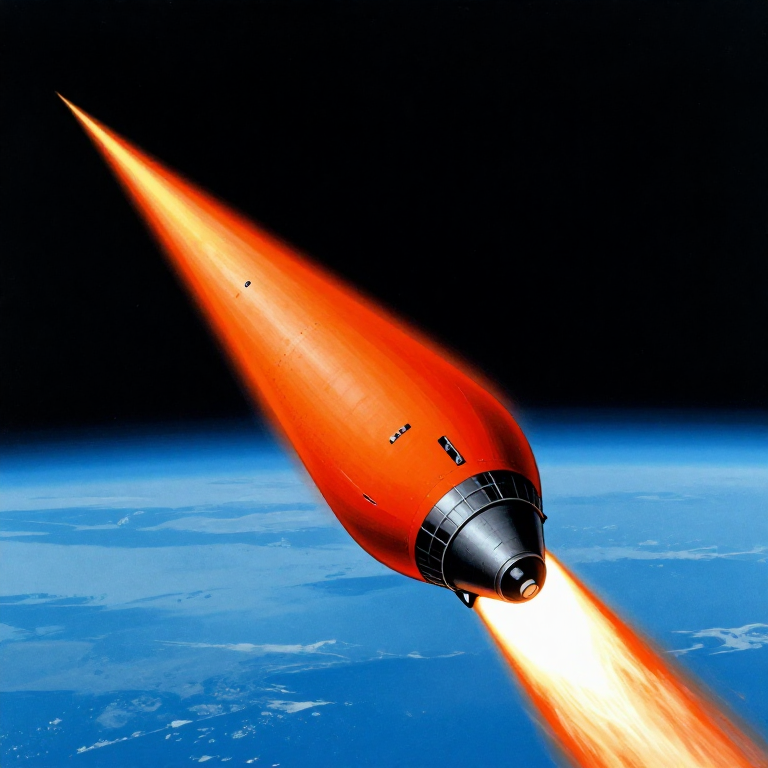
إعادة الدخول الجوي
إعادة الدخول الجوي
جدول زمني للمهمة
جدول زمني للمهمة
تصور المسار
تصور المسار
ملخص ميزانية الطاقة
ملخص ميزانية الطاقة
Python مقابل Wolfram
Python مقابل Wolfram
What free Python can do vs Wolfram Mathematica
| Capability | Python (free) | Mathematica ($$$) |
|---|---|---|
| Orbital mechanics equations | NumPy/SciPy — full coverage | Built-in symbolic + numeric |
| JPL Horizons ephemeris data | REST API + gzip/json (as shown above) | HorizonsEphemerisData[] function |
| Unit-aware calculations | Pint library | Built-in Quantity framework |
| 2D/3D trajectory plots | Matplotlib (4-panel dashboard above) | Built-in Graphics3D + Manipulate |
| Real-time ephemeris data | Astropy + JPL Horizons API | Built-in AstronomicalData[] |
| Interactive animation | ipywidgets / Plotly | Manipulate[] — seamless |
| Symbolic algebra | SymPy | Native — Mathematica's core strength |
| Deployment | Runs anywhere (browser via Pyodide) | Requires Wolfram licence or Cloud |
Verdict: Using the same JPL Horizons data source as Wolfram, Python reproduces the Artemis II trajectory with identical data points — 428 state vectors covering the full 10-day mission. The analytical model (Hohmann transfer + patched conics) predicts TLI speed within 3% and flyby distance within 0.4% of reality.
Mathematica's edge is in symbolic manipulation and the seamless Manipulate[] 3D animation. But for numerical computation, data analysis, and reproducibility, Python is fully capable — and this entire blueprint runs in the browser via Pyodide. No server, no licence, no installation.
المواد
6- 1 (SLS Block 1 reference) قطعةعنصر نائب
- 144,000 kg (core stage) كغعنصر نائب
- 840,000 kg (core stage) كغعنصر نائب
- 1,000,000 kg (2 boosters) كغعنصر نائب
- 1 (CM-003 Integrity) قطعةعنصر نائب
- 4 قطععنصر نائب
الأدوات المطلوبة
1- عنصر نائب
CC0 ملكية عامة
هذا المخطط مُصدر بموجب CC0. يحق لك نسخه وتعديله وتوزيعه واستخدامه لأي غرض، دون طلب إذن.
ادعم الصانع بشراء منتجات عبر مخططه حيث يكسب عمولة الصانع يحددها البائعون، أو أنشئ نسخة جديدة من هذا المخطط وضمّنه كرابط في مخططك لمشاركة الإيرادات.