

Making Blister Steel by Cementation — Carburizing Wrought Iron into Steel
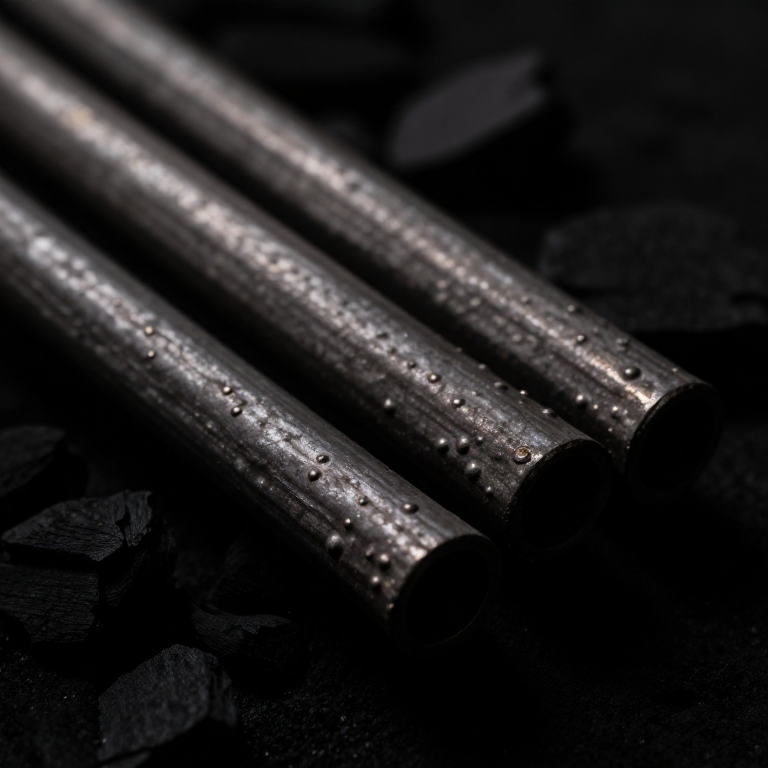
Wrought iron bends but will not hold an edge; cast iron holds an edge but shatters. Steel — iron with just the right sliver of carbon — does both, and for centuries the great problem of metalworking was how to make it reliably. The cementation process, used across Europe from the 1600s, was the first method to manufacture steel in quantity from ordinary wrought iron bars.
The idea is to add carbon to solid iron without ever melting it. Bars of wrought iron are packed in powdered charcoal inside a sealed stone chest and roasted for a week at a bright red heat. Over those days, carbon slowly creeps out of the charcoal and diffuses into the surface of the iron, turning the skin into steel. Gas trapped under the surface raises little blisters across the bars — which is why the product is called blister steel.
Blister steel is uneven, carbon-rich at the surface and soft in the core, so smiths refined it further: forge-welding and folding it into shear steel, or melting it in crucibles into perfectly uniform cast steel. But cementation was the foundation — the step that first made steel an industrial material rather than a rare treasure.
التعليمات
Understand cementation
Understand cementation
Select wrought iron bars
Select wrought iron bars
المواد لهذه الخطوة:
 قضبان حديد مطاوع20 كغ
Build the cementation chest
Build the cementation chest
المواد لهذه الخطوة:
 طوب حراري60 قطع
الأدوات المطلوبة:
 مِسحاة يدوية
Crush the charcoal
Crush the charcoal
المواد لهذه الخطوة:
 فحم نباتي (قطع)15 كغ
الأدوات المطلوبة:
 مطرقة
مطرقةPack iron and charcoal in layers
Pack iron and charcoal in layers
Seal the chest with clay
Seal the chest with clay
المواد لهذه الخطوة:
 طين10 كغ
Fire at red heat for days
Fire at red heat for days
المواد لهذه الخطوة:
 فحم قاري200 كغ
Let the carbon diffuse
Let the carbon diffuse
Recognise the blisters
Recognise the blisters
الأدوات المطلوبة:
 كمّاشة سحب
Cool slowly and open
Cool slowly and open
الأدوات المطلوبة:
كمّاشة سحبRefine into shear steel
Refine into shear steel
الأدوات المطلوبة:
مطرقةTest that it is steel
Test that it is steel
المواد لهذه الخطوة:
 ماء5 لترات
المواد
6- 20 كغعنصر نائب
- 60 قطععنصر نائب
- 15 كغعنصر نائب
- 10 كغعنصر نائب
- 200 كغعنصر نائب
- 5 لتراتعنصر نائب
مواد المخططات المرتبطة


المخططات ذات الصلة
هذه المخططات تشارك المعرفة مع هذا — التقنيات والمواد والمبادئ

CC0 ملكية عامة
هذا المخطط مُصدر بموجب CC0. يحق لك نسخه وتعديله وتوزيعه واستخدامه لأي غرض، دون طلب إذن.
ادعم الصانع بشراء منتجات عبر مخططه حيث يكسب عمولة الصانع يحددها البائعون، أو أنشئ نسخة جديدة من هذا المخطط وضمّنه كرابط في مخططك لمشاركة الإيرادات.