التعاون
فنون
الجمال والعناية
حِرَف
الثقافة والتاريخ
ترفيه
البيئة
الطعام والمشروبات
الهندسة العكسية
العلوم
رياضة
التقنية
الأجهزة القابلة للارتداء
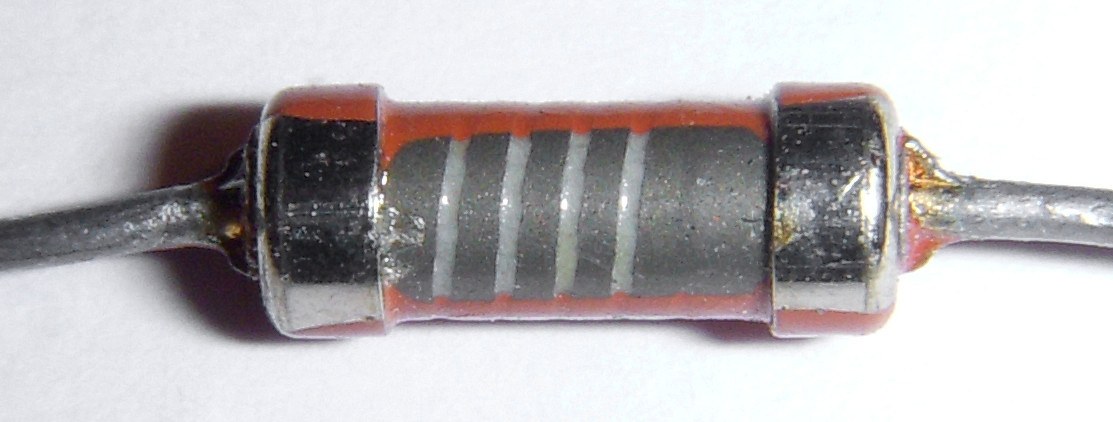


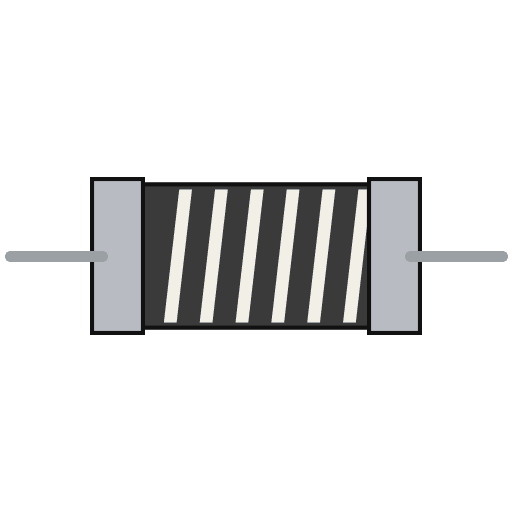
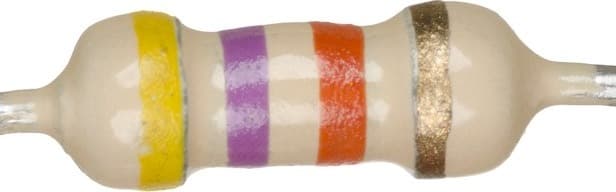
Carbon Film Resistors: Methane Cracked on Ceramic Rods, Helixed and Varnished (Bell Labs 1951)
Ceramic rods tumble in a hot, gas-tight rotating furnace while methane cracks on them and leaves a thin, hard film of carbon. The coated rods get conducting ends, a helix ground through the film to bring them near their value, a light rub to the exact value, and a coat of baking varnish.
Result: carbon film resistors adjusted to as close as ±0.5 %. The helix alone can raise a rod's resistance by any factor from about 10 to about 8000.
Source: Grisdale, Pfister and van Roosbroeck, Pyrolytic Film Resistors, Bell System Technical Journal 30 (1951). Unknown: the ceramic of the rods, the end caps and leads, and which baking varnish; the paper does not give them. Picture: Wikimedia Commons.
متقدم
2 days
التعليمات
1
1
Load the furnace
Load the furnace
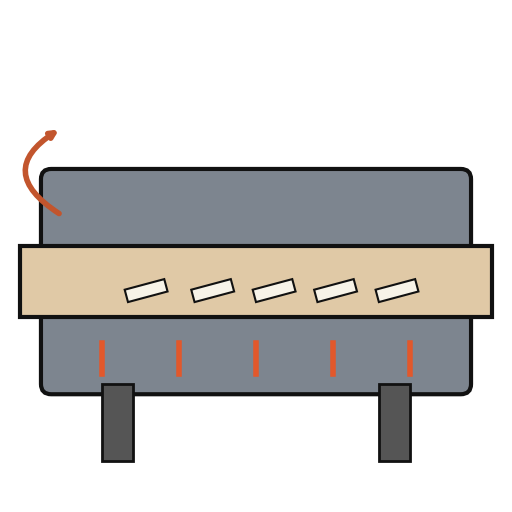
Load cylindrical ceramic rods into the gas-tight refractory core of a rotating (or rocking) batch furnace, with silica sand to support the rods and keep them from damage as they tumble. Unknown: which ceramic.
المواد لهذه الخطوة:
 قلب عازل للمقاومة1 batch
الأدوات المطلوبة:
 فرن دوّار للدُّفعات
 رمل كوارتزي
2
2
Heat under nitrogen
Heat under nitrogen
Turn the core and bring it to temperature, usually about 975 to 1300 °C, flushing it with nitrogen before any hydrocarbon goes in.
الأدوات المطلوبة:
فرن دوّار للدُّفعات نيتروجين
3
3
Crack the methane
Crack the methane
When the temperature is steady, let in the coating gas and keep it flowing for the time needed. The film grows at a steady rate: at 1000 °C and 30 % methane the paper runs from 0.2 to 10 hours. Longer gives a thicker film of lower resistance; temperature sets the rate more than anything else, and more methane deposits faster.
المواد لهذه الخطوة:
 الميثان1 flow
الأدوات المطلوبة:
فرن دوّار للدُّفعات4
4
Cool under nitrogen
Cool under nitrogen
Shut off the methane and let the core cool while oxygen-free nitrogen keeps flowing. The films come out clean, even and firmly stuck.
الأدوات المطلوبة:
فرن دوّار للدُّفعاتنيتروجين5
5
Terminate the ends
Terminate the ends
Paint the ends of each coated rod with a water suspension of colloidal graphite (Aquadag), then burnish and bake it; this suits all but low-value resistors. Fit the end caps with their leads. Unknown: the caps and leads, which the paper does not describe. Ours: an agate burnisher and an oven.
المواد لهذه الخطوة:
 الغرافيت الغرواني1 as required
 أغطية أطراف المقاومة مع الأسلاك2 per resistor
الأدوات المطلوبة:
 مِصقلة عقيق
 فرن
6
6
Grind the helix
Grind the helix
Grind a helical groove through the film with a water-cooled, metal-bonded diamond wheel, the blank floating against the wheel so the groove stays even. Pick the pitch to land slightly below the wanted value (330 Ω, 10 kΩ or any other). The groove must be smooth: cracks into the carbon ribbon bring noise and drift.
الأدوات المطلوبة:
 آلة القطع الحلزوني للمقاومات
7
7
Rub to value and varnish
Rub to value and varnish
Turn the resistor while measuring it continuously, and rub its whole surface lightly with a cotton pad wet with an organic solvent until it reaches its value. Leave it just below tolerance, then give it one or more coats of baking varnish, which raises the resistance by generally less than 1 %. Unknown: which varnish and its baking. Ours: acetone as the solvent, a Wheatstone bridge to measure.
المواد لهذه الخطوة:
 ورنيش الخَبز1 as required
الأدوات المطلوبة:
 قنطرة ويتستون
 قطن طبي
 أسيتونفرن
المواد
5- 1 batchعنصر نائب
- 1 flowعنصر نائب
- 1 as requiredعنصر نائب
- 2 per resistorعنصر نائب
- 1 as requiredعنصر نائب
هذا المخطط يصنع

المخططات ذات الصلة
هذه المخططات تشارك المعرفة مع هذا — التقنيات والمواد والمبادئ
CC0 ملكية عامة
هذا المخطط مُصدر بموجب CC0. يحق لك نسخه وتعديله وتوزيعه واستخدامه لأي غرض، دون طلب إذن.
ادعم الصانع بشراء منتجات عبر مخططه حيث يكسب عمولة الصانع يحددها البائعون، أو أنشئ نسخة جديدة من هذا المخطط وضمّنه كرابط في مخططك لمشاركة الإيرادات.