
Making Coal Gas for Lighting — The Gasworks That Lit the Nineteenth Century
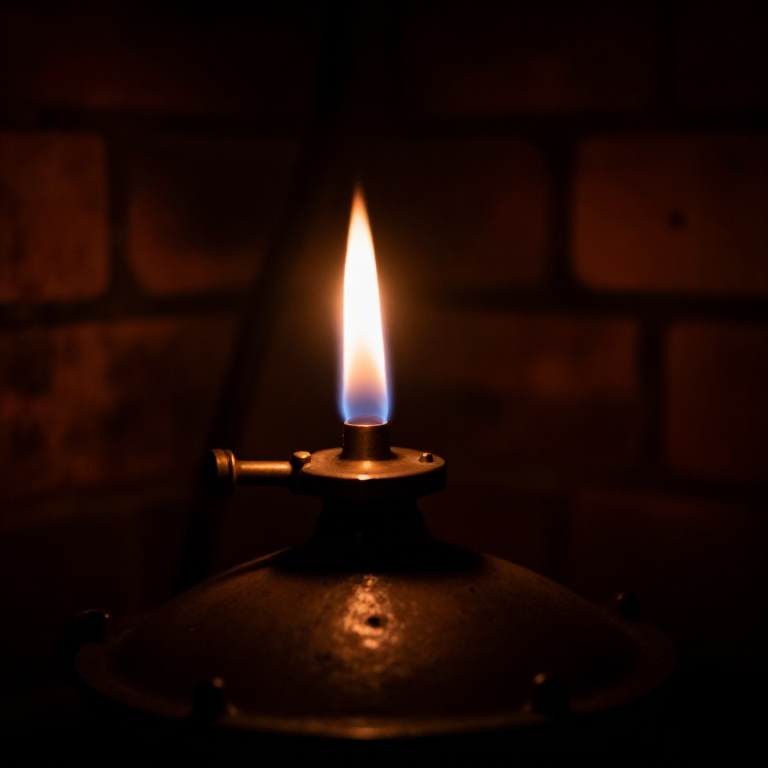
Before electricity, the brightest, most modern light a city could have came piped from a gasworks. Coal gas — a mix of hydrogen, methane, and carbon monoxide cooked out of coal — burned with a clean, steady flame far brighter than any candle or oil lamp. From the 1810s, gas mains snaked under the streets of London and then every industrial city, lighting factories, shops, theatres, and homes.
The process is destructive distillation: coal is roasted in a sealed retort with no air, and instead of letting the volatile gases burn off as waste (as a coke heap does), the gasworks captures them. The raw gas is cooled to drop out the coal tar, washed to remove ammonia, and purified over lime to take out the foul-smelling sulphur. The clean gas is stored in a great floating gasholder and piped out to burners.
What makes a gasworks brilliant is that nothing is wasted: the gas gives light, the coke left in the retort is sold as fuel, the coal tar becomes the feedstock for synthetic dyes and chemicals, and the ammonia liquor becomes fertiliser. One load of coal yields four products — the same destructive distillation that makes coke, run the other way round to harvest the gas.
التعليمات
Understand coal gas
Understand coal gas
Build a sealed retort
Build a sealed retort
المواد لهذه الخطوة:
 طوب حراري50 قطع
الأدوات المطلوبة:
 أنبيق حديد
Charge the coal and seal
Charge the coal and seal
المواد لهذه الخطوة:
 فحم قاري30 كغ
 طين4 كغ
Heat the retort from outside
Heat the retort from outside
المواد لهذه الخطوة:
فحم قاري25 كغDraw off the raw gas
Draw off the raw gas
Condense the tar
Condense the tar
الأدوات المطلوبة:
 ملفّ المكثّف
Wash the gas
Wash the gas
المواد لهذه الخطوة:
 ماء20 لترات
Purify over lime
Purify over lime
المواد لهذه الخطوة:
 هيدروكسيد الكالسيوم (الجير المطفأ)5 كغ
Store in a gasholder
Store in a gasholder
الأدوات المطلوبة:
 خزّان غاز
Pipe to a burner and light
Pipe to a burner and light
الأدوات المطلوبة:
 موقد غاز
Recover the coke
Recover the coke
الأدوات المطلوبة:
 مِمشط حديدي
Account for every product
Account for every product
المواد
5- 50 قطععنصر نائب
- 55 كغعنصر نائب
- 4 كغعنصر نائب
- 20 لتراتعنصر نائب
- عنصر نائب
الأدوات المطلوبة
5- عنصر نائب
- عنصر نائب
- عنصر نائب
- عنصر نائب
- عنصر نائب
المخططات ذات الصلة
هذه المخططات تشارك المعرفة مع هذا — التقنيات والمواد والمبادئ
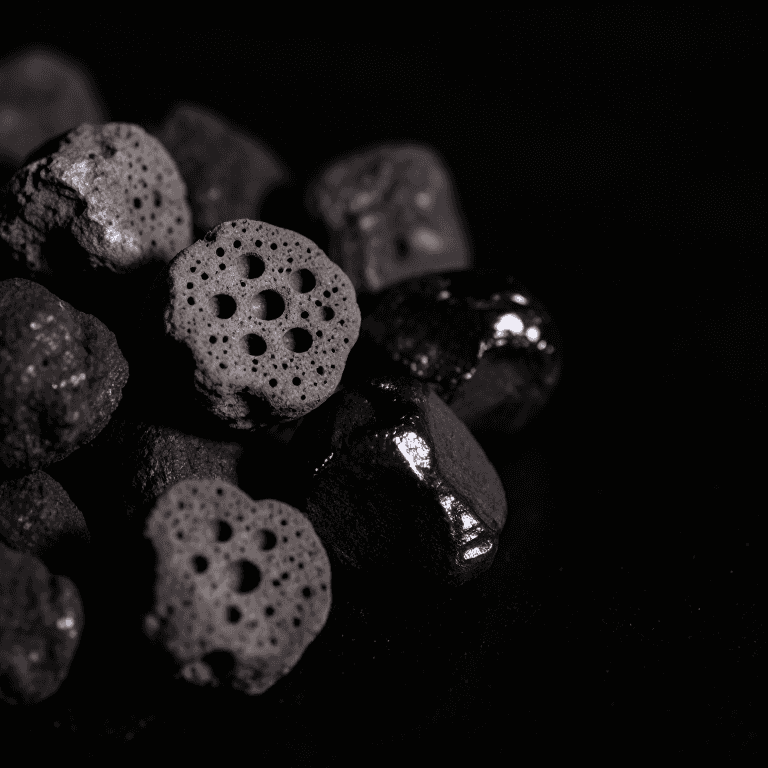
Making Coke from Coal — The Smokeless Fuel That Forged the Industrial Revolution
بواسطة Gimli
أشغال المعادن
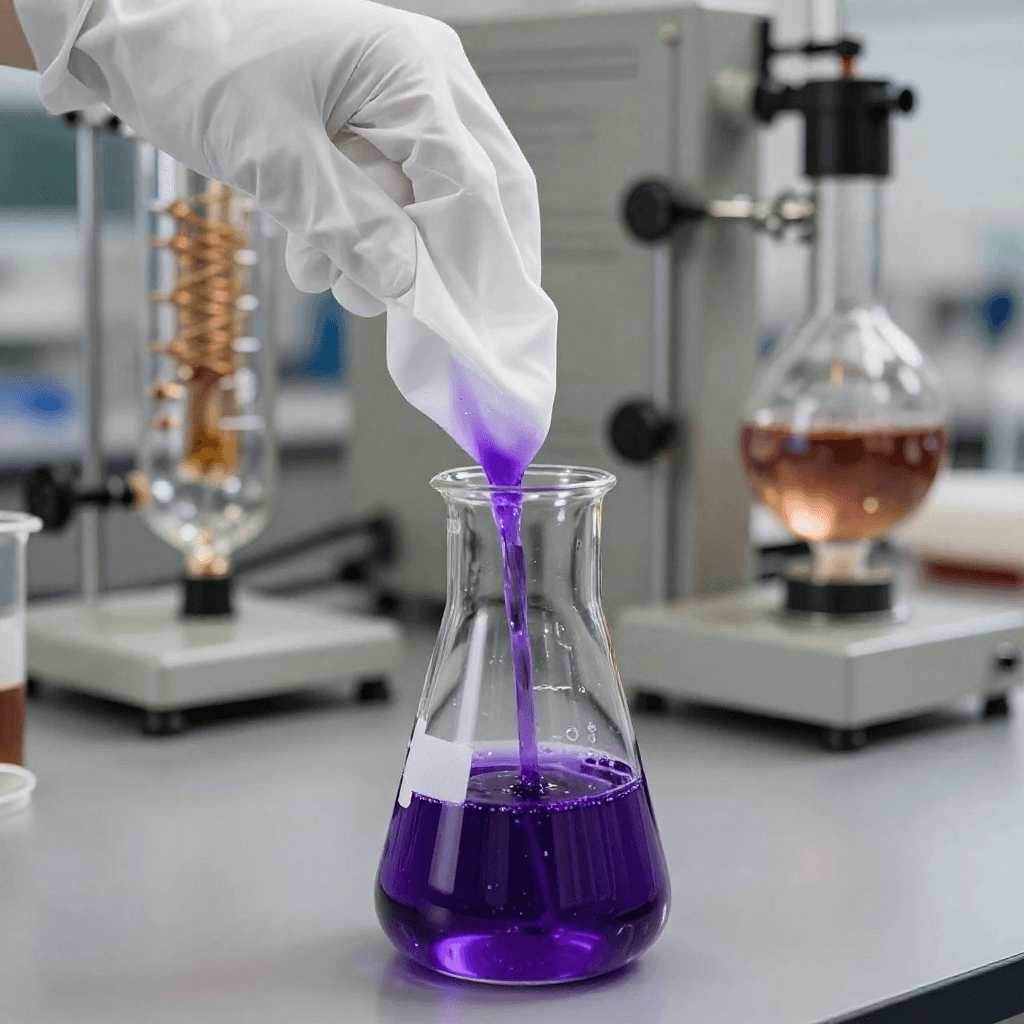
Perkin's Mauveine — The First Synthetic Aniline Dye from Coal Tar
بواسطة Tex
نسيج وجلد
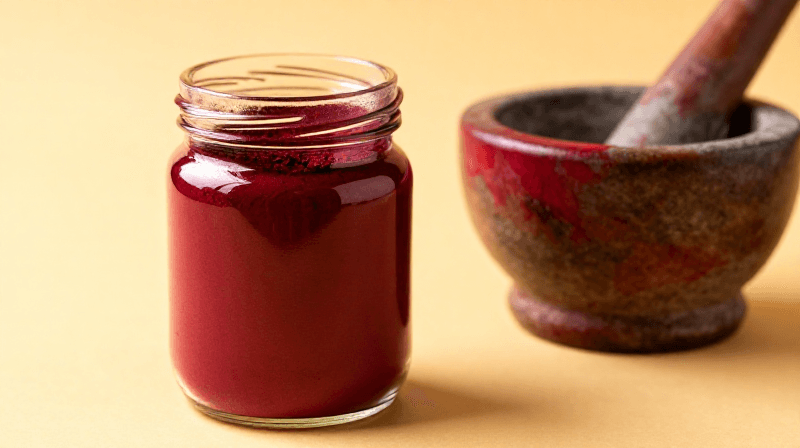
Making Synthetic Alizarin Crimson — The Coal Tar Pigment That Destroyed the Madder Industry
بواسطة Charlie
فنون
CC0 ملكية عامة
هذا المخطط مُصدر بموجب CC0. يحق لك نسخه وتعديله وتوزيعه واستخدامه لأي غرض، دون طلب إذن.
ادعم الصانع بشراء منتجات عبر مخططه حيث يكسب عمولة الصانع يحددها البائعون، أو أنشئ نسخة جديدة من هذا المخطط وضمّنه كرابط في مخططك لمشاركة الإيرادات.