التعاون
فنون
الجمال والعناية
حِرَف
الثقافة والتاريخ
ترفيه
البيئة
الطعام والمشروبات
الهندسة العكسية
العلوم
رياضة
التقنية
الأجهزة القابلة للارتداء
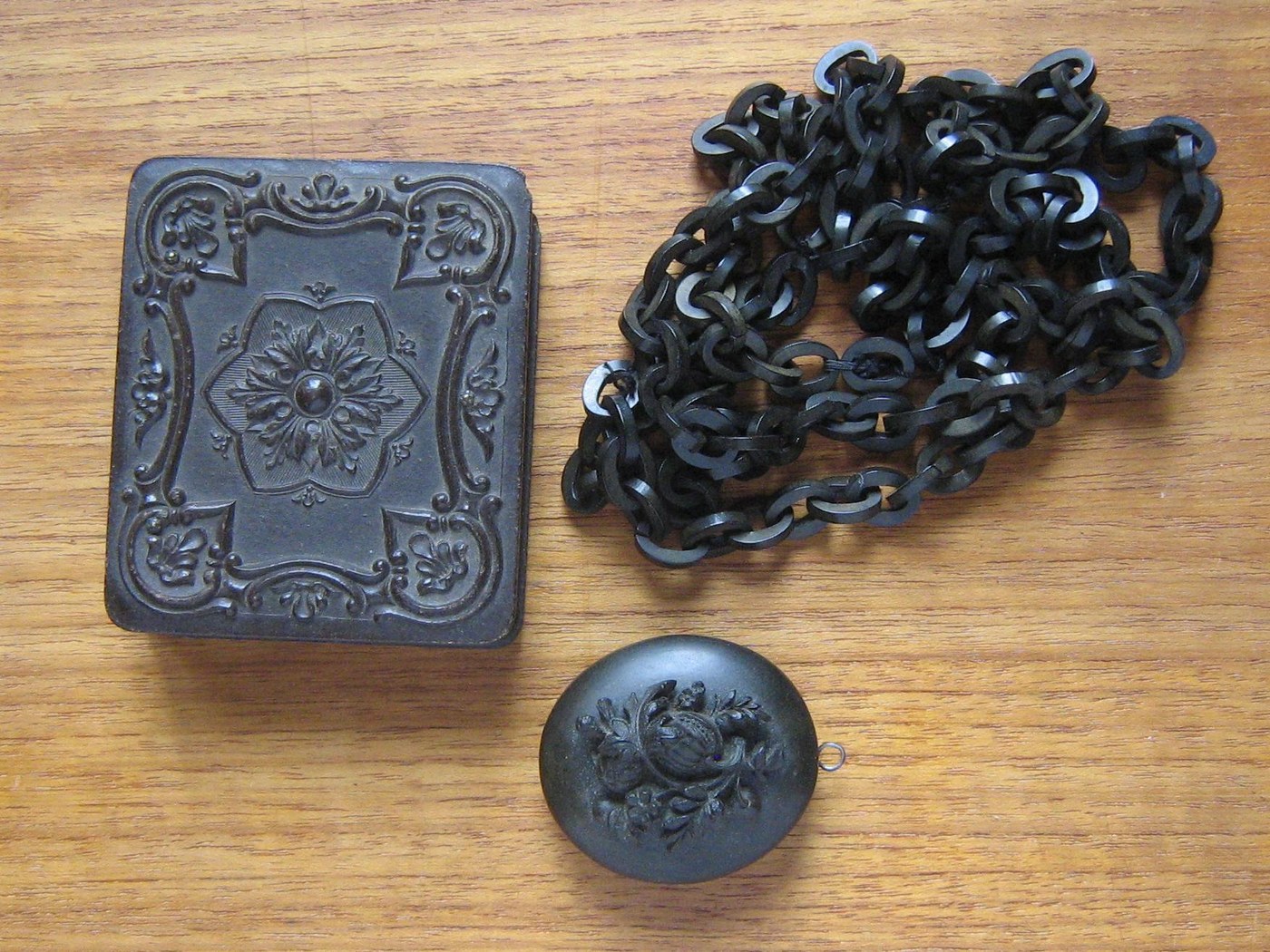

Ebonite Rod: Rubber and an Equal Weight of Sulphur, Cured Hours in the Heat, Goodyear 1851
Ebonite is rubber with a great deal of sulphur. Nelson Goodyear's patent (1851) uses about equal weights of the two, far more than for soft rubber, moulded and then cured at 260–275 °F for three to six hours or longer. It comes out hard and stiff.
The picture: ebonite objects (photo by FBQ, Wikimedia Commons, CC BY-SA 3.0).
متوسط
1 day
التعليمات
1
1
Weigh equal parts
Weigh equal parts
Weigh the rubber and the sulphur, about equal parts by weight. Much less sulphur will not make it hard.
المواد لهذه الخطوة:
 لوح مطاط مدخَّن500 غ
 مسحوق الكبريت500 غ
الأدوات المطلوبة:
 ميزان ذو كفّتين
2
2
Work the sulphur in
Work the sulphur in
Mix the sulphur into the rubber the usual way rubber is compounded: on the rubber mill, until the sulphur is spread evenly through.
الأدوات المطلوبة:
 خلّاط مطاط ثنائي الأسطوانات
3
3
Mould the rod
Mould the rod
Press the compound firmly into a tube to shape it as a rod.
الأدوات المطلوبة:
 أنبوب فولاذي 12 مم
4
4
Cure it
Cure it
Heat it to 260–275 °F (about 127–135 °C) and hold it there three to six hours, or longer. Let it cool and push out the hard rod.
الأدوات المطلوبة:
 فرن
 ميزان حرارة
المواد
2- 500 غعنصر نائب
- 500 غعنصر نائب
الأدوات المطلوبة
5- عنصر نائب
- عنصر نائب
- عنصر نائب
- عنصر نائب
- عنصر نائب
هذا المخطط يصنع
CC0 ملكية عامة
هذا المخطط مُصدر بموجب CC0. يحق لك نسخه وتعديله وتوزيعه واستخدامه لأي غرض، دون طلب إذن.
ادعم الصانع بشراء منتجات عبر مخططه حيث يكسب عمولة الصانع يحددها البائعون، أو أنشئ نسخة جديدة من هذا المخطط وضمّنه كرابط في مخططك لمشاركة الإيرادات.