

Echo Sounding and Sonar
التعليمات
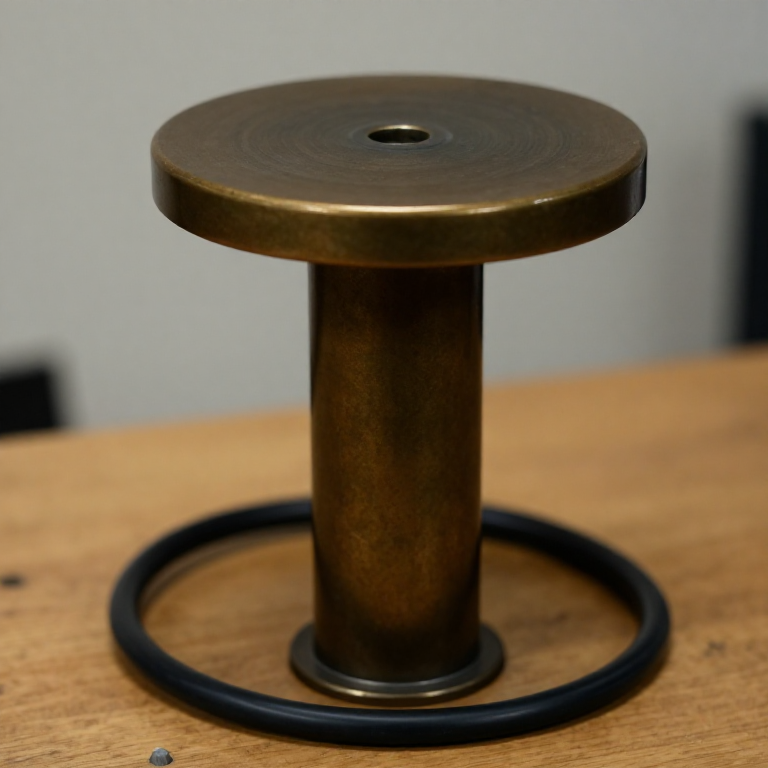
Measure the speed of sound in water yourself
Measure the speed of sound in water yourself
Establish the number the whole instrument depends on, in a tank.
- Put two hydrophones — or two waterproofed piezo elements — a measured distance apart in a long tank or a still pool.
- Make a sharp click at one end and record both channels simultaneously on an oscilloscope.
- Measure the delay between the two arrivals and divide the separation by it.
- Repeat with the water warmed by several degrees.
You should land near 1480 m/s in fresh water at room temperature — about 4.4 times the speed in air — and it will measurably INCREASE as the water warms. Roughly 4 m/s per degree, which sounds small until you remember it is multiplied by every range you compute.
Do the comparison honestly: sound in air is around 343 m/s and attenuates quickly; in seawater it travels for kilometres. That single contrast is why the sea is navigated acoustically and the sky is navigated electromagnetically, and why the two instruments look similar and behave completely differently.المواد لهذه الخطوة:
 عنصر محوّل كهرضغطي2 قطع
 خرطوم فينيل شفاف1 m
 مادة إحكام سيليكونية1 tube
الأدوات المطلوبة:
 راسم إشارة
 شريط قياس
 ميزان حرارة بالأشعة تحت الحمراء
 محطة لحام
The ping-listen cycle
The ping-listen cycle
Trace both. Active sonar gives you range immediately and tells the target exactly where you are — the ping is heard much further away than its own echo returns, so the hunted hears the hunter first.
Passive sonar is silent and gives bearing only. Converting bearings into a range requires the listener to manoeuvre and watch how the bearing changes over time — target motion analysis — which takes minutes and careful geometry.
Note the blind period after transmit. The transducer is a mechanical resonator and it keeps ringing after the drive stops, deafening the receiver — the acoustic version of the radar TR cell recovery time, and it sets the same minimum range.
This is why submarines run passive by default and go active only when they have already decided to attack or have been detected anyway. The instrument that answers the question fastest is also the one that gives you away.Flow
الأدوات المطلوبة:
 حاسوب مكتبي
Compute range, resolution and the ray bending
Compute range, resolution and the ray bending
الأدوات المطلوبة:
حاسوب مكتبيBuild a working echo sounder
Build a working echo sounder
Upload this and test in air first with SOUND_SPEED = 343.0 against a wall at a measured distance — if the reported range is wrong by a constant factor, your sound speed is wrong; if it is wrong by a constant offset, your blanking window is.
Then set 1500 m/s and test in water. The same code, the same arithmetic, a different constant — which is precisely the point the first step made.
The median-of-three is deliberate: a single ping can catch a bubble or a fish and report nonsense, and a median discards one outlier without the lag of a long average.
المواد لهذه الخطوة:
عنصر محوّل كهرضغطي2 قطع لوحة متحكّم دقيق1 قطعة
 تشكيلة ترانزستورات1 طقم
 طقم مقاومات1 طقم
 طقم مكثّفات1 طقم
الأدوات المطلوبة:
 حاسوب عليه بيئة Arduino IDEراسم إشارةمحطة لحام
 مقياس متعدد رقمي بدرجة مختبريةشريط قياس
Read the bottom, and read what is under it
Read the bottom, and read what is under it
An echo sounder does not only find the seabed. It finds what the seabed is made of, and sometimes what is beneath it.
- Sound over mud, then over sand, then over rock, recording the returned envelope each time.
- Compare the amplitude and the SHAPE of each return.
- Look for a second, later echo after the first.
A hard bottom returns a sharp, strong echo; soft mud returns a weak, smeared one — because much of the sound enters the sediment instead of reflecting. That difference is enough to classify the seabed acoustically, which is how fishing grounds and cable routes are surveyed.
The second echo is the sound that went INTO the sediment, bounced off a harder layer below, and came back. Lower the frequency deliberately and that sub-bottom return strengthens — which is sub-bottom profiling, and it maps buried structure without digging.
The same instrument at three frequencies answers three different questions: high for fine detail of the bottom surface, medium for depth, low for what lies beneath it. This is the frequency-against-range trade from the notebook, used deliberately rather than merely suffered.المواد لهذه الخطوة:
عنصر محوّل كهرضغطي1 قطعةالأدوات المطلوبة:
راسم إشارة محلّل طيف / برنامج FFTمقياس متعدد رقمي بدرجة مختبرية
المواد
7- 5 قطععنصر نائب
- عنصر نائب
- 1 tubeعنصر نائب
- 1 قطعةعنصر نائب
- 1 طقمعنصر نائب
- عنصر نائب
- 1 طقمعنصر نائب
الأدوات المطلوبة
8- عنصر نائب
- 1 vendor sell this, none ship to you yetعنصر نائب
- عنصر نائب
- عنصر نائب
- عنصر نائب
- عنصر نائب
- عنصر نائب
- عنصر نائب
المخططات ذات الصلة
هذه المخططات تشارك المعرفة مع هذا — التقنيات والمواد والمبادئ

CC0 ملكية عامة
هذا المخطط مُصدر بموجب CC0. يحق لك نسخه وتعديله وتوزيعه واستخدامه لأي غرض، دون طلب إذن.
ادعم الصانع بشراء منتجات عبر مخططه حيث يكسب عمولة الصانع يحددها البائعون، أو أنشئ نسخة جديدة من هذا المخطط وضمّنه كرابط في مخططك لمشاركة الإيرادات.