
Flex Sensor Glove — Control 5 Servo Motors with Hand Gestures
التعليمات
Parts & Introduction
Parts & Introduction
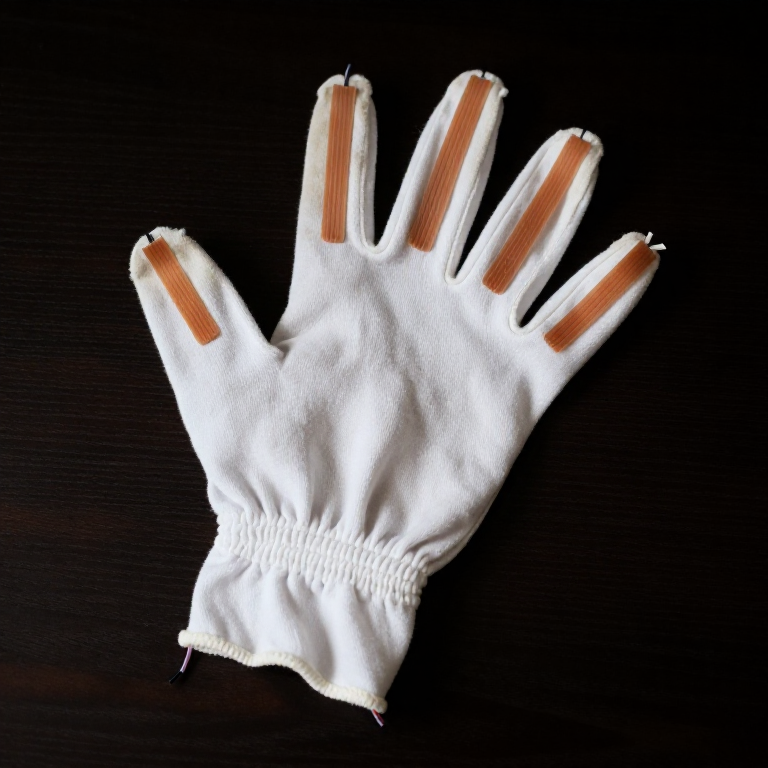
This project extends the SIK Circuit 9 (flex sensor + servo) concept to five fingers. Instead of holding a flex sensor in your hand, you'll glue one onto each finger of a cloth glove, creating a wearable gesture controller that drives five independent servo motors.
Parts Needed (from the SparkFun Inventor's Kit + extras)
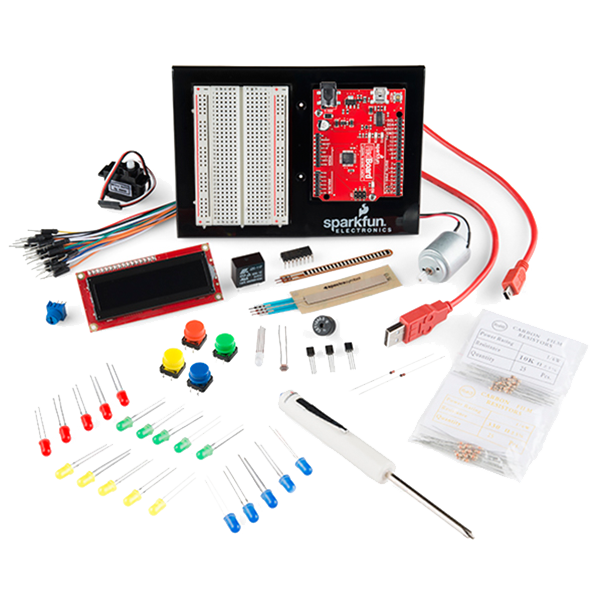
- 1x SparkFun RedBoard (Arduino Uno compatible) + USB cable
- 1x Solderless Breadboard
- 5x Flex Sensors (2.2 inch) — kit includes 1, you need 4 more
- 5x SG90 Micro Servo Motors
- 5x 10KΩ Resistors (for voltage dividers)
- ~30x Jumper Wires (M-M and M-F mix)
- 1x Cloth or cotton glove (tight-fitting)
- Super glue (cyanoacrylate)
Concept: Each flex sensor forms a voltage divider with a 10K resistor. Bending a finger changes the sensor's resistance (flat ≈ 10KΩ, bent ≈ 30KΩ), which shifts the voltage at the analog pin. The Arduino reads all 5 analog inputs and maps each to a servo angle (0°–180°).
المواد لهذه الخطوة:
 مجموعة SparkFun للمخترعين - V3.21 طقم
 مستشعر انحناء ٥٦ مم4 قطع
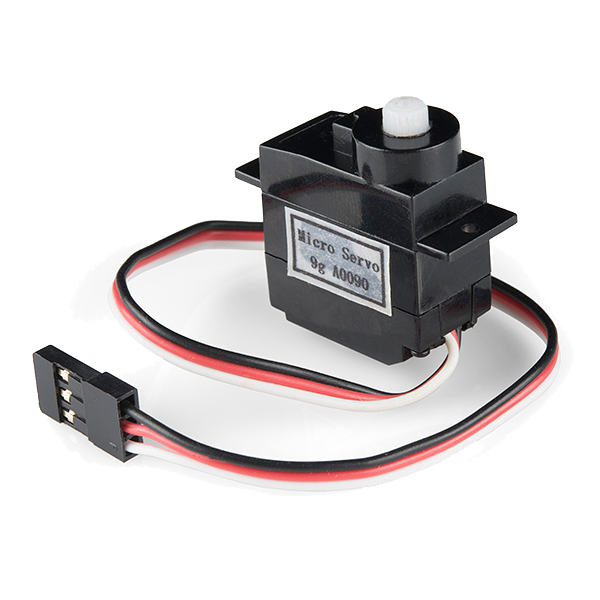 SG90 Micro Servo Motor (5-Pack)1 عبوة
 مقاومة 10 كيلوأوم1 عبوة
 سلك توصيل (ذكر-ذكر)1 طقم
 غراء فائق1 زجاجة
 قفاز قماشي (قطن)1 قطعة
الأدوات المطلوبة:
 حاسوب عليه بيئة Arduino IDE
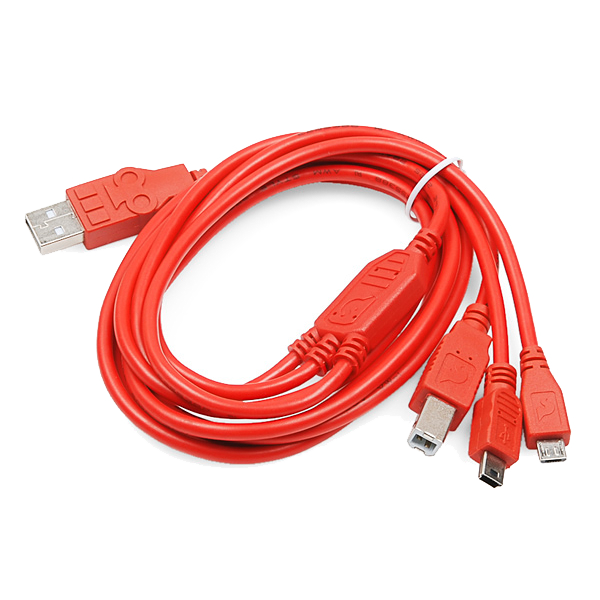 USB Cable (Type A to B)
Prepare the Glove
Prepare the Glove
Use a tight-fitting cotton or jersey glove — it needs to follow your finger movements precisely.
Attaching the Flex Sensors
- Put the glove on your hand and mark the center line of each finger (top side, from knuckle to fingertip).
- Remove the glove and lay it flat.
- Apply a thin line of super glue along each finger's center line.
- Press a flex sensor onto each finger, component side (striped side) facing outward. The sensor should sit along the top of each finger so it bends when you curl your fingers.
- Let the glue cure for 5 minutes. The sensor leads should extend past the wrist area of the glove.
Tip: Leave 2-3 cm of sensor lead free at the base (near the wrist) — you'll attach jumper wires here.
المواد لهذه الخطوة:
مستشعر انحناء ٥٦ مم4 قطعسلك توصيل (ذكر-ذكر)1 طقمغراء فائق1 زجاجةقفاز قماشي (قطن)1 قطعةWire the Voltage Dividers
Wire the Voltage Dividers
Breadboard Layout — 5 Voltage Dividers
Each flex sensor needs a voltage divider circuit. Repeat this for all 5 fingers:
- Connect one lead of the flex sensor to the 5V rail on the breadboard.
- Connect the other lead to a row on the breadboard — this is the signal node.
- From that same signal node, connect a 10KΩ resistor to GND.
- From that same signal node, run a jumper wire to an Arduino analog pin.
Pin Assignments
| Finger | Analog Pin | Servo Pin |
|---|---|---|
| Thumb | A0 | D3 |
| Index | A1 | D5 |
| Middle | A2 | D6 |
| Ring | A3 | D9 |
| Pinky | A4 | D10 |
Important: Use the PWM-capable digital pins (marked with ~) for the servos. Pins 3, 5, 6, 9, 10 are all PWM on the Arduino Uno.
المواد لهذه الخطوة:
مجموعة SparkFun للمخترعين - V3.21 طقممستشعر انحناء ٥٦ مم4 قطعSG90 Micro Servo Motor (5-Pack)1 عبوةمقاومة 10 كيلوأوم1 عبوةسلك توصيل (ذكر-ذكر)1 طقمغراء فائق1 زجاجةقفاز قماشي (قطن)1 قطعةWire the Servo Motors
Wire the Servo Motors
Servo Connections
Each SG90 servo has 3 wires:
- Red → 5V rail (shared power)
- Brown/Black → GND rail (shared ground)
- Orange/White → Digital PWM pin (see table in Step 3)
Arrange all 5 servos in a row next to the breadboard. You can tape or hot-glue them to a piece of cardboard to keep them stable.
Power Considerations
5 servos drawing current simultaneously can overload the Arduino's USB power. If you notice erratic servo behavior:
- Use an external 5V power supply (e.g., a phone charger with stripped USB cable) connected to the breadboard's power rail
- Connect the external supply's GND to the Arduino's GND (common ground)
- Keep the Arduino powered via USB for programming and serial communication
المواد لهذه الخطوة:
مجموعة SparkFun للمخترعين - V3.21 طقممستشعر انحناء ٥٦ مم4 قطعSG90 Micro Servo Motor (5-Pack)1 عبوةمقاومة 10 كيلوأوم1 عبوةسلك توصيل (ذكر-ذكر)1 طقمغراء فائق1 زجاجةقفاز قماشي (قطن)1 قطعةUpload the Arduino Code
Upload the Arduino Code
Open the Arduino IDE, paste the code below, and upload it to your board.
الأدوات المطلوبة:
حاسوب عليه بيئة Arduino IDECalibrate & Test
Calibrate & Test
Initial Calibration
- Upload the code and open Serial Monitor (9600 baud).
- With the glove on, hold your hand flat and open. Note the analog values for each finger (F0–F4). These are your
FLEX_FLATvalues. - Make a tight fist. Note the new values. These are your
FLEX_BENTvalues. - Update the constants in the code and re-upload.
Each finger may have slightly different ranges — for precision, you can use per-finger calibration arrays instead of shared constants.
What You Should See
Each servo responds independently to its corresponding finger. Open your hand → servos at 0°. Close your fist → servos at 180°. Individual finger movements control individual servos.
Troubleshooting
- Servo jitters: Add a small capacitor (100µF) across the servo power rails, or use external power.
- Sensor reads don't change: Check the voltage divider — the 10K resistor must go to GND, not 5V.
- Wrong finger maps to wrong servo: Verify your pin assignments match the table in Step 3.
- Servos move erratically: USB power may be insufficient for 5 servos. Use an external 5V supply.
Ideas for Next Steps
- Build a robotic hand where each servo pulls a tendon (string) connected to a 3D-printed finger.
- Add an LCD display showing each finger's angle in real-time.
- Use the glove to control a robot arm over Bluetooth or WiFi.
- Map finger gestures to keyboard shortcuts for accessibility input.
المواد
7- مجموعة SparkFun للمخترعين - V3.2عمولة 10%1 طقم$105.50
- 4 قطععنصر نائب
- Servo - Generic (Sub-Micro Size)عمولة 10%1 عبوة$8.28
- عنصر نائب
- عنصر نائب
- 1 زجاجةعنصر نائب
- 1 قطعةعنصر نائب
الأدوات المطلوبة
3- عنصر نائب
- $5.66
- USB Cable (Type A to B)
CC0 ملكية عامة
هذا المخطط مُصدر بموجب CC0. يحق لك نسخه وتعديله وتوزيعه واستخدامه لأي غرض، دون طلب إذن.
ادعم الصانع بشراء منتجات عبر مخططه حيث يكسب عمولة الصانع يحددها البائعون، أو أنشئ نسخة جديدة من هذا المخطط وضمّنه كرابط في مخططك لمشاركة الإيرادات.