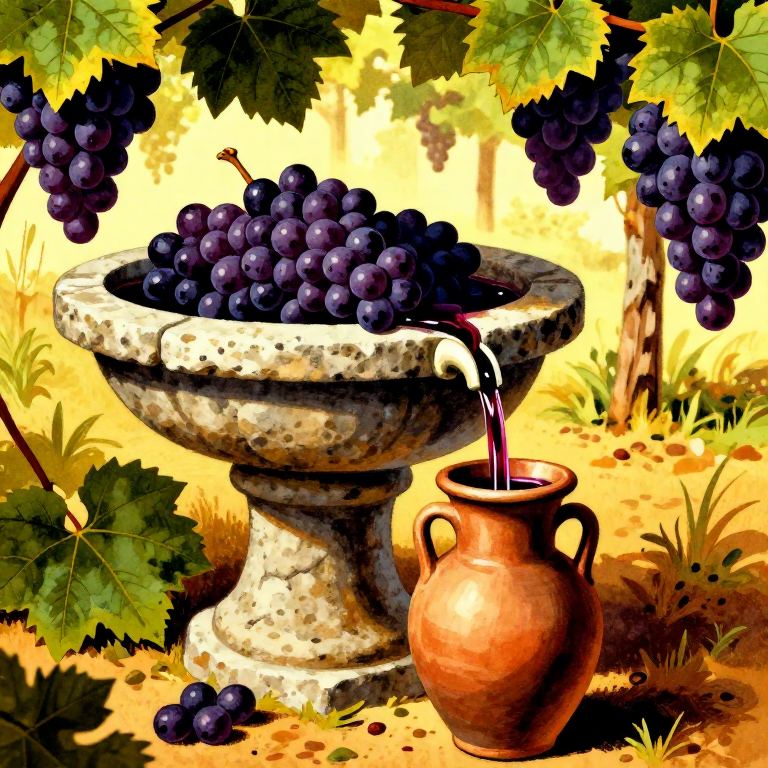


Greek Wine Making — Treading and Fermenting Grape Must
التعليمات
Harvest and Sort the Grapes
Harvest and Sort the Grapes
Select fully ripe wine grapes — they should be deeply colored (for red wine), sweet to taste, and slightly soft. Greek wine was produced from numerous indigenous grape varieties, with major growing regions on islands such as Chios, Lesbos, Thasos, and Rhodes, as well as mainland regions. Sort the grapes, removing any moldy, unripe, or damaged clusters, as well as leaves and stems. The quality of the finished wine depends heavily on the quality of the starting fruit — Greek wine connoisseurs recognized that different island and regional terroirs produced distinctively different wines, an early form of appellation consciousness.
المواد لهذه الخطوة:
 عنب10-15 kg قطعة
Tread the Grapes to Extract Juice
Tread the Grapes to Extract Juice
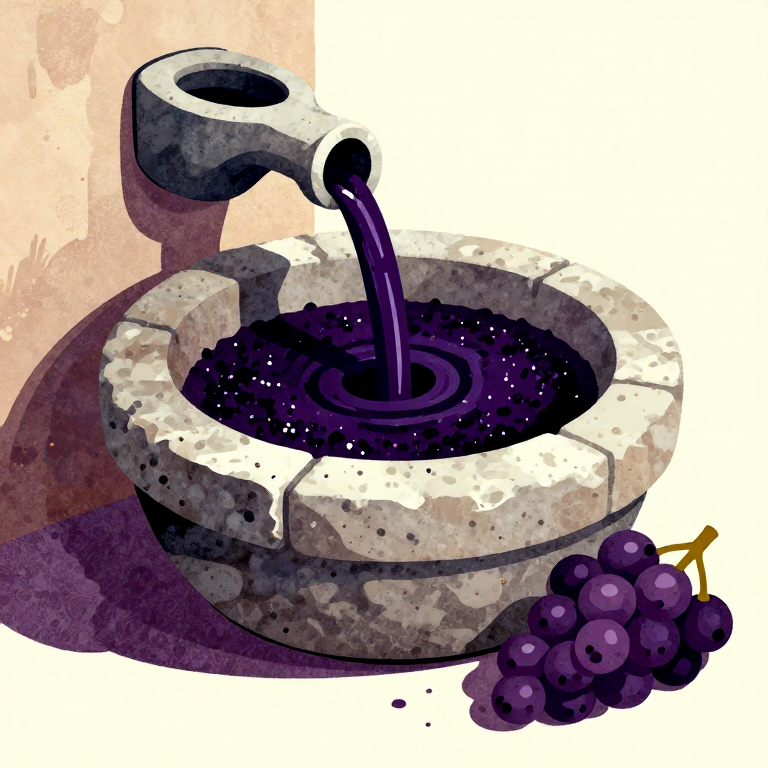
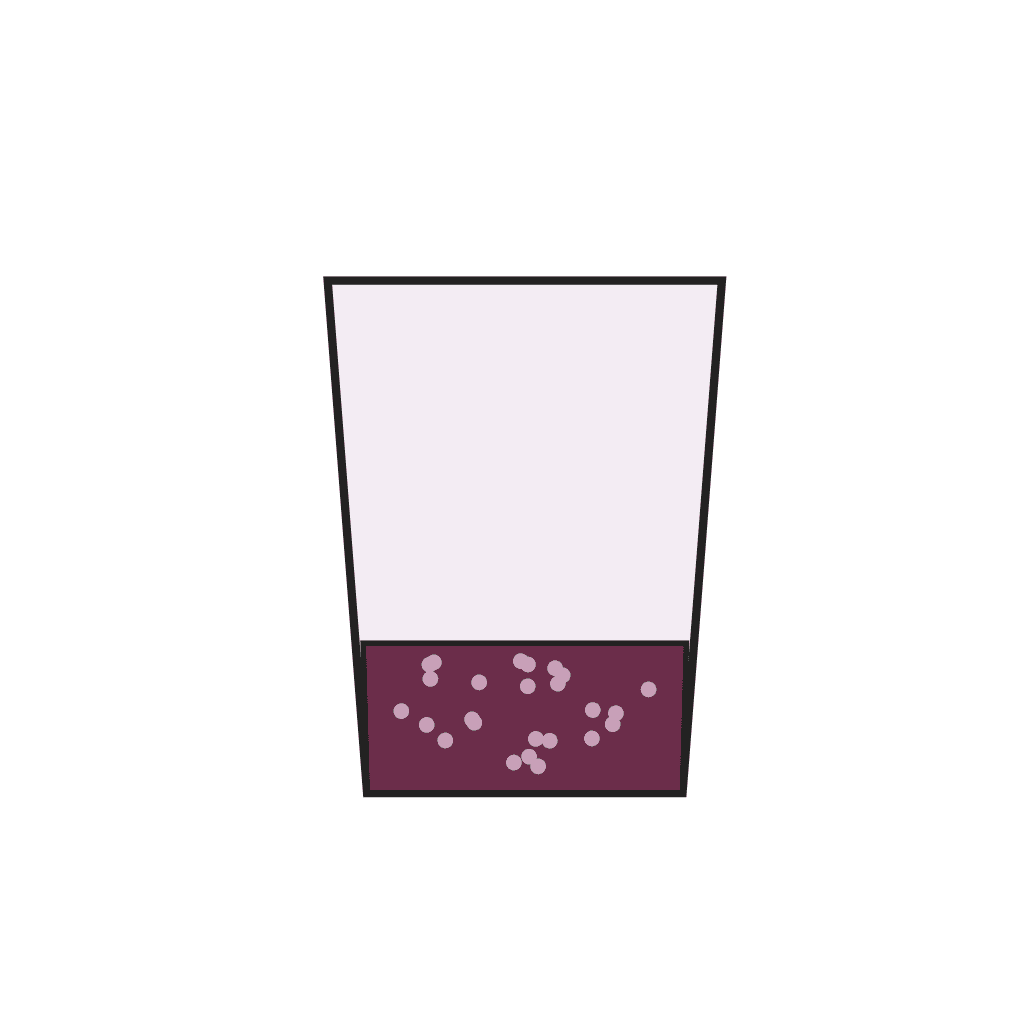
Place the sorted grapes in a clean stone or wooden treading basin (lenos) with a drainage spout at one edge. Crush the grapes by treading with clean bare feet — this gentle pressure ruptures the grape skins and releases the juice (must) without crushing the seeds, which would release bitter tannins. The purple must flows through the spout and is collected in a vessel below. After foot treading, the remaining grape skins and pulp (pomace) can be pressed in a lever or beam press to extract additional juice, though this press wine was considered lower quality. The free-run juice from treading alone produces the finest wine. Grape treading was a festive communal activity in ancient Greece, accompanied by music and associated with Dionysian celebration.
الأدوات المطلوبة:
 طين
طين قماش (للتصفية)
Begin Fermentation in Clay Vessels
Begin Fermentation in Clay Vessels
Pour the collected must into clean clay pithoi (large storage jars) or other fermentation vessels. Wild yeasts present on the grape skins will initiate fermentation naturally within 24-48 hours — visible as vigorous bubbling as the yeast converts grape sugars into alcohol and carbon dioxide. Greek winemakers sometimes added small amounts of pine resin to the fermenting must, producing retsina — a resinous wine still made in Greece today. The resin may have originated as a sealant for porous clay vessels but became a deliberate flavoring. Cover the vessel loosely to allow carbon dioxide to escape while keeping out insects. Primary fermentation is vigorous and lasts 5-10 days.
المواد لهذه الخطوة:
 راتنج الصنوبر5-10 g قطعة
الأدوات المطلوبة:
طينقماش (للتصفية) طقم ملاعق خشبية
Rack and Age the Wine
Rack and Age the Wine
After primary fermentation subsides (bubbling slows significantly), carefully pour or siphon the young wine off the sediment (lees) into a clean vessel, leaving the dead yeast and grape solids behind. This process, called racking, clarifies the wine and removes potential sources of off-flavors. Seal the vessel more tightly for secondary fermentation and aging. Greek wines were aged for varying periods — ordinary table wine was consumed within the year, while premium wines from Thasos, Chios, or Lesbos were aged for years in sealed amphorae, often coated internally with pine pitch to reduce oxygen permeation. The Greeks recognized that good wine improved with age, a principle recorded by multiple ancient authors.
الأدوات المطلوبة:
طين سيفون ذاتي التشغيل
Serve the Wine Greek Style
Serve the Wine Greek Style
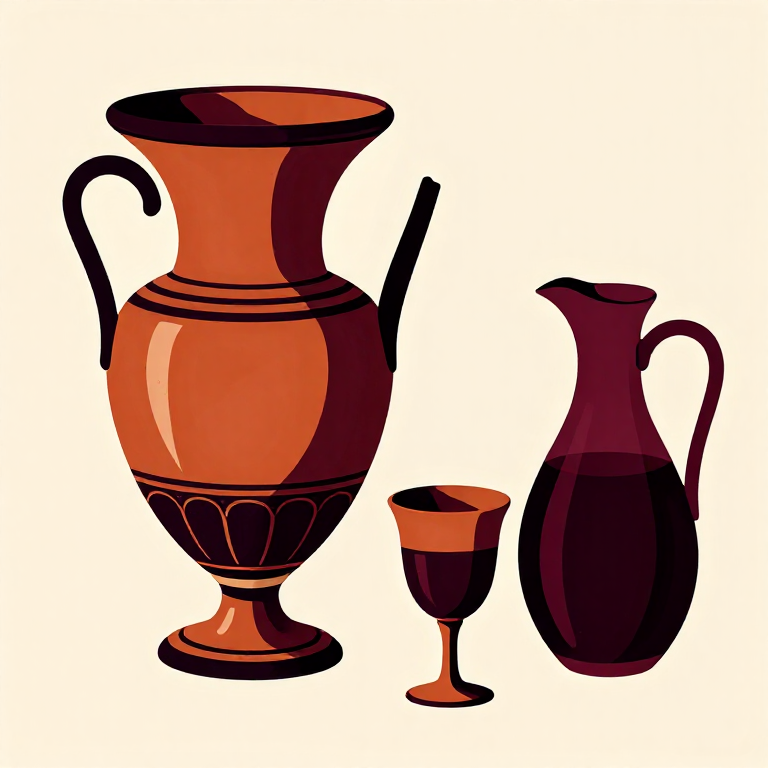
Greek wine was almost never drunk undiluted (akratos) — this was considered barbaric. Standard practice was to mix wine with water in a large communal bowl called a krater at ratios ranging from 1:3 (strong) to 1:5 (mild). The symposiarch (drinking master) determined the mixing ratio based on the occasion. Pour the diluted wine from the krater into individual drinking cups (kylikes). Greek wines were considerably stronger than modern wines, possibly reaching 15-16% ABV due to the warm climate and high sugar content of Mediterranean grapes, which is why dilution was standard practice. Wine was also flavored with honey, herbs, or seawater in various regional traditions. The symposium (drinking party) was a central institution of Greek social and intellectual life, where philosophy, poetry, and politics were discussed over diluted wine.
المواد لهذه الخطوة:
 ماءfor mixing قطعة
الأدوات المطلوبة:
 قدح للشرب
المواد
5- 10-15 kg قطعةعنصر نائب
- 5-10 g قطعةعنصر نائب
- for mixing قطعةعنصر نائب
- 10-15 kg قطعةعنصر نائب
- 1, capacity 10-15 liters قطعةعنصر نائب
هذا المخطط يصنع
CC0 ملكية عامة
هذا المخطط مُصدر بموجب CC0. يحق لك نسخه وتعديله وتوزيعه واستخدامه لأي غرض، دون طلب إذن.
ادعم الصانع بشراء منتجات عبر مخططه حيث يكسب عمولة الصانع يحددها البائعون، أو أنشئ نسخة جديدة من هذا المخطط وضمّنه كرابط في مخططك لمشاركة الإيرادات.