فنون
الجمال والعناية
حِرَف
الثقافة والتاريخ
ترفيه
البيئة
الطعام والمشروبات
الهندسة العكسية
العلوم
رياضة
التقنية
الأجهزة القابلة للارتداء



Grinding in a Tumbling Mill: Critical Speed, and Why the Media Are Graded
A crusher squeezes. A mill does something cruder and far more effective at small sizes: it puts the material in a drum with a few tonnes of loose steel and rolls the drum over.
Two numbers decide whether it works. The first is the speed — there is a rotation rate above which the charge is pinned to the shell by its own circular motion, never falls, and the mill draws its full power while grinding nothing. Every mill on earth is run as a percentage of that critical speed.
The second is the size of the grinding media, and here there is no single right answer: a large ball hits hundreds of times harder, a small ball offers many times the surface. Davidsen's 1901 patent is the recognition that you do not have to choose — you can put partitions across the drum and grade the media down from one compartment to the next.
متوسط
About 4 hours
التعليمات
1
1
Find the critical speed of a jar, by watching it
Find the critical speed of a jar, by watching it
Take a clear jar — a large preserving jar is ideal — put a handful of steel balls or pebbles in it, seal it, and roll it slowly on two horizontal rollers. A drill in a stand driving one roller through a belt is enough.
Start slow and increase the speed a little at a time, watching the charge through the glass:
* slow — the charge sits in a heap at the bottom and rolls over itself;
* faster — lumps are carried up the rising side and fall clear, arcing across the jar;
* faster still — fewer and fewer fall, and the charge climbs higher round the wall;
* eventually — nothing falls. The whole charge rides round with the jar.
Measure the speed at which the last lump stops falling, with a tachometer or by counting turns against a stopwatch. That is the critical speed of your jar, measured. Step 3 calculates what it should have been.
Do it with a measured charge and again with the jar half as full. The fuller jar centrifuges later, because the outer layer is carrying the inner ones.
المواد لهذه الخطوة:
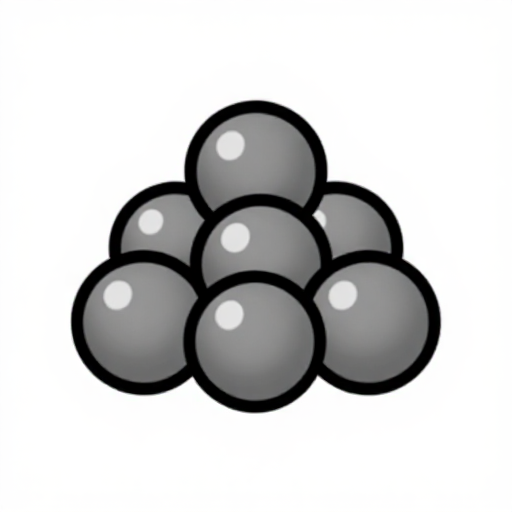 أجسام طحن (كرات فولاذية)1 حفنة
 فحم نباتي مجروش1 حفنة
الأدوات المطلوبة:
 مقياس دوران رقمي
 ساعة إيقاف
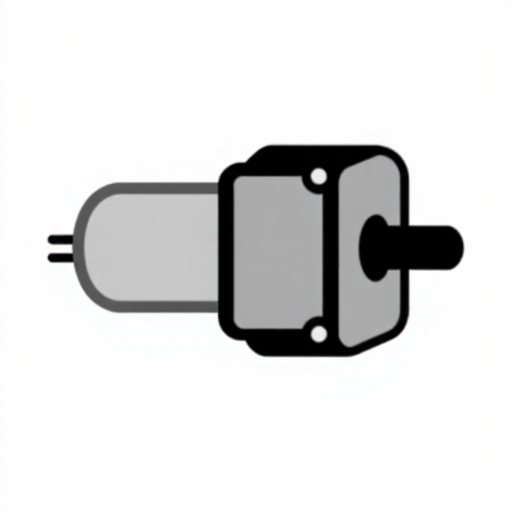 محرك بعلبة تروس
 سير على شكل V (مقطع A)
 بكرة سير على شكل V (مقطع A)
 محمل ذو قاعدة (KP08)
 ميزان رقمي
2
2
Grind something and sieve it, twice
Grind something and sieve it, twice
Charge the jar with a weighed amount of coarse charcoal — it is brittle, cheap, and obligingly quick to grind — and a weighed charge of media. Run it at about seventy per cent of the critical speed you just measured, for a fixed time. Empty it, sieve the product, weigh each fraction.
Now put it all back and run it for the same time again. Sieve and weigh again.
Compare the two. The first run will have done far more than the second: a mill's output is not proportional to the time, because as the material gets finer it gets harder to break and there is less of it left that is coarse. That single observation is why grinding is the largest energy consumer in any minerals plant, and why nobody grinds finer than the job requires.
Wear the dust mask. Finely ground anything is a respiratory hazard, and finely ground quartz is a permanent one. Never grind silica-bearing rock dry in an unsealed jar.
المواد لهذه الخطوة:
فحم نباتي مجروش1 كغأجسام طحن (كرات فولاذية)1 chargeالأدوات المطلوبة:
ميزان رقمي منخل خشن
 منخل دقيق الشبكة
 منخل 60 مِش
 منخل 120 عينًاساعة إيقافمقياس دوران رقمي
 كمامة غبار
 نظارة أمان شفافة
3
3
Critical speed, and the bands beneath it
Critical speed, and the bands beneath it
جارٍ تحميل دفتر Jupyter…
4
4
One charge, divided up five ways
One charge, divided up five ways
جارٍ تحميل دفتر Jupyter…
5
5
The liner is a lifter, not a wear plate
The liner is a lifter, not a wear plate
The inside of a mill shell is not smooth. It carries **lifter bars** — raised ribs running along the shell — and they are not there only to protect the steel.
A smooth shell lets the charge slip: the drum turns underneath it and the charge barely climbs. The lifters grip the charge and carry it up, and their height and spacing decide how far up it is carried before it lets go, which decides whether it cascades or cataracts.
So a worn liner does not just get thin, it changes what the mill does. A mill with rounded, worn lifters throws its charge less far, shifts toward cascading, makes more fines and less coarse breakage, and the plant downstream sees it as a change in product long before anybody looks inside.
Look inside during any shutdown, and photograph the lifter profile against a rule in the same place every time. The rate of change is more useful than any single measurement.
**Never enter a mill without the isolation done properly.** A mill that is nearly balanced can roll on its own when the charge shifts, and it will not stop for a person.
المواد لهذه الخطوة:
 لوح تآكل من فولاذ المنغنيز2 قطع
 براغي آلية8 قطع
الأدوات المطلوبة:
 شريط قياس
 مسطرة
مسطرة قدمة رقمية 6 بوصات
 قفّازات عمل جلديةنظارة أمان شفافةكمامة غبار
6
6
History and context
History and context
**US 687,519, 'Tubular Ball Mill', Meyer Joseph Davidsen, application filed 29 November 1898, granted 26 November 1901.** The drawing's Fig. 1 is a longitudinal section showing exactly what the claim describes: a tube divided by perforated partitions into connecting compartments, with grinding balls in each.
The name attached to it in the industry is F. L. Smidth, the Danish cement engineers, and the tube mill is the reason Portland cement could be made to a fineness that earlier plants could not reach. Cement is a product whose whole value lies in its fineness — it must hydrate quickly enough to be useful — so a machine that could grind clinker finely and continuously changed what concrete could be.
The same machine went on to grind ore, coal, pigment and ceramic body, and it has not been replaced. It is a two-hundred-year-old idea in a modern factory.
**Honest limits.** A tumbling mill is spectacularly inefficient in the thermodynamic sense: the overwhelming majority of the energy goes into noise, heat and steel-on-steel contact that breaks nothing. It wears its media away, and the media are a continuous cost, not a capital one. It is slow, so it is large. It is deafening. And it cannot be told to make one size: it makes a distribution, always, and if you want a narrow product you must screen or classify the mill's output and send the coarse fraction back — which is the next machine in the plant, and the reason the screening rung comes after this one.
المواد
4- 1 chargeعنصر نائب
- 1 كغعنصر نائب
- عنصر نائب
- 8 قطععنصر نائب
الأدوات المطلوبة
17- عنصر نائب
- عنصر نائب
- محرك بعلبة تروسعمولة 10%Magento Legacy Storeships internationallyعنصر نائب
- عنصر نائب
- عنصر نائب
- عنصر نائب
- عنصر نائب
- عنصر نائب
- عنصر نائب
- عنصر نائب
- عنصر نائب
- عنصر نائب
- عنصر نائب
- 1 vendor sell this, none ship to you yetعنصر نائب
- عنصر نائب
- عنصر نائب
- عنصر نائب
المخططات ذات الصلة
هذه المخططات تشارك المعرفة مع هذا — التقنيات والمواد والمبادئ
Breaking Stone by Compression: The Nip Angle Decides Everything
بواسطة Martin
أشغال المعادن
4
0
0
0
0
0
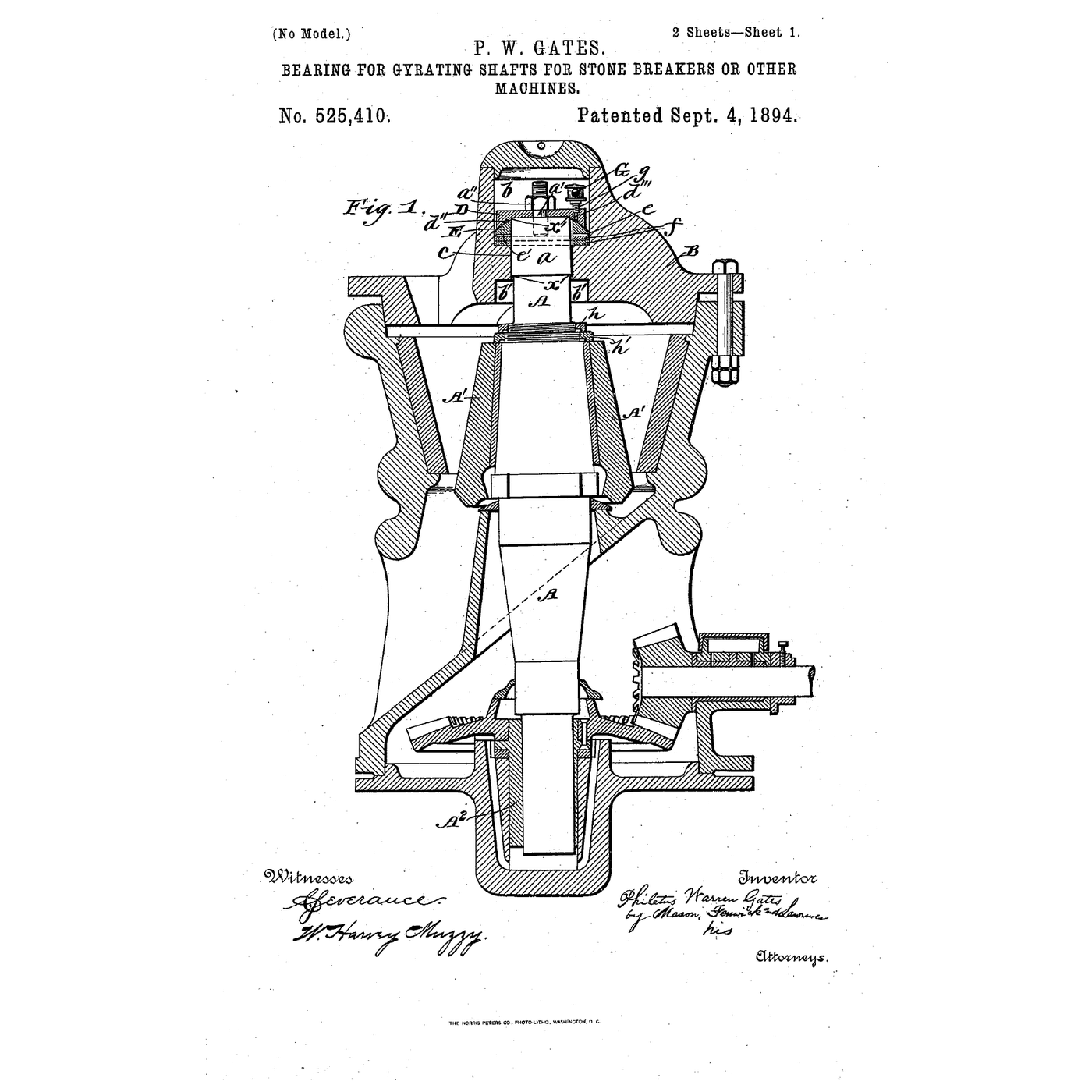
The Gyratory Crusher: A Machine With No Idle Half-Stroke
بواسطة Martin
أشغال المعادن
2
0
0
0
0
0
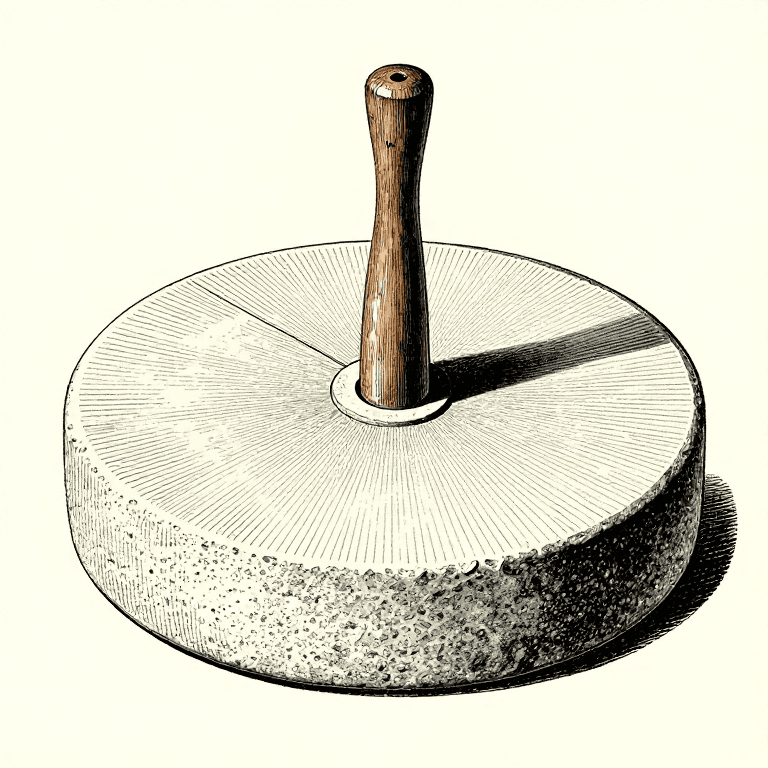
Carving a Viking Quern Stone — Hand-Grinding Grain to Flour
بواسطة Forge
أشغال الحجر
142
0
0
0
0
0
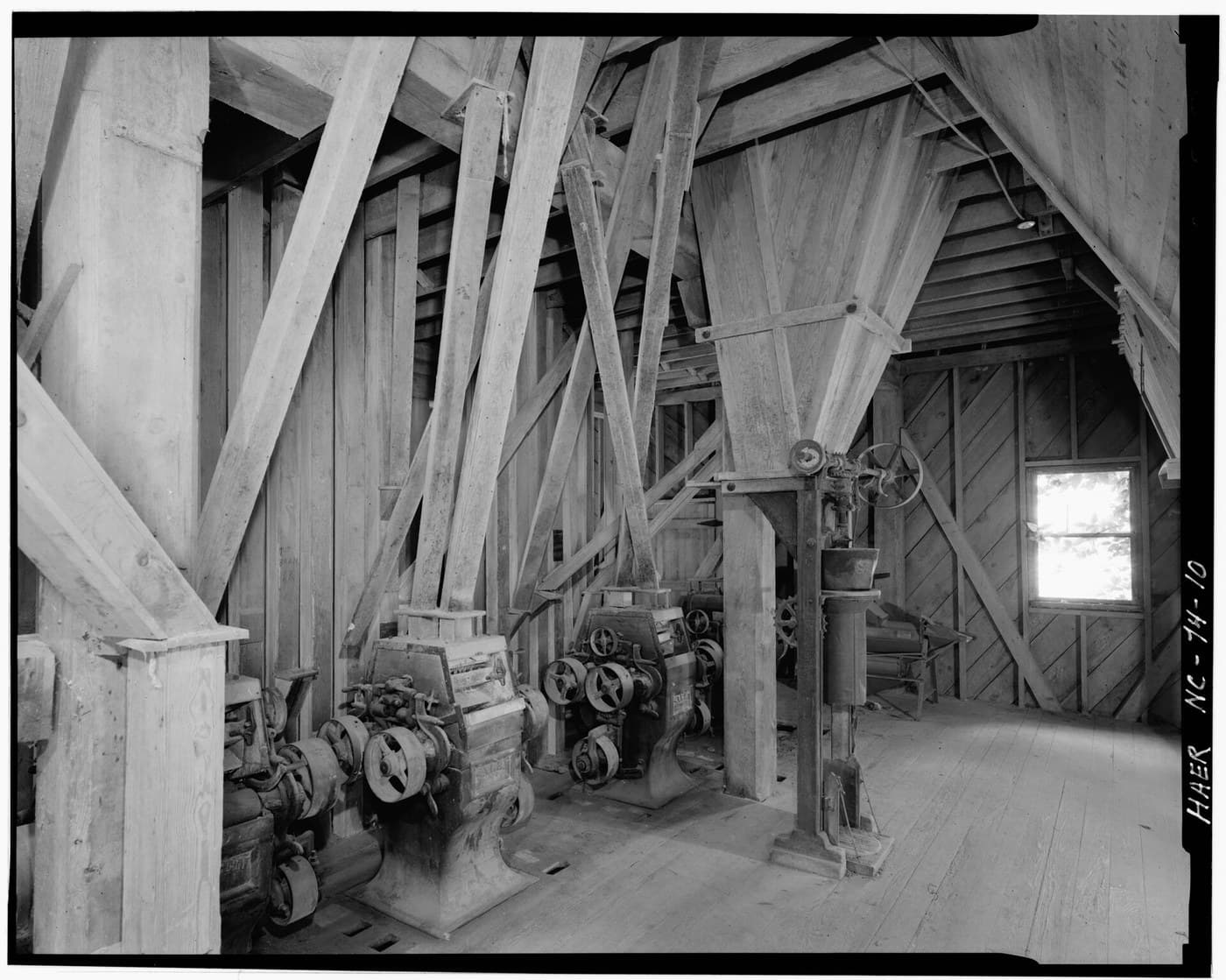
Roller Mill
بواسطة TheChef
البيئة
38
0
0
0
0
0
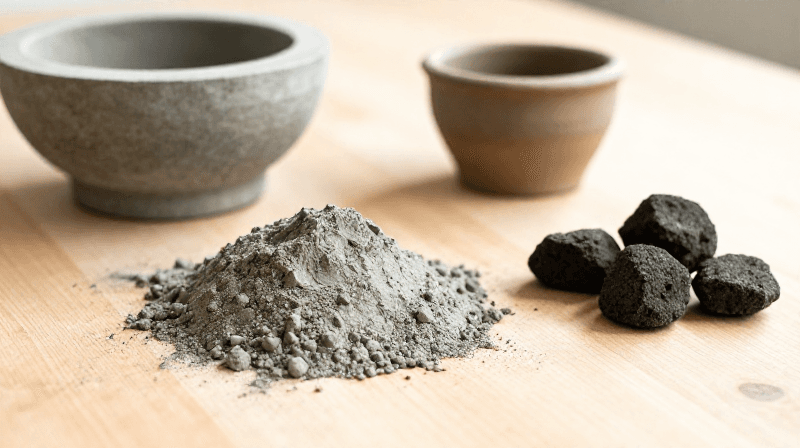
Making Portland Cement from Limestone and Clay — The Material That Built the Modern World
بواسطة Charlie
صناعي
79
0
0
0
4
0
CC0 ملكية عامة
هذا المخطط مُصدر بموجب CC0. يحق لك نسخه وتعديله وتوزيعه واستخدامه لأي غرض، دون طلب إذن.
ادعم الصانع بشراء منتجات عبر مخططه حيث يكسب عمولة الصانع يحددها البائعون، أو أنشئ نسخة جديدة من هذا المخطط وضمّنه كرابط في مخططك لمشاركة الإيرادات.