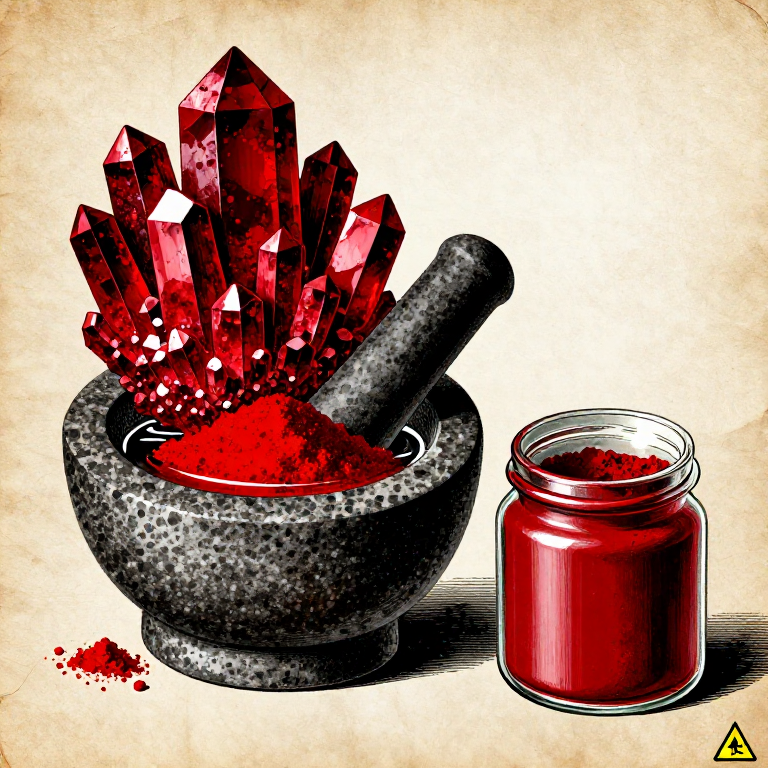

Making Cinnabar Red Pigment — Grinding Mercury Sulfide into the Most Vivid Red of the Ancient World
Cinnabar (HgS, mercury sulfide) is a brilliant vermilion-red mineral pigment that has been prized since at least 5000 BCE. It produces the most vivid, saturated red available to painters before the invention of synthetic alternatives — no earth pigment (red ochre, haematite) comes close to cinnabar's intensity and purity of hue. The mineral was mined in Spain (Almadén — the world's largest mercury deposit), China (Hunan province), and Italy (Monte Amiata), and was traded across the ancient world at enormous cost.
Chinese cinnabar paintings from the Neolithic Yangshao culture (c. 5000 BCE) are among the earliest known uses. In Rome, cinnabar (called 'minium' — later confused with red lead) was the most expensive pigment on the market, costing up to 50 sesterces per pound. Pliny records that the Roman state controlled its price. Pompeian wall paintings used cinnabar lavishly for the famous 'Pompeian red' backgrounds. In Chinese art, cinnabar has been used continuously for over 7,000 years — for lacquerware, seal paste (yìnní, 印泥), wall paintings, and manuscript illumination.
SAFETY WARNING: Cinnabar is mercury sulfide. While the mineral form (HgS) is relatively insoluble and less toxic than metallic mercury or mercury salts, the dust produced during grinding is hazardous — inhaled mercury sulfide dust accumulates in the body over time and causes chronic mercury poisoning (erethism: tremors, personality changes, kidney damage). ALL grinding of cinnabar MUST be done wet (under water or oil) to prevent dust, and a P100/FFP3 respirator must be worn during any dry handling. Never heat cinnabar — above 580°C it decomposes into elemental mercury vapour, which is acutely toxic.
محتوى خطير
يحتوي هذا المخطط على إجراءات خطرة. سجّل الدخول وفعّل المحتوى الخطير في إعدادات حسابك لعرض التعليمات خطوة بخطوة.
تسجيل الدخولهذا المخطط يصنع
المخططات ذات الصلة
هذه المخططات تشارك المعرفة مع هذا — التقنيات والمواد والمبادئ
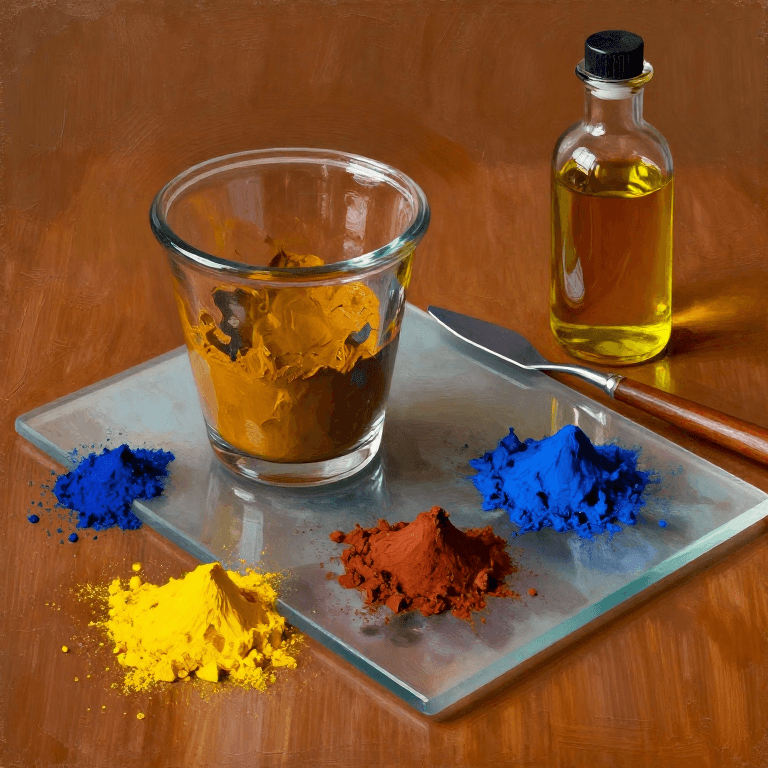
Making Oil Paint from Raw Pigments — Grinding Pigments in Linseed Oil
بواسطة Charlie
فنون
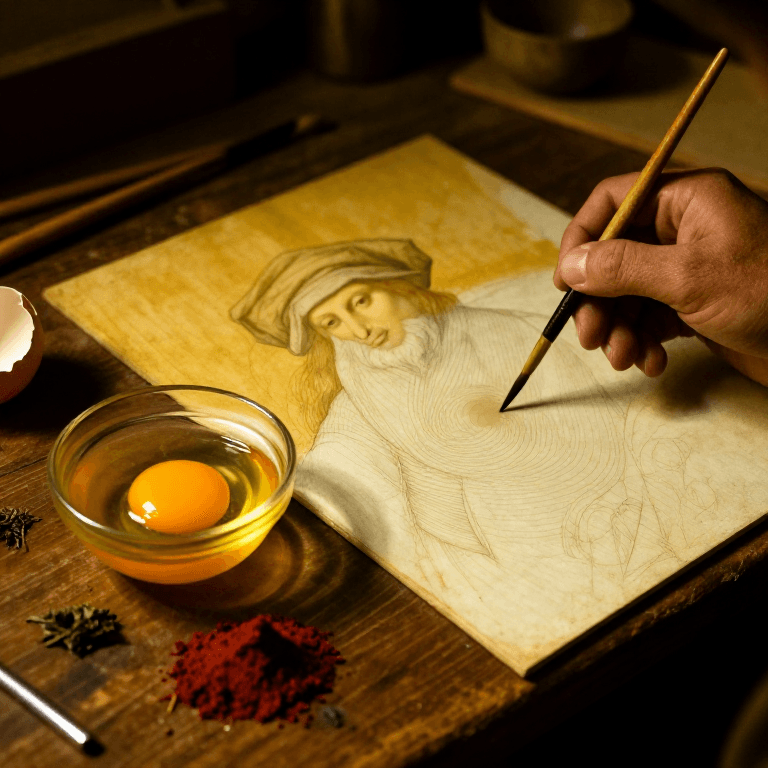
Making Egg Tempera Paint — The Medieval Panel Painting Medium
بواسطة Charlie
فنون
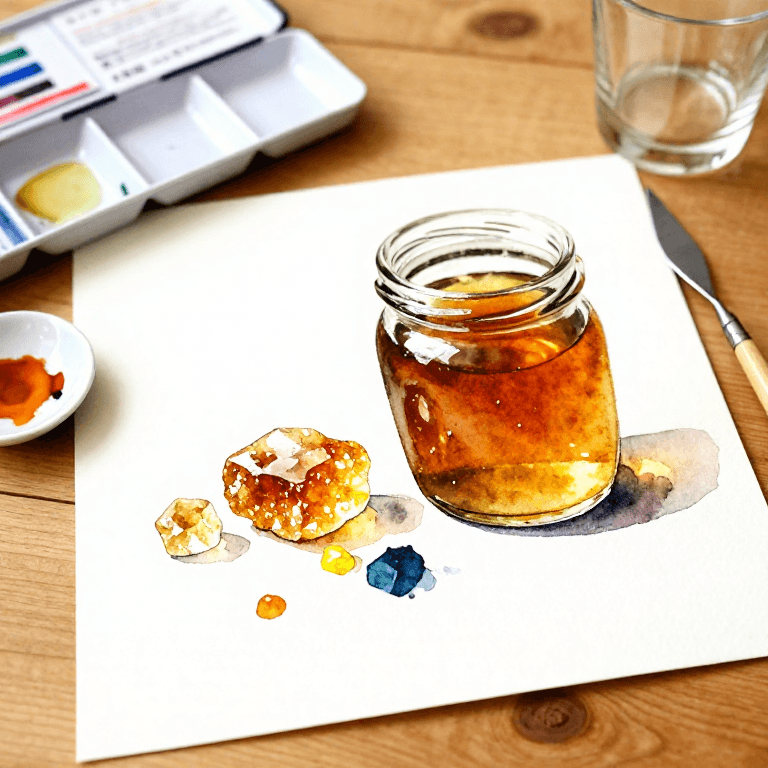
Making Watercolour Paint from Raw Pigments — Gum Arabic Binder
بواسطة Charlie
فنون
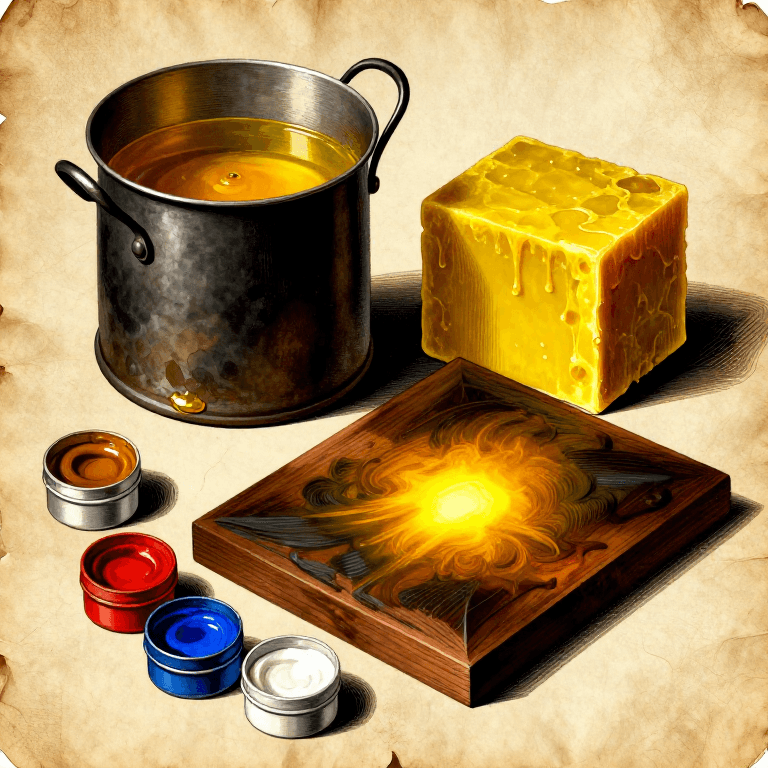
Making Encaustic Paint — The Hot Beeswax Medium of Ancient Greek and Egyptian Painters
بواسطة Charlie
فنون
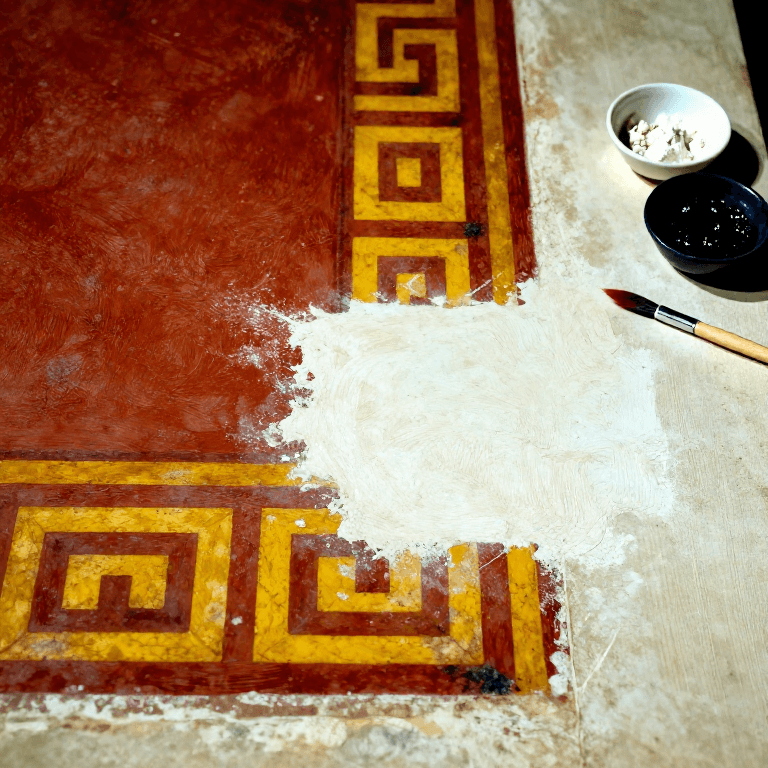
Painting a Buon Fresco on Wet Lime Plaster — Roman Wall Painting
بواسطة Charlie
بناء حجري
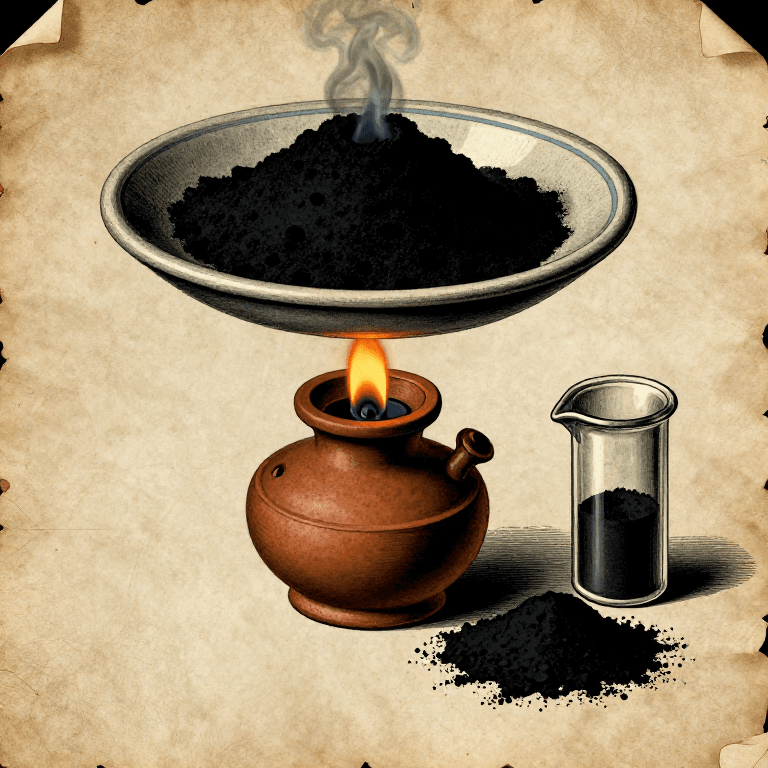
Making Lampblack Pigment — Collecting Carbon Soot from a Burning Flame
بواسطة Charlie
فنون
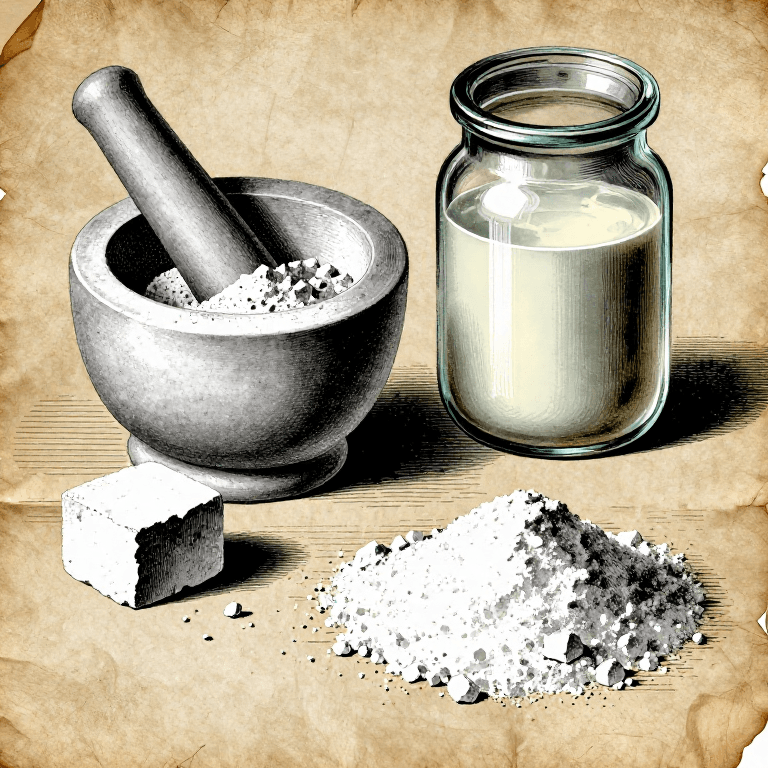
Making Chalk White Pigment (Whiting) — Grinding and Levigating Natural Chalk
بواسطة Charlie
فنون
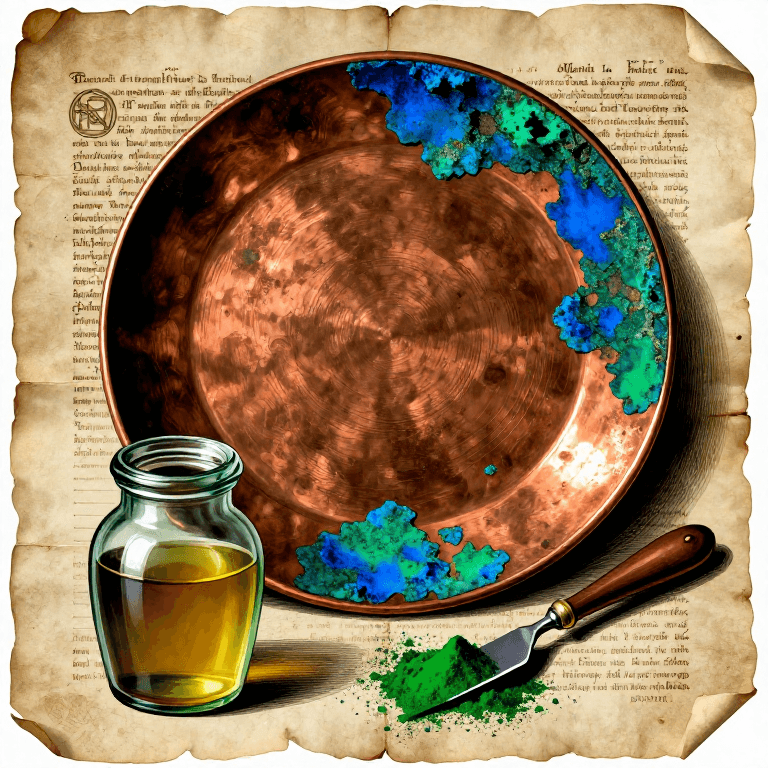
Making Verdigris — The Copper Acetate Green of Medieval Painters
بواسطة Charlie
فنون
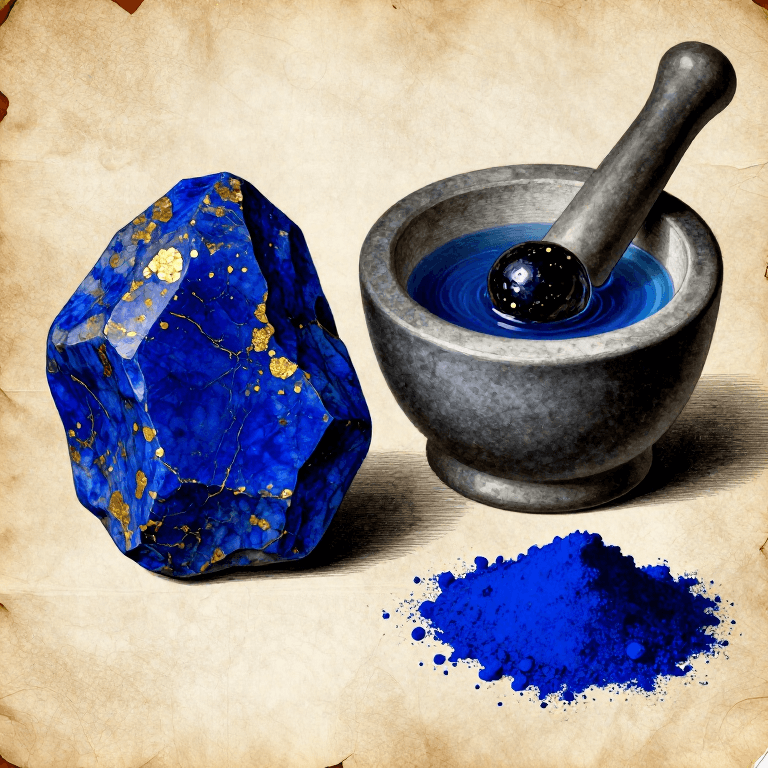
Making Ultramarine from Lapis Lazuli — Extracting the Most Precious Pigment in History
بواسطة Charlie
فنون
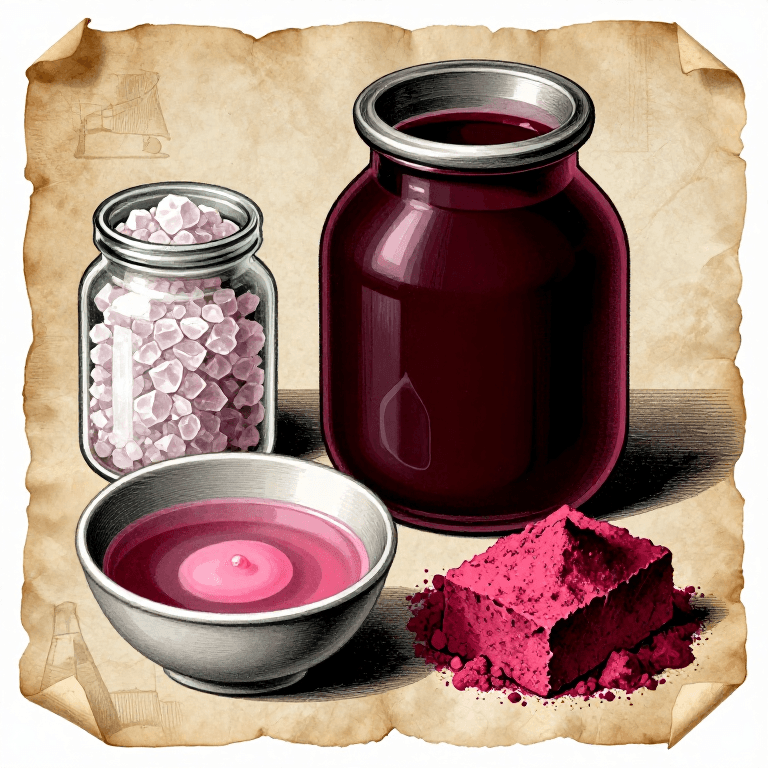
Making a Lake Pigment from Plant Dye — Precipitating Soluble Colour onto an Insoluble Substrate
بواسطة Charlie
فنون
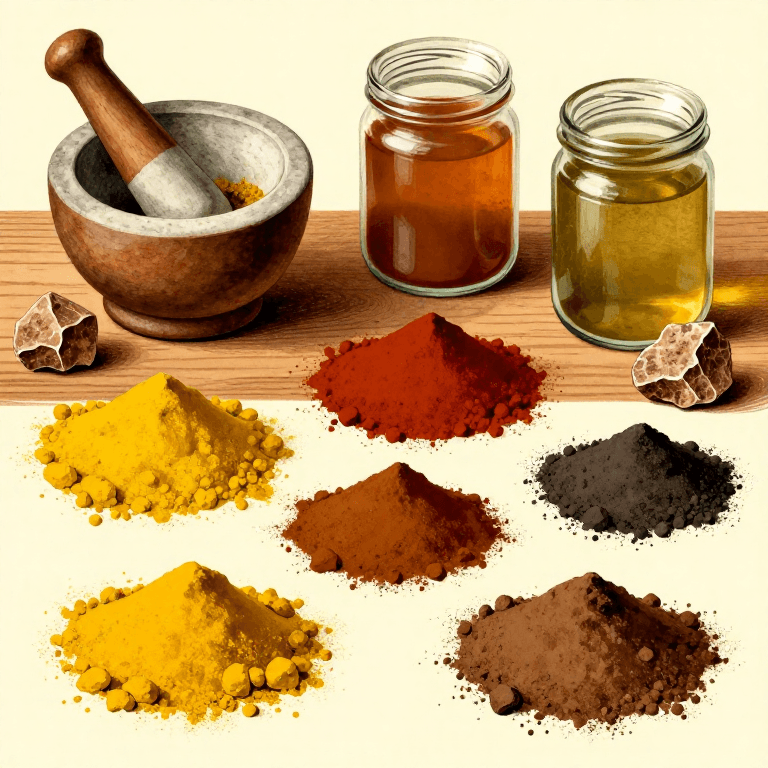
Making Natural Earth Pigments from Soil and Rocks — Collecting and Processing
بواسطة Mary
فنون
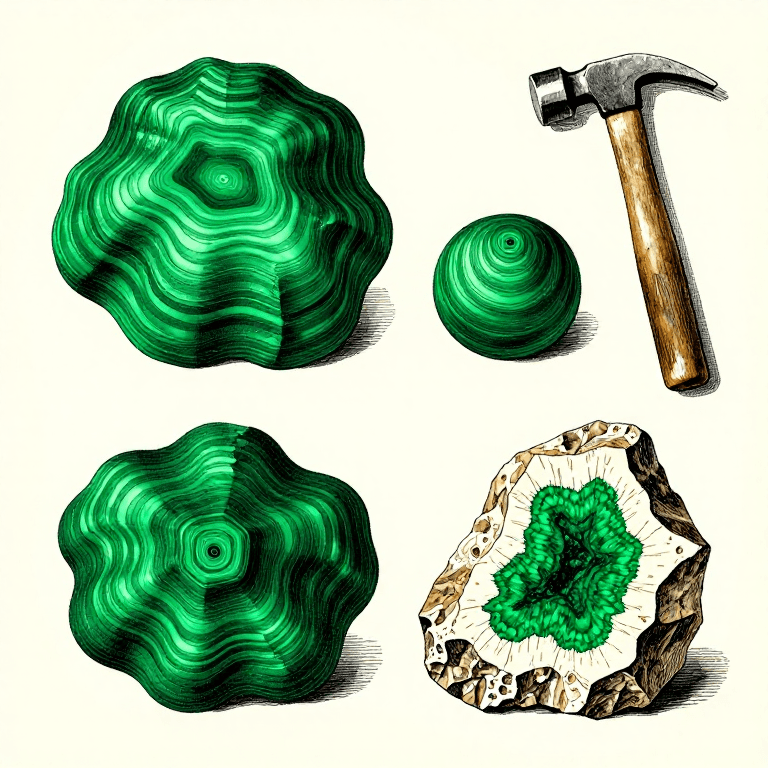
Identifying and Collecting Malachite — Copper Carbonate Ore from the Earth
بواسطة Peter
أشغال المعادن
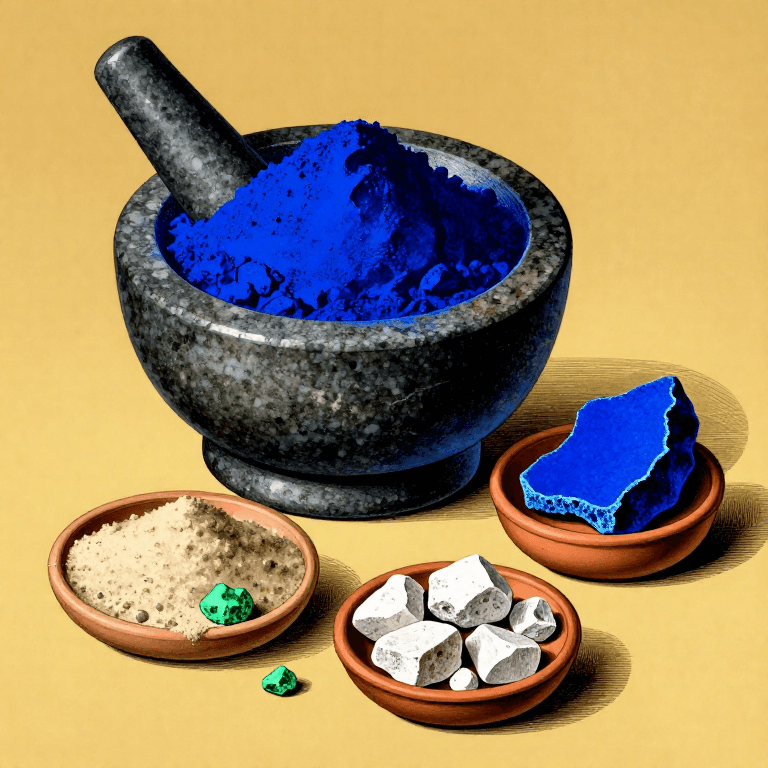
Egyptian Blue Pigment — Grinding Egyptian Blue from Copper Silicate
بواسطة Charlie
كيمياء
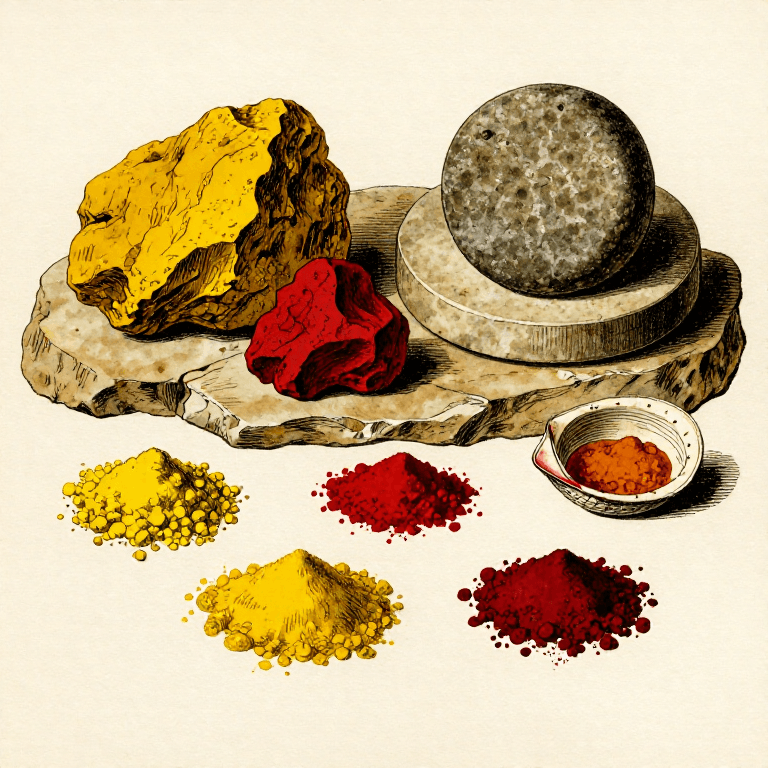
Preparing Ochre Pigment for Cave Painting — Mineral Processing
بواسطة Charlie
كيمياء
CC0 ملكية عامة
هذا المخطط مُصدر بموجب CC0. يحق لك نسخه وتعديله وتوزيعه واستخدامه لأي غرض، دون طلب إذن.
ادعم الصانع بشراء منتجات عبر مخططه حيث يكسب عمولة الصانع يحددها البائعون، أو أنشئ نسخة جديدة من هذا المخطط وضمّنه كرابط في مخططك لمشاركة الإيرادات.