فنون
الجمال والعناية
حِرَف
الثقافة والتاريخ
ترفيه
البيئة
الطعام والمشروبات
الهندسة العكسية
العلوم
رياضة
التقنية
الأجهزة القابلة للارتداء
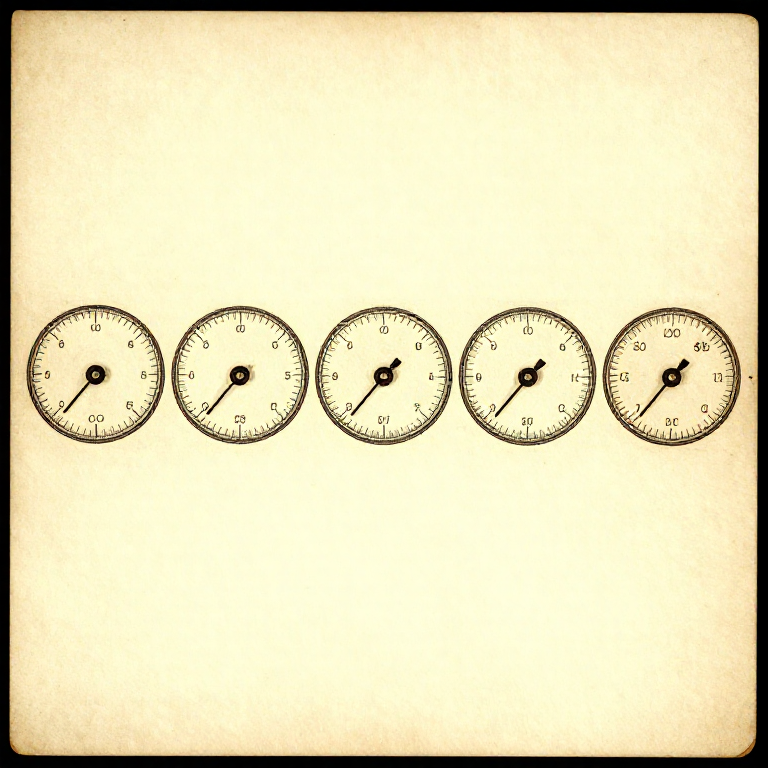


One Reading Is Not a Measurement: Repeat It, and Look at the Spread
Take one reading and you have a number. Take six and you have a MEASUREMENT — because the six tell you how much the one was worth.
The spread between repeats is not a nuisance to be hidden. It is the only honest estimate you have of how far any single reading might be from the truth, and it costs nothing except doing the thing five more times.
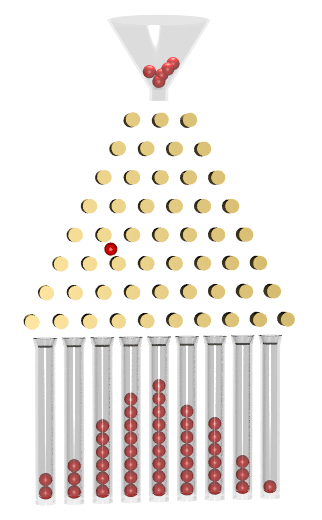
It also gets better faster than most people expect. The scatter of an AVERAGE shrinks as the square root of how many readings went into it, so four readings halve it and sixteen quarter it. That rule is why repeating is the cheapest accuracy you will ever buy.
مبتدئ
2 hours
التعليمات
1
1
Repeat the whole measurement, not just the reading
Repeat the whole measurement, not just the reading
Reading the same dial twice tells you nothing. Repeat from the START: set the work down and pick it up again, re-close the caliper, restart the timer, re-tare the scale.
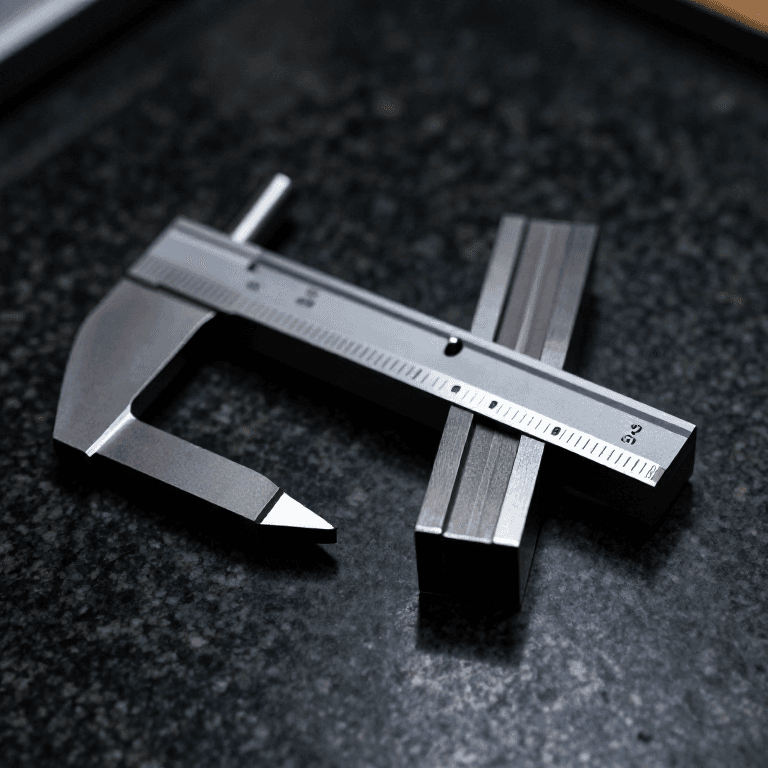
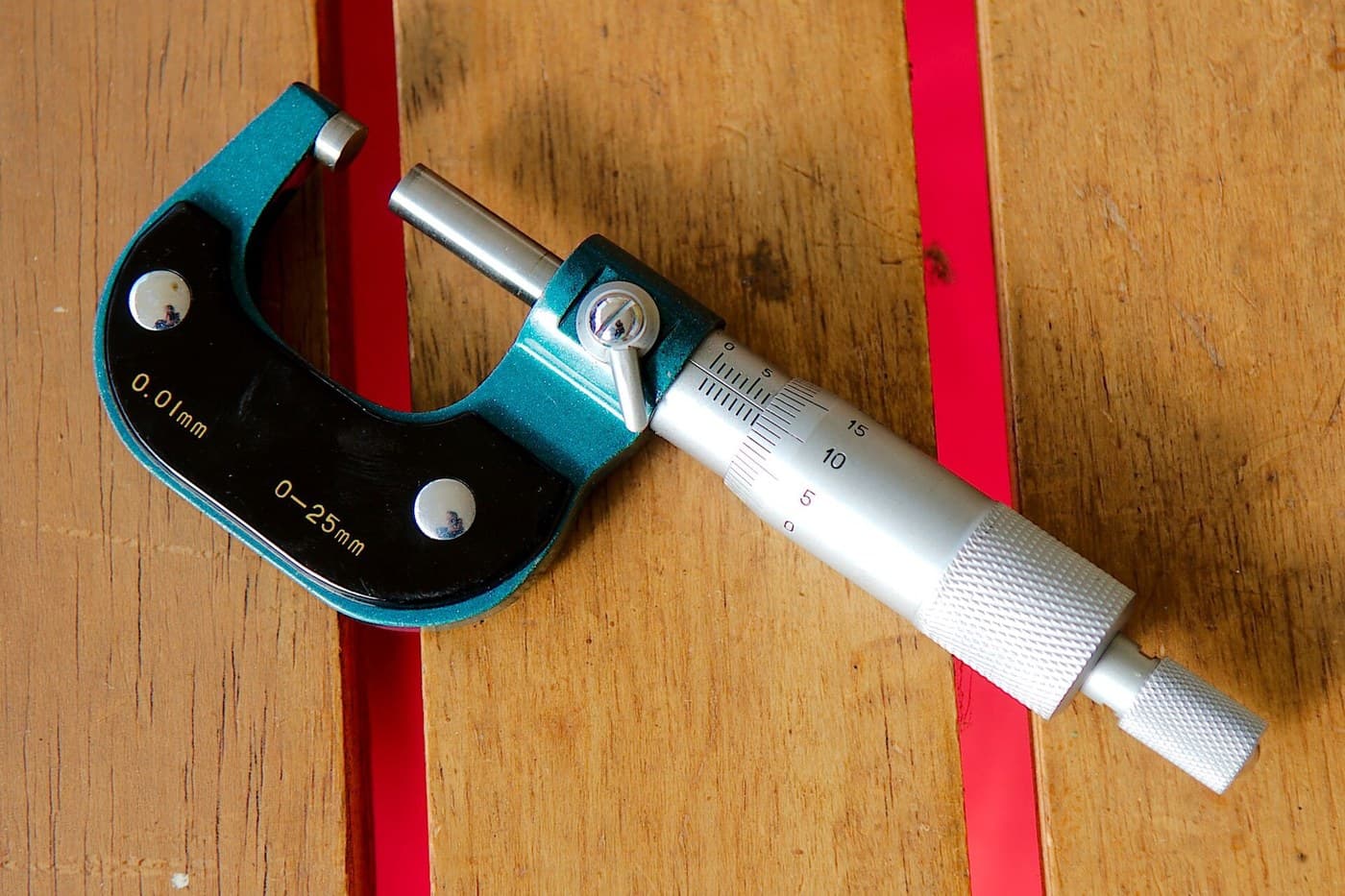
Most of the variation in a hand measurement comes from how the instrument was PLACED, not from the instrument. A caliper read three times without moving it gives three identical numbers and a false sense of precision; re-closed three times it gives the real spread.
Five or six repeats is the practical minimum. Three tells you only whether something has gone badly wrong; six starts to give a spread you can quote.
الأدوات المطلوبة:
 قدمة رقمية 6 بوصات
2
2
Write every repeat down, including the one you dislike
Write every repeat down, including the one you dislike
Record all of them, in order, as you take them. The reading that looks wrong is the most informative one in the set, and it is the first to vanish if you wait and write down what you remember.
A reading may be DISCARDED, but only for a reason you can state — the piece slipped, the timer was started late, the balance had not settled. Write the reason next to it and keep the number. Deleting an outlier because it is inconvenient is how a measurement quietly becomes a wish.
In order matters too: a set that drifts steadily upward is telling you something a shuffled set cannot. Drift usually means something is warming up, settling, drying, or being worn away by the measuring.
الأدوات المطلوبة:
قدمة رقمية 6 بوصات3
3
What six repeats actually buy you
What six repeats actually buy you
جارٍ تحميل دفتر Jupyter…
الأدوات المطلوبة:
 ساعة إيقاف
 البندول
 حاسوب مكتبي
4
4
Quote the mean and the spread together, or quote neither
Quote the mean and the spread together, or quote neither
Write the result as the mean plus or minus the scatter of the mean — for six readings, the sample standard deviation divided by the square root of six. That one line says what you found and how hard you looked.
Say how many repeats went into it. "2.01 s" and "2.01 plus or minus 0.05 s, n=6" are different claims, and only the second can be checked or repeated by anyone else.
And round the uncertainty first, to one or two digits, then round the value to match it. A result quoted as 2.0134 plus or minus 0.05 is announcing four digits it cannot support. The measurement-uncertainty rung takes that arithmetic further; this rung is only the part you can do with six numbers and a calculator.
الأدوات المطلوبة:
 آلة حاسبة
المخططات ذات الصلة
هذه المخططات تشارك المعرفة مع هذا — التقنيات والمواد والمبادئ

CC0 ملكية عامة
هذا المخطط مُصدر بموجب CC0. يحق لك نسخه وتعديله وتوزيعه واستخدامه لأي غرض، دون طلب إذن.
ادعم الصانع بشراء منتجات عبر مخططه حيث يكسب عمولة الصانع يحددها البائعون، أو أنشئ نسخة جديدة من هذا المخطط وضمّنه كرابط في مخططك لمشاركة الإيرادات.