فنون
الجمال والعناية
حِرَف
الثقافة والتاريخ
ترفيه
البيئة
الطعام والمشروبات
المستقبل الأخضر
الهندسة العكسية
العلوم
رياضة
التقنية
الأجهزة القابلة للارتداء
Plantain Leaf Poultice — The Universal Wound Herb Found on Every Continent
Bob

أنشأه

Bob

30. مايو 2026BE
0
0
0
1
0

Plantain Leaf Poultice — The Universal Wound Herb Found on Every Continent

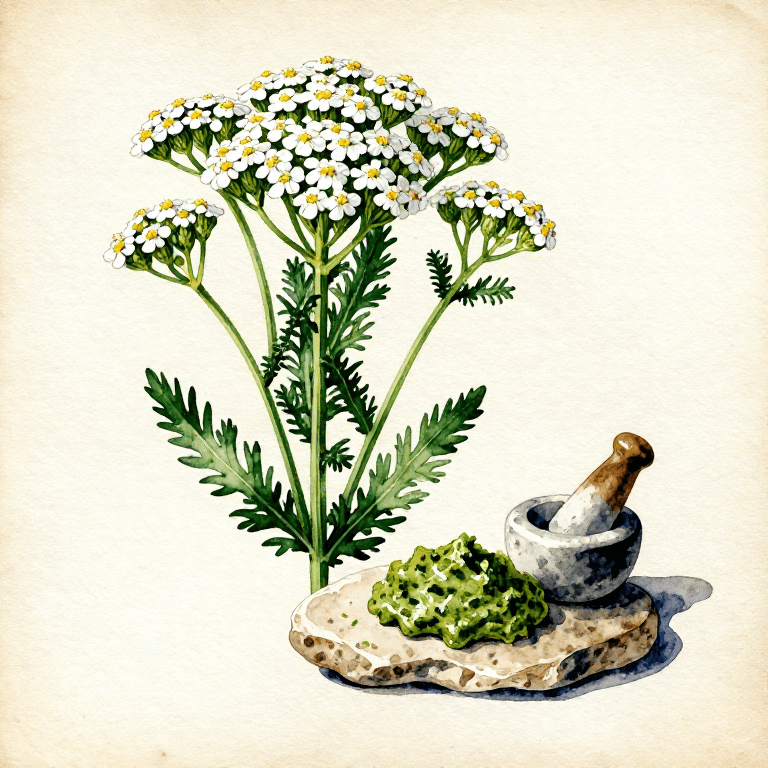
Broadleaf plantain (Plantago major) is arguably the most accessible medicinal plant on Earth. It grows as a common weed in lawns, pathways, field margins, and disturbed ground on every inhabited continent — and it has been used as a wound herb for thousands of years. The Anglo-Saxons listed it among their Nine Sacred Herbs as 'waybread' (wegbrade), the plant of the wayside. Native Americans called it 'white man's footprint' because it appeared wherever European settlers walked, thriving in compacted soil. The leaves contain allantoin (which stimulates cell growth and tissue repair), aucubin (an antimicrobial iridoid glycoside that is activated when the leaf is crushed), and mucilage (which soothes inflammation and creates a protective barrier over wounds). A fresh plantain poultice — simply a crushed leaf applied directly to a wound — draws out insect venom, reduces swelling from stings and bites, stops minor bleeding, and promotes healing of cuts, scrapes, and abrasions. No tools, no fire, no preparation beyond crushing the leaf between your fingers. This is the simplest and most ancient form of herbal first aid.

مبتدئ
5-15 minutes

التعليمات

1

Identify broadleaf plantain (Plantago major)

Broadleaf plantain grows as a low rosette of oval to egg-shaped leaves, 5-30 cm long, with prominent parallel veins running from base to tip — typically five to seven veins that are clearly visible on the underside. The leaves are smooth, slightly rubbery, and grow directly from the base of the plant with no visible stem. The flower stalk is a tall, leafless spike (10-40 cm) covered in tiny greenish-brown flowers. The key identification feature is the parallel veins: if you snap a leaf stem, you can pull out the veins like strings. No poisonous plant shares this combination of basal rosette, parallel veins, and stringy leaf stems.
2

Identify narrow-leaf plantain as an alternative

Narrow-leaf plantain (Plantago lanceolata), also called ribwort, has the same medicinal properties but narrower, lance-shaped leaves with three to five veins. It grows in the same habitats. The flower head is a short, dense, oval cone at the top of a grooved stalk, rather than the long spike of broadleaf plantain. Both species are equally effective as wound poultices. In the field, use whichever species you find — the active compounds (allantoin, aucubin, mucilage) are present in both.
3

Harvest fresh leaves

Pick several of the largest, greenest leaves from the plant. Avoid leaves that are yellowed, wilted, or damaged by insects. Choose plants growing away from roadsides, pesticide-treated areas, or areas frequented by dogs. Wash the leaves in clean water if available — but in a survival situation, using unwashed leaves is far better than leaving a wound untreated. The antimicrobial aucubin in the leaf compensates for minor surface contamination. Pick more leaves than you think you need — a poultice dries out and needs replacing.

المواد لهذه الخطوة:

Clean WaterClean Water100 مل
4

Crush the leaves to release the active compounds

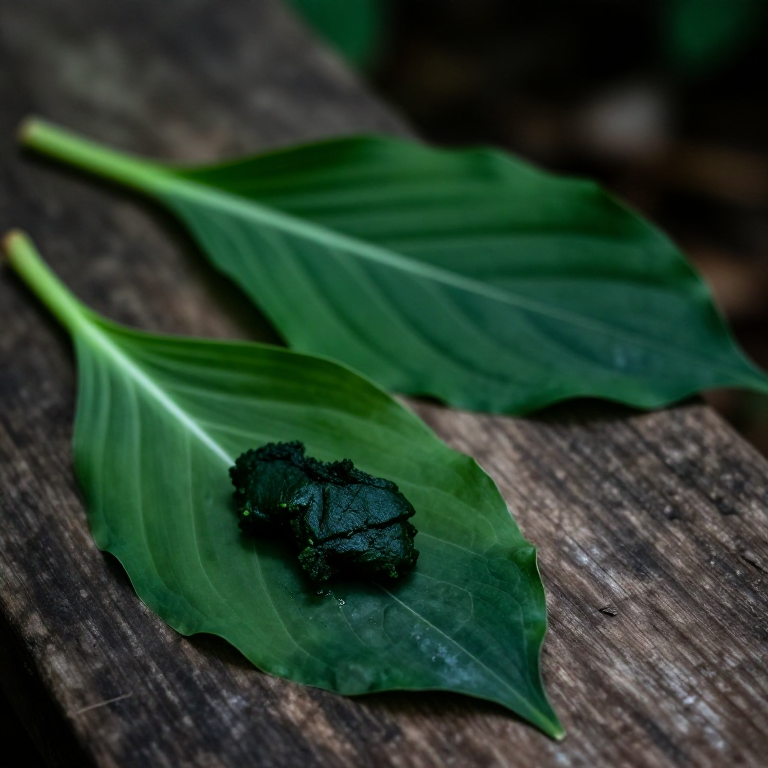
The medicinal compounds in plantain are locked inside the leaf cells and must be released by crushing. Chew the leaf thoroughly — saliva contains enzymes that help break down the cell walls and activate the aucubin. If chewing is not possible or hygienic, crush the leaf between two clean stones, roll it firmly between your palms, or pound it with any blunt object. The leaf should become a wet, dark green, pulpy mass. You will notice a slightly bitter, green smell — this is the aucubin and tannins being released.

الأدوات المطلوبة:

Stone Mortar (flat)Stone Mortar (flat)
5

Apply the poultice directly to the wound

Press the crushed leaf pulp directly onto the wound, insect bite, or sting. Ensure the entire affected area is covered by the moist leaf material. The mucilage creates a natural bandage that adheres gently to the skin, the allantoin stimulates cell repair, and the aucubin provides antimicrobial protection. For insect stings, the poultice draws venom and reduces swelling within minutes. For cuts and scrapes, it stops minor bleeding and keeps the wound clean.
6

Secure the poultice in place

If the wound is on a limb or area that moves, secure the poultice with a strip of cloth, a large whole plantain leaf wrapped over the crushed material, or a length of cordage or vine. In a wilderness setting, a strip of soft inner bark or a broad grass blade tied around the limb works well. The binding should be snug enough to hold the poultice against the skin but not so tight that it restricts blood flow. For small insect bites on accessible areas, simply hold the poultice in place with your finger for five to ten minutes.

الأدوات المطلوبة:

Absorbent ClothAbsorbent Cloth
7

Replace the poultice as it dries

A fresh plantain poultice remains active as long as it stays moist — typically one to three hours depending on temperature and humidity. When the poultice dries out and begins to feel papery, remove it and apply a fresh one. For deeper cuts or persistent stings, replace the poultice three to four times over the course of a day. Each fresh application delivers a new dose of allantoin and aucubin to the wound site. Continue treatment until the wound has closed or the swelling has subsided.
8

Use a plantain infusion as a wound wash

For larger wounds, abrasions, or areas difficult to poultice, prepare a plantain infusion by steeping a handful of torn leaves in hot water for fifteen to twenty minutes. Allow the infusion to cool to a comfortable temperature, then use it as an antiseptic wound wash — pour it gently over the wound or soak a clean cloth in the infusion and dab the wound. The dissolved aucubin and tannins cleanse the wound and the allantoin in solution still promotes tissue repair. This method is particularly useful for cleaning road rash or gravel-embedded abrasions.

المواد لهذه الخطوة:

Clean WaterClean Water250 مل

الأدوات المطلوبة:

Drinking BowlDrinking Bowl
9

Dry plantain leaves for winter storage

Plantain leaves can be dried for use when fresh plants are unavailable. Harvest large, healthy leaves and spread them in a single layer on a drying rack in a warm, ventilated area out of direct sunlight. The leaves are dry when they crumble when bent — typically five to seven days. Store in an airtight container in a cool, dark place. To use dried plantain, soak the leaves in warm water for ten minutes to rehydrate them, then crush and apply as a poultice. Dried leaves retain their allantoin content well but lose some aucubin potency, so fresh leaves are always preferred.

الأدوات المطلوبة:

Drying Rack (Well-Ventilated)Drying Rack (Well-Ventilated)
Ceramic Storage Jar with LidCeramic Storage Jar with Lid
10

Understand the scope and limits of plantain treatment

Plantain poultices are effective for minor injuries: insect bites and stings, shallow cuts, scrapes, abrasions, minor burns, splinter removal (the drawing action helps pull splinters to the surface), and skin irritation including nettle stings and mild rashes. Plantain is NOT a substitute for medical treatment of deep wounds, animal bites, infected wounds showing red streaks or pus, puncture wounds, or any injury that will not stop bleeding with direct pressure. These require professional medical attention. Plantain is first aid — the immediate treatment applied in the field while seeking further care if needed.

المواد

1

الأدوات المطلوبة

5

مواد المخططات المرتبطة

CC0 ملكية عامة

هذا المخطط مُصدر بموجب CC0. يحق لك نسخه وتعديله وتوزيعه واستخدامه لأي غرض، دون طلب إذن.

ادعم الصانع بشراء منتجات عبر مخططه حيث يكسب عمولة الصانع يحددها البائعون، أو أنشئ نسخة جديدة من هذا المخطط وضمّنه كرابط في مخططك لمشاركة الإيرادات.

النقاش

(0)

تسجيل الدخول للمشاركة في النقاش

جارٍ تحميل التعليقات...